Some accessories enter a room quietly. Others walk in like they own the lease, shake hands with the brass candlesticks, and start telling stories. That is the charm behind Accessories: Lost Found Arts: a design idea rooted in vintage objects, collected fragments, antique details, and the irresistible magic of giving forgotten things a second life.
Inspired by the world of Lost Found Art, a Connecticut-based source known for antique and vintage collections, sculptural installations, and one-of-a-kind objects, this topic sits at the delicious intersection of art, décor, collecting, sustainability, and personal style. Think old iron finials, vintage hangers, weathered tools, antique spoons, cast-off hardware, tabletop curiosities, and objects that look as though they have lived several lives and still have excellent posture.
In a marketplace filled with identical accessories, “lost and found” design offers something better than perfection: personality. These pieces do not simply decorate a shelf. They create atmosphere. They make a home feel collected rather than purchased in one panicked Saturday afternoon. They also support a broader cultural shift toward reuse, circular design, and meaningful interiors where every object earns its place.
What Does “Accessories: Lost Found Arts” Really Mean?
The phrase can be read in two ways. First, it points to the specific design sensibility associated with Lost Found Art, which specializes in antique and vintage objects arranged into compelling collections and installations. Second, it describes a larger creative movement: the art of transforming overlooked accessories into expressive design elements.
In practical terms, Lost Found Arts accessories are not limited to jewelry, scarves, or handbags. In interior design, accessories include the small but powerful pieces that shape a room’s mood: bowls, hooks, trays, framed fragments, baskets, tools, vases, books, textiles, ceramics, sculptural objects, mirrors, and tabletop curiosities. They are the punctuation marks of a space. Without them, a room may be grammatically correct, but it probably lacks wit.
The Beauty of Found Objects in Home Design
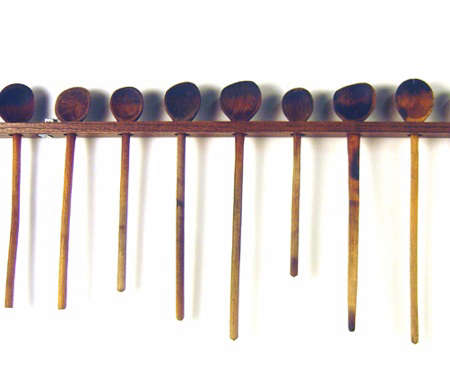
Found objects have a long relationship with modern art. Assemblage, a form of art that brings together existing objects into a new composition, helped change how people think about value and creativity. Instead of seeing discarded materials as junk, artists and collectors began seeing them as visual language. A rusted gear could suggest industry. A row of old spoons could become rhythm. A drawer of mismatched keys could turn into a poem about doors nobody remembers.
This same logic works beautifully in interiors. A vintage brass tray can hold perfume bottles. An antique hook can turn a blank wall into a miniature gallery. A collection of old wooden hangers can bring warmth to a mudroom or wardrobe. Cast iron finials can become sculptural accents on a mantel. The object remains useful, but it also becomes expressive.
Why Imperfection Makes Accessories More Interesting
Modern manufacturing often aims for flawless uniformity. Lost-and-found accessories do the opposite. Their scratches, dents, faded finishes, and patina are part of the appeal. These marks prove the object has survived actual life, which is more than can be said for some trendy décor that collapses emotionally after one season.
Patina is not damage in the design world; it is evidence. A worn wooden box, a tarnished silver spoon, or a chipped ceramic dish can add texture and history that new products often imitate but rarely capture. The trick is choosing pieces that feel aged, not neglected. There is a difference between “beautifully weathered” and “possibly haunted by basement moisture.”
Why Vintage Accessories Are Back in Style
Vintage accessories are having a very good decade. Designers, collectors, and everyday homeowners are increasingly drawn to secondhand pieces because they offer originality, craftsmanship, and sustainability. In recent home design coverage, experts often recommend starting in the accessories section of thrift shops because small objects can deliver big character without requiring a moving truck, a contractor, or a family meeting.
Accessories are also low-risk entry points into vintage design. Buying an antique armoire may require measuring doorways and negotiating with gravity. Buying a vintage bowl, brass candlestick, or framed sketch is easier. You can experiment with style, scale, and texture without accidentally turning your living room into a furniture warehouse.
Vintage Accessories Add Soul to Minimalist Rooms
Minimalist interiors can be elegant, but without texture they can also feel a little like a very polite waiting room. Lost-and-found accessories bring balance. A simple white shelf becomes warmer with an old stoneware pitcher. A modern bathroom feels less sterile with a small antique mirror. A clean-lined kitchen gains depth from a row of vintage utensils, wooden boards, or hand-thrown ceramics.
The best rooms mix eras. A contemporary sofa can live happily beside a 19th-century stool. A sleek marble counter can be softened with a rustic cutting board. A modern entryway can gain instant charm from an antique umbrella stand or a wall of old hooks. Good design is not a history exam. It is a conversation.
Sustainability: The Quiet Superpower of Lost Found Arts
One reason Lost Found Arts accessories feel relevant today is their connection to reuse. The U.S. Environmental Protection Agency emphasizes that reducing and reusing materials are among the most effective ways to save resources, protect the environment, and reduce waste. In other words, when you rescue a vintage accessory, you are not just decorating. You are politely refusing to make the landfill busier.
The circular economy also supports this idea. Instead of extracting resources, manufacturing new products, using them briefly, and throwing them away, circular design encourages keeping materials in use at their highest value. Antique accessories already understand the assignment. They have lasted decades, sometimes more than a century, because they were made with durable materials and because someone cared enough to keep them moving from one life to the next.
Buying Less, Choosing Better
The Lost Found Arts mindset is not about owning more things. It is about choosing better things. A single handmade ceramic bowl can do more for a room than a dozen generic plastic decorations. A vintage leather box can store remotes, letters, or tiny household mysteries. A brass magnifying glass on a desk can make even your grocery list look scholarly.
When accessories are chosen carefully, they reduce visual clutter. Instead of filling every surface, you create small moments: a tray with a candle and match striker, a stack of art books with a sculptural object, a wall hook holding a woven bag, or a table with one dramatic vessel. The goal is not to make your home look like an antique store after a windstorm. The goal is thoughtful curation.
How to Choose Lost Found Arts Accessories
Shopping for vintage and found accessories requires a different eye than buying new décor. You are not just asking, “Does this match?” You are asking, “Does this have presence? Does it feel authentic? Can I use it, display it, or reinterpret it?” The best finds often seem ordinary at first glance. Then you notice the shape, the material, the weight, or the story.
1. Look for Strong Materials
Materials matter. Brass, copper, iron, stoneware, solid wood, linen, wool, leather, marble, and handblown glass tend to age well. They can be cleaned, polished, repaired, or left with patina. Cheap plastics, peeling veneers, and mystery composites are less promising unless you have a very specific creative plan and a strong emotional support system.
2. Check Function and Stability
A vintage accessory does not have to be perfect, but it should be safe and usable for its intended purpose. If a lamp is old, have the wiring inspected. If a mirror is heavy, use proper hardware. If a ceramic piece has cracks, decide whether it is decorative only. If a chair wobbles, do not call it “character” while your guests are falling sideways.
3. Buy Collections, Not Clutter
Lost Found Art is admired for grouping one-off vintage pieces into compelling tableaux. That idea is useful at home. Three mismatched brass candlesticks can feel intentional. Ten unrelated objects on one shelf may feel like a garage sale in progress. Collections work best when they share a material, color, shape, era, or purpose.
4. Think in Layers
Accessories should add layers of height, texture, and meaning. Pair smooth with rough, shiny with matte, old with new. A modern black console might look sharper with an antique mirror, a ceramic bowl, and a stack of worn books. A farmhouse table might feel more refined with sculptural metal objects instead of predictable rustic décor.
Best Rooms for Lost Found Arts Accessories
Every room can benefit from found-object styling, but some spaces practically beg for it. Entryways, kitchens, bathrooms, offices, and living rooms are especially friendly to vintage accessories because they rely on small functional details.
Entryway
The entryway is the handshake of the home. Antique hooks, vintage umbrella stands, old benches, woven baskets, and small trays can make the space practical and memorable. A row of old numbered tags or hotel keys can become a playful wall display near the door.
Kitchen
Kitchens love useful vintage accessories. Think wooden cutting boards, copper molds, stoneware pitchers, old scales, ceramic crocks, linen towels, and glass jars. These items add warmth without interrupting daily function. They also help a modern kitchen feel less like a showroom and more like a place where excellent soup might happen.
Living Room
In the living room, found accessories can anchor shelves, coffee tables, and mantels. Use vintage books, pottery, trays, candlesticks, framed sketches, or small sculptural pieces. The key is restraint. Let each object breathe. Even a dramatic antique piece deserves personal space.
Bathroom
Bathrooms can feel cold because they are full of hard surfaces. A vintage mirror, brass tray, small wooden stool, old apothecary bottle, or ceramic dish adds softness and story. Just avoid delicate materials in areas with heavy moisture. Humidity is not kind to everything, no matter how poetic the patina looks.
Styling Examples: From Forgotten to Fantastic
Imagine a set of vintage clothes hangers mounted on a wall as an artful display in a laundry room. They are functional, graphic, and unexpected. Or picture cast iron finials arranged on a mantel like small architectural sculptures. A collection of antique spoons can be framed, hung in a kitchen, or displayed in a shallow bowl. Old brass labels can become drawer markers. A weathered toolbox can hold magazines, gardening gloves, or craft supplies.
These ideas work because they respect the original identity of the object while giving it a new role. The best Lost Found Arts styling does not disguise history. It edits it.
How to Care for Vintage Accessories
Caring for antique and vintage accessories begins with common sense. Clean gently. Avoid harsh chemicals unless you know the material can handle them. Keep delicate textiles away from strong sunlight. Store fragile objects away from moisture and extreme temperature changes. For valuable or rare pieces, consult a professional conservator before attempting repairs.
For metal accessories, decide whether you want shine or patina. Polishing brass can make it glow, but over-polishing may remove the aged surface that gives it charm. For wood, a soft cloth and appropriate wax can often revive the finish. For ceramics and glass, mild soap and careful handling usually do the job. The golden rule: when in doubt, do less. Vintage objects appreciate gentle relationships.
The Emotional Value of Found Accessories
The most powerful accessories are not always the most expensive. They are the ones that create emotional connection. A small bowl from a flea market trip. A framed postcard from a city you loved. A wooden box inherited from a grandparent. A salvaged factory mold that reminds you of American craftsmanship. These pieces make a home feel personal because they cannot be duplicated with a shopping cart algorithm.
This is where Lost Found Arts becomes more than decorating. It becomes storytelling. Your home starts to reveal where you have been, what you notice, what you value, and what you choose to preserve.
Common Mistakes to Avoid
The first mistake is buying every interesting object you see. Vintage shopping can produce a dangerous condition known as “but it’s only eight dollars.” Eight dollars is still too much if the item will live forever in a closet next to abandoned extension cords.
The second mistake is over-theming. A room filled entirely with antiques can feel heavy. A room with one or two strong vintage pieces feels intentional. Mix found accessories with contemporary elements to keep the look fresh.
The third mistake is ignoring scale. Tiny objects disappear on large shelves. Oversized objects overwhelm small tables. Before buying, imagine where the item will live. If you cannot picture it clearly, take a breath, walk around the shop once more, and see if the object still whispers your name.
Experience Section: Living With Accessories: Lost Found Arts
The best way to understand Accessories: Lost Found Arts is to experience the hunt. There is a special kind of focus that appears when you walk into an antique mall, flea market, estate sale, or neighborhood thrift shop. At first, everything looks chaotic. Lamps lean at odd angles. Silver trays sit beside old golf trophies. A porcelain dog stares at you with the confidence of a small-town mayor. Then your eye adjusts, and the chaos becomes possibility.
One memorable approach is to shop with a theme but not a rigid list. For example, you might decide to look only for objects with warm metal finishes: brass hooks, copper bowls, bronze trays, or old hardware. This keeps the search focused while leaving room for surprise. Another day, the theme might be “useful ceramics” or “small wooden storage.” The point is to avoid wandering aimlessly until you buy a chipped clown figurine because you got emotionally tired.
When styling found accessories at home, start with one surface. A console table is ideal. Place a vintage tray in the center, add a lamp or vase for height, include one small sculptural object, and finish with a practical item such as a bowl for keys. Step back. Remove one thing. Step back again. This editing process is where the magic happens. Lost Found Arts styling is not about proving how many treasures you own. It is about allowing the right treasures to speak clearly.
Another rewarding experience is repurposing. An old drawer can become wall storage. A vintage ladder can hold blankets. A brass ashtray can become a jewelry dish. Antique glass jars can organize paintbrushes, cotton swabs, or kitchen utensils. The object’s former life remains visible, but its new purpose makes it relevant. That combination of past and present is deeply satisfying.
There is also a social pleasure in these accessories. Guests notice them. They ask where you found the unusual hook, the odd little sculpture, or the charming bowl on the coffee table. Suddenly, the room has conversation built into it. Mass-produced décor often receives polite silence. Found objects invite curiosity. They say, “There is a story here,” even when the story begins with, “I found it under a folding table between a box of postcards and a lamp shaped like a duck.”
Over time, living with lost-and-found accessories changes how you shop. You become more patient. You stop chasing trends and start recognizing quality. You learn that empty space is useful. You begin to appreciate materials, joinery, weight, texture, and proportion. You also discover that the most meaningful home does not happen instantly. It forms slowly through attention, restraint, and the occasional lucky discovery that makes you grin like you just solved a very stylish mystery.
Conclusion
Accessories: Lost Found Arts is more than a decorative phrase. It is a design philosophy built on discovery, reuse, craftsmanship, and storytelling. Whether you are drawn to antique objects, vintage accessories, found-object art, or sustainable home décor, this approach helps create rooms with depth and individuality. The beauty lies in the mix: old and new, useful and sculptural, humble and dramatic. A home styled with found accessories does not feel copied. It feels collected, lived-in, and wonderfully human.