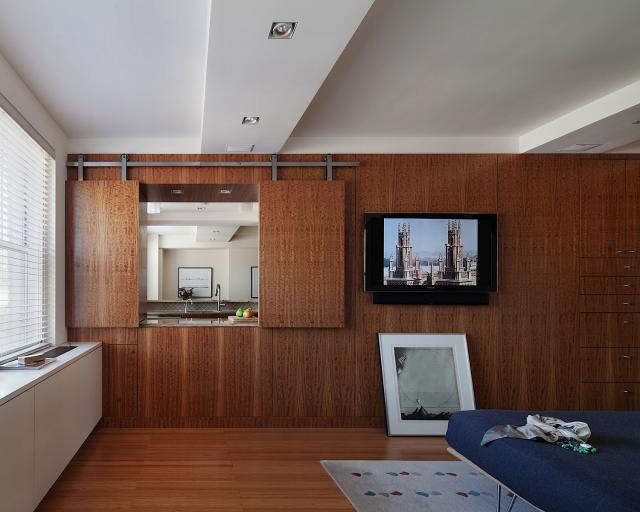
There are apartments that simply give you a place to sleep, and then there are apartments that make you feel as if New York City personally handed you a key and whispered, “Don’t tell too many people about this.” A West Village pied-a-terre with a view belongs firmly in the second category. It is not usually the biggest home, the loudest home, or the one with a closet large enough to host a dinner party. Instead, it wins through charm, intelligence, light, proportion, and that rare Manhattan magic trick: making a compact space feel like a complete life.
The West Village has always been one of New York City’s most desirable neighborhoods because it feels slightly allergic to the normal Manhattan grid. Streets bend, names repeat in confusing ways, brownstones lean into the sidewalk with literary confidence, and the Hudson River sits nearby like a very expensive painting that changes every hour. For a pied-a-terre, this setting is almost too perfect. The home does not need to be enormous because the neighborhood itself becomes part of the floor plan.
What Makes a West Village Pied-a-Terre So Special?
A pied-a-terre is a secondary city residence, often used for work trips, weekend escapes, cultural visits, or simply keeping one stylish foot in the city. In the West Village, the concept becomes especially appealing because the neighborhood offers a rare blend of residential calm and downtown energy. You can wake up on a quiet tree-lined street, walk to a tiny cafe where the cappuccino has opinions, browse independent shops, stroll along the Hudson River, and still be close to restaurants, galleries, theaters, parks, and subway lines.
Unlike a full-time family home that must absorb every suitcase, bicycle, holiday decoration, and mystery charger cable accumulated over a lifetime, a pied-a-terre can be more edited. That does not mean cold or sterile. The best ones feel like highly personal retreats, designed around rituals: morning coffee by the window, a place to read before dinner, a sofa that can host one excellent guest, and storage smart enough to hide the evidence of real life.
The View Is More Than a Luxury
In a West Village apartment, a view can mean many things. It might be a broad Hudson River panorama, a glimpse of sunset over the piers, a cinematic angle toward downtown rooftops, or a quiet courtyard framed by old brick and ivy. The view does not have to scream. Sometimes it just needs to breathe.
For small-space living, views matter because they extend the psychological boundaries of a room. A compact living area with generous windows can feel larger than a bigger room with no visual escape. Natural light softens edges, highlights materials, and gives even a simple breakfast the dramatic importance of a film scene. Yes, it is still toast. But it is toast with atmosphere.
The Design Challenge: Big Living in a Small Footprint
Many West Village pied-a-terres are located in older buildings where charm arrives with a few nonnegotiable conditions. Prewar layouts may have awkward room divisions. Plumbing stacks cannot always move. Kitchens and bathrooms often need to stay roughly where they are. Landmark and building rules can limit exterior changes. In other words, the apartment may say, “Be creative,” while the building says, “But not too creative.”
That is where strong design becomes essential. One smart approach is to treat the pied-a-terre less like a miniature apartment and more like a custom cabinet at architectural scale. Every inch should have a job. Walls can store. Benches can open. Beds can float above drawers. Doors can slide instead of swing. Mirrors can redirect light. Built-ins can hide clutter while giving the room a calm, intentional rhythm.
Open Space Without Losing Privacy
One of the most effective strategies in a compact West Village pied-a-terre is partial openness. A fully open studio can feel airy, but it can also make the bed feel like it is attending dinner. A fully divided apartment may offer privacy but steal daylight. The sweet spot is often found in flexible partitions: interior windows, sliding shutters, glass panels, pocket doors, curtains, or millwork screens.
An internal window between a sleeping area and a living space, for example, can allow daylight to travel across the apartment while still providing separation when needed. Sliding shutters can close at night or stay open during the day. This kind of design has a wonderfully New York logic: privacy when you want it, borrowed light when you need it, and no wasted square footage standing around looking decorative.
Built-Ins: The Unsung Heroes
In a pied-a-terre, built-ins are not just storage; they are emotional support systems. A wall of seamless cabinetry can hold luggage, linens, books, coats, pantry items, and the umbrella you bought during a sudden rainstorm and immediately forgot about. When designed well, built-ins disappear into the architecture, making the apartment feel calmer and larger.
Materials matter here. Warm woods such as walnut, oak, or eucalyptus can add richness without crowding the room. Painted cabinetry can blend into walls for a cleaner look. Stone shelves, marble accents, or brass hardware can add small flashes of luxury. The trick is restraint. A pied-a-terre should feel polished, not like a showroom trying to win an argument.
Designing Around the West Village Mood
The West Village does not ask for one fixed design style. It can handle minimalism, vintage layering, Parisian romance, mid-century furniture, art-filled maximalism, and quiet contemporary interiors. But the best West Village homes usually share one quality: they feel collected rather than assembled overnight.
A pied-a-terre with a view should acknowledge the neighborhood’s texture. Think limewashed walls, natural fibers, framed prints, sculptural lighting, vintage side tables, a small marble bistro table, or a low sofa that does not block the windows. The goal is not to imitate an old New York apartment. The goal is to let the apartment speak with a downtown accent.
Color Palettes That Work
Light colors are popular in small apartments for good reason, but all-white rooms can become chilly if they lack depth. A better approach is to layer warm whites, soft grays, oatmeal, pale stone, and muted earth tones, then introduce contrast through art, books, dark metal, deep green marble, oxblood upholstery, or walnut furniture.
For a bolder pied-a-terre, rich colors can be surprisingly successful. A deep blue entry, lacquered burgundy kitchen, moss green banquette, or rust-toned rug can make the home memorable. In a small space, color should be placed with confidence. A timid accent wall often looks nervous. A well-designed jewel-box room looks intentional.
Furniture Should Be Elegant, Not Enormous
Scale is the difference between cozy and “why is this sofa eating the apartment?” A West Village pied-a-terre needs furniture that respects the room. Choose pieces with exposed legs, rounded corners, slim arms, and multiple uses. A daybed can act as seating and guest sleeping space. A drop-leaf table can expand for dinner. Nesting tables can appear when needed and vanish when not.
One excellent chair is better than three mediocre ones. A beautiful lamp can do more for atmosphere than a ceiling full of aggressive recessed lights. A small dining nook with a built-in bench may provide more comfort than a formal table that blocks circulation. In compact design, every piece must earn rent.
The Kitchen: Small, Sharp, and Sociable
A pied-a-terre kitchen does not need to prepare Thanksgiving for fourteen people, unless the owner enjoys suffering in designer shoes. But it should be capable, beautiful, and easy to maintain. Panel-ready appliances, integrated storage, stone counters, under-cabinet lighting, and open shelving used sparingly can make a small kitchen feel refined.
If the kitchen opens to the living area, finishes become especially important. The cabinetry should feel like furniture, not a utility zone wearing a disguise. A marble backsplash, dark hardware, or warm wood fronts can help the kitchen belong to the room. In many West Village homes, the kitchen becomes a social hinge: coffee in the morning, wine before dinner, and late-night snacks after pretending you were only going out for “one drink.”
The Bedroom: Calm, Compact, and Clever
The bedroom in a pied-a-terre should feel like a retreat, even if it is modest in size. Built-in wardrobes, wall-mounted lights, floating shelves, and under-bed storage keep the floor clear. If the bedroom borrows light from the living space through an interior window or glass partition, soft curtains or sliding panels can add privacy without making the room feel boxed in.
Bedding should be simple but luxurious: crisp cotton, a textured throw, supportive pillows, and a palette that encourages sleep. In a city that never fully powers down, the bedroom should know how to lower its voice.
Art, Books, and Personality
A pied-a-terre becomes memorable when it includes the owner’s point of view. Art is especially powerful in a small home because there are fewer surfaces competing for attention. A single large artwork can make a room feel grand. A salon-style wall can turn a hallway into a gallery. Sculptural objects, ceramics, photography, and travel finds can give the apartment a sense of story.
Books are equally important. Even a small stack on a side table suggests that someone lives here with curiosity, not just a rolling suitcase. The best West Village interiors often feel relaxed because they are not afraid of personality. A little imperfection is welcome. A home without any odd objects is just a hotel room with better taxes.
Why the Neighborhood Completes the Home
The true luxury of a West Village pied-a-terre is not limited to the apartment. It is the ability to step outside and immediately enter one of New York’s most atmospheric neighborhoods. The streets are human-scaled. The architecture is layered. The restaurants range from legendary to tiny and impossible to explain. The Hudson River Park system offers open sky, bike paths, lawns, piers, and sunset views that make even longtime New Yorkers pause for a moment.
That connection to the outdoors is crucial. A pied-a-terre may be small, but the West Village gives it a generous backyard: the riverfront, pocket parks, shaded sidewalks, historic blocks, and the nearby cultural energy of the Meatpacking District, Chelsea, SoHo, and Greenwich Village. In this context, square footage becomes only one measure of value. Experience matters just as much.
Buying or Designing a West Village Pied-a-Terre
Anyone considering a West Village pied-a-terre should think beyond the romance, though the romance is admittedly doing a very persuasive little dance. Building policies matter. Some co-ops restrict pied-a-terre use, while condos are often more flexible. Renovation rules, landmark considerations, monthly costs, elevator access, storage, sublet policies, and noise should all be reviewed carefully before falling in love with a window view and making financially dramatic decisions.
From a design perspective, the smartest investment is a layout that improves daily use. Beautiful finishes are wonderful, but function is what keeps the home enjoyable. Can luggage be stored easily? Is there a proper place to work? Can two people move around without performing choreography? Is there enough light? Does the apartment feel peaceful when the city is not?
Features Worth Prioritizing
The best West Village pied-a-terres often include strong natural light, flexible sleeping space, excellent storage, durable finishes, quiet windows, efficient climate control, and a kitchen that looks good from the sofa. A washer-dryer is a major bonus. Outdoor space is a unicorn wearing a cashmere scarf. A river or skyline view can elevate the entire experience, but even a charming courtyard view can be deeply satisfying if the interior is well planned.
The Emotional Value of a Small New York Home
A pied-a-terre is not always rational on paper. It is a convenience, yes, but also a feeling. It says the city is not just a place you visit; it is a place you return to. In the West Village, that feeling is intensified by history, scale, and texture. You are not floating anonymously in a glass tower. You are part of a neighborhood that has held artists, writers, activists, designers, families, shopkeepers, and wanderers for generations.
A view adds the final layer. Looking out from a West Village apartment, you might see the Hudson catching gold at sunset, rooftops stacked like stage scenery, or quiet windows glowing across the street. The apartment becomes a perch, a pause, a private balcony for watching the city continue its endless performance.
Personal Experiences and Reflections: Living the West Village Pied-a-Terre Dream
Spending time in a West Village pied-a-terre with a view teaches you that luxury is often less about abundance and more about precision. The first morning is usually the moment it clicks. You wake up, make coffee in a kitchen that requires only three steps to cross, open the shade, and suddenly the city is right there. Not shouting. Not rushing. Just present. The rooftops, the water, the trees, the soft movement of people belowit all feels close enough to touch but far enough away to let you breathe.
The experience is different from staying in a hotel. A hotel may be convenient, but it rarely lets you develop rituals. In a pied-a-terre, you learn which window gets the best morning light. You know where to put your keys. You keep a favorite mug. You discover that the small chair by the window is the best place to answer emails, read a few pages, or pretend you are the main character in a tasteful independent film. The apartment becomes familiar quickly because every detail is within reach.
The neighborhood deepens that feeling. One evening might begin with a walk along the Hudson as the sky turns peach and silver. Another might involve getting pleasantly lost on streets that refuse to behave like a grid. You may pass a townhouse with flower boxes, a tiny restaurant glowing behind steamed-up windows, a dog with better winter clothing than most humans, and a corner store that somehow makes everyday errands feel cinematic. The West Village has a way of turning ordinary movement into atmosphere.
Inside the apartment, small-space design becomes something you appreciate daily. A built-in drawer under the bed is not just a drawer; it is proof that someone thought carefully about how life works. A sliding panel is not just a partition; it is the difference between openness and privacy. A compact dining table is not a compromise when it hosts a perfect breakfast, a laptop, a bottle of wine, and a bag of pastries from around the corner. In a well-designed pied-a-terre, nothing feels accidental.
There is also a special pleasure in editing. Because the home is not meant to hold everything, it encourages you to choose what matters. The clothes are fewer but better. The books are the ones you actually want to read. The art has meaning. The furniture works hard and looks good doing it. Even cleaning becomes less dramatic. No one has ever written a love poem to a vacuum, but in a compact apartment, a quick reset can restore the whole space in minutes.
The view remains the quiet star. At night, it changes the mood completely. Reflections appear in the glass. Windows across the neighborhood flicker on. The river darkens. The apartment feels suspended between privacy and urban energy. You are alone, but not isolated. You are home, but the city is still humming outside. That balance is what makes a West Village pied-a-terre so seductive.
Ultimately, the experience is not about owning a large piece of New York. It is about having the right piece. A thoughtfully designed pied-a-terre gives you a compact, beautiful, highly personal base from which to enjoy one of the city’s most beloved neighborhoods. It offers the freedom to arrive lightly, live well, and leave reluctantly. And when the apartment has a view, every return feels like the city saved your seat.
Conclusion
A West Village pied-a-terre with a view is more than a second home. It is a lesson in how design, location, light, and restraint can turn limited square footage into a rich urban experience. The best examples combine clever planning with emotional warmth: built-ins that simplify life, flexible partitions that share light, furniture scaled for comfort, and finishes that honor the character of the neighborhood. Add a view of rooftops, courtyards, or the Hudson River, and the apartment becomes something rarea private retreat with New York City as its backdrop.
For buyers, designers, and dreamers, the key is to think beyond size. A pied-a-terre succeeds when it supports the way people actually live during short stays: arriving, resting, working, dining, wandering, and returning. In the West Village, where every block seems to have a story and every window has a mood, a small apartment can feel wonderfully expansive. It does not need to be grand. It only needs to be thoughtful, beautiful, and ready for the next unforgettable weekend.
Note: This article is original, written in standard American English, and synthesized from real information about West Village architecture, compact apartment design, pied-a-terre living, neighborhood history, waterfront amenities, and current real estate context.