There are dinners, and then there are dinners that make you briefly consider writing thank-you notes to vegetables. A starlit greenhouse dinner on Martha’s Vineyard belongs in the second category. It is not just a meal with pretty lighting. It is a mood, a memory, a soft summer evening wrapped in salt air, field flowers, flickering candles, and tomatoes that taste like they personally negotiated with the sun.
Martha’s Vineyard has long been known for beaches, lighthouses, clapboard cottages, and the kind of ocean views that make people whisper, “Maybe I do need a summer house,” even when their bank account coughs politely. But beyond the postcard scenery, the Island has a deep agricultural and fishing culture. Local farms, farmers markets, oyster growers, fishermen, flower growers, bakers, and chefs form a food ecosystem that feels intimate, seasonal, and proudly un-cookie-cutter.
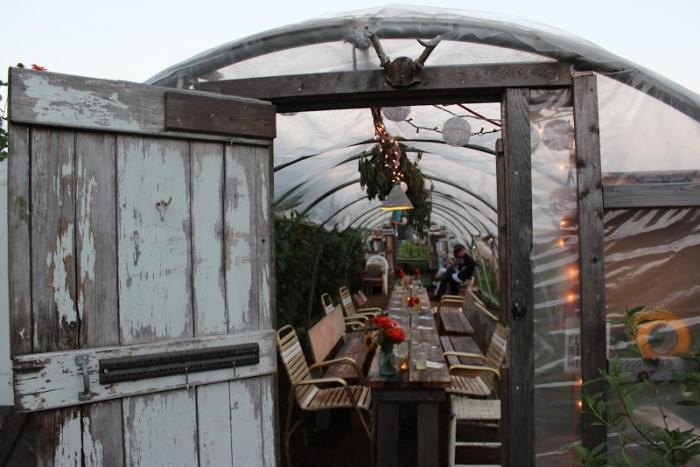
That is exactly why the idea of a greenhouse dinner fits Martha’s Vineyard so beautifully. A greenhouse is usually a working space, a place where seedlings stretch, greens thrive, tomatoes ripen, and farmers do heroic things before most visitors have found their sunglasses. But under evening light, with a long table down the middle, simple flowers in jars, mismatched chairs, and plates passed family-style, it becomes something else: part dining room, part garden, part theater, part very polite fairy tale.
Why a Greenhouse Dinner Feels So Vineyard
A greenhouse dinner on Martha’s Vineyard is not about showing off. It is about showing up. The best version of the experience feels relaxed, tactile, and slightly rustic in the best possible way. You may find yourself walking across a dirt path instead of a red carpet. You may sit on a wooden bench instead of a velvet chair. You may also eat the best salad of your life and immediately forgive the bench.
The Island’s food culture is rooted in proximity. Farm-to-table and ocean-to-table dining are not trendy slogans here; they are practical realities. The fields, boats, markets, and kitchens are close enough to speak the same language. A chef can build a menu around what came out of the soil that morning, what came from Vineyard waters, what looked irresistible at the farm stand, and what herbs were waving their little fragrant arms from the greenhouse rows.
That closeness changes the way a meal feels. A tomato is not merely “local.” It may have been picked within walking distance of the table. Greens may have grown in a nearby hoop house. Flowers may have been clipped from the farm. Oysters may have come from Island waters. Even the sea breeze behaves like it made a reservation.
The Martha’s Vineyard Food Story Behind the Table
To understand the magic of a starlit greenhouse dinner, you need to understand the Island’s wider food story. Martha’s Vineyard is home to dozens of farms growing vegetables, flowers, meat, eggs, honey, oysters, and more. The West Tisbury Farmers Market, one of the Island’s most beloved food traditions, brings together growers, makers, bakers, and visitors in a scene that is equal parts shopping trip and social sport.
The FARM Institute at Katama Farm in Edgartown celebrates farming, food, and community on historic agricultural land. Island Grown Initiative supports a resilient food system through regenerative farming, food access, education, and a large greenhouse operation. Morning Glory Farm, Ghost Island Farm, North Tabor Farm, Grey Barn, Slough Farm, Milkweed Farm, and many other Island farms contribute to a local food identity that is both practical and poetic.
This is not a place where “seasonal menu” means somebody placed one basil leaf on a plate and called it summer. Seasonality here has muscle. Spring brings greens, herbs, seedlings, and flowers. Summer arrives with tomatoes, corn, squash, berries, basil, cucumbers, and beach appetite. Fall gives the dinner table deeper flavors: roots, brassicas, apples, mushrooms, and golden light. Even winter has its quiet abundance, especially through greenhouse-grown greens and hardy farm stand staples.
What Makes the Greenhouse Setting So Special?
A greenhouse has personality. During the day, it is bright and industrious, full of trays, soil, irrigation lines, leaves, and the gentle chaos of growing things. At night, it becomes cinematic. The transparent roof catches the last pink of the sky. Strings of lights turn practical beams into decoration. Candles glow against glass. The scent of basil, warm soil, flowers, and grilled food hangs in the air like a very convincing argument for happiness.
Unlike a formal restaurant, a greenhouse dinner does not separate guests from the source of the meal. The setting itself reminds you where dinner began. You are not just eating vegetables; you are sitting among the conditions that made them possible. It is farm-to-table with the table still on speaking terms with the farm.
The best greenhouse dinners embrace imperfection. A chair may squeak. A candle may lean. Someone will almost certainly say, “Is this mosquito situation personal?” But those little details keep the evening alive. Luxury on Martha’s Vineyard often works best when it does not polish away the soul. The goal is not sterile elegance. The goal is generous, atmospheric, deeply flavorful simplicity.
A Dream Menu for a Starlit Greenhouse Dinner
The menu should feel like the Island wrote it in cursive. Start with a grazing board of local cheeses, farm herbs, grilled bread, honey, and pickled vegetables. Add raw oysters or littleneck clams if the evening leans oceanward. Serve something bubbly, something citrusy, or something herbal over ice. If there is a nonalcoholic shrub made with berries or beach plum, congratulations, the evening has officially put on linen.
First Course: Garden Bright and Unfussy
A Vineyard greenhouse dinner should begin with produce that does not need a pep talk. Think heirloom tomato salad with basil, sea salt, olive oil, and torn mozzarella. Or a bowl of crisp lettuces with herbs, edible flowers, shaved radish, and lemon vinaigrette. If the greens came from a hoop house, mention it once and then let everyone taste the point.
Main Course: Fire, Sea, and Field
The main course can move in several directions. A whole grilled fish with herbs feels right for Martha’s Vineyard, especially when served family-style. Roasted chicken with garlic, lemon, and farm vegetables is a crowd-pleaser that never needs a motivational speech. For a vegetarian centerpiece, consider charred squash, sweet corn, mushrooms, beans, and a generous herb sauce that makes even committed steak lovers pause respectfully.
Keep the plating relaxed. Big platters encourage conversation. Passing food around a long table turns strangers into temporary cousins. This is also helpful because temporary cousins are more likely to share the last piece of grilled bread. Usually.
Dessert: Simple, Seasonal, and Slightly Mischievous
Dessert should not arrive wearing a tuxedo. Fresh berries with cream, peach galette, cornmeal cake, melon with lime, or warm doughnuts served late in the evening can all work beautifully. The key is restraint. After a meal filled with field and ocean flavors, dessert should feel like a wink, not a marching band.
Designing the Tablescape Without Overdoing It
The most memorable greenhouse tables look collected, not purchased in one panicked online shopping session at midnight. Use a long wooden table or several pushed together. Choose linen napkins, stoneware plates, recycled glassware, and flatware that feels sturdy enough for real food. Wildflowers, herbs, and small jars of greenery can create more charm than towering arrangements that block conversation and silently challenge guests to peek around the hydrangeas.
For lighting, think layers. String lights overhead, votive candles along the table, lanterns near the entrance, and perhaps a few small lamps tucked into corners. The goal is glow, not interrogation. Nobody wants to feel like the salad is being questioned by airport security.
Colors should come from the Island: soft greens, sand, cream, weathered wood, tomato red, corn yellow, hydrangea blue, and the silvery gray of a foggy morning. Let the food be part of the decor. A platter of tomatoes can do more visual work than a centerpiece that required assembly instructions.
The Role of Stars, Weather, and Island Timing
A starlit dinner needs one thing no host can fully control: the sky. Martha’s Vineyard evenings can be gentle, breezy, foggy, dramatic, or all of the above in the time it takes someone to find the corkscrew. A greenhouse helps by offering shelter while still preserving a sense of openness. If the stars appear, wonderful. If fog rolls in, congratulations, you have atmosphere with excellent cheekbones.
Timing matters. Late summer is especially beautiful because farms are abundant, tomatoes are peaking, and evenings begin to soften. Early fall may be even better for guests who prefer fewer crowds, cooler nights, and produce that still remembers August fondly. A sunset arrival gives everyone a chance to wander, sip, and watch the greenhouse shift from golden hour to candlelight.
How to Host a Vineyard-Inspired Greenhouse Dinner Anywhere
You do not need to own a farm on Martha’s Vineyard to borrow the spirit of this meal. The formula travels well: choose seasonal ingredients, set a communal table, simplify the menu, add warm lighting, and make the evening feel connected to place. If you are not on the Island, visit a farmers market and let what is freshest guide the menu. If your “greenhouse” is actually a backyard, porch, garden shed, or apartment balcony, do not panic. Charm is surprisingly portable.
Start with one strong seasonal idea. Maybe it is tomatoes and basil. Maybe it is oysters and corn. Maybe it is mushrooms and greens. Build around that idea instead of trying to cook twelve unrelated dishes. The Vineyard lesson is simple: good ingredients do not need to be buried under culinary confetti.
Ask guests to arrive casual but festive. Translation: comfortable shoes, something warm for later, and no outfit that looks personally offended by dirt paths. Serve drinks before dinner, keep water on the table, and let the meal unfold slowly. A greenhouse dinner should not feel rushed. If someone checks the time, gently distract them with pie.
Why This Experience Stays With You
The reason a starlit greenhouse dinner lingers in memory is not just the food. It is the combination of sensory details: the smell of soil, the crunch of gravel, the shine of candlelight on glass, the sound of plates being passed, the taste of something picked at peak ripeness, the small silence that happens when everyone takes the first bite.
Modern dining often tries very hard to impress us. A Vineyard greenhouse dinner does something better: it disarms us. It invites guests to relax, eat with appetite, notice the season, and appreciate the people who grow, catch, cook, and serve the meal. It feels special without feeling stiff. It is elegant, but it still knows how to laugh.
Planning Tips for a Martha’s Vineyard Greenhouse Dinner
Book and Plan Early
Martha’s Vineyard is seasonal, and summer calendars fill quickly. If you are planning a private dinner, wedding weekend event, rehearsal dinner, milestone birthday, or editorial-style gathering, begin early. Farms, caterers, rental companies, florists, photographers, and transportation providers all work within Island logistics. The ferry is charming, but it is not a magician.
Keep the Menu Local and Flexible
Ask the chef or caterer to build the menu around what is actually available. Flexibility is not a compromise; it is the point. If the tomatoes are extraordinary, let them lead. If the fish is beautiful, grill it simply. If the weather shifts, move the welcome drink under cover and pretend that was the plan all along.
Respect the Farm
A working farm is not a movie set. Stay on paths, keep guests away from growing areas unless invited, avoid waste, and understand that the space has a daily purpose beyond the party. The most beautiful farm dinners honor the people and land that make them possible.
Choose Music That Does Not Fight the Crickets
Soft acoustic music, a small jazz trio, or a carefully curated playlist can add warmth. But keep the volume friendly. The evening already has a soundtrack: wind, laughter, glasses, insects, and the occasional guest dramatically announcing that they have never tasted a carrot this good.
Experience Add-On: Living the Starlit Greenhouse Dinner Moment
Imagine arriving just before sunset, when the light on Martha’s Vineyard turns everything into a painting that has excellent manners. You step out of the car and the first thing you notice is the smell: grass, herbs, ocean, and something smoky from the grill. The greenhouse glows ahead, not brightly, but warmly, like it is keeping a secret and is about to tell you over salad.
Inside, the table runs nearly the length of the space. The chairs do not match, which somehow makes them look more confident. There are flowers in jars, basil in small pots, candles tucked between platters, and glasses catching tiny reflections from the string lights overhead. Someone hands you a drink with mint in it. You immediately become 17 percent more charming.
Guests drift in slowly, greeting one another with the happy confusion of people who are hungry but trying to act sophisticated. A few wander outside to look at the fields. Someone points toward the sky and claims to know a constellation. Nobody challenges them because the evening is too pretty for fact-checking Orion.
Dinner begins without ceremony. Bread is passed. Tomatoes appear, glossy and bright, with basil and salt. A bowl of greens follows, then grilled fish with herbs, vegetables with charred edges, corn that tastes like summer has been translated into kernels, and a sauce so green it seems to have its own photosynthesis plan. The food is not fussy. It is confident. It tastes like it came from nearby because it did.
As darkness settles, the greenhouse becomes more intimate. The candles take over. Outside, the Island quiets down. The conversation grows easier, the way it does when people stop performing and start enjoying themselves. Plates are refilled. Someone laughs too loudly and then everyone else laughs because the sound belongs there. The table feels less like an event and more like a temporary village.
Then dessert arrives: berries and cream, maybe a galette, maybe melon, maybe something buttery that makes the table briefly go silent. By now, the stars are visible through the greenhouse roof or just beyond the open door. If there is fog, it softens the lights. If there is a breeze, it moves through the herbs. If there are mosquitoes, they are politely edited out of the memory later.
The real luxury of the evening is not extravagance. It is attention. You notice the season. You notice the person across from you. You notice how much better food tastes when it has a story, a place, and a little dirt still in its biography. Long after the plates are cleared, that is what you remember: not a perfect dinner, but a living one.
Conclusion: A Dinner That Belongs to the Island
A starlit greenhouse dinner on Martha’s Vineyard is more than a beautiful idea for entertaining. It is a celebration of the Island’s best instincts: seasonal food, coastal ease, agricultural tradition, community, and understated charm. It brings together the field and the table, the greenhouse and the sky, the farmer and the guest, the practical and the magical.
In a world obsessed with overproduced experiences, this kind of dinner feels refreshingly human. It reminds us that the most memorable meals do not always need white tablecloths, elaborate plating, or chandeliers. Sometimes they need a long table, honest food, candlelight, salt air, a few stars, and tomatoes so good they deserve their own fan club.
Note: This article is written as an original, publication-ready editorial inspired by real Martha’s Vineyard farm-to-table traditions, local agriculture, greenhouse growing, Island seafood culture, and seasonal entertaining practices.