IgA nephropathy can remain quiet for years, showing itself only through a little blood or protein in a urine test. For some people, it never becomes a major threat. For others, ongoing inflammation gradually scars the kidneys and eventually leads to end-stage renal disease. Understanding that pathand knowing where treatment can interrupt itturns a frightening diagnosis into something far more manageable.
What Is IgA Nephropathy?
IgA nephropathy, also called IgAN or Berger disease, is an autoimmune kidney disorder involving the glomeruli. These microscopic bundles of blood vessels act as the kidneys’ filtration units, removing waste and excess water while keeping blood cells and useful proteins in circulation.
Immunoglobulin A, or IgA, is an antibody that normally helps protect the respiratory and digestive tracts. In IgA nephropathy, abnormal IgA-containing immune complexes collect in the glomeruli. The immune system responds with inflammation, which may damage the filters and allow blood and protein to leak into the urine.
A single episode of inflammation does not necessarily cause kidney failure. The danger comes when inflammation repeatedly damages the same delicate filtering structures. Over time, healthy tissue may be replaced by scar tissue, reducing the number of functioning nephrons. Kidneys are impressive multitaskers, but even they eventually object to doing the work of an entire department with half the staff.
How IgA Nephropathy Can Progress to Kidney Failure
The course of IgA nephropathy varies widely. Some people maintain stable kidney function throughout their lives, while others experience a slow decline over 10, 20, or more years. A smaller group develops aggressive disease that progresses much faster.
Current estimates suggest that roughly one in five people with IgA nephropathy may develop kidney failure within 10 years of diagnosis. Longer-term studies sometimes report higher percentages because the risk accumulates over decades. These statistics describe populations, howevernot an individual destiny. A biopsy result and a few lab numbers are clues, not a crystal ball.
Inflammation and scarring
IgA deposits stimulate inflammatory activity inside the glomeruli. If the inflammation continues, portions of the glomeruli become scarred, a process known as glomerulosclerosis. Scarred filters cannot be restored to normal function, so preventing additional damage becomes the main goal of treatment.
Proteinuria and additional kidney stress
Proteinuria means that protein is leaking into the urine. It is more than a symptom. Filtered proteins can irritate kidney tubules and contribute to further inflammation and fibrosis. Persistent proteinuria is therefore one of the strongest indicators that IgA nephropathy may progress.
Declining filtration capacity
Kidney function is commonly estimated with the estimated glomerular filtration rate, or eGFR. As more nephrons become damaged, eGFR may fall. Chronic kidney disease is divided into stages according to eGFR and evidence of kidney damage, such as albuminuria.
Stage 5 chronic kidney disease generally refers to an eGFR below 15 milliliters per minute per 1.73 square meters. At that point, the kidneys may no longer remove enough waste, maintain fluid balance, regulate electrolytes, or support the body’s other needs.
What Does End-Stage Renal Disease Mean?
End-stage renal disease, commonly abbreviated ESRD, is also called end-stage kidney disease or ESKD. Modern kidney organizations increasingly prefer the term “kidney failure” because it is easier to understand and less likely to make the patient sound like a malfunctioning appliance.
In the United States, ESRD usually refers to permanent kidney failure treated with dialysis or kidney transplantation. A low eGFR alone does not determine exactly when dialysis should begin. Doctors also consider symptoms, nutritional status, fluid overload, potassium levels, acid-base balance, and the person’s overall health.
Symptoms of advanced kidney failure
Early chronic kidney disease may cause few or no symptoms. When kidney function becomes severely reduced, possible symptoms include:
- Persistent fatigue, weakness, or difficulty concentrating
- Loss of appetite, nausea, vomiting, or a metallic taste
- Swelling in the feet, ankles, legs, hands, or face
- Shortness of breath from anemia or excess fluid
- Itchy or unusually dry skin
- Muscle cramps, restless legs, or sleep disturbances
- Changes in urination, although urine output may remain normal
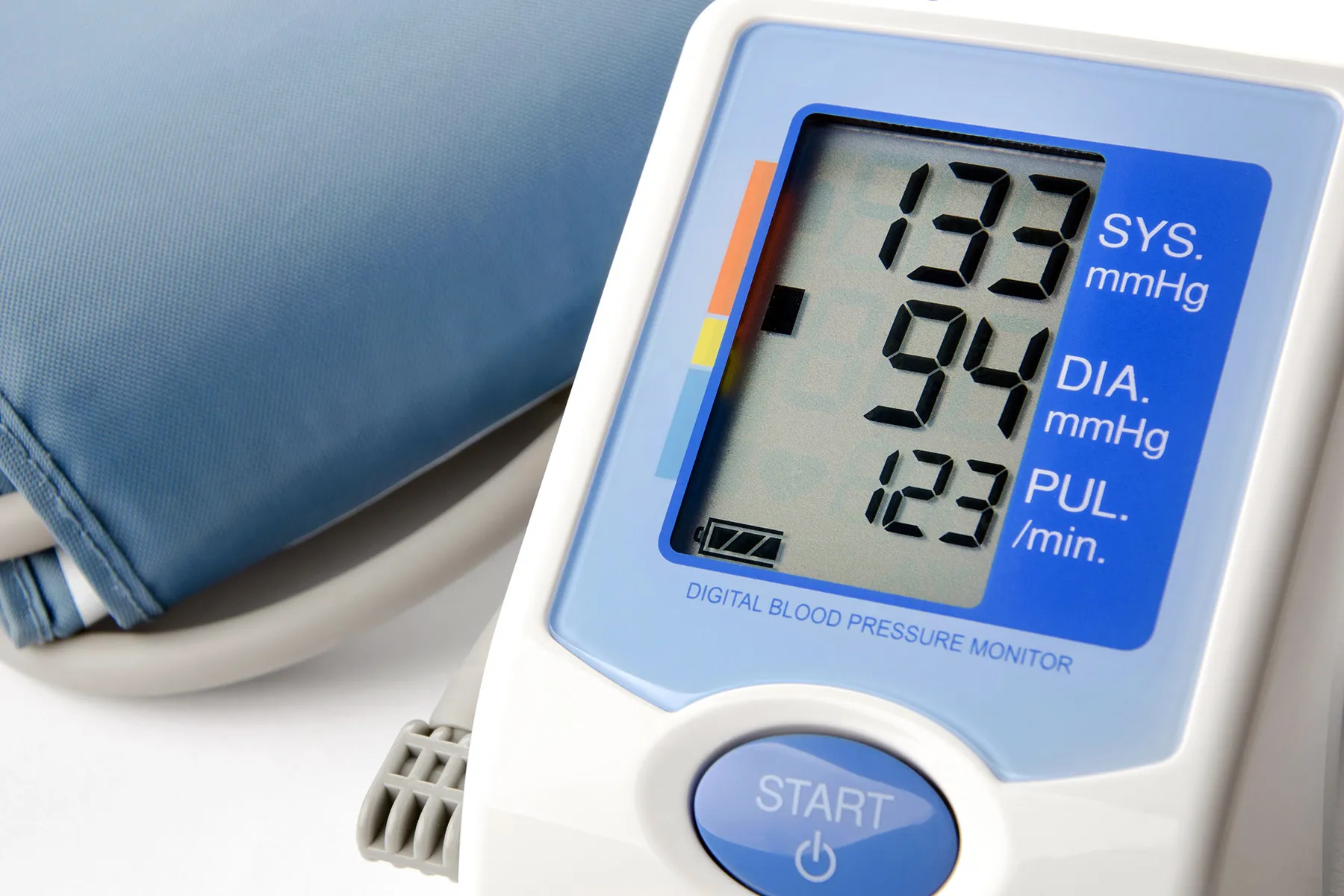
- High blood pressure that becomes increasingly difficult to control
These symptoms can have many causes. They should be evaluated rather than used as a do-it-yourself diagnostic quiz at two o’clock in the morning.
Warning Signs and Risk Factors for Progression
No single feature predicts the future perfectly, but nephrologists look at several factors together to estimate the risk of progression.
Persistent protein in the urine
Proteinuria is measured with tests such as the urine albumin-to-creatinine ratio or urine protein-to-creatinine ratio. Higher and sustained protein levels generally indicate greater long-term risk. Even modest proteinuria may deserve attention when it persists.
High blood pressure
Hypertension damages kidney blood vessels, while damaged kidneys can make blood pressure rise. This creates an unhelpful feedback loop: the medical equivalent of two people holding the door shut from opposite sides while both insist they are helping.
Reduced or rapidly falling eGFR
A low eGFR at diagnosis or a consistent downward trend suggests that substantial kidney damage has already occurred. One abnormal result may reflect dehydration, illness, medication effects, or laboratory variation, so doctors usually focus on trends rather than one isolated number.
Biopsy findings
A kidney biopsy can reveal active inflammation, segmental scarring, tubular atrophy, interstitial fibrosis, and crescent formation. The Oxford classification is often used to describe these changes. Biopsy findings help inform prognosis, but they must be interpreted alongside proteinuria, eGFR, blood pressure, age, and treatment response.
Other health and lifestyle factors
Diabetes, obesity, smoking, cardiovascular disease, repeated acute kidney injury, excessive sodium intake, and exposure to kidney-harming medications may add further stress. Genetics and ancestry can also influence susceptibility, although inherited risk does not mean progression is inevitable.
How IgA Nephropathy Is Diagnosed and Monitored
Blood or protein in the urine may be discovered during a routine physical, employment screening, pregnancy evaluation, or investigation of high blood pressure. Some people notice tea-colored or cola-colored urine during or shortly after a respiratory infection.
Evaluation may include:
- Urinalysis to detect blood, protein, and abnormal sediment
- Urine albumin or total protein measurements
- Serum creatinine and eGFR testing
- Blood pressure measurements
- Blood tests for immune disorders, infections, and other causes of glomerulonephritis
- Kidney imaging to assess kidney size and rule out structural problems
A kidney biopsy is generally required to confirm primary IgA nephropathy. During the procedure, a small sample of kidney tissue is examined under a microscope and tested for IgA deposits. Blood tests cannot reliably confirm the disease because a normal or elevated blood IgA level does not prove that IgA is accumulating in the kidneys.
After diagnosis, monitoring typically includes eGFR, urine protein, blood pressure, potassium, medication side effects, and symptoms. The frequency depends on disease activity and progression risk.
Treating IgA Nephropathy Before ESRD Develops
IgA nephropathy has no universal cure, but modern treatment can reduce proteinuria, control inflammation, slow kidney function loss, and delay or prevent kidney failure. Treatment is personalized because a low-risk patient with stable laboratory results should not receive the same plan as someone whose eGFR is declining rapidly.
Supportive kidney-protective therapy
Supportive care remains the foundation of treatment. Angiotensin-converting enzyme inhibitors and angiotensin receptor blockers can lower blood pressure, reduce proteinuria, and decrease pressure inside the glomeruli. These medicines may be beneficial even when a patient does not have dramatically elevated blood pressure.
Sodium reduction can improve blood pressure control and reduce fluid retention. A dietitian familiar with kidney disease can help create an eating plan that is realistic rather than one that turns every meal into a sad encounter with an unsalted rice cake.
Eligible patients may also receive an SGLT2 inhibitor, a medication class that can slow chronic kidney disease progression and provide cardiovascular protection. Kidney function, hydration, infection risk, and other medical conditions must be considered before treatment.
Disease-specific medications
For selected adults at risk of progression, targeted-release budesonide may reduce disease activity associated with abnormal IgA production in the intestinal immune system. Sparsentan provides combined endothelin and angiotensin receptor blockade and is used to slow kidney function decline in eligible adults.
Additional therapies approved in the United States by 2026 include treatments that target endothelin signaling, complement activity, or immune pathways involved in abnormal IgA formation. Examples include atrasentan, iptacopan, and sibeprenlimab. These medicines have different indications, monitoring requirements, side effects, pregnancy precautions, and insurance limitations.
Systemic corticosteroids or other immunosuppressive medicines may be considered in particular high-risk situations, but they can increase the risk of infection, diabetes, weight gain, bone loss, mood changes, and other complications. More medication is not automatically better medication.
Everyday kidney protection
- Take blood pressure and kidney medications consistently.
- Avoid smoking and work toward a sustainable body weight.
- Limit sodium and highly processed foods.
- Ask before using ibuprofen, naproxen, herbal products, or supplements.
- Stay physically active within medical limits.
- Discuss vaccines and infection prevention with the care team.
- Keep laboratory and nephrology appointments even when feeling well.
Preparing for Dialysis or Kidney Transplantation
When kidney function continues to decline despite treatment, planning should begin before an emergency develops. Early education gives patients time to compare options, involve family members, arrange work and transportation, and make decisions without a hospital monitor beeping in the background.
Hemodialysis
Hemodialysis circulates blood through a filter that removes wastes and extra fluid. It may be performed in a dialysis center or, for selected patients, at home. A surgically created arteriovenous fistula is usually the preferred long-term access because it tends to last longer and have fewer infections than a central venous catheter.
Peritoneal dialysis
Peritoneal dialysis uses the lining of the abdomen as a natural filter. Dialysis fluid enters through a catheter, remains in the abdomen for a prescribed period, and is then drained. Treatments can often be performed at home, including overnight with an automated machine.
Kidney transplantation
A kidney transplant can provide better survival, greater freedom, and improved quality of life for many eligible people. Evaluation may begin before dialysis is required, and a living-donor transplant can sometimes be scheduled preemptively.
IgA nephropathy can recur in a transplanted kidney because transplantation replaces the damaged organ but does not completely remove the immune tendency that caused the disease. Recurrence does not occur in everyone, and it does not always cause graft failure. Transplantation remains an important and highly effective treatment option for people with IgA-related kidney failure.
Conservative kidney management
Some people with serious medical conditions, frailty, or personal reasons may choose comprehensive conservative care instead of dialysis. This approach focuses on symptom relief, blood pressure management, anemia treatment, nutrition, emotional support, and quality of life. It is an active care plan, not abandonment of care.
Living With IgA Nephropathy: Composite Patient Experiences
The following section reflects common themes reported by patients and families. It is a composite account rather than the story of one specific individual.
For many people, the IgA nephropathy journey begins with confusion. There may be no pain and no dramatic warning. A routine urine test shows blood or protein, another test is abnormal, and suddenly a person who felt reasonably healthy has appointments with a nephrologist and a kidney biopsy on the calendar.
The period before diagnosis can feel especially unsettling. Patients often describe searching online, encountering the words “kidney failure,” and mentally skipping straight from one abnormal urine test to a dialysis chair. Learning that IgA nephropathy has a broad range of outcomes can reduce some of that fear. A diagnosis means monitoring and action are needed; it does not mean dialysis is inevitable.
Daily life frequently becomes organized around numbers. Blood pressure readings, eGFR results, urine protein measurements, potassium levels, and medication doses begin competing for attention. Some patients keep spreadsheets. Others use phone apps or notebooks. A few remember everything without writing it down, but the rest of humanity should probably take notes.
Food can become emotionally complicated. Advice such as “eat a kidney-friendly diet” sounds simple until potassium, phosphorus, sodium, protein, diabetes, cultural foods, family meals, and grocery costs all enter the conversation. Patients often find that working with a renal dietitian is less restrictive and more useful than following generic food lists from social media. Dietary needs also change as kidney function changes, so a food avoided today may not have been a problem two years earlier.
Fatigue is another common challenge. It may come from inflammation, anemia, medication effects, poor sleep, advanced kidney disease, or the mental burden of chronic illness. Because fatigue is invisible, friends or coworkers may underestimate it. Patients often benefit from describing the practical impact: needing recovery time after errands, struggling with concentration, or requiring a flexible work schedule.
When kidney function declines significantly, conversations about dialysis access and transplantation can make the disease feel more real. Planning a fistula or peritoneal dialysis catheter may initially seem like surrender. In practice, early planning is a safety measure. It reduces the chance of starting dialysis urgently through a temporary catheter and gives patients more control over the treatment setting.
Transplant discussions may bring hope and discomfort at the same time. Patients can feel grateful when relatives or friends offer to be tested while also worrying about placing a healthy donor at risk. Transplant teams evaluate donors independently and protect their right to withdraw. Accepting an evaluation is not the same as demanding an organ.
Emotional health deserves the same attention as creatinine. Fear, grief, irritability, depression, and uncertainty are understandable responses to progressive kidney disease. Peer groups, kidney organizations, counselors, social workers, and other patients can provide a kind of practical understanding that even the most supportive family may not possess.
The strongest theme in many patient accounts is adaptation. People continue working, parenting, traveling, exercising, building relationships, and making plans while managing IgA nephropathy or dialysis. The routine changes, sometimes dramatically, but life does not end at a laboratory threshold. Good care combines medical treatment with education, preparation, emotional support, and enough flexibility to let the patient remain a person rather than becoming a full-time kidney project.
Conclusion
IgA nephropathy can progress from microscopic kidney inflammation to chronic kidney disease and, in some cases, end-stage renal disease. Persistent proteinuria, high blood pressure, declining eGFR, and significant biopsy scarring are among the most important warning signs.
Early diagnosis and consistent follow-up create opportunities to protect kidney function. Blood pressure treatment, proteinuria reduction, lifestyle changes, SGLT2 inhibitors, and newer disease-specific therapies may substantially alter the course of the disease for eligible patients. When kidney failure cannot be prevented, planned dialysis, transplantation, or conservative kidney management can provide structured paths forward.
The most useful question is not simply, “Will IgA nephropathy cause kidney failure?” It is, “What does my current risk look like, and what can we do about it now?” That question leads to monitoring, shared decisions, and a plan grounded in the individual rather than a population statistic.
Disease mechanisms, symptoms, diagnostic principles, and progression estimates were synthesized from NIDDK, the National Kidney Foundation, Mayo Clinic, Cleveland Clinic, Johns Hopkins Medicine, MedlinePlus, Merck Manual, AAKP, NephCure, and KDIGO clinical guidance.
Kidney-failure definitions, CKD symptoms, and kidney replacement options were based on NIDDK, MedlinePlus, the National Kidney Foundation, and Johns Hopkins Medicine.
Treatment information reflects the 2025 KDIGO guideline, current National Kidney Foundation guidance, and FDA prescribing or approval information available through July 2026.
Transplant recurrence information was informed by peer-reviewed reviews and meta-analyses indexed by PubMed.
The composite experience section reflects recurring themes in patient education and narratives published by the National Kidney Foundation, AAKP, NephCure, and Cleveland Clinic.