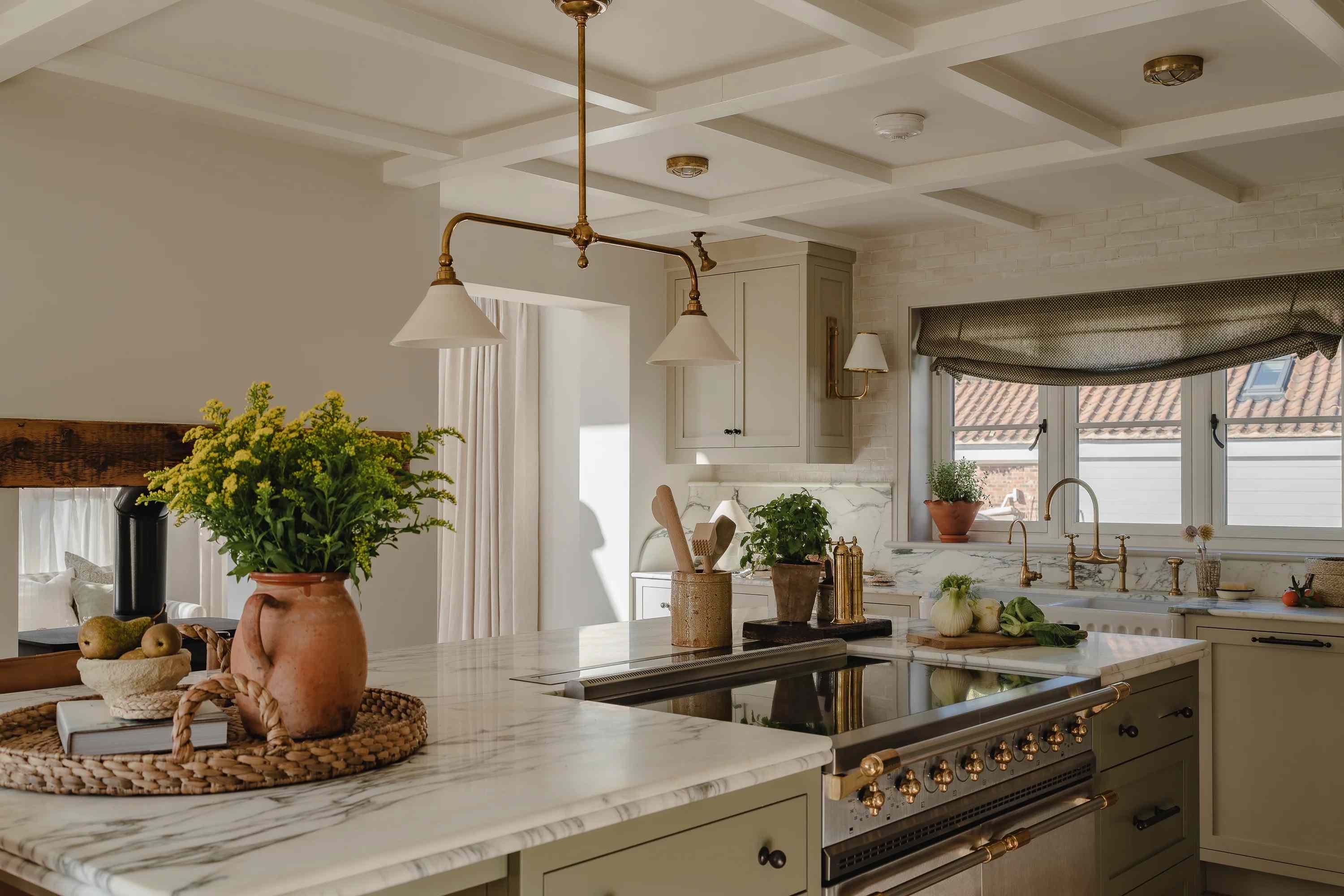
Every design trend swears it is brand new. Then you look closer and realize it is wearing an old outfit with better shoes. That is exactly what is happening in kitchens right now. The early 2000s look designers increasingly say is returning for 2026 is the Tuscan kitchen, but not the version many homeowners remember with faux finishes, heavy ornament, and enough scrollwork to make a vineyard gate blush. This comeback is more refined, more relaxed, and far more believable.
In its updated form, the Tuscan kitchen is less “themed makeover from a cable show marathon” and more “timeless room that happens to feel warm, soulful, and deeply inviting.” Designers are pulling forward the best parts of the old look: earthy colors, natural materials, patina, and a lived-in sense of comfort. At the same time, they are leaving behind the overdone parts that made the early-2000s version feel staged and dated.
That shift matters because kitchens in 2026 are being asked to do a lot. They need to be functional, beautiful, uncluttered, family-friendly, guest-friendly, and camera-ready without looking like they were built exclusively for social media. In other words, homeowners still want style, but they also want a room with a pulse. And that is exactly why the updated Tuscan kitchen is suddenly making sense again.
The Trend Making a Comeback: Tuscan Kitchens, Reimagined
Let’s call it what it is: the warm, Old World, early-2000s Tuscan-inspired kitchen is back on the radar. The surprise is not that it is returning. Design is a boomerang and always has been. The surprise is how it is returning.
The 2026 version is lighter on visual noise and heavier on authenticity. Instead of faux-distressed cabinets, designers are leaning into real wood, real stone, softer finishes, handmade-looking tile, earthy neutrals, and details that age gracefully. It still feels warm and welcoming, but it no longer looks like it came bundled with a decorative grapevine border and a rooster cookie jar.
That modern approach also overlaps with broader kitchen trends already gaining momentum: warm wood cabinetry, creamy and mushroom-toned paint, natural stone with visible movement, matte or honed finishes, integrated storage, and rooms that feel collected rather than overly polished. So while “Tuscan kitchen” may sound like a blast from the past, the ingredients behind it are already showing up everywhere.
Why Designers Think This Style Is Returning in 2026
1. People are tired of cold, over-edited kitchens
For years, the dominant kitchen dream was bright, white, sleek, and minimal. That look is still popular in some homes, but many homeowners are moving away from spaces that feel sterile or overly sharp. Warmer woods, earthier colors, and natural textures feel more comforting. They also feel easier to live with day after day, especially in open-plan homes where the kitchen is constantly on display.
That is one major reason the updated Tuscan kitchen feels relevant again. It answers the current desire for warmth without sacrificing style. It is not about making a kitchen darker or heavier. It is about making it feel grounded.
2. Nostalgia is driving design choices
Designers have noticed that younger homeowners are revisiting the aesthetics they grew up with, but with better taste and better references. The emotional pull makes sense. A lot of early-2000s kitchens, for all their excess, did feel cozy. They felt like places where dinner took too long in the best possible way, where somebody was always leaning on the island, and where the lighting made everyone look like they had just returned from a Mediterranean vacation.
In 2026, that nostalgia is being filtered through a more sophisticated lens. Homeowners want the warmth they remember, but not the visual clutter. They want comfort, not caricature.
3. Real materials are winning again
The modern Tuscan comeback fits neatly into the larger return of materials that look better with age. Think marble, soapstone, limestone-inspired surfaces, unlacquered or living finishes, warm woods, handmade tile, brick, plaster, and textured stone. These materials add depth without screaming for attention. They do not beg to be flawless. They actually get more interesting once life happens to them.
That attitude is the opposite of the hyper-manufactured kitchen look that dominated for years. In the 2026 mindset, perfection is a little suspicious. A room with variation, texture, and patina feels richer and more human.
4. Kitchens now need to feel calm, not chaotic
Another reason this style works now is that it can be paired with newer planning ideas. Designers are hiding more of the mess: small appliances, coffee setups, bulky storage, outlets, and everyday clutter. In some homes, that means a scullery, prep kitchen, or butler’s pantry. In others, it simply means smarter cabinetry and better zones.
That combination is powerful. You get the layered warmth of an Old World-inspired kitchen, but with the streamlined function of a modern one. The room can look soulful without behaving like a museum piece.
What the 2026 Version of a Tuscan Kitchen Actually Looks Like
Warm wood cabinetry
If you want the fastest clue that this trend is returning, look at cabinetry. Warmer wood tones are gaining ground again, especially walnut, white oak, honeyed oak, and medium-toned stained woods. In a Tuscan-inspired kitchen, these finishes add the visual warmth that painted cabinets sometimes miss.
The updated rule is simple: choose woods that feel natural and substantial, not orange and shiny. Flat or softly detailed fronts, visible grain, and matte finishes help the look feel current. The goal is warmth with restraint.
Natural stone with movement
The new Tuscan kitchen also loves stone, but it is pickier about it. Rather than leaning on busy, builder-grade granite or faux surfaces trying too hard to imitate luxury, designers are favoring materials with believable variation and a softer, earthier presence. Quartzite, marble, soapstone, limestone-look slabs, and warmer-toned counters all fit the mood.
Honed and leathered finishes are especially important here. They help a kitchen feel aged-in and tactile instead of glossy and slippery. If polished stone is a cocktail dress, honed stone is the linen blazer that somehow makes everything look expensive without trying.
Earthy colors that do not feel muddy
The palette is one of the clearest differences between the old version and the new one. Early-2000s Tuscan kitchens often leaned hard into deep golds, rusty browns, and heavy reds. In 2026, the palette is softer and more nuanced: mushroom, putty, clay, warm beige, olive, sage, muted brown, creamy off-white, and dusty green.
These shades still create warmth, but they do it with more subtlety. They leave room for materials to speak. They also pair beautifully with wood, brass, nickel, stone, and handcrafted tile, which is one reason they are gaining so much traction.
Handmade texture
If the early-2000s version was guilty of overdecorating, the 2026 version solves that with texture instead of excess. That means zellige-style tile, hand-painted tile, limewash-like finishes, plaster range hoods, wood beams, old brick, pottery, woven shades, linen, and vintage or vintage-inspired lighting.
Texture makes a kitchen feel layered and storied. It adds character without forcing every element to become a statement piece. And in a room filled with hard surfaces, that softness matters.
Furniture-like details and concealed function
One of the smartest updates is the move toward cabinetry and storage that feel more like furniture. Appliance garages, panel-ready appliances, scullery spaces, coffee stations, and built-ins help keep the room visually calm. This is where the modern Tuscan kitchen quietly flexes. It can look romantic, but it is not impractical.
That is a big reason designers see longevity in the trend. Homeowners still want personality, but they are also asking for kitchens that function better under real-life pressure. A beautiful room is nice. A beautiful room that can hide the air fryer is even nicer.
How to Get the Look Without Making Your Kitchen Feel Stuck in 2004
The line between “beautifully revived” and “why is there faux sponge paint?” is thinner than anyone wants to admit. If you want this kitchen trend to feel timeless in 2026, a little editing goes a long way.
What to include
- Warm wood cabinets or wood accents with a natural matte finish
- Stone counters or backsplashes with subtle movement and warmth
- Muted earth tones like mushroom, clay, olive, taupe, and cream
- Handmade-looking tile, plaster details, or tactile wall finishes
- Mixed old-and-new lighting, hardware, and furnishings
- Concealed storage and thoughtful work zones
- Vintage accessories, pottery, and collected decor used sparingly
What to skip
- Fake distressing and overly glazed cabinet finishes
- Busy brown-and-gold granite that dominates the whole room
- Too much wrought iron, scrollwork, or faux-antique ornament
- Mass-produced tile that looks generic instead of handmade
- Color palettes that are so dark the kitchen feels cave-like
- Decor that looks themed instead of lived-in
The easiest way to modernize the look is to keep the architecture and material palette honest. Let the warmth come from the finishes, not from decorative overkill. That is the big 2026 lesson.
Easy Ways to Try the Trend in a Real Home
You do not need a full demolition budget and a villa in the Italian countryside to try this look. Small updates can move a kitchen in the right direction surprisingly fast.
If you are repainting
Choose a warmer neutral instead of a cool white or gray. Mushroom, putty, creamy beige, clay-adjacent taupe, or muted olive can instantly soften the room.
If you are changing hardware
Pick pieces with a quieter profile and a timeless finish. Unlacquered brass, aged brass, polished nickel, or classic chrome can all work depending on the mood you want.
If you are swapping surfaces
Consider a warm stone, honed finish, or butcher-block accent on an island. That combination gives the kitchen dimension and helps it feel less flat.
If you are styling shelves and counters
Use restraint. A few cutting boards, a ceramic bowl, olivewood utensils, a vintage crock, or a linen towel can do more than a dozen “Tuscan” accessories bought in one weekend. The best rooms feel gathered, not merchandised.
Why This Comeback Will Have Staying Power
Some returning trends are fun but obviously temporary. This one has better odds. That is because the comeback is not really about a gimmick. It is about a broader shift in how people want kitchens to feel: warmer, calmer, more natural, more personal, and less like a laboratory with pendant lights.
The updated Tuscan kitchen works because it lines up with several stronger long-term movements at once. Wood is back. Natural stone is back. Handmade texture is back. Warm neutrals are back. Hidden function is growing. Collected interiors are winning over copy-and-paste minimalism. Put all of that together, and the return of this early-2000s kitchen trend does not feel random at all. It feels inevitable.
And honestly, that might be the biggest twist. A style once mocked for being overdone is returning not because people forgot the bad version, but because they finally figured out the good one.
Experience and Everyday Living: Why This Kitchen Style Feels So Good in Real Life
There is also something worth saying about the experience of this kind of kitchen, because trends are not just visual. They shape how a room feels on a Tuesday night when someone is reheating pasta, packing lunches, answering a text, and pretending they are definitely going to wipe down the counters before bed. A warm, Tuscan-inspired kitchen works because it supports those ordinary moments better than a colder, more formal room often does.
When a kitchen has wood grain, soft stone, muted color, and a little texture, it tends to feel forgiving. It does not panic when someone leaves a loaf of bread on the counter or when the fruit bowl is slightly chaotic. It still looks good with life happening inside it. That is a bigger luxury than people sometimes realize. The most successful kitchens are not the ones that look untouched. They are the ones that look better once the room is actually being used.
This style also changes how people gather. Rooms with warmer materials usually feel more conversational. Guests lean in. Kids hover nearby. Somebody takes the good stool at the island and never leaves. Even the sound of the room can feel softer when there is wood, plaster, linen, and stone helping absorb some of the hard edges. It is subtle, but it matters. A kitchen should not just impress people for thirty seconds. It should make them want to stay.
There is a memory factor too. Many people connect this look, or at least parts of it, with kitchens from childhood homes, family friends’ houses, or vacation rentals where the meals somehow tasted better and nobody was in a rush. The 2026 version updates that memory without stripping it of emotion. It lets homeowners keep the coziness while improving the flow, storage, and light. That balance is probably why the trend feels more meaningful than a simple visual revival.
In practical terms, this kind of kitchen can also age well with the household. A room built around warm neutrals and natural materials is easier to refresh over time. Swap hardware, change lighting, paint an island, bring in a different runner, add vintage stools, or edit the shelf styling, and the room evolves without needing to be reinvented every three years. That flexibility is a huge advantage in a space that gets as much wear as a kitchen.
And perhaps that is the real reason designers are warming to the return of this early-2000s kitchen trend. The best version was never about pretending you lived in a Tuscan farmhouse. It was about creating a kitchen that felt generous, welcoming, and alive. In 2026, those qualities sound less like a throwback and more like exactly what people want. Not a perfect kitchen. Not a trendy kitchen. A kitchen with depth, beauty, usefulness, and enough warmth to make everyday life look a little better under the pendant lights.