Helping your community does not always require a cape, a megaphone, or the ability to organize 400 people through a group chat. Sometimes it looks like sorting canned goods for two hours, walking a neighbor’s dog, tutoring a student, cleaning litter from a park, or showing an older adult how to unmute themselves on a video call.
Community service matters because local problems are rarely solved by one giant heroic gesture. They are solved by lots of ordinary people doing useful things consistently. A neighborhood becomes safer when people know one another. A food pantry runs more smoothly when volunteers pack boxes. A child feels more confident when someone shows up every Tuesday to help with reading. Small actions may not trend online, but they can change someone’s week, month, or future.
This guide covers practical ways to help your community, where to find volunteer opportunities, how to choose a role that fits your schedule, and how to turn good intentions into meaningful, long-term impact.
What Does Helping Your Community Really Mean?
Helping your community means contributing your time, skills, resources, attention, or voice to improve life for people around you. It can involve formal volunteer work with a nonprofit organization, but it can also be informal: checking on a neighbor after a storm, sharing useful information, donating school supplies, or supporting a local cleanup effort.
The best community service is not about looking impressive. It is about being useful. That may sound less glamorous than posing next to a giant cardboard donation check, but usefulness is where the real magic happens.
A strong community usually has people supporting food access, housing, education, health, public spaces, local businesses, animals, older adults, youth programs, and emergency preparedness. You do not need to solve every problem. Pick one area that matters to you and start there.
How to Choose the Right Volunteer Opportunity
Before signing up for the first volunteer opportunity you see, take a quick inventory of what you can realistically offer. The “realistically” part matters. Signing up for a weekly 6 a.m. shift when you struggle to locate your socks before 8 a.m. is not a long-term strategy.
Consider Your Time
Some volunteer roles require a regular commitment, such as mentoring a student every week or delivering meals once a month. Others are one-time opportunities, such as helping at a food drive, planting trees, organizing a fundraiser, or cleaning a local park.
Even one hour can be valuable. Many organizations need help with short shifts, event setup, phone calls, digital tasks, transportation, donation sorting, or administrative support.
Use the Skills You Already Have
Your existing skills may be more useful than you think. A designer can create flyers. A photographer can document an event. A bilingual volunteer can translate materials. A web developer can help a nonprofit improve its website. A person who understands spreadsheets can become an unexpected local legend.
Skills-based volunteering is especially helpful for smaller organizations that may not have staff members dedicated to marketing, technology, finance, grant writing, or social media.
Choose a Cause You Actually Care About
You are more likely to stay involved when the mission means something to you. Animal lovers may thrive at shelters. Nature fans may enjoy trail maintenance or community gardening. People who enjoy teaching may prefer tutoring, literacy programs, or career mentoring. Anyone who likes organized chaos may feel right at home helping with event logistics.
15 Meaningful Ways to Help Your Community
1. Volunteer at a Food Bank or Food Pantry
Food banks and pantries often need volunteers to sort donations, pack grocery boxes, prepare meals, distribute food, assist shoppers, or make deliveries. This is one of the most direct ways to help neighbors facing food insecurity.
Many food programs have opportunities for individuals, families, school groups, and workplace teams. During busy seasons, volunteer slots may fill quickly, so it is smart to contact local organizations early. Feeding America highlights roles such as food sorting, meal preparation, shopping assistance, and home delivery support.
2. Support Older Adults
Older adults may need help with transportation, meal delivery, technology, social connection, home repairs, or navigating local services. A friendly conversation can be just as valuable as a practical task, especially for someone who spends long periods alone.
Programs such as Meals on Wheels often rely on volunteers to deliver meals, check in with homebound residents, prepare food, and assist with special events. You can also volunteer through senior centers, libraries, hospitals, and local aging organizations.
3. Tutor or Mentor Young People
Helping a child read, practice math, prepare for college, or explore career options can have a lasting impact. Schools, after-school programs, libraries, youth centers, and nonprofit groups often need tutors, mentors, club leaders, and event volunteers.
You do not need to be a professional teacher to make a difference. Showing up consistently, listening carefully, and encouraging a student can be powerful. A little patience goes a long way, especially when fractions decide to become personal enemies.
4. Join a Community Cleanup
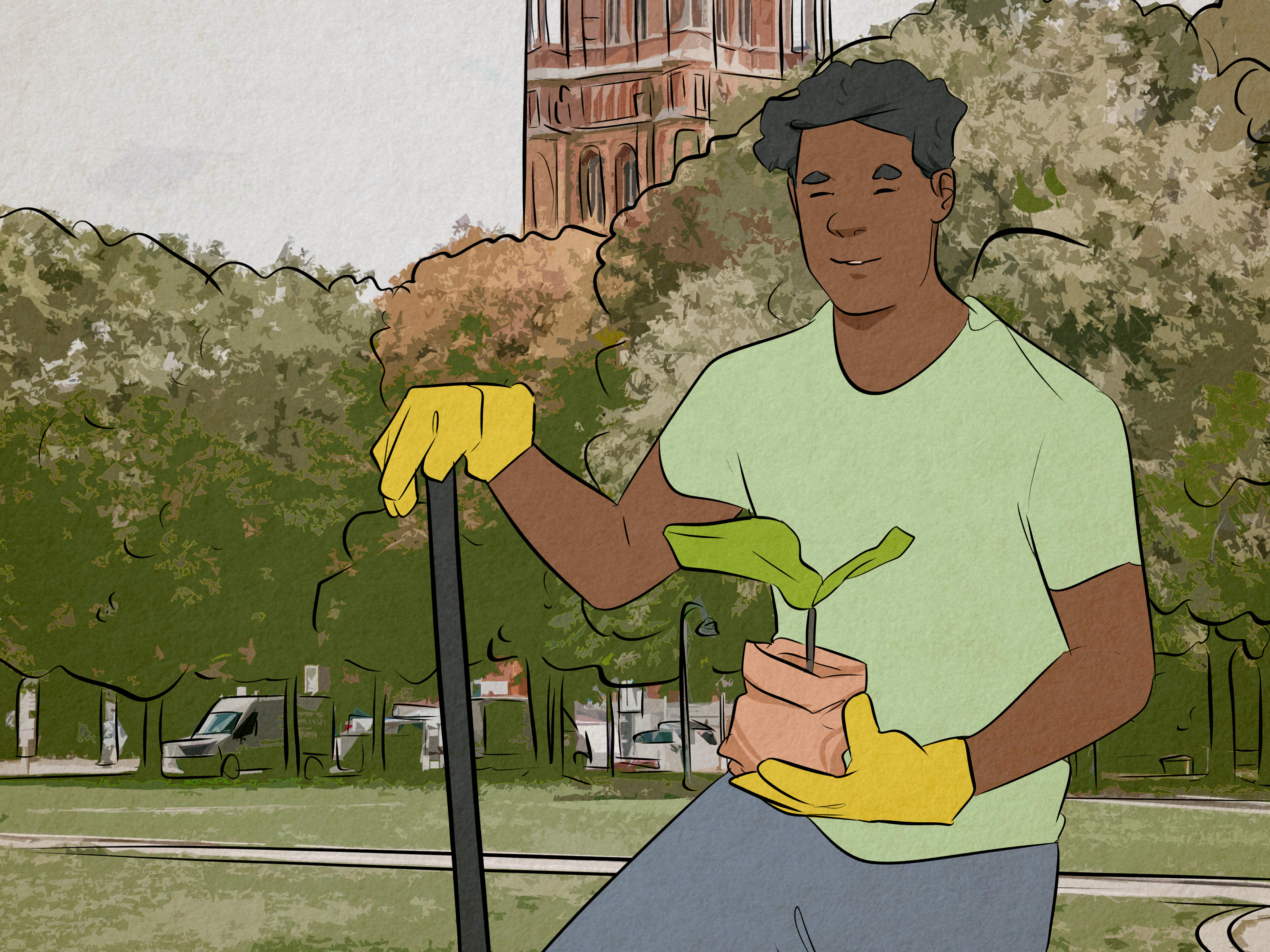
Park cleanups, river cleanups, neighborhood beautification events, and recycling drives are simple ways to improve public spaces. Gather a few friends, bring gloves and trash bags, and choose a block, trail, beach, or community area that needs attention.
Environmental volunteer work can also include planting trees, maintaining community gardens, restoring habitats, supporting wildlife programs, or participating in citizen science projects. National Park Service volunteer opportunities range from one-day service events to ongoing roles across the country.
5. Help at an Animal Shelter or Rescue
Animal shelters often need volunteers to walk dogs, socialize cats, clean spaces, photograph adoptable pets, assist at adoption events, transport supplies, and foster animals. Even people who cannot adopt can still make a major difference in an animal’s quality of life.
Ask about age requirements, training, and volunteer schedules before applying. Some roles involve direct animal care, while others focus on fundraising, administrative support, or community outreach.
6. Support Affordable Housing and Home Repair Projects
Housing-related volunteer work can include painting, landscaping, repairing homes, organizing donated materials, helping at a nonprofit thrift store, or supporting neighborhood revitalization projects. Habitat for Humanity offers local opportunities related to home building, repairs, and ReStore operations.
Do not worry if you have never held a hammer. Plenty of volunteer roles do not require construction experience. You may learn a useful skill, meet interesting people, and discover that measuring twice is not merely a suggestion.
7. Volunteer at a Library
Libraries are community hubs, not just quiet buildings where people glare at you for opening a chip bag too loudly. They may need help with book sales, literacy events, technology classes, children’s programs, community workshops, tutoring, and local history projects.
Libraries can be especially good places for students, retirees, and people who enjoy education, culture, and helping others access information.
8. Help With Disaster Preparedness and Emergency Response
Disasters can create urgent needs for shelter support, supply distribution, communications, blood services, and family assistance. The best time to prepare to volunteer is before an emergency happens, not while everyone is searching for flashlights and arguing over bottled water.
The American Red Cross offers volunteer roles involving disaster response, blood services, support for military families, administrative tasks, and community preparedness education. Always volunteer through established organizations during emergencies so your efforts support, rather than complicate, the response.
9. Offer Your Professional Skills
Nonprofits often need help with graphic design, accounting, legal research, website updates, photography, writing, translation, data analysis, fundraising, and strategy. A few hours of professional support can save an organization money and improve its ability to serve people.
Platforms such as Catchafire connect volunteers with nonprofit projects that use professional skills, including short consultations, virtual projects, and longer-term assignments.
10. Build a Community Garden
Community gardens can bring neighbors together, create greener public spaces, and provide fresh produce. You can help maintain an existing garden, donate seeds and tools, teach basic gardening skills, or organize a planting day.
Gardens also create natural opportunities for children, older adults, renters, homeowners, and longtime residents to work side by side. Nothing breaks the ice quite like collectively trying to figure out why the zucchini has taken over half the planet.
11. Support Local Schools and Youth Programs
Schools may need volunteers for reading programs, career days, athletic events, field trips, science fairs, parent organizations, after-school clubs, and classroom support. Youth organizations may also welcome help with arts, sports, leadership programs, and college readiness.
For teenagers looking to complete community service hours, local schools, libraries, food banks, parks, and community centers are often strong places to start. DoSomething also lists youth-friendly ideas ranging from volunteering at libraries to helping with community events and animal shelters.
12. Assist Neighbors Through Mutual Aid
Mutual aid is neighbors helping neighbors directly. This can include delivering groceries, sharing rides, collecting school supplies, helping someone move, translating documents, checking on people during extreme weather, or connecting families to local resources.
Keep it respectful and practical. Ask what people need instead of assuming. Sometimes the most helpful contribution is not a giant project; it is a ride to an appointment, a bag of groceries, or a reliable person who follows through.
13. Donate Thoughtfully, Not Randomly
Donations can help, but only when they match actual needs. Before dropping off items, contact the organization and ask what is useful. Food pantries may need shelf-stable food or hygiene products. Shelters may need socks, underwear, toiletries, or specific supplies. Schools may need backpacks, notebooks, or classroom materials.
Unrequested donations can create extra work for staff and volunteers. The goal is to help, not to accidentally donate three boxes of mystery cables from 2009.
14. Attend Local Meetings and Listen
Helping your community also means paying attention to what is happening in it. Attend town meetings, school board meetings, neighborhood gatherings, public forums, and local events. Learn which issues affect residents and where help is needed.
Listening is a form of civic participation. You may discover volunteer opportunities, local projects, or community concerns that never appear in a social media feed.
15. Volunteer Virtually
Virtual volunteering can be a great option for people with busy schedules, mobility limitations, caregiving responsibilities, or remote work routines. You may be able to help with writing, mentoring, online tutoring, research, social media, phone outreach, translation, or digital design.
Points of Light and other volunteer networks offer opportunities that can be filtered by cause, location, interest, and availability, including options for remote service.
Where to Find Volunteer Opportunities Near You
Finding volunteer opportunities is easier when you search locally and specifically. Start with your city, county, neighborhood, or ZIP code, followed by words such as “volunteer,” “community service,” “food pantry,” “animal shelter,” “library,” “mentor,” or “cleanup.”
Useful places to look include local nonprofits, schools, hospitals, libraries, faith communities, parks departments, animal rescues, senior centers, United Way offices, and volunteer centers. United Way encourages people to connect with local organizations and explore community-led volunteer opportunities.
For national and public-land opportunities, AmeriCorps and Volunteer.gov provide listings for people who want to serve in their communities or support public agencies.
Questions to Ask Before You Sign Up
- What specific tasks will I be doing?
- How much time is required?
- Is training provided?
- Are there age, health, transportation, or background-check requirements?
- What should I bring or wear?
- Who should I contact if I cannot attend a scheduled shift?
- How does this role support the organization’s larger mission?
A good organization will answer these questions clearly. Volunteer work should feel organized, respectful, and safe. You are giving your time, not joining a scavenger hunt with unclear instructions and no bathroom plan.
How to Make Your Volunteer Work More Meaningful
Showing up once is valuable. Showing up consistently can be even more powerful. Reliability helps organizations plan, helps staff trust volunteers, and helps the people being served feel supported.
Start small and build a routine. Volunteer once a month, donate supplies every school season, mentor a student weekly, or organize a quarterly cleanup. A sustainable commitment is better than an ambitious promise that disappears faster than a New Year’s gym membership.
Also, stay open to learning. Communities are full of people with different experiences, cultures, needs, and priorities. Listen to staff members, longtime volunteers, and the people receiving services. The people closest to a problem often understand the best solutions.
Volunteer Experiences: What Helping Your Community Can Feel Like
The first time many people volunteer, they expect a dramatic moment. They imagine applause, emotional music, perhaps a perfectly timed sunset. In reality, the first shift may involve folding boxes, labeling canned goods, wiping tables, or trying to figure out where the extra rolls of tape disappeared. This is normal. Community work is often practical before it becomes memorable.
Take the experience of volunteering at a food pantry. At first, the work may seem repetitive: sort vegetables, pack bags, move boxes, greet families, repeat. Then you notice how carefully a volunteer asks someone whether they need help carrying groceries. You see a parent relax when there is enough food for the week. You learn that a warm greeting can matter just as much as the bag of rice. The work becomes less about supplies and more about dignity.
Mentoring can bring a different kind of experience. A student may barely speak during the first meeting. They may answer every question with “I don’t know,” which is a classic academic survival technique. Over time, they may begin asking for help, sharing ideas, or proudly showing you a better test score. The progress may be gradual, but gradual progress is still progress. Often, the most meaningful part is simply becoming a dependable adult in someone’s life.
Environmental volunteering can change how you see your own neighborhood. A park cleanup may reveal how much litter collects in places most people walk past without noticing. A tree-planting event may introduce you to neighbors who care deeply about shade, wildlife, drainage, and the future of the block. You start paying attention. You notice which public spaces need care and which local projects deserve support.
Volunteering with older adults can be especially eye-opening. Delivering a meal or helping someone learn to use a smartphone may take less than an hour, but the conversation may stay with you for days. You may hear stories about work, family, military service, childhood, local history, or life before everyone carried a tiny computer in their pocket. The exchange is not one-sided. You bring help, but you often receive perspective.
Skills-based volunteering can feel surprisingly personal, too. A nonprofit may ask for a simple website update, a new logo, a budget spreadsheet, or help writing a grant application. To you, the task may be part of your regular workday. To the organization, it may be the tool that helps them reach more donors, recruit volunteers, or keep a program running. Your expertise becomes part of someone else’s ability to serve the community.
The strongest volunteer experiences are rarely about being the hero of the story. They are about becoming part of a team. You meet people who care, learn how local systems work, discover needs you did not know existed, and realize that communities improve when ordinary people decide not to stay on the sidelines.
Conclusion: Start Small, Stay Consistent, and Be Useful
There are countless ways to help your community, whether you have one hour, one weekend, or a special skill to share. Volunteer at a food pantry, tutor a student, support older adults, clean a park, help an animal rescue, offer professional skills, or simply become a more reliable neighbor.
The perfect opportunity is not always the biggest or most dramatic one. It is the one you can do with care, consistency, and respect. Pick a cause, contact a local organization, and take one practical step. Communities do not need more people waiting for the perfect moment. They need more people willing to help now.
Note: Confirm current volunteer requirements, training, schedules, age limits, accessibility accommodations, and safety procedures directly with each organization before participating.