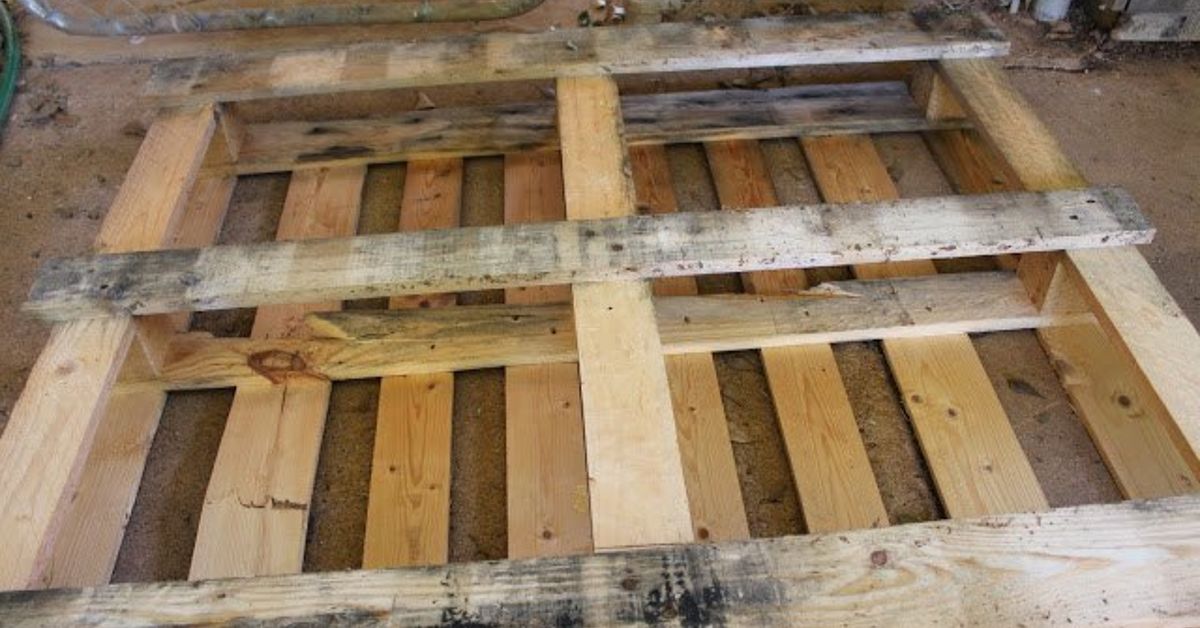
DIY pallet furniture has a rare superpower: it can make discarded shipping wood look intentional, stylish, and surprisingly expensive. A plain pallet can become a coffee table, patio sofa, garden bench, headboard, or rolling storage unit with basic tools and a patient relationship with sandpaper.
However, pallet furniture is not simply a matter of finding the nearest wooden rectangle and attaching four wheels. Pallets have working histories. Some carried clean boxes; others may have encountered chemicals, moisture, mold, or mystery puddles best left unidentified. Safe sourcing, careful preparation, sound construction, and the right finish determine whether your project becomes attractive furniture or unusually ambitious firewood.
This guide explains how to choose suitable pallets, dismantle them safely, build durable pieces, and protect the finished furniture indoors or outside.
Why Build Furniture from Wooden Pallets?
Pallets appeal to DIY builders because they combine low material costs with rustic character. Weathered boards, nail marks, knots, and color variations provide a reclaimed-wood appearance without requiring advanced decorative techniques.
Reusing suitable pallets can also keep usable lumber in circulation. Wooden pallets are commonly repaired and reused within shipping systems, so obtain permission before taking one from a store, warehouse, or loading area. Branded, painted, plastic, and rental-pool pallets usually remain company property even when they appear abandoned.
The main benefits of DIY pallet furniture include:
- Affordable or occasionally free building material
- Custom dimensions for awkward rooms, balconies, and patios
- A natural rustic, industrial, farmhouse, or bohemian appearance
- Opportunities to practice measuring, drilling, sanding, and finishing
- Flexible designs that can be repaired or modified later
The trade-off is labor. Pallet lumber is rarely straight, uniform, or eager to cooperate. Saving money on wood often means spending additional time removing nails, sorting boards, filling holes, and persuading warped pieces to behave.
How to Select Safe Pallets for Furniture
Read the Treatment Stamp
International shipping pallets frequently carry an IPPC mark with a country code, producer number, and treatment code. A pallet marked HT was heat-treated for pest control rather than fumigated with methyl bromide. Heat-treated wood is generally the preferred starting point for pallet projects.
Do not use a pallet marked MB. That code indicates methyl bromide fumigation. Methyl bromide is toxic, and sanding or cutting questionable treated wood is not a sensible experiment. Do not burn an MB-marked pallet or try to make it acceptable by covering it with paint.
Codes such as KD may indicate kiln drying, while DB refers to debarking. Neither code alone reveals everything that happened to a pallet during its working life.
Consider the Pallet’s History
An HT stamp describes the original pest treatment; it does not guarantee that the pallet remained clean afterward. Reject wood with oil patches, colored spills, strong odors, sticky residue, excessive dirt, mold, rot, or insect activity. If the source or previous cargo is unknown, choose another pallet.
Clean pallets from a known supplier, appliance retailer, furniture business, or trusted local manufacturer are better candidates than pallets found beside dumpsters or behind chemical, automotive, and industrial facilities.
Inspect Structural Condition
Look for straight boards, solid stringers, tight joints, and dry wood. Small nail holes and shallow surface cracks add character, but deep splits, soft areas, severe warping, and crumbling fibers weaken furniture. A musty odor can indicate prolonged moisture exposure even when visible mold is limited.
Pallets are made in different sizes, formats, species, and load capacities. Never assume that two pallets with similar coloring have matching dimensions. Measure every candidate before designing the project.
Tools and Materials for DIY Pallet Furniture
A basic pallet project does not require a professional workshop, although the right tools reduce frustration considerably.
Essential Tools
- Work gloves and safety glasses
- A properly fitted, NIOSH-approved particulate respirator for dusty work
- Measuring tape, pencil, and carpenter’s square
- Drill/driver and wood drill bits
- Circular saw, jigsaw, miter saw, or handsaw
- Orbital sander or sanding block
- Pry bar, hammer, and nail puller
- Clamps for holding assemblies square
Useful Materials
- Exterior-rated or interior wood screws appropriate to the project
- Washers, corner braces, or mending plates where extra support is needed
- Wood glue rated for the intended environment
- Wood filler for cosmetic holes and shallow defects
- Primer, paint, stain, furniture oil, or protective clear finish
- Locking casters, legs, hinges, cushions, or handles as required
Choose fastener lengths that create a strong connection without emerging dramatically through the other side. Pallet boards are often thin, so longer is not automatically better. Predrilling near board ends helps prevent splitting.
Preparing Pallet Wood Step by Step
1. Plan Before Dismantling
Decide whether the design will use whole pallets, sections, or individual boards. Keeping a pallet intact saves time and preserves its engineered connections, but it can produce bulky furniture. Dismantled boards allow a cleaner, more customized design.
Create a cut list and mark the boards you want to preserve. This avoids spending an hour removing a beautiful plank only to discover that it is two inches too short.
2. Take the Pallet Apart Safely
Wear gloves and eye protection. A pallet-busting tool or pry bar can separate boards, but work gradually from several points to reduce splitting. Never jump on a pallet or kick it apart. Aside from looking like a low-budget action sequence, that technique can cause punctures, twisted ankles, and broken boards.
A reciprocating saw with a suitable metal-cutting blade can slice through nails between boards and stringers. Before making later cuts, inspect the wood carefully for hidden metal. Striking a nail with the wrong blade can damage the tool or cause kickback.
3. Clean and Dry the Wood
Remove loose dirt with a stiff brush and vacuum. If the pallet is suitable for reuse but dusty, clean it with a mild soap solution and avoid soaking it unnecessarily. Allow the wood to dry completely in a ventilated location before sanding, gluing, or applying a finish.
Cleaning does not make contaminated wood safe. Stained, oily, mold-damaged, or foul-smelling boards should be discarded through an appropriate local waste channel.
4. Sand in Stages
Begin with approximately 60- or 80-grit abrasive on rough areas, move to 120 grit, and finish around 180 grit for furniture that people will touch. Extremely fine sanding is not always necessary for a rustic appearance, but seats, armrests, tabletops, corners, and edges should pass the “bare forearm test” without collecting a souvenir splinter.
Sand with the grain when possible, soften sharp edges, and remove dust with a vacuum. Wood dust can irritate the eyes, skin, and respiratory system, so work outdoors or use effective dust collection and appropriate protection.
Five Practical DIY Pallet Furniture Ideas
1. Rolling Pallet Coffee Table
A coffee table is one of the most approachable beginner projects. Stack two matching pallets for height and storage, or place one pallet on a reinforced frame. Secure every layer with screws rather than trusting gravity and optimism.
Add four locking casters rated for the combined weight of the table and anything placed on it. Install blocking where each caster attaches because thin deck boards alone may not hold the hardware securely. A fitted glass or new-lumber top can provide a level surface while preserving the pallet structure below.
2. Outdoor Pallet Sofa
For a patio sofa, use a reinforced base and attach the back securely at a comfortable angle. Add diagonal braces or substantial corner brackets so the back does not rely on a few screws driven into thin boards. Wide exterior cushions soften the rustic construction and disguise small dimensional variations.
Elevate the base slightly on feet or runners to keep the wood away from standing water. Leave drainage gaps, seal cut ends, and use outdoor-rated screws. Build separate modular units if the sofa may need to pass through a narrow gate.
3. Pallet Garden Bench
A bench can be made from a pallet section supported by sturdy legs or a simple lumber frame. Because seating carries moving loads, inspect every structural board and reinforce the underside. Test the completed bench gradually on a stable surface before inviting multiple people to sit down.
Round the front edge of the seat, countersink screw heads, and check frequently for splinters. A removable cushion adds comfort without trapping moisture against the wood permanently.
4. Pallet Bed Platform
A pallet bed can create a low, modern platform, but it requires more planning than social media photos suggest. Pallets should be clean, dry, smooth, structurally sound, and securely connected. Cover or close large gaps that could catch feet, bedding, or pet paws.
Allow airflow beneath the mattress to reduce moisture accumulation, and inspect the frame periodically. Avoid questionable reclaimed wood in bedrooms, especially around children. For elevated beds, bunk beds, or any design where failure could cause injury, use properly graded new lumber and a proven structural plan.
5. Entryway Shoe Bench
A compact shoe bench makes efficient use of short pallet boards. Build a square frame, add a reinforced seat, and use lower slats as shelves. Install adjustable feet if the floor is uneven, and anchor a tall unit to the wall when tipping is possible.
This project works particularly well with a painted base and a natural wood seat. The contrast feels deliberate and modern instead of “loading dock chic,” which is a surprisingly narrow design category.
How to Make Pallet Furniture Strong and Comfortable
Good pallet furniture depends more on its hidden structure than its visible patina. Use solid stringers, blocking, or a conventional lumber frame to carry weight. Decorative pallet boards can then cover the structure without being asked to perform structural gymnastics.
Keep the assembly square by measuring both diagonals. When the measurements match, the frame is square. Clamp parts before driving screws, predrill brittle boards, and avoid placing fasteners too close to splits or edges.
For comfortable seating, aim for familiar furniture proportions rather than letting pallet dimensions dictate everything. A typical seat is roughly 16 to 18 inches high before a thick cushion, while a slight backward seat slope and an angled backrest can feel more relaxed. Test the arrangement temporarily before making permanent connections.
Do not depend on old pallet nails for critical joints. Remove protruding fasteners and replace important connections with suitable screws or bolts. Recheck the hardware after the furniture has been used and after major seasonal changes.
Choosing the Right Finish
Indoor Furniture
For indoor pallet furniture, stain can emphasize grain variation while paint creates a more uniform appearance. Apply a compatible clear topcoat to tabletops and other high-use surfaces. Water-based products generally dry quickly and produce less odor, while oil-based finishes may deepen the wood’s color. Always follow the product label for ventilation, application, drying, and cure times.
Test stain on a scrap first. Pallet boards may contain several wood species, and one color can appear honey-brown on one plank and suspiciously orange on the next. A pre-stain conditioner may help reduce blotching on porous softwood.
Outdoor Furniture
Exterior furniture needs a coating specifically labeled for outdoor wood. Options include exterior paint, penetrating exterior oil, water-repellent sealer, or spar urethane. Finish the underside, joints, end grain, and hidden facesnot merely the areas that look handsome in photographs.
No finish makes ordinary pallet lumber maintenance-free. Sunlight, rain, humidity, and temperature changes eventually wear coatings and move the wood. Keep furniture covered when practical, prevent standing water, and refresh the finish when it begins to fade, crack, or lose water resistance.
Common Pallet Furniture Mistakes
- Choosing wood by appearance alone: A charming gray patina does not reveal treatment history or contamination.
- Skipping nail inspection: Hidden metal damages blades and creates a serious safety hazard.
- Building directly from pallet dimensions: Comfortable furniture requires deliberate height, depth, and support.
- Using only thin deck boards for structure: Reinforce load-bearing areas with stringers, blocking, or new lumber.
- Rushing the sanding process: Paint can change color, but it cannot negotiate with a splinter.
- Finishing damp wood: Trapped moisture contributes to poor adhesion, warping, and premature coating failure.
- Ignoring drainage: Outdoor pieces should shed water rather than collect it between stacked boards.
- Using indoor hardware outdoors: Corrosion weakens fasteners and stains surrounding wood.
Workshop Experience: Lessons That Make Pallet Furniture Better
The most useful pallet-furniture experience often begins with a project that looks easy. A builder sees a pallet coffee table online and assumes the entire job will take an afternoon. Then the first nail refuses to move, the second board splits, and the third board turns out to contain enough hidden metal to confuse a small compass. This is not failure; it is the traditional pallet-wood orientation ceremony.
Experienced builders quickly learn to collect more material than the plan appears to require. If a project theoretically needs one pallet, having two or three compatible pallets provides replacement boards and lets the builder reject twisted pieces. Matching thickness matters more than matching color because color can be adjusted later, while a tabletop with random elevations becomes a miniature mountain range for coffee cups.
Another repeated lesson is to stop forcing damaged boards. When a plank begins splitting during removal, it is often better to cut the nails or sacrifice the weakest section. Ten minutes of aggressive prying can destroy a board that a reciprocating saw would release in seconds. Slow, even pressure preserves more usable wood and produces far fewer dramatic workshop noises.
Dry fitting also prevents many disappointing results. Arrange the boards without glue, check the overall dimensions, sit on a temporarily assembled seat, and place the piece where it will be used. A sofa that looks perfectly proportioned in a driveway may dominate a small balcony. A coffee table can be sturdy yet still be too tall once casters are installed. Measuring the room and the finished assemblynot just the palletsaves considerable rebuilding.
Finishing tends to expose every shortcut. Sanding scratches become darker under stain, dried glue creates pale patches, and missed splinters suddenly become the most noticeable feature on an armrest. Builders who vacuum thoroughly, test the finish on scrap, and apply thin coats usually get a more professional result than those attempting to bury imperfections beneath one heroic layer.
Outdoor projects teach patience in a different way. A beautiful bench can deteriorate quickly when its feet sit directly on wet concrete or when stacked boards trap rainwater. Adding small feet, creating drainage gaps, sealing end grain, and covering the bench during severe weather often extend its useful life more than applying an extra decorative coat to the top.
Finally, successful DIY pallet furniture rarely looks successful merely because it was made from pallets. It works because the maker selected clean wood, designed a dependable frame, softened the rough edges, and treated reclaimed material with the same care as purchased lumber. The dents and nail holes supply personality, but thoughtful construction supplies the furniture. Combine both, and a humble shipping platform can become a genuinely useful piece rather than a pallet wearing cushions as a disguise.