Walk into a thrift store with an interior designer and you may notice something: they do not wander the aisles like a confused shopper looking for a missing spatula. They scan. They measure with their eyes. They lift a chair, tap a frame, inspect the bottom of a vase, and somehow see “elegant collected living room” where the rest of us see “dusty shelf near the holiday mugs.”
That is because professional designers know a secret that big-box decor aisles would rather keep quiet: the best rooms rarely look as if everything arrived in the same delivery truck. Beautiful interiors need contrast, age, texture, patina, and the occasional conversation piece that makes guests ask, “Where did you find that?” Thrift stores, estate sales, charity shops, and resale stores are packed with those little design miraclesif you know what to look for.
For clients, thrifted decor can solve several design problems at once. It adds character without blowing the budget, helps avoid the showroom-copycat look, supports more sustainable decorating, and often delivers better craftsmanship than many mass-produced items. Of course, designers are not buying everything. They skip questionable upholstery, damaged electrical pieces, recalled items, and anything that smells like a basement auditioning for a horror movie.
Below are the seven thrift store finds interior designers love to buy for their clients, plus practical tips for spotting the good stuff, styling it well, and avoiding the “oops, why did I bring this home?” pile.
Why Designers Shop Thrift Stores for Client Projects
Designers shop secondhand because real homes need soul. A freshly renovated room can look polished, but without older or unusual pieces, it may feel a little too perfectlike a hotel lobby that learned how to use throw pillows. Vintage home decor brings warmth, irregularity, and a sense of history. A chipped-but-charming ceramic bowl, a moody oil painting, or a solid wood side table can make a space feel layered instead of flat.
Thrifting also supports smart budgeting. Designers often prefer to save client dollars for major investmentssofas, mattresses, built-ins, window treatments, and quality paintthen use thrifted home accessories to add personality. This high-low decorating approach works especially well when the thrifted pieces look intentional, not random. The trick is editing. One sculptural lamp is chic. Twelve mismatched lamps is a hostage situation for light bulbs.
Finally, secondhand shopping is a more sustainable choice. Reusing furniture and decor keeps useful goods in circulation and reduces demand for new production. That does not mean every thrifted piece is automatically a responsible buy; safety and condition still matter. Designers inspect pieces carefully, check measurements, and think about how an item will function in the client’s home before it ever reaches the checkout counter.
1. Original Art and Vintage Frames
If designers had a thrift store treasure map, original art would be marked with a giant red “X.” Artwork is one of the fastest ways to make a room feel personal, and thrift stores can be surprisingly rich hunting grounds for paintings, sketches, signed prints, watercolors, textile art, and beautifully framed oddities.
The appeal is not always about famous names or resale value. Designers often look for mood, color, scale, and framing quality. A landscape in muted greens can soften a bedroom. A quirky portrait can energize a hallway. A small charcoal sketch can make a powder room feel like it has secrets. And sometimes the frame is the real prize. Vintage frames, especially wood, brass, gilded, or carved styles, can be reused around modern prints or family photos.
How designers choose thrifted art
They first ask whether the piece supports the client’s story. Does it relate to a favorite place, hobby, era, color palette, or emotional tone? Then they check quality. Real brushstrokes, deckled paper, linen mats, signed editions, and solid frames are all good signs. Designers also consider scale. Small art can look intentional when grouped into a gallery wall, while one large thrifted painting can anchor a room better than a dozen tiny pieces scattered like decorative confetti.
Styling tip: pair thrifted art with modern furniture. That contrast keeps the room current. A vintage oil painting above a clean-lined console feels collected and sophisticated, while the same painting surrounded by too many antiques may start whispering, “Welcome to Grandma’s attic, please mind the porcelain dolls.”
2. Solid Wood Furniture
Designers love solid wood furniture because it has one major advantage: it can be revived. A scratched veneer piece may be tricky, but a sturdy oak, walnut, maple, pine, or mahogany table can often be cleaned, sanded, refinished, painted, or re-stained. This is why designers inspect dining tables, side tables, nightstands, dressers, small cabinets, stools, benches, and accent chairs with extra attention.
The best thrifted furniture usually has good bones. That means strong joints, stable legs, smooth drawers, and a shape worth saving. Cosmetic damage is often negotiable. A water ring can be hidden under a lamp, a dated knob can be replaced, and a scratched top can be refinished. Wobbly legs, deep cracks, swollen particleboard, or a mysterious sticky surface? Those are red flags wearing tap shoes.
What to look for before buying
Check whether the piece is heavy for its size, because solid wood usually has weight. Open drawers and look for dovetail joints or smooth glides. Sit on chairs, gently shake tables, and inspect the underside for repairs. For client projects, designers also check dimensions carefully. A beautiful thrifted dresser is less charming when it blocks the bedroom door like a wooden bouncer.
Thrifted wood furniture works especially well in transitional interiors, farmhouse spaces, eclectic rooms, and modern homes that need warmth. A vintage dresser can become a bathroom vanity. A small chest can work as a nightstand. A dining chair can become an entryway perch. Designers love pieces that can move between rooms because flexibility is decorating gold.
3. Mirrors With Character
Vintage mirrors are designer favorites because they solve several problems at once. They bounce light, create the feeling of more space, add shape to a wall, and often cost much less than new statement mirrors. A thrifted mirror with a carved wood frame, aged brass finish, wavy glass, or unusual silhouette can instantly make a room look more expensive.
Designers often use thrifted mirrors in entryways, bathrooms, dining rooms, bedrooms, and dark corners that need a little sparkle. A round mirror can soften a room filled with straight lines. A tall mirror can visually stretch a small space. A gilded mirror over a simple vanity can make a basic bathroom feel like it has been upgraded without replacing tile, plumbing, or anyone’s patience.
How to avoid mirror mistakes
Inspect the glass for deep scratches, black spotting, chips, and distortion. Some age is beautiful; too much damage can become distracting. Check the backing and hanging hardware, especially for heavier mirrors. Designers also think about reflection. A mirror should reflect something attractive: a window, art, greenery, or a pretty light fixture. If it reflects a laundry basket, a blank wall, or the client’s least favorite corner, it is not doing its job.
Styling tip: use vintage mirrors to break up newness. In a room with new cabinets, fresh paint, and modern lighting, an older mirror adds instant depth. It says, “This home has evolved,” not “Everything was ordered at 1:00 a.m. during a sale.”
4. Lamps, Sconces, and Statement Lighting
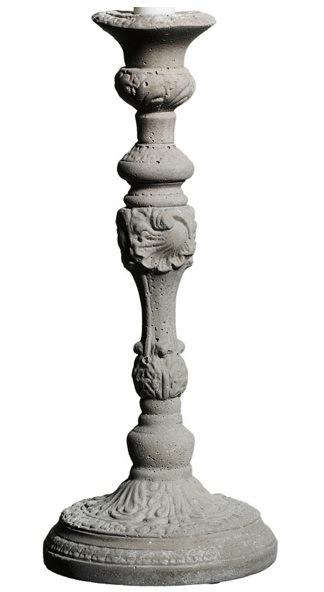
Lighting is one of the biggest designer thrift wins, but it comes with an important safety note. Designers love vintage lamps and unique light fixtures because they can bring sculptural form, color, and personality to a room. A ceramic lamp base, brass floor lamp, alabaster table lamp, glass pendant, or small chandelier can become the piece that makes a room memorable.
However, older electrical items need careful inspection. Designers often plan to rewire vintage lighting or have it checked by a professional before using it in a client’s home. A bargain lamp is not a bargain if it flickers, sparks, or smells like electrical drama. Frayed cords, loose sockets, cracked plugs, and overheating are all reasons to pause.
Why thrifted lighting is worth the effort
New lighting can be expensive, and many affordable options look similar. Thrifted lighting gives designers access to unusual shapes and materials: fluted glass, brass, ceramic, rattan, marble, wood, and painted metal. Even a dated lamp can become stylish with a new shade. Designers often separate the base from the shade in their minds. A bad shade is easy to replace; a great base is the treasure.
For clients, thrifted lamps are especially useful on consoles, nightstands, desks, sideboards, and reading corners. Matching pairs are highly valuable because symmetry can make a room feel polished. If you find two good lamps together, do not split them unless one is haunted. Even then, maybe negotiate.
5. Hardcover Books and Coffee Table Books
Designers buy books at thrift stores constantlynot only for reading, but for styling. Hardcover books, vintage books, art books, travel books, cookbooks, and coffee table books add height, color, texture, and personality. They help shelves look full without relying on meaningless objects. A stack of books under a small bowl or lamp can fix awkward proportions in seconds.
Books also tell a client’s story. A beach house might use books on sailing, shells, coastal architecture, or local history. A city apartment may benefit from photography, fashion, music, or modern art books. In a family room, children’s classics can be both decorative and actually useful, which is a rare and beautiful thing in the land of accessories.
How designers style thrifted books
They remove distracting dust jackets when the hardcovers underneath are more attractive. They group books by color, size, or subject. They stack them horizontally to create platforms for objects, or line them vertically to fill shelves. Designers also look for older books with cloth covers, gold lettering, or interesting spines because these add texture without shouting.
The goal is not to create a fake library. Designers avoid filling shelves with books that have nothing to do with the client. A room should feel curated, not staged for a person whose only hobby is owning beige books backward.
6. Brass, Silver, and Decorative Metal Accents
Small metal accents are thrift store magic because they look expensive when styled well. Designers hunt for brass candlesticks, silver trays, pewter bowls, copper pots, metal picture frames, bookends, decorative boxes, and sculptural objects. These pieces add shine, contrast, and a sense of age to rooms that might otherwise feel too soft or flat.
Patina is part of the charm. A little tarnish can make a piece feel rich and layered. Designers may polish some items and leave others aged, depending on the mood of the room. Brass warms up cool palettes. Silver feels crisp and elegant. Copper brings a kitchen or dining room to life. Pewter adds quiet texture without demanding a spotlight.
Where to use thrifted metal decor
A silver tray can organize perfume on a dresser, hold bar tools, or corral remotes on a coffee table. Brass candlesticks can make a dining table feel special even when dinner is takeout in disguise. Copper pots can hang in a kitchen as functional decor. Metal bowls can hold keys, matchbooks, shells, or seasonal greenery.
Designers love these accents because they are easy to move around. If a tray does not work in the bedroom, it may be perfect in the entry. If candlesticks feel too formal on the mantel, they can dress up a dining table. Good small decor has range.
7. Ceramics, Vases, Textiles, and Baskets
The final category is broad because designers rarely leave a thrift store without checking the shelves for handmade ceramics, vases, woven baskets, linens, quilts, tablecloths, and small textiles. These items bring texture, softness, and craft into a client’s home. They also help a room feel less like a catalog and more like a place where someone interesting lives.
Ceramics and pottery are especially useful because they work almost anywhere. A handmade vase can sit on a console, shelf, bathroom counter, or dining table. A ceramic bowl can hold fruit, jewelry, keys, or nothing at all. Empty bowls are allowed to have self-esteem too.
What designers inspect before buying
For ceramics, they check for chips, cracks, repairs, and stability. For baskets, they look for broken reeds, odors, and structural weakness. For textiles, they inspect stains, holes, fading, and fabric quality. Natural fibers such as cotton, wool, linen, and silk often have a richer look than synthetic materials, but condition matters more than romance. A beautiful vintage textile with a permanent mystery stain is still a mystery stain.
Textiles are powerful because they soften hard rooms. A thrifted quilt can warm up a guest bedroom. Vintage linen napkins can elevate a dinner table. A woven basket can hide toys, blankets, shoes, or the emotional evidence of a busy week. Designers use these pieces to add layers without clutter.
How Designers Decide What Is Worth Buying
Professional designers do not buy thrifted pieces just because they are cheap. They buy them because they solve a design problem. Before purchasing, they usually consider four questions: Is it useful? Is it beautiful? Is it safe? Does it fit the client’s home?
Condition is the first filter. Designers avoid pest damage, strong odors, mold, unstable furniture, unsafe wiring, and items that may be subject to recalls. This is especially important for children’s furniture, electrical goods, and upholstered pieces. When in doubt, they pass. The best thrift shoppers are not afraid to leave empty-handed. That is not failure; that is editing with a receipt-free conscience.
Scale is the second filter. Designers carry measurements for client rooms, including wall widths, ceiling heights, rug sizes, table clearances, and doorway dimensions. A piece can be gorgeous and still wrong if it is too big, too small, or impossible to transport without calling three cousins and a chiropractor.
Style is the third filter. The goal is contrast, not chaos. A modern room can handle a few vintage pieces. A traditional room can benefit from something clean and unexpected. A colorful room might need thrifted objects in natural textures to calm it down. Designers know that every item should support the overall direction, even if it has personality.
Styling Thrifted Finds So They Look Intentional
The difference between “designer thrifted” and “yard sale leftovers” is styling. Designers rarely scatter thrifted items randomly. They create visual relationships through color, material, scale, and repetition. For example, a brass lamp may connect to brass picture frames across the room. A blue vintage painting may echo blue pillows on the sofa. A woven basket may repeat the texture of a rattan chair.
Grouping also matters. Three ceramic pieces in different heights can look collected. Seven unrelated figurines can look like they are planning a tiny rebellion. Designers use negative space so each item has room to breathe. They mix old and new pieces so the room feels fresh, not frozen in a past decade.
One of the easiest designer tricks is to upgrade the context. A thrifted vase looks better with fresh branches. A vintage frame looks sharper with a clean mat. A secondhand table looks intentional under a great lamp. Presentation is everything. Even toast looks fancy on a wood board; decor is no different.
Common Thrifting Mistakes to Avoid
The first mistake is buying only because something is inexpensive. A five-dollar object that does not work in the room is still clutter. The second mistake is ignoring repairs. Some fixes are simple, like changing knobs or polishing brass. Others are expensive, like reupholstering a large chair, repairing veneer, or rewiring a chandelier. Designers calculate the total cost before calling something a bargain.
The third mistake is forgetting the client’s lifestyle. A delicate vintage side table may not survive a home with toddlers, dogs, and enthusiastic snackers. A high-maintenance textile may not suit a busy household. Good design is not just pretty; it has to live through Tuesday.
The fourth mistake is over-theming. A few coastal pieces can feel breezy. Thirty seashell items can feel like the ocean has taken legal ownership of the living room. Designers use thrifted decor to suggest a mood, not trap a room inside a theme park.
Real-Life Experiences: What Thrifting Teaches Designers and Clients
One of the most useful experiences in thrift store sourcing is learning to see potential without losing judgment. Designers often walk into a resale shop with a client who says, “I would never have noticed that.” Then the designer picks up a heavy wooden stool, imagines it beside a bathtub with folded towels, and suddenly the client understands. The item was not screaming for attention; it was waiting for context.
Another common experience is the thrill of finding the missing layer. Many client rooms already have the basics: sofa, rug, coffee table, curtains. What they lack is the small, human detail that makes the design feel finished. A thrifted painting over a reading chair, a pair of vintage brass candlesticks on a mantel, or a handmade bowl on a kitchen island can be the difference between “nice room” and “I want to stay here with coffee.”
Designers also learn patience from thrifting. Unlike ordering online, secondhand shopping does not obey a search filter. You cannot demand “perfect 32-inch walnut side table with charming age and no weird smell” and expect the universe to deliver by Friday. Sometimes the best pieces appear when no one is looking for them. That is why designers keep running lists of client needs and measurements. When the right item appears, they can act quickly.
Clients often enjoy the story behind thrifted pieces. A mass-produced console may be practical, but a vintage cabinet found during a Saturday hunt has a memory attached to it. That story gives the room emotional texture. Designers know that people connect more deeply with homes that contain discoveries, not just purchases.
There is also a confidence-building effect. Once clients see how a thrifted item can be cleaned, styled, and elevated, they become more open-minded. They stop judging objects only by how they look under fluorescent store lighting. This is important because thrift stores are not exactly known for flattering presentation. Even a beautiful vase can look tragic beside a chipped mug, a plastic pumpkin, and a lonely bread machine.
One designer-style habit worth adopting is the “pause and place” method. Before buying, imagine the exact location of the item. Not a vague “somewhere.” A real place. The mirror goes above the entry table. The tray sits on the bar cart. The books belong on the built-in shelves. The chair works in the guest room corner. If you cannot place it, leave it for someone else.
Another lesson is that imperfections can be assets. Patina, age, and handmade irregularities bring warmth. A slightly worn frame can look soulful. A small nick in a wooden stool may not matter at all. But designers distinguish charm from damage. Charm adds character; damage creates problems. A little tarnish is lovely. A cracked lamp socket is not “vintage,” it is a tiny fire hazard wearing a lampshade.
In client work, thrifted pieces can also help balance taste differences. If one person wants modern and the other wants traditional, a vintage mirror or old wood table can bridge the gap. If a room feels too cold, ceramics and baskets add warmth. If it feels too predictable, original art brings surprise. The right thrifted find acts like seasoning: small amount, big difference.
The biggest experience-based takeaway is simple: thrift stores reward preparation and imagination. Bring measurements. Check condition. Think about function. Stay open, but do not abandon standards. When designers buy thrifted items for clients, they are not just saving money. They are building rooms that feel layered, personal, sustainable, and impossible to duplicate with one online cart.
Conclusion
Designers love thrift stores because they are full of pieces with history, craftsmanship, texture, and personality. The seven items they reach for again and againoriginal art, solid wood furniture, vintage mirrors, unique lighting, hardcover books, metal accents, and ceramics or textilescan transform a client’s home without making it look overly decorated or painfully trendy.
The secret is not buying more. It is buying better. Look for quality materials, useful shapes, safe construction, and pieces that support the room’s story. Skip anything unstable, unsafe, moldy, pest-damaged, or impossible to clean. Style thrifted finds with intention, mix them with newer pieces, and give each object a clear role.
When done well, thrifted decor does not look cheap. It looks collected. It makes a home feel lived-in, layered, and quietly originalthe kind of space that cannot be copied by clicking “add to cart.” And honestly, finding a perfect vintage mirror for the price of two fancy coffees? That is the kind of design drama we can all support.
Note: Before using secondhand furniture, lighting, or decor in a client project, always inspect condition, confirm measurements, clean items properly, and check safety concerns such as recalls, wiring, pests, mold, and structural stability.