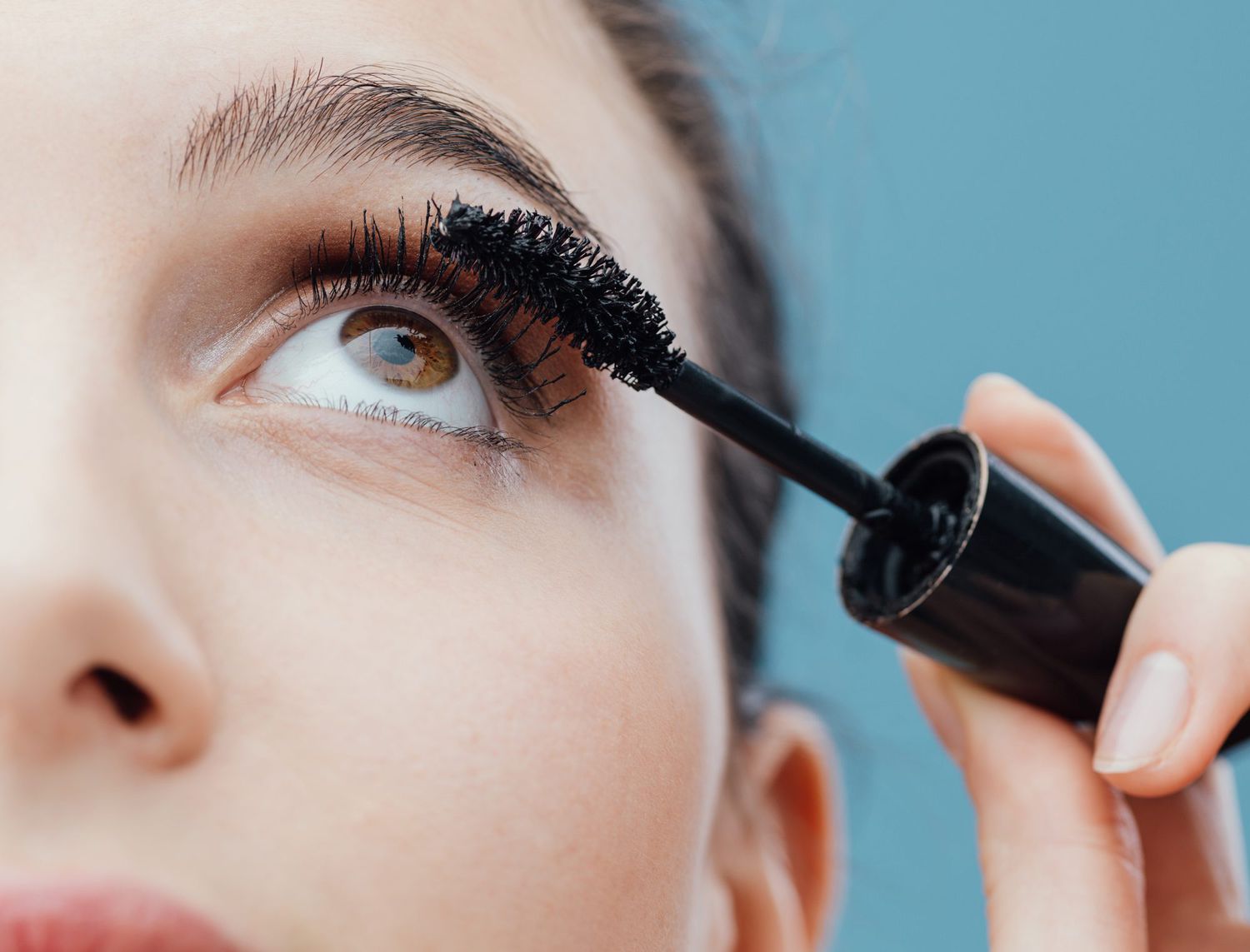
Mascara is supposed to make you look awake, flirty, and vaguely like you got eight hours of sleep. Instead, it sometimes chooses chaos: black smudges under your eyes by noon, little ink stamps on your brow bone, and the unmistakable “I fought a tiny raccoon and lost” vibe. The good news? Makeup artists deal with mascara betrayal constantlyon brides, on camera, in humid weather, on oily lids, on watery eyes, and yes, on people who insist they “barely touched it.” The fix isn’t one magic product; it’s a smart combo of prep, formula, and technique.
Below are pro-backed, real-world ways to stop mascara from smudgingwithout giving up lashes entirely or carrying a full toolbox in your bag. (Though if you want a tiny toolbox, I support your dreams.)
Why Mascara Smudges (So You Can Stop It at the Source)
Smudging is usually the result of three villains working together: oil, moisture, and friction. Add blinking, face movement, and gravity, and mascara has plenty of opportunities to migrate.
Common smudge triggers makeup artists see all the time
- Oily lids or under-eyes: Natural oils can break down mascara and make it transfer.
- Too-rich skincare: Heavy eye cream, oily sunscreen, or a slippery concealer can turn the under-eye area into a “transfer zone.”
- Eye shape: Hooded, deep-set, or downturned eyes can cause lashes to brush the skin more oftenlike tiny windshield wipers.
- Over-application: Too many coats stay tacky longer and smear more easily.
- Old mascara: A dried-out or expired tube can flake, clump, and fall where it shouldn’t.
Step 1: Prep Like a Pro (Your Mascara Is Only as Good as the Skin Around It)
Makeup artists aren’t being dramatic when they say prep matters. Mascara smudging is often less about lashes and more about what’s happening on your lids and under-eyes. The goal is a clean, dry, low-slip base.
Do this before you even look at the mascara wand
- Keep eye skincare lightweight in the daytime. Use a small amount, and avoid slathering right up to the lash line.
- Let products fully absorb. Give your eye cream and sunscreen a few minutes to settle before makeup.
- Blot if you’re oily. A quick dab with blotting paper (or a tissue in a pinch) can remove excess oil without disrupting skincare.
Prime your lidseven if you’re not wearing eyeshadow
A thin layer of eyeshadow/eyelid primer helps control oil and creates grip. Think of it like double-sided tape for your makeup but, you know, comfortable and socially acceptable.
Set the under-eye area (this is where most “panda eyes” begin)
If mascara smudges under your eyes, you need a barrier between skin oils and your lashes. After concealer (or even on bare skin), press a finely milled translucent powder under the eyesespecially close to the lower lash line. Use a small fluffy brush or a puff and keep it light to avoid emphasizing fine lines.
Step 2: Pick the Right Formula (Not All Mascara Is Built for Your Face)
The mascara itself matters. If you’re using a creamy, slow-drying formula on oily lids in humid weather… you’re basically asking for smudges. Instead, match your mascara type to your lifestyle and eye area.
Tubing mascara: the “I don’t have time for smudges” option
Tubing mascaras wrap each lash in tiny polymer “tubes.” They’re popular with makeup artists for oily lids, long days, and smudge-prone under-eyes because they tend to stay put even when skin gets shiny. Bonus: they usually remove with warm water and gentle pressureno aggressive rubbing.
Waterproof or water-resistant: great for moisture, tricky for removal
Waterproof formulas are helpful for tears, humidity, and sweat. Water-resistant can be a sweet spot if you want better wear without the full “industrial-strength” vibe. Just remember: tougher formulas often require more deliberate removal, so be gentle to protect your lashes.
Quick checklist for choosing a less-smudgy mascara
- Fast-drying and lightweight formulas smear less during application.
- Smaller or precise brushes help avoid overloading lower lashes.
- Tubing is usually best for oily skin + frequent smudging.
- Waterproof/water-resistant is best for watery eyes, humidity, and workouts.
Step 3: Curl + Prime Your Lashes (So They Don’t Touch Skin All Day)
If your lashes physically touch your upper lid or under-eye skin, smudging is more likelyespecially with hooded or deep-set eyes. Curling lifts lashes up and away from the skin, reducing transfer.
Lash primer is the “insurance policy” makeup artists love
A lash primer can add grip and separation, help mascara adhere better, and reduce smudgingespecially when you layer mascara lightly on top. If you’re loyal to a specific mascara but it smudges, primer can be the easiest fix without changing your favorite product.
Step 4: Apply Mascara in Smudge-Proof Layers (Yes, There’s a Right Way)
The most common smudge mistake? Too much product too quickly. Thick, wet coats stay tacky longer, then stamp onto skin when you blink. Makeup artists build mascara like they build a good outfit: layers, intention, and absolutely no panic.
Smudge-proof application technique (the pro version)
- Wipe excess off the wand. Scrape the wand against the tube opening or a clean tissue. Less product = less mess.
- Start at the base. Wiggle the wand at the roots, then sweep upward. This adds lift and reduces heavy buildup at the tips.
- Use thin coats. Two light layers usually beat one thick coat in longevity and smudge-resistance.
- Let it dry. Give each coat a moment to set before adding another. Patience is a beauty tool. Annoying, but true.
- Comb if needed. A lash comb or clean spoolie separates lashes and removes clumps that can flake later.
Bottom lashes: the high-risk, high-reward zone
If your mascara always smudges under the eyes, your lower lashes are the first place to experiment. Options:
- Skip bottom mascara on super-smudge-prone days and use a soft, long-wear liner instead.
- Use a tubing mascara just on lower lashes for better transfer resistance.
- Use the wand vertically and lightly tap the tips of the lower lashes (less product, more control).
Step 5: “Lock It In” Without Making It Worse
Setting products can helpif you use them strategically. The goal is to control oil and reduce tackiness, not create a wet environment that reactivates mascara.
Powder is your under-eye bodyguard
A light dusting of translucent powder under the eyes helps absorb oil and forms a buffer. Some artists also lightly powder near the lash line (carefully, so you don’t get powder into your eyes).
Setting spray: helpful, but timing matters
If you love setting spray, use it to set your face makeup before mascara, let it dry completely, then do lashes. Spraying too close to fresh mascara can turn it into a watercolor experiment.
Troubleshooting Guide: Fix the Smudge Based on Your “Type”
If you have oily eyelids
- Use eyelid primer across the lids, even without eyeshadow.
- Set the under-eye area with translucent powder.
- Choose tubing mascara or a truly long-wear formula.
- Blot midday instead of adding more creamy product under the eyes.
If you have hooded or deep-set eyes
- Curl lashes to lift them away from the lid.
- Use a lash guard or a tissue as a shield while applying (especially on top lashes).
- Go lighter on coatstoo much mascara increases contact and stamping.
If you have watery eyes or allergies
- Try water-resistant or waterproof mascara, or a tubing formula if you also have oily skin.
- Avoid rubbing (easier said than done). Pat gently if you must.
- Keep the under-eye area set with powder to reduce transfer when moisture hits.
If you sweat, live in humidity, or work out in your makeup
- Use tubing or waterproof mascara for real stamina.
- Prioritize lash primer + thin coats.
- Set your base makeup wellmascara smudges more when everything underneath is sliding.
If you’re dealing with mature skin or fine lines
- Use a finely milled powder very lightly to avoid emphasizing texture.
- Choose a lighter mascara coat to reduce flaking.
- Consider tubing mascara for easy removal (less tugging on delicate skin).
Quick Rescue: What to Do When Smudging Happens Anyway
First rule: don’t smear it further. If you rub a fresh smudge, you’ll spread pigment and lift your concealer. Instead:
- Wait 10–20 seconds for the smudge to dry.
- Flick it off with a clean spoolie, dry cotton swab, or the edge of a tissue.
- Re-set the area with a tiny touch of powder if you need to.
Removal & Hygiene (Because Your Lashes Deserve Peace)
Smudge-proof doesn’t mean “scrub-proof.” Gentle removal prevents lash breakage and irritation.
Smudge-resistant removal tips
- Tubing mascara: Use warm water and gentle pressure to slide tubes offno harsh rubbing.
- Waterproof mascara: Use an eye-safe remover and press it onto lashes for a few seconds before wiping softly.
- Replace mascara regularly: Old formulas can clump, flake, and harbor bacteriaespecially around the eyes.
A Simple “No-Smudge” Routine You Can Copy Tomorrow
- Light eye cream → wait for it to absorb.
- Eyelid primer (thin layer) on lids.
- Concealer (optional) → set under-eyes with translucent powder.
- Curl lashes.
- Lash primer (optional but great if you smudge a lot).
- Tubing mascara or waterproof/water-resistant mascara in thin coats.
- Keep bottom lashes minimalor skip them on high-risk days.
Experiences Makeup Artists See (and What They Do About It)
When makeup artists talk about mascara smudging, they’re not theorizingthey’re troubleshooting in real time on real faces, in real conditions. Here are common scenarios they run into (and the practical fixes that actually get people through the day without surprise raccoon eyes).
1) “It smudges by lunch, and I swear I’m not oily.”
This is one of the most frequent complaints because oil isn’t always obvious. You can have a normal complexion and still produce oil around the eyes, especially if you use rich skincare, a creamy concealer, or a dewy setting product. Artists often respond by simplifying: a lighter eye cream, less concealer directly under the lash line, and a very thin veil of translucent powder placed closer to where the smudge appears. The surprise for many people is how small the tweak isoften it’s not “more products,” it’s “less slip.”
2) “My lashes stamp my lid every time I blink.”
Hooded and deep-set eyes can make mascara behave like a rubber stamp. Makeup artists usually tackle this mechanically first: curl lashes to lift them away from the lid, then choose a faster-drying formula (tubing is a favorite here). They’ll also reduce the number of coatsbecause heavy lashes droop and touch skin more. On set or during events, it’s common to use a lash guard or even a folded tissue as a shield during application so the first coat can dry cleanly.
3) “Weddings, tears, humidity… help.”
For long events, artists prioritize durability and predictability. That often means tubing mascara for many clients (especially if they’re oily) or waterproof for those who know they’ll cry. The application becomes almost minimalist: primer if needed, thin layers, and extra time to dry. A common pro move is to finish the face makeup first, set it fully, then do mascara at the endbecause fallout or smears are easier to correct before everything is locked down. And yes, artists keep cotton swabs nearby like they’re medical supplies. Because sometimes they are.
4) “I work out at lunch and my mascara turns into modern art.”
Sweat plus heat plus rubbing your eyes with a towel is basically a mascara obstacle course. In these cases, makeup artists lean into formulas designed for wear: tubing or true waterproof, applied in controlled coats. They also suggest a realistic expectation: if you’re doing a high-intensity workout, keep lashes simplerone solid coat, skip the bottom lashes, and focus on a mascara that doesn’t dissolve when moisture shows up. The win isn’t “perfect lashes forever,” it’s “no black smudges on your under-eyes afterward.”
5) “My eyes water, and everything breaks down.”
Watery eyes can trigger both moisture and rubbing. Artists often pair a more resistant mascara with strategies that reduce transfer: setting the under-eye area carefully, avoiding oily products near the lash line, and encouraging gentle patting instead of wiping if tearing happens. Many people find that a tubing formula is more comfortable than heavy waterproof mascara because removal is gentlerespecially if eyes are sensitive. The “experience” takeaway here is simple: treat the cause (moisture + friction) and mascara behaves dramatically better.
If mascara smudging has been your recurring villain, don’t assume you’re doing everything “wrong.” Most of the time, you’re just missing one key match: the right formula for your eye area, plus a base that isn’t secretly slippery. Once those pieces click, mascara finally does its job: making you look awakenot like you lost a bar fight with a smudge stick.
Final Thoughts
Preventing mascara from smudging is less about chasing the “perfect” mascara and more about building a smudge-resistant system: prep the skin, prime strategically, choose a formula that fits your reality, and apply in thin, intentional layers. When you do those things, mascara stops wandering and starts behaving like the reliable friend you thought it was.