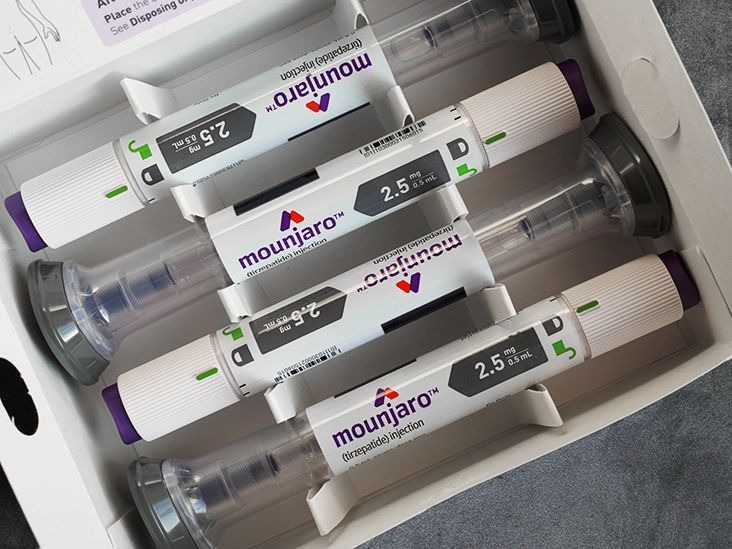
If you have typed “Is there currently a Mounjaro shortage?” into a search bar while staring at a pharmacy app that says “delayed,” welcome to the modern American refill experience. It is basically a mix of medical necessity, supply-chain drama, insurance paperwork, and one tiny sliver of hope labeled “check back tomorrow.”
Here is the short version: there is not an official nationwide Mounjaro shortage at the moment. That is the big headline. But the smaller, more annoying headline is this: some people can still run into local delays, backorders, or dose-specific hiccups depending on where they live, which pharmacy they use, and what their wholesaler has on hand.
So if the internet sounds split between “the shortage is over” and “my pharmacist just laughed sadly into the void,” both perspectives can seem true at the same time. Officially, the shortage is resolved. Practically, access can still feel uneven. And that gap between the national status and the real-world refill counter is exactly where the confusion lives.
What Is Mounjaro, Exactly?
Mounjaro is the brand name for tirzepatide, a once-weekly injectable prescription medication. It is approved to improve blood sugar control in people with type 2 diabetes, alongside diet and exercise. It became a huge deal fast, partly because it helps with glycemic control and partly because it quickly developed a reputation for significant weight loss. In other words, Mounjaro did not just enter the market. It entered like a celebrity walking into a diner and suddenly everyone wanted a table.
That combination of medical need, public interest, and viral attention helped fuel enormous demand. As demand shot up, supply struggled to keep pace. That is how Mounjaro ended up on shortage trackers in the first place.
Is There Currently a Mounjaro Shortage?
No, not officially. The best current answer is that Mounjaro is not in a current national shortage based on federal and major pharmacy-industry tracking. The FDA determined that the tirzepatide shortage had been resolved, and later reaffirmed that decision. Pharmacy shortage trackers have also listed Lilly’s products as available.
That said, “resolved” does not mean “magically sitting in every pharmacy fridge in America at all times with your name on it.” It means the manufacturer’s overall supply is judged capable of meeting market demand at the national level. Individual patients may still encounter problems getting a refill filled on the exact day they want it, at the exact pharmacy they prefer, in the exact strength they need.
So if your refill is delayed, that does not automatically mean the official shortage is back. It may just mean your local pharmacy, distributor, or insurance workflow is moving with the grace of a shopping cart missing one wheel.
Why Do People Still Think There Is a Mounjaro Shortage?
This is where the story gets interesting. People still ask this question because the on-the-ground experience can feel a lot messier than the official status.
1. Local pharmacy stock is not the same as national supply
A drug can be considered available nationally while still being temporarily hard to find in certain neighborhoods, chains, or regions. Pharmacies do not all draw from the same inventory at the same moment. One store may have your dose ready for pickup, while another acts as though you requested moon dust.
2. Certain doses can be harder to get at specific times
Mounjaro comes in multiple strengths, and refill timing matters. Patients who are titrating up, restarting therapy, or moving between doses may hit more friction than someone staying on a stable maintenance dose. Sometimes the issue is not “Mounjaro” broadly. It is “my Mounjaro dose, at my pharmacy, today.”
3. Insurance barriers can look like a shortage
Plenty of patients say “I can’t get it,” when the real problem is prior authorization, plan exclusions, step therapy, or a rejected claim. That is not a manufacturing shortage. It is an access problem. Unfortunately, to the patient standing in line, the difference may feel purely academic.
4. The shortage era left a long memory
Once a drug becomes known for being hard to get, that reputation sticks around. Patients remember calling six pharmacies. Doctors remember scrambling for alternatives. Pharmacists remember explaining the same bad news all day long. Even after official supply improves, the anxiety can linger like a bad group chat.
Why Was Mounjaro in Short Supply Before?
The main reason was demand. Mounjaro became wildly popular in a short period of time. It drew attention from patients with type 2 diabetes, clinicians managing complex metabolic conditions, and people interested in its weight-loss effects. At the same time, medicines in this class require sophisticated manufacturing, device production, packaging, distribution, and regulatory oversight. You cannot just make more overnight because people discovered it on social media.
That created a classic mismatch: demand surged faster than supply infrastructure could expand. The result was a prolonged period where some strengths were difficult to find and patients sometimes had to delay refills, switch pharmacies, or discuss alternatives with their clinicians.
What Does “Shortage Resolved” Actually Mean?
This phrase sounds wonderfully decisive, but it is worth translating into regular human language. When regulators say a shortage is resolved, they are saying the overall supply picture has improved enough that the manufacturer is considered able to meet national demand.
It does not promise that every pharmacy shelf will stay perfectly stocked. It does not guarantee that every insurance plan will cover the medication smoothly. And it definitely does not mean your refill will process faster than your pharmacy’s lunch break.
In practical terms, “resolved” means the broad emergency phase is over. It does not mean every patient experience is friction-free.
What About Compounded Tirzepatide?
During the shortage period, compounded tirzepatide became a workaround for some patients. That happened because federal rules can allow more flexibility for compounding when an FDA-approved drug is officially in shortage.
Now that tirzepatide is no longer considered in shortage, the legal and regulatory landscape has changed. Routine copying of the branded drug is much more restricted. That matters because some patients became used to compounded versions and assumed they would remain easily available forever. They have not.
There is another issue too: safety. Patients should be extremely cautious with any product marketed as compounded, off-brand, or suspiciously convenient tirzepatide. Counterfeit or fraudulent products have become a major concern. If a medication’s source seems sketchy, the price seems oddly low, or the labeling looks wrong, that is not a charming bargain. That is a red flag wearing a fake mustache.
How to Tell the Difference Between a Real Shortage and a Refill Problem
If you are having trouble getting Mounjaro, it helps to ask a few smart questions before concluding the shortage is back.
Ask the pharmacy what the actual issue is
Is the medication backordered from the wholesaler? Is your specific dose delayed? Is the prescription too soon to refill? Is insurance rejecting it? These are very different problems with very different solutions.
Check nearby locations in the same chain
One branch may be out while another branch five miles away has it in stock. Inconvenient? Yes. Impossible? No.
Contact your prescriber early
Do not wait until you are down to your last pen and then launch into panic mode. If a refill is coming due, contacting the pharmacy about a week ahead can save a lot of stress.
Review whether your insurance changed
Coverage for GLP-1 and GIP/GLP-1 medications can change. A problem that feels like a supply failure may actually be a formulary update, a new prior authorization requirement, or a plan rule about diagnosis.
What Should Patients Do If Their Pharmacy Says Mounjaro Is Delayed?
First, do not improvise. This is not the time for internet chemistry, mystery telehealth menus, or buying medication from random sellers with logos that look like they were made in five minutes.
Instead, try the sensible steps:
Call around, but strategically
Ask your pharmacy if they can check nearby branches or other affiliated locations. This saves you from personally reenacting a cross-country inventory hunt.
Talk to your clinician
If the delay seems likely to last, your prescriber may discuss whether waiting, adjusting timing, or considering another evidence-based option makes sense for your situation.
Do not switch doses on your own
Using a different strength, stretching medication, or changing your schedule without medical guidance is a bad idea. It may increase side effects or reduce treatment effectiveness.
Watch out for fake products
If you receive a product that looks unusual, has odd labeling, misspellings, broken packaging, or comes from a source you do not recognize, pause and verify before using it.
Will Mounjaro Go Into Shortage Again?
No one can guarantee that any high-demand medication will never face supply pressure again. Drug markets are influenced by manufacturing capacity, demand spikes, regulatory shifts, distribution patterns, and competition across similar therapies.
Still, the current picture is stronger than it was during the peak shortage period. Manufacturers have invested heavily in expanding capacity, and the official status indicates the supply situation is much more stable than before. That does not mean the market is boring now. It just means the “everyone call every pharmacy in three counties” era appears to have cooled off.
What This Means for Patients, Doctors, and Pharmacists
For patients, the takeaway is reassuring but not perfect: Mounjaro is not officially in shortage, yet refill planning still matters. For prescribers, it means less crisis management than during the worst months, though access questions have not disappeared. For pharmacists, it means fewer shortage-level alarms, but still plenty of conversations about availability, insurance, and alternatives.
The biggest lesson from the Mounjaro saga may be that “drug available” and “drug easy to obtain” are not the same sentence. One is a national statement. The other is a Tuesday afternoon reality test.
Experiences Related to “Is There Currently a Mounjaro Shortage?”
The experiences below are composite, realistic examples based on the kinds of issues patients and pharmacies have faced during and after the shortage period. They are not individual case reports, but they reflect the real-world confusion around this question.
The refill roulette experience
A patient opens the pharmacy app expecting the usual “ready for pickup” update and instead sees “delayed.” Immediately, the mind goes to the worst-case scenario: “Great, the shortage is back.” But after a few calls, the truth turns out to be less dramatic and more annoying. The neighborhood store is temporarily out of the 10 mg pens, another branch twenty minutes away has them, and the delay is local rather than national. The patient still feels stressed, because stress does not care whether the problem is national or five ZIP codes wide.
The insurance fake-out experience
Another person assumes the pharmacy cannot get Mounjaro, but the medication is actually there. The real issue is that their insurer now wants a new prior authorization. To the patient, this feels exactly like a shortage because the result is the same: no medication in hand. This kind of situation is common enough that people often mix up supply problems with coverage problems. It is a reminder that access has many moving parts, and not all of them live in a warehouse.
The dose-specific frustration experience
Some patients do fine getting one strength month after month, then suddenly hit a wall when moving up a dose. They can find 5 mg but not 7.5 mg, or they can refill at one chain but not another. This creates a weird emotional whiplash. One month everything is smooth. The next month it feels like a scavenger hunt with hold music. That inconsistency is one reason people keep asking if there is “currently a shortage,” even when the official answer is no.
The pharmacist perspective
Pharmacists often end up in the middle of the confusion. They may know that the national shortage is resolved, while also knowing that their wholesaler shipment has not arrived yet. So they are left explaining a nuance patients do not want and should not have to decode: “It is not officially in shortage, but we still do not have your box today.” That sounds contradictory, even though both parts can be true.
The post-compounding adjustment experience
During the shortage era, some patients relied on compounded tirzepatide because it seemed more accessible or affordable. Once the regulatory environment tightened, they had to navigate a new reality: fewer compounded options, more emphasis on branded FDA-approved supply, and more concern about safety and counterfeit products. For some, the hardest part was not medical. It was practical. They had to rework budgets, insurance expectations, and refill habits all at once.
The cautious planner experience
Many patients who lived through the worst of the shortage now behave differently even though the official crisis has passed. They refill earlier. They call the pharmacy a week ahead. They ask whether another branch has stock. They save reminders. They do not assume that “available” means “effortless.” In a strange way, the shortage taught people how to become part-time logistics managers for their own treatment.
That may be the most honest answer to the Mounjaro question. No, there is not currently an official nationwide shortage. But yes, many patients still carry the habits, worries, and occasional hassles created by the shortage period. The headline improved faster than the lived experience. And when it comes to prescription access, lived experience is what people remember.
Conclusion
So, is there currently a Mounjaro shortage? Officially, no. The national shortage designation has been resolved, and major supply trackers indicate the product is available. But if your pharmacy says your refill is delayed, you are not imagining things. Local inventory issues, dose-specific gaps, distributor timing, and insurance obstacles can still make access feel shaky.
The smart approach is simple: plan ahead, verify the exact reason for any delay, work with your pharmacist and prescriber, and avoid questionable compounded or counterfeit products. In other words, do not panicbut do stay proactive. Mounjaro may be out of the official shortage woods, yet the trail still has a few roots sticking up.