A lunch box note is tiny. It weighs almost nothing, takes less than a minute to write, and can fit beside a sandwich, snack pouch, apple slices, or the mysterious cracker crumbs that somehow multiply overnight. But for a child opening lunch at school, that little slip of paper can feel like a pocket-sized hug. Add a safari or forest theme, and suddenly lunch becomes an adventure: a lion cheering them on, a fox sharing a riddle, a giraffe reminding them to stand tall, or a wise owl whispering, “You’ve got this.”
Safari and forest themed lunch box notes are more than cute stationery. They combine encouragement, imagination, reading practice, emotional support, and family connection in one playful package. Parents, teachers, and caregivers often look for simple ways to brighten a child’s school day without creating one more complicated morning task. The good news? You do not need to be a professional illustrator, poet, wildlife expert, or Pinterest wizard with a laminator named Linda. A few thoughtful words and a fun animal theme can do the job beautifully.
This guide explores how to create memorable safari lunch box notes and forest lunch notes for kids, including message ideas, design themes, printable inspiration, age-based tips, and real-life ways to make the tradition easy enough to keep going.
Why Safari and Forest Lunch Box Notes Work So Well
Children spend a large part of their day away from home, and lunchtime often arrives right in the middle of a busy school schedule. By then, a child may have already handled math problems, reading groups, playground politics, a forgotten pencil, and possibly one dramatic disagreement over who was “it” first. A lunch box note offers a warm pause. It says, “I’m thinking of you,” without interrupting their independence.
The safari and forest themes work especially well because animals are familiar, funny, and emotionally expressive. A brave lion can represent courage. A calm deer can represent gentleness. A monkey can represent silliness. A bear can represent comfort. These natural symbols make encouragement easier for children to understand and remember. Instead of writing a plain message like “Be confident,” you can write, “Roar through your spelling test like a lion!” That is more vivid, more fun, and much more likely to earn a lunchtime smile.
The Educational Bonus: Reading, Vocabulary, and Curiosity
Lunch box notes are also a sneaky little literacy tool. A short note gives children a reason to read for pleasure, even if it is only one sentence long. For early readers, simple words such as “fox,” “bear,” “tree,” “roar,” “jump,” and “brave” can reinforce vocabulary. For older kids, riddles, animal facts, jokes, and mini challenges can support comprehension and curiosity.
Safari animals and forest animals naturally invite learning. A note about giraffes can mention standing tall. A note about elephants can celebrate memory and kindness. A note about owls can encourage careful thinking. A note about ants can praise teamwork. When lunch notes include tiny facts, children may share them with friends, ask questions later, or connect them to science lessons. That is a big win for something that started as a square of paper next to string cheese.
Best Safari Animals for Lunch Box Notes
Safari themed lunch box notes are bright, energetic, and full of action. They work especially well for kids who love bold animals, silly jokes, or jungle-style adventure. You can design these notes with warm colors, leafy borders, paw prints, binocular icons, or animal silhouettes.
Lion Notes
Lions are perfect for confidence-building messages. Use them before tests, presentations, sports days, or any school moment that may feel intimidating.
- “Roar into todayyou are braver than you think!”
- “You are the king of kindness today.”
- “Take a deep breath, little lion. You’ve got this.”
- “Your courage is louder than a lion’s roar.”
Elephant Notes
Elephants are wonderful for messages about memory, friendship, patience, and strength. They also make adorable doodles, even if your elephant looks slightly like a potato with ears. Children are forgiving art critics.
- “Never forget: I love you tons!”
- “You are strong, smart, and elephant-awesome.”
- “Big heart. Big dreams. Big elephant energy.”
- “Remember to be kind to yourself today.”
Giraffe Notes
Giraffes are ideal for positive reminders about posture, perspective, and seeing the bright side. They are also great for tall sandwiches. Coincidence? Probably. Still useful.
- “Stand tall and be proud of who you are.”
- “Look for something good today, giraffe-style!”
- “You reach higher every day.”
- “Your kindness stands out in the best way.”
Zebra Notes
Zebras help celebrate individuality. Their stripes make a natural metaphor for being unique, creative, and perfectly yourself.
- “No one has stripes like yours. Be yourself today!”
- “You make the world more interesting.”
- “Stay bold, stay kind, stay wonderfully you.”
- “Your uniqueness is your superpower.”
Best Forest Animals for Lunch Box Notes
Forest themed lunch box notes feel cozy, calm, and magical. They are perfect for children who love woodland animals, fairy-tale settings, camping, hiking, or nature walks. Forest notes can use greens, browns, mushrooms, acorns, leaves, pine trees, and soft animal illustrations.
Fox Notes
Foxes are clever and playful, making them great for puzzle notes, jokes, and problem-solving encouragement.
- “You are one clever little fox!”
- “Solve today’s problems one paw step at a time.”
- “Fox fact: Smart choices start with a calm mind.”
- “You are quick, kind, and full of bright ideas.”
Bear Notes
Bear notes are warm and comforting. Use them on days when your child may need extra reassurance.
- “Sending you a big bear hug.”
- “You are strong, loved, and never alone.”
- “Have a beary good lunch!”
- “Rest, eat, smile, and keep going.”
Owl Notes
Owls fit perfectly with school-day messages because they symbolize wisdom, observation, and careful thinking.
- “Whooo is amazing? You are!”
- “Use your wise owl brain today.”
- “Listen, learn, and let your ideas fly.”
- “You are wise, curious, and ready.”
Rabbit Notes
Rabbit notes are cheerful and gentle. They work well for younger children or for days that need a little bounce.
- “Hop into a happy afternoon!”
- “You make my heart hop with joy.”
- “One little hop at a timeyou can do hard things.”
- “Lunch tastes better with bunny-level happiness.”
How to Make Lunch Box Notes Age-Appropriate
For preschool and kindergarten children, keep notes very short. Use large letters, simple words, hearts, stickers, and easy animal pictures. A note that says “I love you, little bear” may be perfect. Children at this age may not read fluently yet, but they recognize symbols, names, and familiar drawings. A heart from home can still mean everything.
For early elementary students, add jokes, rhymes, and basic animal facts. Try “Why did the lion eat lunch? Because he was roaring hungry!” Is it a masterpiece of comedy? Not exactly. Will a seven-year-old appreciate it? Very possibly, especially if there is a doodle of a lion holding a taco.
For older elementary kids, use less babyish language and more personalized encouragement. Instead of “Mommy loves her little monkey,” try “Hope your science quiz goes great. Stay curious like an explorer.” Older kids may also enjoy riddles, secret codes, mini mazes, or trivia questions.
For middle schoolers, proceed with caution and humor. Publicly adorable notes can become socially risky. Keep messages subtle, private, and cool. A small card that says “Rooting for you today” with a tiny tree icon may work better than a glitter-covered tiger yelling, “You are Mommy’s precious cub!” Save that one for home unless your child has specifically approved maximum parental chaos.
Easy Design Ideas for Safari and Forest Notes
You do not need expensive supplies to make lunch box notes attractive. Index cards, sticky notes, kraft paper, printer paper, or small cardstock squares all work. If mornings are rushed, prepare a stack in advance. Cut twenty small cards at once, doodle simple animal faces, and keep them in a drawer near the lunch containers.
Safari Design Elements
- Paw prints around the border
- Green leaves or jungle vines
- Orange, yellow, tan, and olive colors
- Binoculars, explorer hats, or little maps
- Animal print patterns such as zebra stripes or leopard spots
Forest Design Elements
- Pine trees, acorns, mushrooms, and leaves
- Brown, green, cream, and soft orange colors
- Woodland animals like foxes, bears, owls, rabbits, raccoons, and deer
- Campfire icons or trail signs
- Simple nature borders made with dots, vines, or leaf shapes
Printable lunch box notes are helpful if you want a polished look, but handwritten notes feel personal. A blended approach works well: print a set of themed cards, then add your child’s name or a custom sentence by hand. That tiny personal detail makes the card feel less like stationery and more like a message from home base.
What to Write: Encouragement, Jokes, Facts, and Mini Challenges
The best lunch notes usually fall into four categories: encouragement, humor, learning, and connection. Rotating among these keeps the tradition fresh. Not every note needs to be deeply emotional. Some days, a silly snake pun is exactly enough.
Encouraging Safari and Forest Notes
- “You are brave like a lion and kind like an elephant.”
- “Keep climbing today, little explorer.”
- “A forest grows one tree at a time. You learn one step at a time.”
- “Even the tallest giraffe started small.”
- “You belong in this wild, wonderful world.”
Funny Lunch Box Notes
- “What do you call a bear with no teeth? A gummy bear!”
- “Why did the owl bring a pencil? To draw whooo-mework.”
- “This sandwich was inspected by safari snack control.”
- “Warning: crackers may attract tiny lunch lions.”
- “If your grapes disappear, blame the forest fairies.”
Animal Fact Notes
- “Elephants use their trunks like a nose, hand, and straw. Pretty handy!”
- “Owls can turn their heads far to look around. Today, look for something new.”
- “Giraffes have long necks and big heartsjust like your big kindness.”
- “Foxes are great listeners. Try listening for one kind thing today.”
Mini Challenge Notes
- “Safari challenge: Say one kind thing to a classmate.”
- “Forest challenge: Notice something green today.”
- “Explorer challenge: Ask one good question in class.”
- “Owl challenge: Teach me one thing you learned when you get home.”
Pairing Notes With Healthy Lunch Habits
A lunch note cannot magically make broccoli taste like cupcakes, but it can make lunchtime feel more inviting. When children feel calm and connected, they may be more open to eating the food packed for them. A fun note can also draw attention to balanced choices without sounding like a nutrition lecture wearing a tiny hat.
Try matching the note to the food. Put a monkey note beside a banana. Add a rabbit note with carrot sticks. Slip an owl note next to whole-grain crackers and cheese. Write “Elephant fuel!” on a day with a protein-rich lunch. The goal is not perfection; it is creating a positive lunch experience. Children do best when food feels safe, familiar, and enjoyable rather than pressured.
Food safety still matters, of course. Perishable lunches should stay cold with insulated bags and cold packs, and hot foods should go in proper insulated containers. A lion note is delightful; a lukewarm yogurt cup that has lived its best life in a backpack since 7:20 a.m. is less delightful.
How to Build a Weekly Lunch Note Routine
The easiest lunch note tradition is the one you can actually maintain. You do not need a handcrafted masterpiece every morning. Create a simple weekly rhythm:
- Monday: Motivational lion or bear note
- Tuesday: Animal joke note
- Wednesday: Fun fact note
- Thursday: Mini challenge note
- Friday: Celebration note or family memory
Batch-writing notes on Sunday night can reduce weekday stress. Keep them in labeled envelopes: safari encouragement, forest jokes, animal facts, and blank cards. When packing lunch, grab one and go. If you miss a day, do not panic. Lunch box notes should build connection, not become another parental guilt parade marching through the kitchen.
Printable Safari and Forest Lunch Box Note Ideas
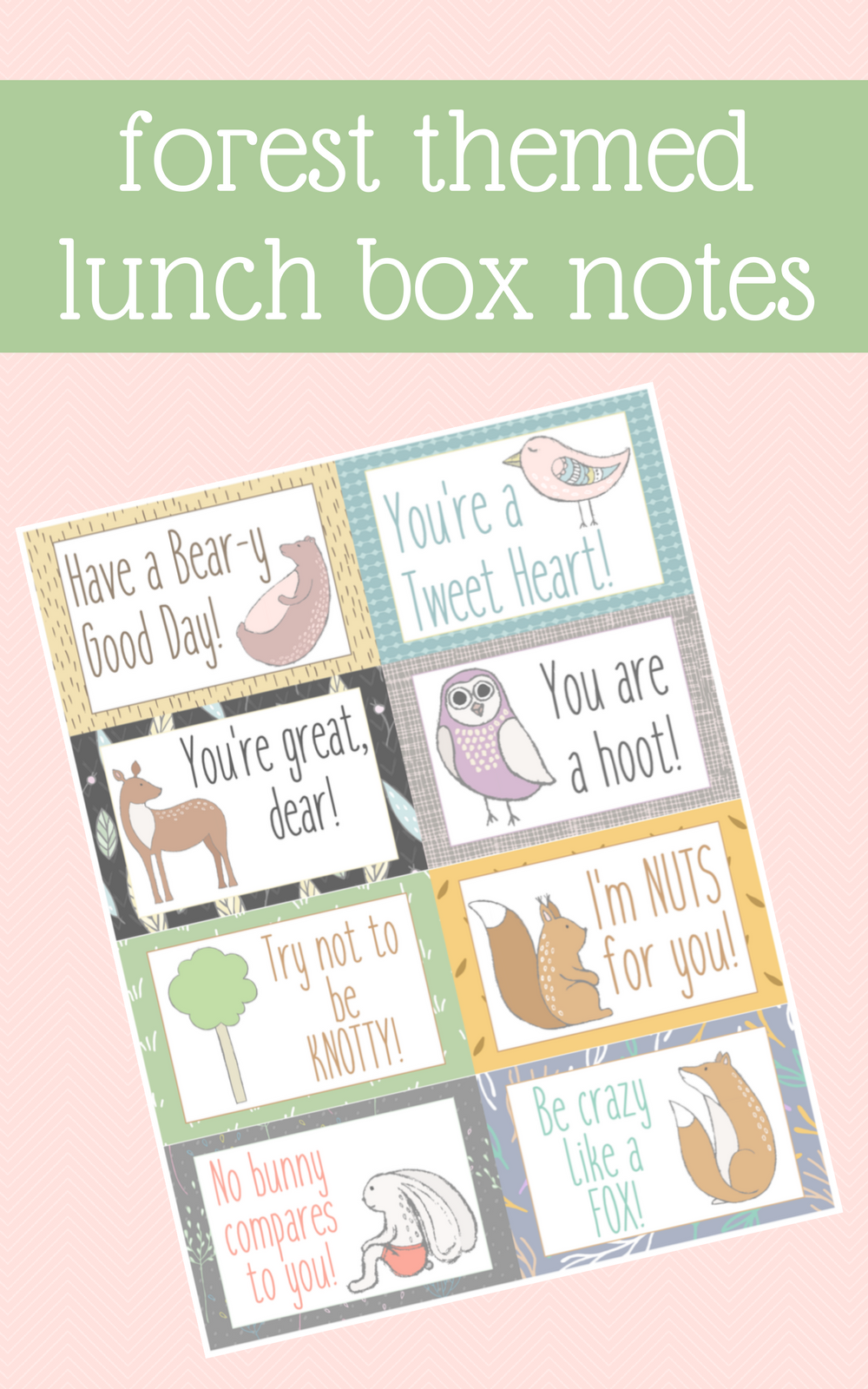
If you want to create a printable set, organize it into themed pages. One page might feature safari animals: lions, elephants, giraffes, zebras, monkeys, and cheetahs. Another page might feature forest animals: foxes, bears, owls, rabbits, deer, raccoons, and squirrels. Use large readable fonts and leave space for a handwritten name.
Here are sample printable categories:
- Bravery Cards: lions, tigers, bears, and eagles
- Kindness Cards: elephants, deer, rabbits, and doves
- Curiosity Cards: owls, foxes, monkeys, and raccoons
- Funny Cards: snakes, frogs, squirrels, and hyenas
- Calm Cards: turtles, bears, sloths, and forest trees
For younger children, include pictures they can color later. For older children, add checkboxes, riddles, or “answer me after school” prompts. A note that asks, “What animal would your teacher be and why?” can become a hilarious dinner conversation, assuming everyone remains diplomatic about the answer.
Mistakes to Avoid
First, avoid embarrassing your child. What feels sweet at home may feel too personal in a crowded cafeteria. If your child asks for simpler notes, respect that. The purpose is connection, not performance art.
Second, avoid pressure-based messages. “Eat all your vegetables or the tiger will know” may sound funny, but food pressure can backfire. Keep lunch notes positive and low-stress.
Third, avoid comparing your child to siblings or classmates. A note should celebrate who they are, not turn lunch into a tiny motivational scoreboard.
Finally, do not overcomplicate the habit. A plain sticky note with “Love you, brave explorer” is enough. Children usually care more about the message than the design. Unless there are googly eyes involved. Then everyone cares about the googly eyes.
Real-Life Experiences With Safari and Forest Themed Lunch Box Notes
Many parents discover lunch box notes almost by accident. One morning, there is a nervous child, a spelling test, and three minutes before the bus arrives. A parent scribbles, “You are brave like a lion,” folds it beside the sandwich, and hopes it helps. That afternoon, the child comes home holding the note like treasure. Suddenly, a new family tradition has been born, right between the lunch meat and the reusable ice pack.
One helpful experience is to let children choose the theme for the week. A safari week can include lions on Monday, elephants on Tuesday, giraffes on Wednesday, zebras on Thursday, and monkeys on Friday. A forest week can move through bears, foxes, owls, rabbits, and deer. Children enjoy the pattern because it gives them something small to anticipate. Even kids who claim they are “too old for notes” may still quietly check the lunch pocket. They may not announce it with fireworks, but the note often comes home tucked in a backpack pocket instead of tossed away.
Another real-world trick is writing notes that connect to what is actually happening in the child’s life. If a child has a field trip, write, “Explore like a curious fox.” If there is a math quiz, try, “Use your wise owl brain.” If friendship has been difficult, a gentle elephant note about kindness and strong hearts can feel supportive without turning lunch into a counseling session. The best notes are specific enough to feel personal but light enough to keep lunchtime cheerful.
Families with multiple children often find that different personalities need different note styles. One child may love jokes and puns. Another may prefer quiet encouragement. One may want colorful cards with drawings; another may prefer a tiny folded message no one else can see. This is where safari and forest themes are especially useful because they offer many moods. A lion can be bold. A turtle can be calm. A monkey can be silly. A deer can be gentle. The theme adapts to the child, instead of forcing the child into one kind of message.
Teachers and lunchroom staff sometimes notice these notes too. A child may read one aloud to a friend, trade jokes, or save a favorite card in a pencil box. Some children begin writing notes back, leaving a doodle in the lunch bag or asking for a specific animal tomorrow. That small exchange builds communication in a way that feels natural. It is not a big family meeting. It is not a lecture. It is just a fox, a bear, a lion, or an owl carrying love through the school day.
The most meaningful experience, however, often appears months later. Parents may find old lunch notes stuffed in drawers, taped inside notebooks, or hidden like tiny paper fossils in backpack pockets. Children save the ones that made them laugh, helped them feel brave, or reminded them they were loved on a hard day. That is the quiet magic of lunch box notes: they are small when you write them, but they can become big in a child’s memory.
Conclusion
Safari and forest themed lunch box notes are simple, affordable, and surprisingly powerful. They turn an ordinary lunch into a moment of connection, imagination, and encouragement. Whether you write a lion-themed confidence boost, a fox riddle, an owl fact, or a bear hug on paper, the message is the same: “You matter. I’m cheering for you. Enjoy your lunch, and please do not trade the apple for three gummy worms again.”
The best lunch notes are not perfect. They are personal. They match your child’s age, mood, and sense of humor. They can support reading, spark curiosity about animals and nature, encourage kindness, and make school feel a little more connected to home. Start with one note this week. Keep it short, warm, and fun. From there, your lunch box can become a tiny safari, a cozy forest trail, and a daily reminder that love travels welleven next to carrot sticks.
Note: This article was created for web publication and synthesized from reputable U.S.-based parenting, education, nutrition, child development, and children’s learning resources. It avoids source-link clutter while keeping the content practical, original, and publication-ready.