So, is kissing cheating? The answer is: usually, yesif you are in an exclusive relationship and you kiss someone else in a romantic, sexual, or secretive way. But because love enjoys making simple questions wear a trench coat and sunglasses, the full answer depends on your relationship boundaries, intentions, context, and whether your partner would feel betrayed if they knew.
Kissing can be sweet, playful, awkward, passionate, friendly, cultural, accidental, or “oops, I definitely should not have done that.” A quick greeting kiss on the cheek at a family party is not the same as making out with a coworker behind the parking garage after three margaritas and one suspiciously emotional conversation about “being misunderstood.” Context matters. Intention matters. Honesty matters most.
In healthy relationships, cheating is not defined only by physical contact. It is defined by broken agreements. That means a kiss may count as infidelity when it violates the expectations you and your partner havewhether those expectations were clearly discussed or strongly implied by the relationship. If your stomach drops at the thought of telling your partner about it, congratulations: your conscience has entered the chat.
What Counts as Cheating in a Relationship?
Cheating is often described as a breach of emotional or sexual exclusivity. In plain English, it means doing something outside the relationship that breaks trust, creates secrecy, or redirects romantic or sexual energy away from your partner without consent. While sex is the most obvious example, many people also consider kissing, emotional intimacy, sexting, flirting, and secretive messaging to be forms of betrayal.
The tricky part is that couples do not all use the same rulebook. Some partners are comfortable with casual flirting. Others consider heart-eye emojis to be tiny digital crimes. Some couples are monogamous. Others have open or non-monogamous agreements where kissing may be allowed under specific conditions. The real issue is not whether the whole internet votes “yes” or “no.” The real issue is whether the kiss crossed the line in your specific relationship.
Is Kissing Someone Else Always Cheating?
Not alwaysbut romantic or sexual kissing usually is. A kiss becomes cheating when it carries desire, secrecy, emotional intimacy, or disrespect for your partner’s boundaries. If you kissed someone because you were attracted to them, wanted to feel wanted, hoped it would lead somewhere, or hid it afterward, it is very likely cheating.
However, there are situations where kissing may not be cheating. A cultural greeting, a kiss on the cheek between relatives, a stage kiss in a theater production, or a quick peck in a context your partner knows and accepts may not violate the relationship. The difference lies in meaning. A harmless cheek kiss says, “Hello, Aunt Linda.” A secret passionate kiss says, “My relationship boundaries are currently on vacation.”
The “Would I Tell My Partner?” Test
One simple way to evaluate the situation is to ask: would I willingly tell my partner what happened, exactly as it happened? Not the edited trailer version. The full director’s cut. If the answer is yes, and there is no romantic or sexual charge, the kiss may not be cheating. If the answer is no because you know they would feel hurt, betrayed, or humiliated, the kiss probably crossed a boundary.
The “Would I Be Hurt If They Did It?” Test
Another useful question is: would I be okay if my partner kissed someone else in the same way? If your answer is “absolutely not,” then it is hard to argue that your own kiss was harmless. Relationships do not thrive on loopholes. They thrive on mutual respect, emotional safety, and not pretending technicalities are a love language.
Different Types of Kissing and What They Mean
Because not all kisses are created equal, let’s break down the most common types and how they are usually interpreted in committed relationships.
1. A Kiss on the Cheek
A cheek kiss can be friendly, cultural, familial, or polite. In many families and communities, it is simply a greeting. Generally, this is not cheating unless there is flirtation, secrecy, or romantic tension attached to it. If the cheek kiss comes with lingering eye contact, private texting, and a playlist called “Songs That Remind Me of You,” the cheek has officially become suspicious.
2. A Quick Peck on the Lips
A brief lip kiss can fall into a gray area. Some people see it as harmless in certain social settings; others see lips as reserved territory. If your relationship has not discussed it, do not assume your partner will laugh it off. A quick peck may still feel intimate enough to be considered cheating, especially if it happens with someone you are attracted to.
3. Making Out
Making out with someone else while in an exclusive relationship is widely considered cheating. It is physical, intimate, intentional, and difficult to explain as “just being friendly” unless your friends greet each other like dramatic soap opera characters. If the kiss is passionate, repeated, or sexually charged, it clearly crosses most monogamous boundaries.
4. A Drunk Kiss
Alcohol may explain poor judgment, but it does not erase consequences. A drunk kiss can still be cheating. Being intoxicated might affect intent, memory, or decision-making, but if the action hurt your partner and broke the relationship agreement, it matters. “I was drunk” is context, not a magic eraser.
5. A Dare or Party Game Kiss
A kiss during a game, dare, or party may seem silly in the moment, but it can still feel disrespectful to a partner. If your relationship has a clear boundary against kissing others, then a party game does not come with diplomatic immunity. Before participating, ask yourself whether the laugh is worth the trust repair later.
6. A Kiss with an Ex
Kissing an ex is often especially painful because it carries history. Even a small kiss can feel loaded with unfinished feelings, nostalgia, or unresolved attraction. If you are in a current relationship, kissing an ex is usually seen as a serious breach of trustespecially if you hid the meeting, downplayed your contact, or used the classic phrase “we’re just friends” while your behavior suggested otherwise.
Why Kissing Can Feel Like Betrayal
Some people ask, “But it was only a kisswhy is everyone acting like I sold national secrets?” The reason is that kissing is not just a physical act. It can represent attraction, desire, emotional connection, secrecy, and choice. For many people, a kiss is intimate enough to signal romantic availability.
When a partner discovers a kiss with someone else, the pain often comes from several places at once. They may wonder whether more happened, whether more would have happened, whether feelings are involved, and whether they can trust future explanations. The kiss becomes the visible tip of a much larger emotional iceberg. And nobody enjoys sailing into the Titanic section of a relationship.
Emotional Cheating vs. Physical Cheating
Kissing sits in the space between physical and emotional cheating. It is physical contact, but it can also signal emotional closeness. Emotional cheating happens when someone develops a private, intimate connection outside the relationship in a way that weakens the primary partnership. This may include secret conversations, romantic attachment, emotional dependence, or sharing personal details that should belong inside the relationship.
A kiss may be “just physical” in one situation and emotionally loaded in another. For example, kissing a stranger at a party may be impulsive and physical. Kissing a close friend you have been texting late at night for months may represent a deeper emotional affair. Both can hurt. The second may feel like a longer betrayal because the emotional boundary was crossed before the lips ever got involved.
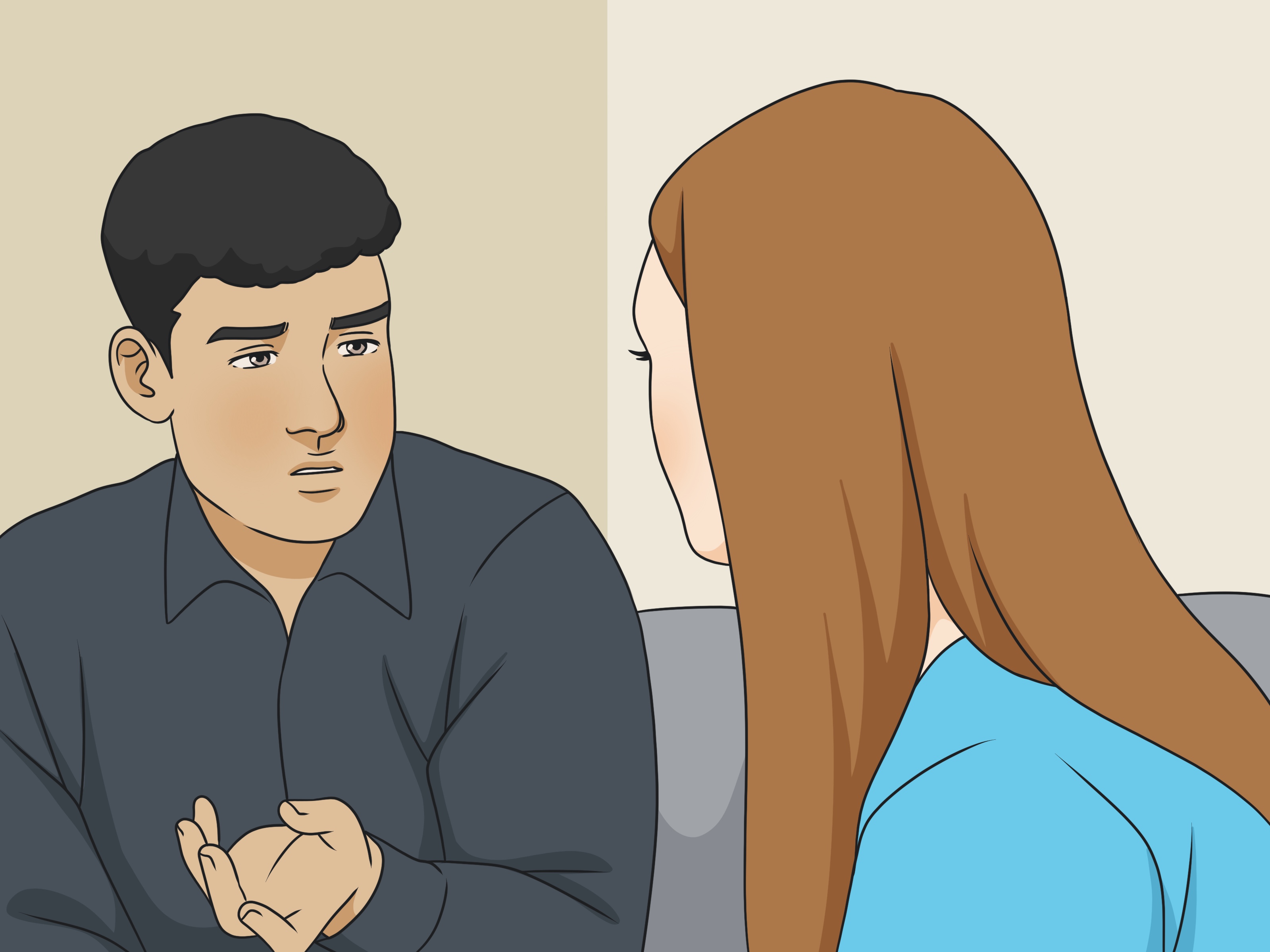
What If You Kissed Someone Else?
If you kissed someone else and you believe it crossed a line, the next step is not to panic, rewrite history, or suddenly become a professional magician with disappearing evidence. The next step is honesty and accountability.
Be Honest Quickly
Delaying the truth often makes the betrayal worse. Your partner may be hurt by the kiss, but they may be even more hurt by secrecy. Tell them what happened without trickle-truthing. Trickle-truthing is when someone reveals the truth in tiny, painful installments, usually after being caught. It destroys trust faster than the original mistake.
Do Not Blame Your Partner
Avoid saying, “I kissed them because you’ve been distant.” Relationship problems may need attention, but they do not excuse betrayal. A better approach is: “I made a choice that hurt you, and I understand why it crossed a line.” Accountability is not glamorous, but it is much more attractive than blame-shifting in a fake mustache.
Clarify What It Meant
Your partner will likely want to know whether the kiss meant something. Be honest. Was it attraction? Loneliness? Revenge? Alcohol? Confusion? Validation? A moment of bad judgment? Understanding the “why” does not erase the pain, but it can help both partners decide what needs to happen next.
Respect Their Reaction
Your partner may need time, space, questions, reassurance, or a decision you do not like. You do not get to decide how quickly they should “get over it.” Trust is not a microwave burrito; you cannot just heat it for two minutes and expect the center to be fine.
What If Your Partner Kissed Someone Else?
If your partner kissed someone else, your feelings are valid. You may feel angry, embarrassed, sad, numb, confused, or weirdly calm for six hours and then furious while unloading the dishwasher. Betrayal can arrive in waves.
Start by getting clear information. What happened? Who was involved? Was it one time? Was it hidden? Were there messages before or after? Did your partner confess voluntarily or only after being caught? These details matter because they show whether the kiss was an isolated mistake or part of a larger pattern.
Then decide what you need. You may need an apology, transparency, boundaries with the other person, couples counseling, or time apart. You may also decide the relationship no longer feels safe. Forgiveness is optional. Rebuilding is optional. Your job is not to perform coolness for someone who broke your trust.
How Couples Can Define Cheating Before It Happens
The best time to define cheating is before someone is apologizing with the energy of a defendant in a courtroom drama. Every couple should have a boundaries conversation, especially as the relationship becomes serious.
Questions to Ask Each Other
- Do we consider kissing someone else cheating?
- Are cheek kisses or cultural greetings okay?
- What counts as flirting?
- Are friendships with exes acceptable?
- What are our boundaries around texting, DMs, and late-night conversations?
- What should we do if one of us feels attracted to someone else?
- What level of honesty do we expect after a mistake?
These questions may feel awkward, but awkward is cheaper than heartbreak. Clear expectations prevent misunderstandings and reduce the chance of one partner saying, “I didn’t think it counted,” while the other mentally packs a suitcase.
Can a Relationship Survive a Kiss?
Yes, many relationships can survive a kiss, especially if the person who crossed the line takes responsibility, tells the truth, shows remorse, and changes the behavior that led to it. A single kiss does not automatically mean the relationship is doomed. But it does mean trust has been damaged, and trust needs active repair.
Repair may include honest conversations, clearer boundaries, temporary distance from the person involved, therapy, and consistent trustworthy behavior over time. The person who was hurt may need reassurance. The person who caused the hurt may need patience. Both people need to decide whether rebuilding is truly what they want.
However, if kissing others becomes a pattern, or if it is paired with lying, gaslighting, blame, or emotional manipulation, the issue is bigger than a kiss. At that point, the relationship may not be dealing with one mistake. It may be dealing with ongoing disrespect.
So, Is Kissing Cheating? The Final Answer
In most exclusive relationships, romantic or sexual kissing is cheating. A passionate kiss, a secret kiss, a drunk kiss, a kiss with an ex, or a kiss you would hide from your partner usually crosses the line. A cultural greeting or family cheek kiss usually does not. The difference is intention, intimacy, secrecy, and the agreements in your relationship.
The healthiest answer is not “kissing is always cheating” or “kissing never counts.” The healthiest answer is: kissing is cheating when it violates the trust and boundaries of your relationship. If you and your partner define those boundaries clearly, you will spend less time decoding gray areas and more time enjoying the relationshipideally without surprise guest appearances from other people’s mouths.
Real-Life Experiences: When a Kiss Becomes a Big Deal
One common experience is the “it happened so fast” kiss. Someone goes out with friends, drinks more than planned, receives attention from an attractive stranger, and suddenly a quick kiss happens. The person may wake up the next day full of regret and insist it meant nothing. Sometimes that is true. But for the partner, the pain is rarely about whether wedding bells were ringing in the background. It is about the fact that, for one moment, the relationship boundary was not protected.
Another familiar situation is the coworker kiss. This one often starts long before the kiss itself. Maybe there are inside jokes, daily messages, lunches that feel slightly too personal, and complaints about each other’s relationships. Then one late night after a work event, the emotional tension turns physical. In this case, the kiss is not just a random mistake. It is the result of a boundary that slowly dissolved while both people pretended nothing was happening. The lesson? If you would not show your partner the message thread, the problem probably began before the kiss.
Then there is the ex kiss, which comes with its own emotional luggage carousel. A person meets an ex “just to catch up,” talks about old memories, feels seen in a familiar way, and ends the night with a kiss that supposedly “didn’t mean anything.” But an ex is rarely neutral territory. Even when there is no plan to restart the relationship, the kiss can reopen emotional doors and make the current partner feel compared, threatened, or disrespected.
Some couples also experience the party-game kiss: spin the bottle, a dare, a joke, a playful atmosphere. One partner thinks it is silly. The other feels humiliated. Neither person may have intended harm, but the mismatch in boundaries becomes painfully clear. This is why couples should talk about social boundaries before the party, not in the car afterward while one person stares out the window like they are in a sad music video.
There are also couples who recover well after a kiss. The person who made the mistake admits it quickly, answers questions honestly, cuts off inappropriate contact, and shows through actionsnot dramatic speechesthat the relationship matters. The hurt partner may still struggle, but consistency helps. Trust returns slowly when words and behavior finally start wearing the same outfit.
Other couples do not recover, and that can be valid too. Sometimes the kiss confirms a deeper issue: poor boundaries, unresolved feelings, repeated dishonesty, or a lack of respect. Leaving after a kiss does not mean someone is “overreacting.” Staying does not mean someone is weak. The right choice depends on the relationship, the pattern, the repair effort, and the emotional safety of both people involved.
The biggest takeaway from these experiences is simple: a kiss is rarely only about lips. It is about trust, choice, context, and care. If you are unsure whether something counts as cheating, ask before it happens. If you already crossed the line, tell the truth. And if you were hurt by a partner’s kiss, you are allowed to define what trust means to you. Your boundaries do not need a courtroom defense. They only need to be honest, healthy, and respected.
Conclusion
Kissing can be romantic, casual, cultural, playful, or deeply meaningfulbut in an exclusive relationship, a romantic or sexual kiss with someone else is usually considered cheating. The clearest way to understand it is to focus less on the technical act and more on the trust behind it. Was it hidden? Was it wanted? Was it intimate? Would it hurt your partner? Did it break an agreement? If yes, then the kiss crossed a line.
Healthy relationships are built on communication, honesty, and shared expectations. So instead of waiting for a messy situation to define your boundaries, talk about them early. Decide what counts as cheating, what feels disrespectful, and what each of you needs to feel secure. Love may be complicated, but your relationship rules do not have to be written in invisible ink.
Note: This article is for general informational and relationship-education purposes only. It is not a substitute for therapy, legal advice, or professional counseling.