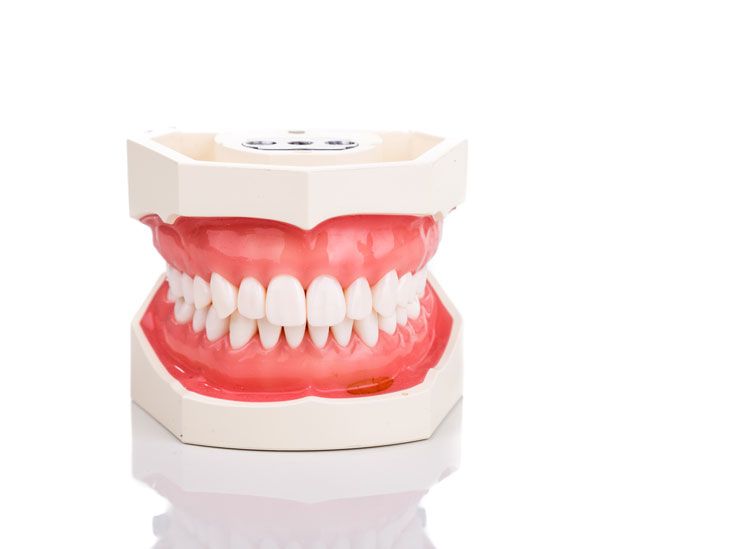
Healthy gums are the quiet bodyguards of your smile. They do not ask for applause, they do not trend on social media, and they rarely get compliments at dinner parties. Yet every tooth in your mouth depends on them. When your gums are healthy, they fit snugly around your teeth, help protect against harmful bacteria, and make your whole mouth feel cleaner, fresher, and more comfortable. When they are neglected, they can become red, swollen, tender, or likely to bleed. That is usually your mouth waving a little red flag and saying, “Hey, we need to talk.”
The good news is that gum health is not mysterious. You do not need a luxury bathroom, a gold-plated toothbrush, or a 47-step oral care routine that requires its own calendar invitation. Most people can protect their gums with a few consistent habits: brushing well, cleaning between teeth, visiting the dentist, choosing smart foods and drinks, avoiding tobacco, and paying attention to early warning signs. Simple? Yes. Optional? Not if you enjoy chewing, smiling, and not having your gums stage a rebellion.
This guide breaks down six practical, dentist-approved ways to keep your gums healthy. It is written for real life, where people drink coffee, forget to floss sometimes, and occasionally eat popcorn that tries to move into the back molars permanently. Let’s make gum care easier, smarter, and a little less boring.
Why Gum Health Matters More Than You Think
Gum disease, also called periodontal disease, begins when plaque builds up along and under the gumline. Plaque is a sticky film of bacteria that forms on teeth. If it is not removed, it can harden into tartar, which cannot be brushed away at home. Early gum disease is called gingivitis. At this stage, gums may look red, swollen, or bleed easily. The encouraging part is that gingivitis can often be reversed with good daily care and professional dental cleaning.
If gingivitis is ignored, it can progress into periodontitis, a more serious form of gum disease. Periodontitis can damage the tissues and bone that hold teeth in place. In advanced cases, teeth may loosen or even need to be removed. That sounds dramatic, but gum disease often develops quietly. You may not feel much pain early on, which is why routine dental visits matter so much. Your gums may be polite, but plaque is not.
Healthy gums usually fit firmly around teeth and do not bleed during normal brushing or flossing. Gum color can vary naturally from person to person, but puffiness, persistent bleeding, tenderness, gum recession, bad breath, or loose teeth should not be ignored. Think of your gums like the foundation of a house. You can paint the front door, decorate the porch, and buy fancy curtains, but if the foundation is in trouble, the whole structure needs attention.
1. Brush Twice a Day, But Brush Like You Mean It
Brushing twice daily is one of the most important ways to keep your gums healthy. But brushing is not just about moving foam around your mouth while thinking about breakfast. Technique matters. Use a soft-bristled toothbrush and fluoride toothpaste. Aim for two full minutes, twice a day. Place the bristles at a slight angle toward the gumline and use gentle, small strokes. Your goal is to clean the area where teeth and gums meet, not scrub your mouth like a dirty pan.
Many people brush too hard, believing more pressure equals cleaner teeth. In reality, aggressive brushing can irritate gums and contribute to gum recession over time. If your toothbrush bristles look like they survived a hurricane after two weeks, you may be using too much force. A soft touch is usually better. Electric toothbrushes can help some people maintain better plaque control, but a manual toothbrush can still work well when used correctly.
Smart brushing tips for healthier gums
- Use a soft-bristled toothbrush and replace it every three to four months, or sooner if the bristles fray.
- Brush for two minutes, twice daily, especially before bed.
- Do not forget the gumline, back teeth, and tongue.
- Use fluoride toothpaste to help protect tooth enamel.
- Avoid brushing immediately after acidic drinks; wait a bit so enamel is less vulnerable.
Brushing before bedtime is especially important because saliva flow slows during sleep. Saliva helps wash away food particles and neutralize acids. If you go to bed with plaque and sugar hanging around your gums, bacteria get a quiet little overnight buffet. Your gums deserve better hospitality rules.
2. Clean Between Your Teeth Every Day
Your toothbrush is excellent, but it is not a magician. It cannot fully clean the tight spaces between teeth. That is where floss or other interdental cleaners come in. Cleaning between teeth helps remove plaque and food debris from places your brush cannot reach. This is especially important for gum health because bacteria love to hide between teeth and along the gumline like tiny villains in a dental crime movie.
Traditional string floss works well for many people. Slide it gently between teeth, curve it into a C-shape around each tooth, and move it up and down along the side of the tooth. Avoid snapping it into your gums. Floss is supposed to help your gums, not jump-scare them. If string floss is difficult, ask your dentist about floss picks, interdental brushes, soft picks, or water flossers. The best tool is the one you can use correctly and consistently.
What if your gums bleed when you start flossing?
Bleeding gums can be a sign of inflammation, especially if plaque has been sitting between teeth for a while. Some mild bleeding may improve as your gums become healthier with consistent cleaning. However, bleeding that continues, worsens, or appears with swelling, pain, or bad breath should be checked by a dental professional. Do not treat bleeding gums as “normal.” Your gums are not supposed to act like a drama series every time floss appears.
Flossing once a day is a realistic goal. Many people prefer doing it at night before brushing, so loosened plaque and food particles can be brushed away afterward. The order is less important than consistency, but flossing before brushing may help fluoride toothpaste reach more tooth surfaces. Whatever routine you choose, make it easy. Keep floss where you will actually use it, not hidden in a drawer beside expired travel shampoo.
3. Visit Your Dentist Before There Is a Crisis
Regular dental visits are essential for gum disease prevention. Even excellent brushing and flossing cannot remove hardened tartar. Professional cleanings help remove plaque and tartar buildup, while dental exams allow early detection of gingivitis, cavities, gum recession, bite issues, and other problems. Waiting until something hurts is like waiting until smoke fills the kitchen before checking whether the oven is on.
Many adults benefit from dental checkups and cleanings at least once or twice a year, but some people need more frequent visits. If you have a history of gum disease, diabetes, dry mouth, tobacco use, pregnancy-related gum changes, braces, dental implants, or certain medications, your dentist may recommend a different schedule. Personalized dental care is not overkill; it is prevention with a plan.
What happens during a gum health check?
Your dentist or hygienist may measure the spaces between your gums and teeth, called periodontal pockets. Shallow pockets are usually healthier. Deeper pockets can suggest gum disease and may trap bacteria. The dental team may also check for bleeding, gum recession, loose teeth, bite problems, and signs of infection. If gum disease is found early, treatment is usually easier and more effective.
Professional cleanings are not a punishment for imperfect flossing. They are maintenance. You take your car in for oil changes, update your phone before it becomes a digital potato, and occasionally clean the lint trap in the dryer. Your mouth deserves the same level of practical respect.
4. Eat and Drink in a Way Your Gums Appreciate
Diet affects oral health. Sugary foods and drinks feed bacteria that produce acids, increasing the risk of tooth decay. While gum disease is more complex than sugar alone, a nutritious diet supports the tissues in your mouth and helps your body respond to inflammation. Your gums are living tissue, not decorative trim. They need nutrients, hydration, and fewer daily sugar attacks.
Try to limit frequent snacking on sticky sweets, candies, pastries, and sugary drinks. The frequency matters because every sugar exposure gives bacteria another chance to produce acid. Sipping soda or sweet tea all afternoon is like giving mouth bacteria a season pass. Water, especially fluoridated tap water where available, is a better everyday drink for oral health. It helps rinse away debris and supports saliva production.
Foods that support a gum-friendly routine
- Crunchy fruits and vegetables, such as apples, carrots, and celery, as part of a balanced diet.
- Leafy greens, beans, nuts, and whole grains for overall nutrition.
- Dairy products or fortified alternatives that support tooth-friendly mineral intake.
- Lean proteins that help support tissue repair and immune function.
- Water instead of sugary or acidic drinks most of the time.
Sugar-free gum with xylitol may also help stimulate saliva after meals, but it should not replace brushing or cleaning between teeth. Think of it as a helpful assistant, not the CEO of oral hygiene. If you have jaw pain, dental appliances, or specific dental concerns, ask your dentist whether chewing gum is a good option for you.
5. Avoid Tobacco and Manage Health Conditions That Affect Gums
Tobacco is one of the biggest enemies of healthy gums. Smoking and other tobacco use can increase the risk of periodontal disease, make gum infections more severe, and slow healing. Tobacco can also hide early warning signs by reducing gum bleeding, which may sound convenient until you realize it can make gum disease harder to notice. That is not a feature; that is a dental plot twist.
If you use tobacco, quitting is one of the most powerful steps you can take for gum health and overall health. Your dentist or doctor can help you find support. Gum health is also closely connected with certain medical conditions. Diabetes, for example, can increase the risk of gum disease, and gum disease can make blood sugar management more difficult. Dry mouth, some medications, hormonal changes, immune conditions, and stress can also affect your mouth.
Tell your dentist about your health history
Your dental team should know if you have diabetes, take blood thinners, use inhalers, experience dry mouth, are pregnant, have immune system concerns, or have recently changed medications. This information helps them tailor your gum care. The mouth is part of the body, even though dental insurance sometimes acts like it lives on a separate planet.
If your gums are red, swollen, tender, pulling away from teeth, or bleeding easily, schedule a dental visit. If you notice persistent bad breath, pus, changes in your bite, or loose teeth, do not wait. Early care can prevent small problems from becoming expensive, uncomfortable, and emotionally rude.
6. Use Mouthwash Wisely, Not Magically
Mouthwash can be a helpful addition to a gum health routine, especially therapeutic rinses designed to reduce plaque, gingivitis, or bacteria. But mouthwash is not a replacement for brushing and cleaning between teeth. Swishing for 30 seconds after skipping floss for six months is like spraying air freshener on a messy room and calling it cleaning. Nice minty breeze, still a problem.
Look for products with the ADA Seal of Acceptance when possible, and choose a mouthwash based on your needs. Some rinses focus on fluoride for cavity protection. Others are antiseptic or antimicrobial and may help reduce plaque and gingivitis. Prescription rinses, such as chlorhexidine, should be used exactly as directed by a dentist because they may have side effects like staining or taste changes.
How to make mouthwash work better
- Use mouthwash as a supplement, not a substitute for brushing and interdental cleaning.
- Follow the label directions for amount and rinsing time.
- Ask your dentist which type is best for bleeding gums, dry mouth, braces, implants, or sensitivity.
- Avoid eating or drinking right after use if the label recommends waiting.
- Do not assume a strong burn means better cleaning; comfort and effectiveness are not the same thing.
If your mouthwash stings badly, dries your mouth, or causes irritation, switch products or ask your dentist. People with dry mouth may need alcohol-free options. Kids should only use mouthwash when age-appropriate and under adult guidance. The goal is healthier gums, not proving you can survive a mint-flavored volcano.
Signs Your Gums Need Professional Attention
Some gum symptoms should not be ignored. Occasional irritation from brushing too hard may improve when you switch to a softer technique. But ongoing symptoms deserve a dental exam. Watch for gums that bleed regularly, appear swollen, feel tender, recede from the teeth, or look shiny and inflamed. Persistent bad breath, a bad taste, loose teeth, pain while chewing, or pus near the gumline are also warning signs.
Do not panic if you notice a problem. Gum issues are common, and dentists see them every day. The key is not to pretend everything is fine while your gums send daily distress signals. Early gingivitis is often reversible. More advanced gum disease may require deep cleaning, also called scaling and root planing, or other periodontal care. The sooner you act, the more options you usually have.
A Simple Daily Gum Health Routine
If you want a realistic routine, start here: brush every morning and every night for two minutes with fluoride toothpaste. Clean between your teeth once a day. Drink water often. Limit sugary snacks and drinks. Use mouthwash if your dentist recommends it or if it fits your needs. Do not use tobacco. See your dentist regularly. That is the core plan.
The secret is not perfection. The secret is consistency. Missing one night of flossing does not doom your gums forever. But ignoring gum care for months can cause problems. Make the habit easy. Keep floss near your toothbrush. Use a timer or electric toothbrush. Put dental visits on your calendar before life gets chaotic. Choose tools you like enough to use. Your gums do not need a heroic speech; they need daily maintenance.
Personal Experience: What Healthy Gum Habits Look Like in Real Life
In real life, keeping your gums healthy is less about dramatic transformations and more about tiny choices that add up. Most people do not wake up one day and say, “Today I become a gum health legend.” It usually starts after noticing bleeding while brushing, a dentist mentioning plaque buildup, or a hygienist giving that polite but terrifying look that says, “We both know floss has not been part of your lifestyle recently.”
One useful experience many people share is that gum care becomes easier when the tools are visible. Floss hidden in a cabinet is floss that has entered retirement. Place floss picks, string floss, or interdental brushes near the toothbrush, in a travel bag, or even beside the TV remote if that helps you remember. Some people clean between their teeth while watching a show at night. Is it glamorous? No. Does it work? Very possibly. Gums do not care if the routine looks cinematic.
Another practical lesson is that gentle brushing feels strange at first if you are used to scrubbing hard. Many people assume bleeding means they need to brush harder, but the opposite is often true. A soft-bristled brush, small motions, and patient cleaning along the gumline can make a noticeable difference. If an electric toothbrush has a pressure sensor, that little warning light can be humbling. It basically says, “Please stop sanding your teeth.”
Food habits also matter in everyday ways. You do not have to swear off birthday cake or treat soda like a forbidden artifact. But sipping sugary drinks all day is rough on your mouth. A realistic approach is to enjoy sweets with meals, drink water afterward, and avoid turning snacks into an all-day grazing festival. Keeping a water bottle nearby helps, especially for people who drink coffee or talk a lot during the day. A hydrated mouth is generally a happier mouth.
Dental visits can also change the way you think about gum care. A professional cleaning often makes your mouth feel reset, almost like your teeth got back from vacation. More importantly, a dentist or hygienist can point out exactly where plaque collects in your mouth. For example, some people miss the inside surfaces of lower front teeth. Others struggle around back molars, crowns, bridges, braces, or crowded teeth. Personalized advice beats guessing.
The biggest experience-based takeaway is this: gum health improves when the routine becomes boring. Boring is good. Boring means you brush, floss, rinse if needed, drink water, and schedule cleanings without turning oral care into a personal crisis. Healthy gums are built through repeatable habits, not one heroic night of flossing so intense your bathroom mirror questions your motives.
Conclusion: Healthy Gums Are a Daily Investment
Keeping your gums healthy does not require perfection, expensive products, or a personality based entirely on dental floss. It requires steady habits. Brush twice a day with fluoride toothpaste. Clean between your teeth daily. Visit your dentist regularly. Eat and drink in a way that supports your mouth. Avoid tobacco. Use mouthwash wisely. Pay attention when your gums bleed, swell, or feel tender.
Your gums support your teeth every hour of every day. Give them a little respect, and they are much more likely to return the favor with comfort, stability, and a smile that feels as healthy as it looks. Gum care may not be glamorous, but neither is dealing with preventable dental problems. Choose the boring routine. Your future mouth will be thrilled.