There are two kinds of people in the world: people who think insoles are boring, and people who have stood on concrete for eight hours and suddenly become very passionate about arch support. If your feet have ever staged a small protest inside your sneakers, work boots, flats, or running shoes, the right pair of insoles can feel less like an accessory and more like a peace treaty.
The best insoles of 2023 were not simply soft pieces of foam tossed into shoes like tiny mattresses. Footwear experts, podiatrists, runners, walkers, nurses, travelers, hikers, and everyday “my feet hurt by 3 p.m.” people increasingly looked for smarter support: firm heel cups, targeted cushioning, breathable materials, arch-specific shapes, and designs that help reduce fatigue without making shoes feel like overstuffed burritos.
This guide breaks down what made the top insoles stand out in 2023, which types of feet they fit best, and how to choose the right pair without needing a degree in podiatric wizardry.
Why Insoles Matter More Than Most People Think
Insoles, also called shoe inserts or over-the-counter orthotics, can help improve comfort, support arches, cushion impact, and reduce stress on tired feet. They are commonly used by people with flat feet, high arches, plantar fasciitis, heel pain, overpronation, knee discomfort, and general foot fatigue. However, they are not magic. A good insole can support and comfort your feet, but it cannot permanently “fix” every biomechanical issue or replace medical care when pain is severe or ongoing.
Think of insoles like ergonomic office chairs for your shoes. A good chair will not do your job for you, answer emails, or stop your boss from saying “quick meeting.” But it can make the day a lot less painful. Insoles work the same way: they help your feet tolerate the job of carrying you around.
How Footwear Experts Evaluate the Best Insoles
Footwear experts typically look beyond “is it squishy?” because squishy is not always supportive. In fact, overly soft insoles may feel delightful for five minutes and then collapse like a cheap lawn chair. The best insoles of 2023 usually performed well in these areas:
Arch Support
Arch support should match your foot type. Flat feet often need structured support to limit excessive inward rolling, while high arches may need cushioning plus a supportive contour that distributes pressure more evenly. Medium arches usually do well with balanced support that is neither too aggressive nor too flimsy.
Heel Cup Stability
A deep heel cup helps cradle the heel and guide foot alignment. This is especially useful for people with heel pain, plantar fasciitis, or instability during walking and running. A supportive heel cup can make your foot feel less like it is sliding around in a tiny indoor skating rink.
Cushioning and Shock Absorption
Good cushioning helps absorb impact during walking, running, hiking, or standing. The best cushioning is not always the thickest; it is the kind that softens impact while keeping the foot stable.
Fit and Shoe Compatibility
The best insole in the world becomes useless if it turns your shoe into a toe-crushing chamber. Insoles should fit your shoe type, whether you wear athletic shoes, work boots, hiking boots, dress shoes, or casual sneakers. Some are full-length, some are three-quarter length, and many can be trimmed.
Breathability and Durability
Feet sweat. This is not glamorous, but it is very real. Breathable top covers, odor-control materials, and durable foam can make a big difference, especially for runners, workers, and anyone whose shoes have ever developed a personality of their own.
Best Overall Insoles of 2023
Superfeet Green All-Purpose Support Insoles
Best for: high arches, firm support, everyday sneakers, hiking shoes, and people who want serious structure.
Superfeet Green was one of the most frequently recommended insoles in 2023 because it offers a high-profile shape, firm arch support, and a deep heel cup. It is not the softest option, and that is exactly the point. This insole is designed for people who want strong support rather than pillow-like cushioning.
The Superfeet Green works especially well in shoes with removable factory insoles and enough volume to handle a thicker insert. It is a strong choice for walkers, hikers, and people with high arches who need their feet to feel guided instead of abandoned.
What to know: If you prefer plush cushioning or have very sensitive feet, the firmness may take time to adjust to. Start with short wear periods before going full “I shall now walk six miles in these.”
Best Insoles for Plantar Fasciitis
PowerStep Pinnacle Insoles
Best for: heel pain, plantar fasciitis, moderate arch support, and all-day wear.
PowerStep Pinnacle earned a strong reputation among podiatrists and everyday users because it combines semi-rigid arch support with a cushioned top layer. For plantar fasciitis, the goal is often to reduce strain on the plantar fasciathe band of tissue running along the bottom of the footwhile supporting the arch and heel.
This insole is a solid middle-ground choice: firmer than a basic foam insert, but not as aggressive as some high-arch orthotics. It fits many athletic and casual shoes and offers enough cushioning for people who stand or walk for long periods.
What to know: Plantar fasciitis can have different causes. If heel pain persists, worsens, or appears suddenly after injury, see a podiatrist instead of simply collecting insoles like trading cards.
Best Budget Insoles
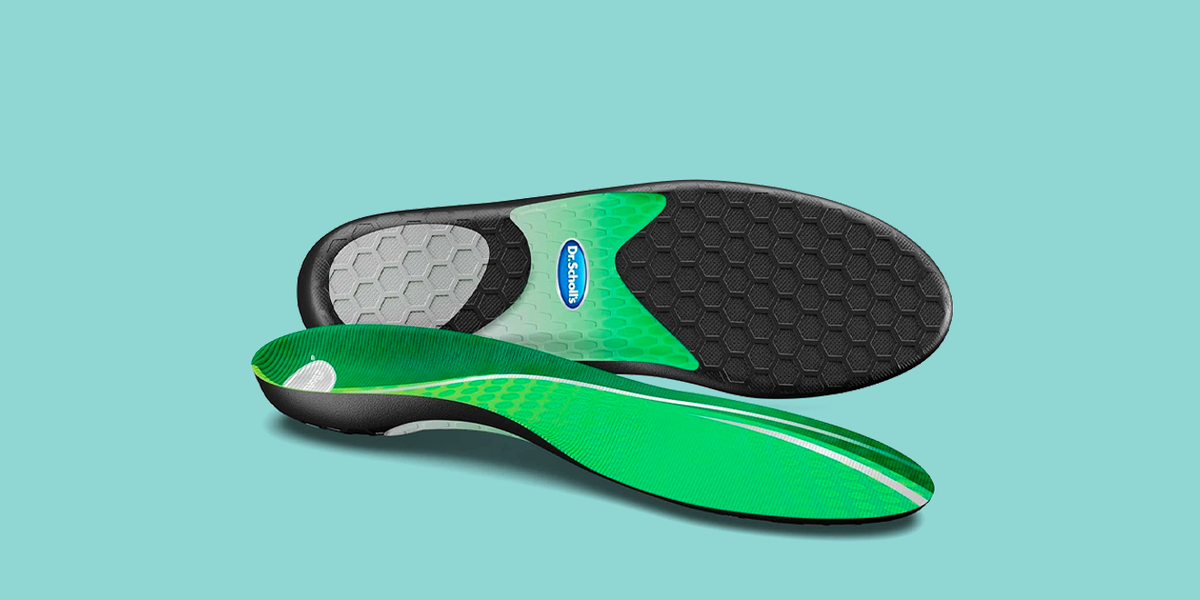
Dr. Scholl’s Plantar Fasciitis Pain Relief Insoles
Best for: affordable heel support, casual shoes, and people trying insoles for the first time.
Dr. Scholl’s remains one of the most accessible insole brands in the United States, and its plantar fasciitis-focused inserts were widely recommended in 2023 for budget-conscious buyers. These insoles usually provide heel cushioning, arch support, and shock absorption at a lower price than many specialty orthotics.
They are especially useful for someone who wants to upgrade basic sneakers, work shoes, or daily walking shoes without spending premium money. They are also easy to find in drugstores and major retailers, which is convenient when your feet decide to become dramatic on a Tuesday.
What to know: They may not offer enough structure for severe overpronation, very high arches, or complex foot conditions.
Best Insoles for Running
Currex RunPro Insoles
Best for: runners, active walkers, gym shoes, and arch-specific support.
Currex RunPro stood out in 2023 because it was designed with runners in mind. Unlike one-shape-fits-everyone inserts, Currex offers different arch profiles, helping users match the insole to their foot shape. That matters because running multiplies impact forces, and a poorly matched insert can feel awkward fast.
RunPro insoles are lightweight, breathable, and shaped to support natural movement. They are not intended to turn you into an Olympic sprinter overnight, sadly. But they can help reduce fatigue and improve comfort in shoes that already fit well.
What to know: Running insoles should not be used to rescue worn-out running shoes. If your shoes are dead, insoles are not resurrection technology.
Best Insoles for Walking and Standing All Day
Spenco PolySorb Cross Trainer Insoles
Best for: walking, gym workouts, standing jobs, shock absorption, and moderate support.
Spenco PolySorb Cross Trainer insoles are popular because they balance cushioning with support. They are often recommended for active people who want impact protection without an overly rigid feel. The forefoot and heel cushioning can be helpful for people who spend long hours on hard surfaces.
These insoles work well in athletic shoes, training shoes, and roomy casual footwear. They are a practical option for teachers, retail workers, healthcare workers, warehouse staff, travelers, and anyone whose step count looks like they accidentally joined a marching band.
What to know: They may feel too thick for tight dress shoes or narrow sneakers.
Best Insoles for Flat Feet
Redi-Thotics Flex Orthotic Insoles
Best for: flat feet, overpronation, and people who need structured arch control.
Flat feet often need more than soft cushioning. They usually benefit from a firm, supportive structure that helps reduce excessive inward rolling of the foot. Redi-Thotics Flex insoles are often recommended for this purpose because they provide a stronger arch shape and stabilizing support.
They can be helpful for walking shoes, work shoes, and athletic footwear where the user needs more control. For some people, this can reduce foot fatigue and improve comfort up the chain, including ankles, knees, and hips.
What to know: Structured insoles can feel unusual at first. Break them in gradually, especially if your feet are used to flat factory inserts that provide about as much support as a damp napkin.
Best Insoles for High Arches
EasyFeet Plantar Fasciitis Arch Support Insoles
Best for: high arches, firm arch support, heel cushioning, and people who want noticeable support.
High arches can create pressure points because weight is not always distributed evenly across the foot. EasyFeet insoles became a popular choice for people who wanted strong arch support with additional cushioning in the heel and forefoot areas.
They are especially useful in athletic shoes and walking shoes with enough depth. The combination of firm support and gel-style cushioning can help people who feel pressure under the heel or ball of the foot.
What to know: Very firm arch support is not for everyone. If the arch feels like a small mountain under your foot, do not force it.
Best Insoles for Hiking Boots
Obōz O Fit Plus II Insoles
Best for: hiking, trail walking, boots, stability, and outdoor comfort.
Hiking insoles need to do a tough job. They must support the foot on uneven terrain, cushion repeated impact, and stay comfortable for long miles. Obōz O Fit Plus II insoles were frequently praised for their deep heel cup, shock absorption, and supportive shape.
They are a good upgrade for hiking boots whose original footbeds have flattened out. On trails, foot stability matters because uneven ground can challenge ankles, knees, and hips. A supportive hiking insole can make long walks feel more controlled and less punishing.
What to know: Test them before a major hike. Breaking in new insoles on a mountain is how blisters write their villain origin story.
Best Insoles for Work Boots
Timberland PRO Anti-Fatigue Technology Insoles
Best for: work boots, hard floors, standing jobs, and shock absorption.
Work boots often come with durable uppers and protective soles, but the factory insoles can be underwhelming. Timberland PRO Anti-Fatigue insoles are built for people who spend hours standing, walking, climbing, or working on unforgiving surfaces.
Their main strength is cushioning and energy return. They are not the most aggressive orthotic for arch correction, but they can make work boots more comfortable for long shifts.
What to know: Check boot volume. Thick insoles can lift the foot and make the toe box feel tighter.
Best Slim Insoles for Dress Shoes
Vionic Slimfit Orthotic Insoles
Best for: flats, dress shoes, low-volume shoes, and discreet support.
Dress shoes are famous for looking polished while quietly plotting against your feet. Vionic Slimfit insoles offer a more compact orthotic option for shoes that cannot accommodate a bulky full-length insert.
These insoles are useful for office shoes, flats, loafers, and some low-profile footwear. They provide more support than many fashion-shoe footbeds without dramatically changing the shoe fit.
What to know: Slim insoles usually cannot provide the same cushioning as full-length athletic inserts. They are a compromise, but often a very useful one.
How to Choose the Best Insoles for Your Feet
Know Your Arch Type
Look at your wet footprint on a safe surface or check the wear pattern on your shoes. A very full footprint often suggests flat feet, while a narrow connection between heel and forefoot may suggest high arches. Medium arches fall somewhere between. This is not a medical diagnosis, but it can help you shop smarter.
Match the Insole to the Activity
Running insoles should be lightweight and breathable. Hiking insoles should be stable and durable. Work insoles should handle long hours and hard floors. Dress-shoe insoles should be slim. One pair may work across several shoes, but the best results usually come from matching the insert to the job.
Prioritize Support Over Squish
A marshmallow-soft insole can feel amazing in the store and disappointing by lunchtime. Supportive insoles usually have some structure, especially around the arch and heel. Your feet need comfort, yes, but they also need guidance.
Check Shoe Fit After Inserting
Remove the original shoe liner before adding a full-length insole unless the brand says otherwise. Your toes should still have room to move, your heel should not slip, and the shoe should not feel tight across the top.
Break Them In Slowly
Wear new insoles for one or two hours at first, then increase gradually. Your feet, ankles, knees, and hips may need time to adjust to the new support. If pain gets worse, stop using them and consider professional advice.
Common Mistakes to Avoid When Buying Insoles
Buying only for softness: Cushioning is nice, but support matters more for many foot issues.
Ignoring shoe type: A thick athletic insole may not fit a slim loafer. Physics remains rude but undefeated.
Expecting instant miracles: Insoles can help, but they are not tiny doctors living in your shoes.
Using insoles in worn-out shoes: If the shoe midsole is crushed or the outsole is uneven, new insoles will not fully solve the problem.
Skipping medical care for serious symptoms: Numbness, swelling, sharp pain, diabetic foot concerns, injury-related pain, or worsening symptoms should be evaluated by a qualified healthcare professional.
Expert Takeaway: What Made the Best Insoles of 2023 Stand Out?
The best insoles of 2023 shared one important trait: they were purpose-built. Instead of promising to work for every foot, every shoe, every sport, and every pain complaint, the strongest options targeted specific needs. Superfeet Green delivered firm structure. PowerStep Pinnacle balanced support and cushioning for heel pain. Currex RunPro focused on runners. Spenco PolySorb helped with shock absorption. Vionic Slimfit made support possible in dressier shoes.
That is the real secret. The “best” insole is not always the most expensive, thickest, or most famous. It is the one that fits your foot, your shoe, your activity, and your tolerance for support. Your feet are not generic. Your insoles should not be either.
Real-Life Experience: What It Feels Like to Upgrade Your Insoles
The first time many people try quality insoles, the reaction is not dramatic. There is no movie soundtrack. No beam of golden light shines down on the shoe rack. Usually, the first thought is something like, “Hmm, that feels different.” Then, three hours later, the magic appears: your feet are not yelling at you.
For example, someone who works in retail might start the day feeling skeptical. Their shoes look fine from the outside, but the original insoles inside have become thin, flat, and emotionally unavailable. After swapping in a supportive pair like PowerStep Pinnacle or Spenco PolySorb, the difference may show up gradually. The heel feels more secure. The arch feels supported instead of collapsed. By the end of the shift, there may still be tiredness, but less of that deep, burning foot fatigue that makes the couch look like a five-star resort.
Runners often notice a different kind of change. A running insole such as Currex RunPro can make the shoe feel more personalized. The foot may sit more securely inside the shoe, especially during turns, hills, or longer efforts. The benefit is not that the insole makes running effortless. Running remains running, unfortunately. But the right insert can reduce distractions: less sliding, fewer hot spots, and a more stable landing.
Travelers may appreciate insoles even more. A vacation can quickly become a foot endurance event disguised as leisure. One minute you are admiring architecture; the next, your step counter says 17,000 and your feet are composing a resignation letter. Adding cushioned, supportive insoles to walking sneakers can make sightseeing more comfortable, especially on concrete sidewalks, museum floors, airports, and cobblestone streets that appear to have been designed by ankle enemies.
Hikers also learn quickly that factory insoles are often not enough. On flat ground, a basic shoe liner may feel acceptable. On a trail, with rocks, roots, downhill sections, and uneven surfaces, support becomes more important. A hiking-focused insole like Obōz O Fit Plus II or a firm option like Superfeet Green can make boots feel more stable. The heel cup helps keep the foot positioned, while the arch support helps reduce fatigue over miles.
The adjustment period is real, though. A supportive insole can feel strange at first, especially if your feet have spent years in flat, flexible inserts. Some people mistake “new support” for discomfort simply because their foot position has changed. That is why gradual break-in matters. Wear the insoles around the house, then for errands, then for a full day. Do not make the first test a wedding, a double shift, or a theme park trip unless you enjoy learning lessons the dramatic way.
Another practical lesson: one pair of insoles will not work in every shoe. Thick athletic inserts may be wonderful in sneakers but disastrous in narrow dress shoes. Slim orthotics may help in loafers but feel underpowered in work boots. Many people eventually keep different insoles for different shoes, which sounds excessive until your feet feel better and you suddenly become the kind of person who says, “Actually, these are my walking insoles.” Welcome to adulthood. It comes with arch support.
The most important experience-based tip is simple: listen to your feet. A good insole should feel supportive, stable, and increasingly comfortable as you adapt. It should not create sharp pain, numbness, rubbing, or pressure that gets worse. Feet are excellent messengers, even if they communicate mostly through complaints.
Conclusion
The best insoles of 2023 proved that small shoe upgrades can make a big difference in daily comfort. Whether you need firm arch support, heel pain relief, cushioning for long shifts, running stability, or a slimmer insert for dress shoes, there is likely an option that fits your lifestyle. The key is to choose based on your foot type, activity, shoe volume, and comfort goalsnot just the prettiest packaging or the squishiest foam.
For most people, the right insole will not feel like a luxury. It will feel like common sense that arrived late but brought snacks. Your feet carry you everywhere. Giving them better support is not dramatic. It is just smart.
Note: This article is for general educational and shopping guidance only. People with persistent pain, diabetes-related foot concerns, numbness, swelling, injury, or worsening symptoms should consult a podiatrist or qualified healthcare professional.