Some cakes are desserts. Others are tiny architectural miracles wearing buttercream and pretending to be innocent. A beautifully crafted cake can look like a blooming garden, a marble sculpture, a designer handbag, a dragon, a stack of pancakes, a sneaker, a wedding gown, or a suspiciously realistic cheeseburger that makes everyone at the party ask the most important question of modern civilization: “Wait… is that cake?”
The world of masterfully crafted cakes has exploded far beyond the old birthday-sheet-cake-with-balloon-borders era. Today’s cake artists use fondant, gum paste, modeling chocolate, ganache, edible paint, wafer paper, sugar glass, airbrushing, hand piping, sculpting tools, and a heroic amount of patience to create edible art that looks almost too good to cut. Almost. Let’s not get dramatic; cake still has a destiny, and that destiny usually involves forks.
This collection-style article celebrates the kind of cake photos that stop people mid-scroll. From hyper-realistic illusion cakes to vintage Lambeth piping, sculptural wedding cakes, botanical masterpieces, and whimsical birthday designs, these creations prove one thing: human creativity has no limits, especially when sugar is involved.
Why Masterfully Crafted Cakes Fascinate Us
Cake has always been linked to celebration, but modern cake design turns celebration into theater. A simple dessert becomes a reveal, a joke, a memory, and sometimes a full-blown optical illusion. The best cake photos work because they combine two powerful reactions: admiration and disbelief. First, we think, “That is beautiful.” Then we think, “There is no way that is edible.” Then someone cuts into it, and our brains quietly reboot.
Professional cake decorating is a mix of baking science, fine art, engineering, and storytelling. A cake must taste good, hold its structure, survive transport, suit the occasion, photograph beautifully, and avoid collapsing like a poorly planned camping tent. That is a lot of pressure for flour and eggs.
What makes crafted cakes especially compelling is the tension between permanence and impermanence. A painting may last for centuries, but a cake might last only until Uncle Dave finds the dessert table. Cake art is temporary by nature, which makes it feel even more precious. Every petal, fold, brushstroke, and piped shell exists for a short moment before becoming part of the celebration itself.
The Rise of Hyper-Realistic Cakes
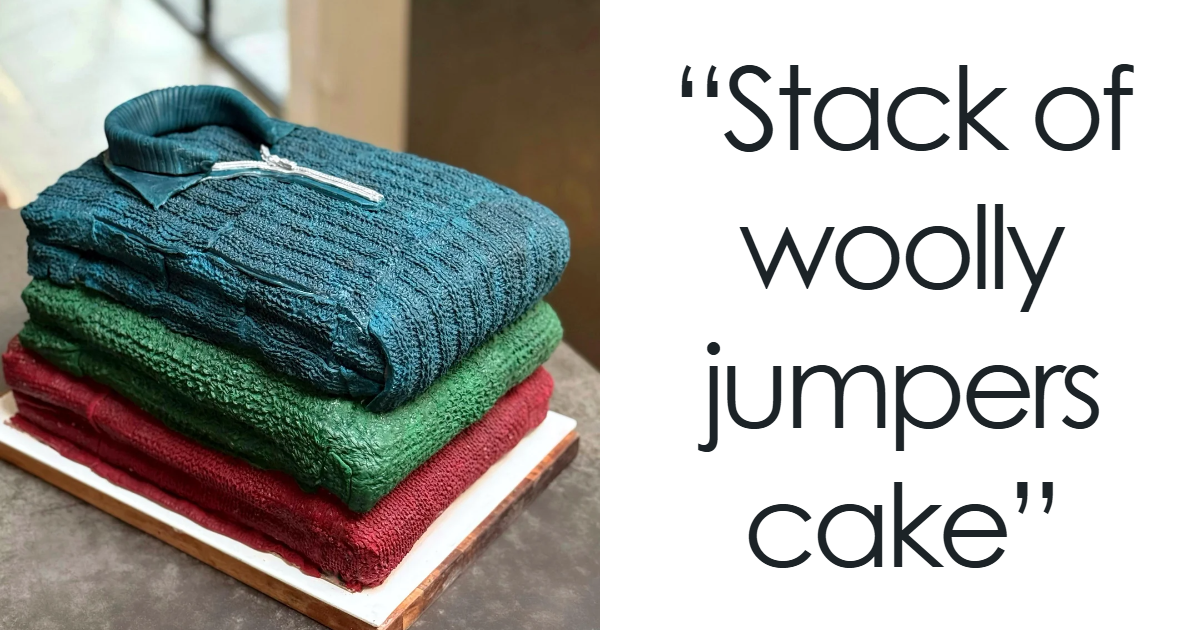
Hyper-realistic cakes, also known as illusion cakes, are among the most jaw-dropping examples of edible creativity. These cakes are designed to look like everyday objects: handbags, fruit baskets, soda cans, tacos, books, tools, sneakers, remote controls, plants, pets, and even human faces. The fun comes from the reveal. Viewers stare at a lineup of objects and try to guess which one is secretly vanilla sponge and buttercream in disguise.
The popularity of “Is it cake?” videos and competition shows helped bring this style into the mainstream. But the technique itself requires serious skill. A realistic cake usually starts with a sturdy sponge, often stacked and carved into shape. Then comes a base layer of buttercream or ganache, which smooths the surface and adds stability. Fondant or modeling chocolate is used to build the outer details, while edible colors, dusts, and airbrushing bring texture to life.
Examples of Hyper-Realistic Cake Ideas
Imagine a cake shaped like a leather purse, complete with edible stitching and a metallic-looking clasp. Or a cake that looks like a roasted turkey, golden skin and all, sitting proudly on a platter. Some cake artists recreate fast food so convincingly that a burger cake may have sesame seeds, lettuce folds, melted “cheese,” and grill marks made entirely from sugar-based materials.
These cakes are funny, impressive, and slightly chaotic in the best way. They make people question reality for a few seconds, which is more than most desserts can claim.
Fondant Cakes: Smooth, Sculptural, and Camera-Ready
Fondant is one of the most recognizable tools in modern cake artistry. It creates the smooth, polished surface often seen on wedding cakes, sculpted character cakes, and luxury celebration cakes. Rolled fondant can be draped over a crumb-coated cake, trimmed, smoothed, embossed, painted, and shaped into decorative elements.
Some people debate fondant’s flavor, and yes, fondant has been known to divide a room faster than pineapple on pizza. But visually, it is hard to beat. It allows decorators to create clean lines, sharp edges, fabric-like folds, edible bows, sculpted figures, geometric patterns, and flawless finishes. When used thoughtfully, fondant turns a cake into a blank canvas with excellent posture.
What Fondant Does Best
Fondant works beautifully for cakes that need a sleek appearance or detailed modeling. A princess castle cake, a cartoon character cake, a luxury handbag cake, or a minimalist wedding cake with sharp edges all benefit from fondant’s structure. It can also be mixed with gum paste for firmer decorations such as flowers, figurines, and delicate accents that need to hold their shape.
In many of the most masterfully crafted cake photos online, fondant is the quiet hero. You may not notice it first, but it is often responsible for the smooth surface that makes the final design look professional.
Buttercream Art: Soft, Delicious, and Full of Personality
Buttercream has made a major comeback, especially in vintage-inspired and highly textured cake designs. While fondant is often associated with precision, buttercream brings softness, movement, and flavor. It can be piped into shells, rosettes, ruffles, pearls, borders, flowers, lace patterns, and dramatic swirls. It can also be smoothed into a modern finish or left intentionally rustic for a romantic look.
Vintage Lambeth-style cakes are a perfect example. These ornate cakes feature layers of piped details, including garlands, scrolls, borders, and frills. Once associated with grand wedding cakes and old-school bakery windows, Lambeth piping has returned with a playful modern twist. Today’s versions may be pastel, neon, heart-shaped, cherry-topped, glittery, or delightfully over-the-top.
Why Vintage Cakes Are Trending Again
People are craving cakes that feel personal, nostalgic, and handmade. A vintage buttercream cake looks like it came from a glamorous family album, then went to a disco, then opened an Instagram account. It is charming, expressive, and unapologetically decorative. Instead of hiding the decorator’s hand, it celebrates it.
Buttercream cakes also photograph beautifully. The shadows created by piped textures give depth to the design, while soft colors and glossy cherries add visual drama. One well-piped cake can look romantic, funny, elegant, or theatrical depending on the color palette and decorations.
Sugar Flowers and Botanical Cakes
Some of the most breathtaking cake photos feature sugar flowers so realistic they look freshly clipped from a garden. These decorations are often made from gum paste, a pliable sugar dough that dries firm and can be rolled thin enough to mimic petals and leaves. Skilled artists shape each petal, vein the surface, dust it with edible color, and assemble flowers one piece at a time.
Botanical cake designs range from delicate wedding cakes with white roses and eucalyptus to bold tropical cakes covered in hibiscus, orchids, and palm leaves. Some cakes use fresh flowers, but edible sugar flowers offer more control, longer display time, and a magical “how did they do that?” effect.
Popular Floral Cake Styles
Romantic floral cakes often use soft colors like blush, ivory, lavender, sage, and pale blue. Modern botanical cakes may feature oversized blooms, pressed-flower effects, wafer-paper petals, or painted wildflowers. For dramatic events, decorators might create dark chocolate cakes with deep red roses, metallic accents, or cascading floral arrangements that look like they are growing straight out of the tiers.
These cakes remind us that baking can overlap with sculpture, painting, and floral design. The only difference is that the canvas might be lemon elderflower sponge.
Cakes That Look Like Architecture
Some cake artists approach dessert like architects. Their cakes have clean lines, geometric shapes, marble effects, stone textures, concrete finishes, gold leaf, stacked tiers, floating elements, and carefully balanced proportions. These designs often appear at luxury weddings, gallery-style events, and editorial photo shoots.
Architectural cakes can be minimal or dramatic. A tall white cake with sharp edges and a single sugar orchid may feel elegant and modern. A cake designed to look like marble, agate, or terrazzo can feel like an edible sculpture. Add metallic leaf, and suddenly dessert has entered its wealthy aunt era.
The Engineering Behind Tall Cakes
Tall and sculptural cakes need internal support. Dowels, boards, central rods, and careful stacking help distribute weight. Without structure, even the most beautiful cake can become a slow-motion tragedy. Professional decorators plan for gravity, humidity, temperature, transport, and serving logistics. Creativity may have no limits, but butter has opinions.
This is why truly masterful cakes deserve respect. They are not just decorated; they are engineered. Every tier has a job. Every support system matters. Every smooth edge is the result of planning, chilling, smoothing, scraping, and probably whispering encouraging words to the ganache.
50 Cake Photo Ideas That Show Unlimited Creativity
A roundup titled “50 Photos Of Masterfully Crafted Cakes That Show Human Creativity Has No Limits” naturally invites variety. The best collection would not show fifty versions of the same pretty cake. It would explore the full range of edible imagination. Here are the kinds of cake photos that deserve a place in such a gallery:
1. Hyper-Realistic Food Cakes
Pizza cakes, burger cakes, sushi cakes, taco cakes, and fruit cakes are crowd favorites because they play visual tricks. A lemon that turns out to be lemon cake? That is comedy and dessert in one efficient package.
2. Animal and Pet Cakes
Realistic dog cakes, cat cakes, woodland animals, sea turtles, dragons, birds, and fantasy creatures show how cake can become character design. The challenge is capturing expression without making the animal look accidentally haunted.
3. Fashion-Inspired Cakes
Handbags, high heels, perfume bottles, jewelry boxes, and designer-inspired textures make cakes feel glamorous. Edible stitching, quilting, metallic finishes, and logos require careful detail work.
4. Nature and Landscape Cakes
Forest cakes, mountain cakes, ocean cakes, galaxy cakes, and garden cakes turn dessert into scenery. These designs often use colored buttercream, edible moss, sugar rocks, gelatin water effects, and hand-painted details.
5. Wedding Cake Masterpieces
Wedding cakes remain a major showcase for cake artistry. From minimalist white tiers to vintage Lambeth drama, wedding cakes must balance beauty, symbolism, flavor, and the ability to stand proudly while everyone takes photos.
6. Pop Culture and Character Cakes
Movie-themed cakes, superhero cakes, game-inspired cakes, and cartoon cakes are popular because they turn fandom into food. These designs require recognizable shapes, strong color matching, and often a little edible storytelling.
7. Sculptural Fine-Art Cakes
Some cakes do not try to look like traditional desserts at all. They resemble ceramics, abstract sculptures, museum pieces, or modern installations. These cakes prove that edible art does not need to explain itself. It can simply stand there looking expensive.
What Makes a Cake Photo Truly Impressive?
A great cake photo is not impressive only because the cake is large or colorful. The best designs have intention. They show balance, clean execution, creative concept, and strong finishing. A cake shaped like a suitcase is fun; a cake shaped like a suitcase with edible leather grain, travel stickers, worn corners, and a tiny luggage tag is unforgettable.
Details matter. Smooth ganache under fondant prevents lumps. A crumb coat traps loose crumbs and creates a clean base for decoration. Level cake layers help the structure remain stable. Piping pressure affects the shape of borders and flowers. Food coloring must be controlled carefully to avoid muddy tones. Even the final photo angle can change how the cake is perceived.
In short, a masterfully crafted cake is a team effort between creativity and technique. Imagination says, “Let’s make a cake that looks like a goldfish bowl.” Technique says, “Fine, but we need structure, gelatin, edible color, and a plan that does not end with tears.”
How Cake Artists Turn Ideas Into Edible Reality
The process usually begins with a concept. A client may ask for a birthday cake shaped like a favorite pet, a wedding cake inspired by vintage lace, or a graduation cake that looks like a stack of books. The cake artist then sketches the design, chooses flavors, calculates size, plans supports, and decides which materials will create the right effect.
For sculpted cakes, decorators often bake dense but moist cakes that can be carved without falling apart. Fillings must be stable enough to hold shape. Ganache or buttercream creates a smooth surface. Fondant, modeling chocolate, or gum paste provides detail. Edible paints, luster dusts, airbrushing, molds, texture mats, and hand tools finish the look.
Finally, the cake must travel. This step is not glamorous, but it is crucial. Transporting a delicate cake can feel like driving with a sleeping baby, a glass chandelier, and a bowl of soup in the back seat. Professional cake artists know that the masterpiece is not truly complete until it arrives safely.
Why These Cakes Matter Beyond Social Media
It is easy to think of viral cake photos as simple entertainment, but they reveal something deeper about creativity. Cake art is accessible in a way that many art forms are not. People who may never visit a gallery will still gather around a birthday cake. A child can understand the magic of a dinosaur cake. A grandmother can admire sugar flowers. A group of friends can laugh at a cake that looks like a realistic pile of spaghetti.
These cakes also celebrate craftsmanship at a time when much of the world feels digital and disposable. Hand-piped buttercream, hand-painted fondant, and individually shaped sugar petals remind us that slow, skilled work still matters. A cake artist may spend hours creating something that disappears in minutes, but the memory can last for years.
Experience Section: What Looking At 50 Masterfully Crafted Cakes Teaches Us
Spending time with photos of masterfully crafted cakes is surprisingly educational. At first, you may only notice the spectacle: the giant dragon, the realistic handbag, the wedding cake with enough piping to make a Victorian mansion jealous. But after a while, patterns begin to appear. You start seeing the decisions behind the beauty.
One of the first lessons is that creativity often begins with observation. A cake that looks like a sneaker is not impressive merely because it has the general shape of a shoe. It works because the artist noticed the stitching, the sole texture, the tiny shadows around the laces, and the way fabric bends near the tongue. A flower cake succeeds because the decorator studied how petals curve, how color fades at the edges, and how leaves do not all point in the same polite direction like they are posing for a school photo.
The second lesson is that restraint can be just as powerful as extravagance. Some cakes shout with color, height, and drama. Others whisper with a single perfect sugar flower, a smooth buttercream finish, or a delicate line of edible gold. Looking through a broad collection of cake photos shows that mastery is not about adding everything. It is about knowing what the cake needs and, just as importantly, what it does not need.
Another experience that stands out is the emotional pull of personalized cakes. A cake shaped like someone’s old camera, childhood teddy bear, favorite book, or beloved dog can feel more meaningful than a generic luxury design. The craftsmanship matters, but the story gives the cake a heartbeat. That is why custom cakes often become the centerpiece of an event. People gather around them not only to eat, but to remember, laugh, point, and take far too many photos from nearly identical angles.
There is also a funny humility in cake art. Even the most polished cake begins as batter, frosting, crumbs, and sticky tools in a busy kitchen. Behind every flawless photo is probably a moment when something cracked, leaned, melted, stuck to the counter, or refused to behave like the tutorial promised. Great cake artists are not people who never make mistakes. They are people who know how to rescue a design, adapt quickly, and turn small disasters into “creative texture.”
Most of all, viewing these cakes reminds us that food can be playful. Adults often treat creativity as something serious, but cake refuses to be too serious for long. It may look like marble, but someone will eventually slice it. It may resemble a designer purse, but inside it is chocolate. It may take thirty hours to decorate, yet it will still end with someone asking for a corner piece. That combination of skill, humor, beauty, and impermanence is exactly why masterfully crafted cakes continue to fascinate us.
In a world full of fast scrolling and forgettable images, a truly creative cake makes people pause. It invites wonder. It rewards patience. It proves that imagination can live in unexpected places, including a dessert table near the paper plates.
Conclusion
Masterfully crafted cakes show that human creativity has no limits because they transform a familiar dessert into art, architecture, comedy, memory, and celebration. Whether made with fondant, buttercream, gum paste, ganache, wafer paper, edible paint, or sculpted chocolate, these cakes prove that imagination becomes even more delightful when it is edible.
From hyper-realistic illusion cakes to romantic floral tiers and vintage buttercream masterpieces, cake artists continue to push the boundaries of what dessert can be. The next time you see a cake that looks like a shoe, a bouquet, a marble column, or a suspiciously realistic sandwich, take a moment to appreciate the skill behind it. Then, if invited, eat a slice. Respectfully, of course.
Note: This article is written in original American English for web publishing and is based on real cake-decorating practices, current dessert design trends, and widely recognized baking techniques.