Note: This original article is written for web publication and synthesizes current U.S. fashion, etiquette, school-event, and smart-shopping guidance into practical advice for high school dance outfits.
A high school dance can feel like a tiny red carpet with cafeteria lighting. There may be music, photos, friends, a theme, a slightly chaotic ticket table, and at least one person who forgot their shoes were not designed for movement. Whether the event is homecoming, winter formal, spring fling, semi-formal, or prom, figuring out what to wear should be excitingnot a full academic thesis with footnotes, flashcards, and emotional support snacks.
The best high school dance outfit for girls is not simply the sparkliest dress in the store or the look with the most dramatic entrance potential. It is the outfit that fits the event, follows the school dress code, feels comfortable enough for dancing, and still looks like you. That might mean a classic dress, a sleek jumpsuit, a skirt-and-top combination, or a polished suit-inspired outfit. Style is not a rulebook; it is more like a playlist. You need the right vibe for the night.
This guide breaks it down into three clear ways to dress for a high school dance: choosing the right level of formality, building a complete outfit that balances style and comfort, and preparing smartly so nothing ruins the night. Because yes, fashion mattersbut so does being able to sit, walk, laugh, dance, and survive the photo line without tugging at your outfit every twelve seconds.
Way 1: Match Your Outfit to the Type of Dance
The first rule of high school dance style is simple: dress for the event you are actually attending, not the movie version happening in your imagination. A homecoming dance in the school gym usually has a different dress code than senior prom at a hotel ballroom. A winter formal may feel dressier than a casual mixer but less formal than prom. Knowing the difference helps you avoid being underdressed, overdressed, or dressed like you accidentally wandered into the wrong event.
Homecoming: Semi-Formal, Fun, and Easy to Move In
Homecoming is often semi-formal. That means polished but not too serious. Many girls choose short dresses, midi dresses, dressy rompers, jumpsuits, or a cute skirt with a nicer top. Fabrics like satin, chiffon, velvet, crepe, or soft knits can all work, depending on the season and theme. Since homecoming usually happens in the fall, jewel tones, black, burgundy, navy, emerald, blush, silver, and warm metallics are popular choices.
If the dance is in the gym or cafeteria, think about movement. A fitted mini dress may look great in photos, but if you cannot sit comfortably or raise your arms during your favorite song, it may become a very stylish trap. A-line dresses, wrap-style dresses, flowy skirts, and jumpsuits are often easier to dance in while still looking dressed up.
Winter Formal: Dressier, Cozy, and Polished
Winter formal usually calls for a slightly more elevated look. Long sleeves, velvet textures, darker colors, soft shimmer, satin midi dresses, and elegant jumpsuits are all strong choices. If the weather is cold, bring a coat or dressy layer instead of pretending your confidence alone can block freezing wind in the parking lot. Confidence is powerful, but it is not insulation.
For winter events, accessories can do a lot of work. A simple black dress can feel formal with sparkly earrings, a metallic clutch, and polished shoes. A velvet dress can look complete with minimal jewelry and a sleek hairstyle. The goal is to feel festive without looking like you are auditioning to become the school’s official holiday ornament.
Prom: Formal, Personal, and Photo-Ready
Prom is usually the most formal high school dance. Long gowns are common, but they are not the only option. Tea-length dresses, formal jumpsuits, tailored separates, and elegant suits can also look amazing. Many students use prom as a chance to show personal style, from vintage-inspired looks to simple minimalist outfits to dramatic gowns with unique details.
Prom outfits often include more planning because there may be dinner, photos, transportation, after-prom activities, and a longer timeline. If you choose a gown, check the length with the shoes you plan to wear. If the dress drags too much, alterations may be needed. If you choose a jumpsuit or separates, make sure the fabric and fit feel formal enough for the venue. Prom style does not have to be expensive, but it should feel intentional.
Theme Dances: Participate Without Becoming a Costume Emergency
Some schools host themed dances, such as Hollywood night, masquerade, garden party, neon night, or decades themes. You can dress for the theme without turning your outfit into a full theater production. For a Hollywood theme, try satin, metallic accessories, or a classic silhouette. For a garden theme, florals and pastel colors work well. For a masquerade, a simple dress with a mask or dramatic earrings can be enough.
Before shopping, check the invitation, school website, student council announcement, or dress code. The most practical outfit is one that clears the rules before the night begins. If your school has specific guidelines about length, straps, cutouts, shoes, or accessories, plan around them early. It is easier to choose a great outfit from the start than to panic-shop two days before the dance while whispering, “Please, fashion universe, be kind.”
Way 2: Build an Outfit That Balances Style, Comfort, and Confidence
Once you know the dress level, the next step is building the full look. A high school dance outfit is not just a dress. It is the outfit, shoes, accessories, bag, layers, hair, makeup, and backup plan working together like a tiny fashion committee. When one member of the committee failsusually the shoesthe whole evening can become unnecessarily dramatic.
Choose a Silhouette You Can Actually Enjoy
A great dance outfit should let you move. Try sitting down, walking, turning, and raising your arms when you test it on. If you feel like you need to stand perfectly still like a decorative candle, keep looking. You deserve an outfit that photographs well and lets you have fun.
Popular dress shapes include A-line dresses, fit-and-flare styles, slip dresses, body-skimming gowns, wrap dresses, and empire-waist designs. Jumpsuits are a strong option for anyone who wants something modern and easy to move in. Dressy separates can also be creative: a satin skirt with a structured top, wide-leg trousers with a sparkly blouse, or a tailored blazer over a simple dress.
Do not choose a silhouette because someone says it is “the most flattering.” Choose what feels comfortable, secure, and true to your style. Bodies are not fashion problems to solve. Clothes are tools for expression, celebration, and movement. The best outfit is the one that lets you stop thinking about the outfit and start enjoying the night.
Pick Colors and Fabrics That Fit the Mood
Color can set the whole tone. Black is classic and easy to accessorize. Red feels bold. Navy and emerald look polished. Lavender, blush, and light blue feel soft and romantic. Silver, gold, and champagne bring sparkle without needing much extra jewelry. Bright colors like hot pink, cobalt, orange, or lime can be playful and memorable.
Fabric matters too. Satin looks smooth and dressy, but it can show wrinkles. Chiffon is light and flowy. Velvet feels rich and winter-friendly. Sequins sparkle under dance lights but may feel scratchy if the lining is not comfortable. Tulle can create volume, while crepe often looks sleek and modern. When trying something on, pay attention not only to how it looks but also to how it feels against your skin.
Make Shoes Cute, Comfortable, and Realistic
Shoes can make or break a dance outfit. Heels, flats, sandals, platforms, loafers, ballet flats, dressy sneakers, and block heels can all work depending on the dress code and your outfit. The smartest choice is a shoe you can walk in before the dance starts and still tolerate after the first hour.
If you love heels, consider block heels, wedges, or lower heels for better stability. If you choose stilettos, practice walking in them at home and make sure the venue floor is suitable. If you prefer flats or sneakers, choose a dressy pair that looks intentional. Sparkly flats, satin ballet shoes, metallic sandals, or clean white sneakers can look stylish with the right outfit.
Never wear brand-new shoes for the first time at the dance. Break them in around the house. Add heel cushions or blister pads if needed. Pack bandages in your bag. Future you, dancing happily instead of limping near the snack table, will be deeply grateful.
Use Accessories to Finish the Look, Not Fight It
Accessories should support your outfit. If your dress has heavy sparkle, bold texture, or dramatic details, keep jewelry simpler. If your outfit is minimal, accessories can add personality. A pair of statement earrings, a delicate necklace, a bracelet stack, a hair clip, or a small clutch can pull everything together.
Try not to overload every category at once. Sparkly dress, giant earrings, dramatic necklace, glitter bag, rhinestone shoes, and tiara can quickly become “department store chandelier.” Pick one or two stars and let the rest support the scene.
A small bag is useful for essentials: phone, ID, ticket, lip balm, compact mirror, safety pins, bandages, gum or mints if allowed, and a little cash or card. Choose a clutch, mini crossbody, or wristlet that does not become annoying to carry. If it cannot fit your phone, it may be more decorative than useful.
Plan Hair and Makeup Around the Whole Outfit
Hair and makeup do not need to be complicated. You can go full glam, soft and natural, playful, classic, or barely-there. The key is balance. If your outfit has a high neckline or statement shoulders, an updo or half-up style may show the detail. If your dress is simple, soft waves or a sleek ponytail can add polish. If you are wearing bold earrings, consider pulling hair back so they show.
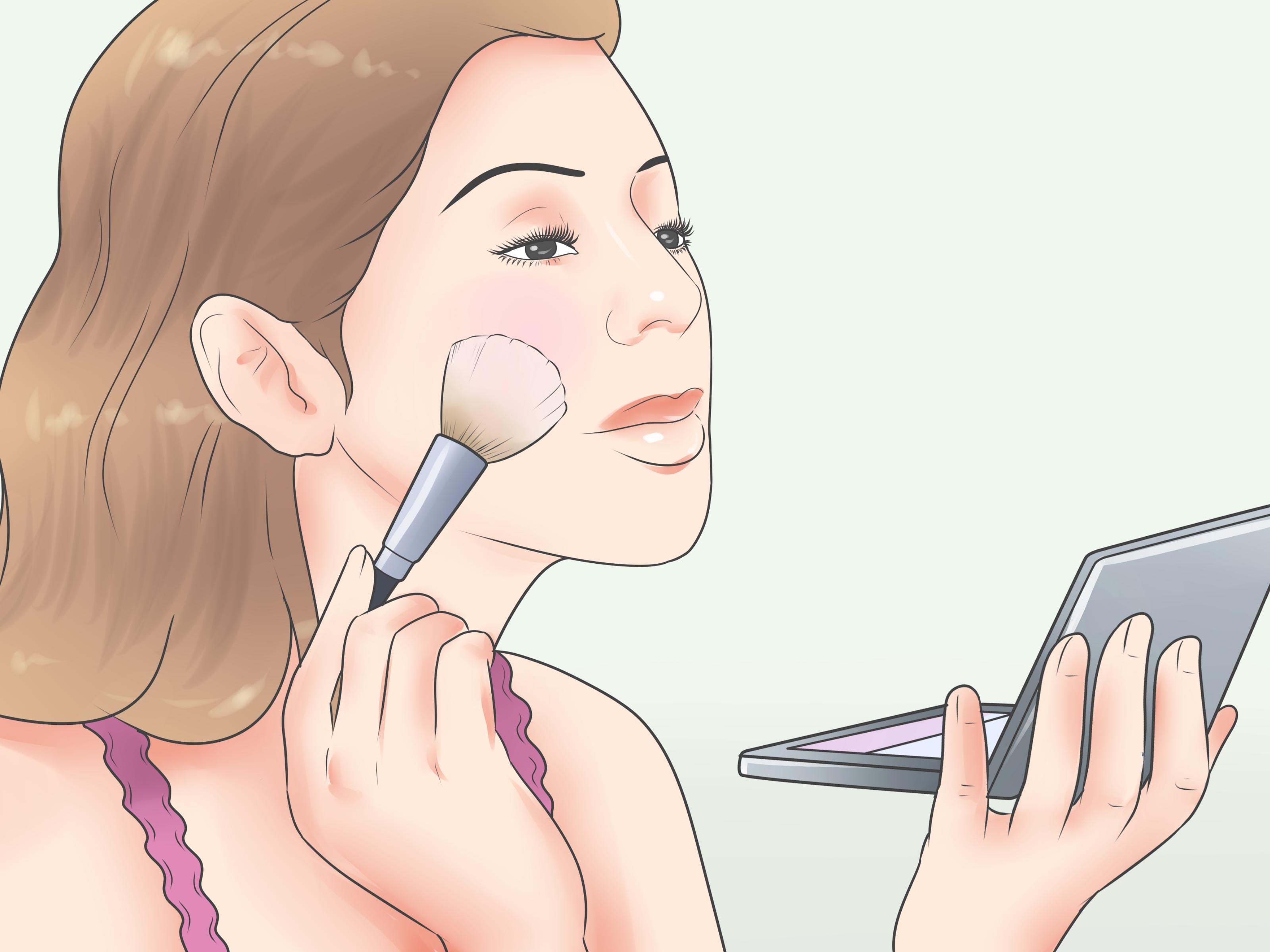
For makeup, choose what feels comfortable and age-appropriate. A tinted moisturizer, mascara, blush, lip gloss, and a little shimmer can be enough. If you want a bolder look, test it before the event. Dance-night makeup should survive photos, laughter, and a warm room. Setting spray, blotting papers, and long-wear lip color can help, but do not feel pressured to wear more makeup than you enjoy.
Way 3: Prepare Smartly Before the Dance
The third way to dress well for a high school dance is preparation. Great style is partly planning. The outfit may be the headline, but the behind-the-scenes details decide whether the night feels smooth or stressful.
Check the Dress Code Before You Buy
School dress codes can vary widely. Some schools provide clear dance-specific rules, while others use general guidelines. Before buying, check whether there are rules about dress length, sheer panels, cutouts, strap styles, shoes, hats, masks, or accessories. If anything seems unclear, ask a teacher, administrator, or event organizer before spending money.
This step is not about limiting your style. It is about protecting your time, budget, and peace of mind. Nobody wants to fall in love with an outfit, buy it, plan accessories, take photos, and then discover a rule issue at the entrance. That is not fashion drama; that is avoidable drama.
Shop Early and Know the Return Policy
Start shopping earlier than you think you need to. Prom and formal-season shopping can get busy, and popular sizes, colors, and styles may sell out. Shopping early also gives you time for shipping, returns, exchanges, and alterations. If you order online, read reviews, check real customer photos if available, confirm the size chart, and understand the return policy before buying.
Be careful with websites that show designer-looking dresses at suspiciously low prices. Some online shops use copied images or deliver items that look very different from the photo. A bargain is only a bargain if the outfit actually arrives, fits, and looks like what you ordered. When possible, shop from reputable retailers, local boutiques, resale platforms with buyer protection, or trusted secondhand stores.
Budget for the Whole Look
The dress or main outfit is only one part of the cost. Shoes, accessories, alterations, hair, makeup, nails, tickets, photos, dinner, and transportation can add up quickly. Make a simple budget before shopping. Decide what matters most to you and where you can save.
You do not need to buy everything new. Borrow jewelry from a family member, wear shoes you already own, shop resale, rent an outfit, trade accessories with friends, or choose a simple dress that can be styled in multiple ways. A thoughtful outfit does not have to be expensive. In fact, some of the best dance looks come from creativity, not a giant receipt.
Do a Full Outfit Test
At least a few days before the dance, try everything on together: outfit, shoes, undergarments, jewelry, bag, hair idea, and any layers. Walk around. Sit down. Take a few photos in different lighting. Check whether anything slips, scratches, wrinkles, pinches, or feels distracting.
This is also the time to steam wrinkles, adjust straps, remove tags, practice tying tricky bows, and make sure your bag holds what you need. If your dress needs fashion tape, test it first. If your shoes need cushions, add them before the dance. If your necklace keeps turning backward, choose another one. Small fixes before the event prevent big annoyances during it.
Dress for the Memories, Not Just the Photos
Photos are part of the fun, but they should not be the whole point. The best high school dance outfit lets you be present. You should be able to dance, talk with friends, laugh at awkward moments, eat a snack, and enjoy the night without constantly checking whether you look perfect.
Social media can make dances feel like competitions, but they are not. Someone will always have a more expensive dress, a more dramatic entrance, or a photo that looks like it was edited by a professional moonbeam. That does not make your night less special. Your outfit should support your experience, not turn the event into a pressure test.
Extra Experience Guide: Real-Life Lessons for Dressing for a High School Dance
The biggest lesson many girls learn from high school dances is that comfort is not the enemy of style. In fact, comfort is often what makes style work. The outfit that looks amazing for five minutes but becomes annoying for four hours is not a victory; it is a sparkly endurance challenge. Before the dance, imagine the full evening. You may be standing in a photo line, walking across a parking lot, sitting at dinner, climbing stairs, dancing in a warm room, and trying to find your friends in a crowd. Your outfit has to survive all of that.
One helpful experience is shopping with a plan but not a closed mind. You might walk into a store convinced you want a long red satin dress and leave loving a navy jumpsuit. That is normal. Try on different styles, but pay attention to your reaction. Do you smile immediately? Do you start planning accessories? Do you move comfortably? Or do you keep adjusting the neckline, pulling the hem, or asking everyone else to convince you? The mirror matters, but your body language matters too.
Another common lesson: the “group opinion” can be useful, but it should not take over. Friends may have strong reactions because they know your usual style or because they personally love certain trends. Listen, laugh, take the feedback, then make the decision that feels right for you. A school dance is not a committee project. You are the one wearing the outfit, not the friend who says, “Trust me, the shoes only hurt for the first hour.” That friend is dangerous. Fashionably dangerous, but dangerous.
Many girls also discover that simple outfits can be the most memorable. A plain black dress with great earrings, a soft pink dress with clean white heels, or a jumpsuit with a sleek ponytail can stand out because the whole look feels confident and uncluttered. You do not need every trend at once. Sequins, bows, lace, rhinestones, gloves, feathers, metallics, cutouts, and glitter all have their moment, but they do not all need to attend the same dance on the same person.
There is also value in planning for small emergencies. A tiny kit with safety pins, bandages, lip balm, and fashion tape can save the night. Someone’s strap may loosen. Someone’s heel may rub. Someone may need a quick fix before photos. Being prepared makes you feel calmer, and it may make you the hero of the bathroom mirror area, which is basically the backstage headquarters of every school dance.
Finally, remember that the best experiences usually come from feeling like yourself. Maybe your style is romantic and soft. Maybe it is bold and colorful. Maybe it is classic, sporty, vintage, minimal, glam, artsy, or somewhere in between. High school dances are special because they mark a moment in your life, not because every detail is flawless. Years later, you may not remember whether your earrings matched perfectly, but you will remember laughing with friends, singing too loudly, taking blurry photos, and feeling proud that you showed up as yourself.
Conclusion
Dressing for a high school dance does not have to be complicated. Start by matching your outfit to the event, whether it is homecoming, winter formal, prom, or a themed dance. Then choose pieces that balance style, comfort, and personality. Finally, prepare ahead by checking the dress code, shopping smart, testing the full outfit, and packing small essentials.
The best dance outfit is not about looking like everyone else or chasing every trend. It is about choosing something appropriate, comfortable, expressive, and fun. When your outfit lets you move, smile, and enjoy the night, you have already nailed the assignment. Extra credit if your shoes make it to the end of the evening without betrayal.