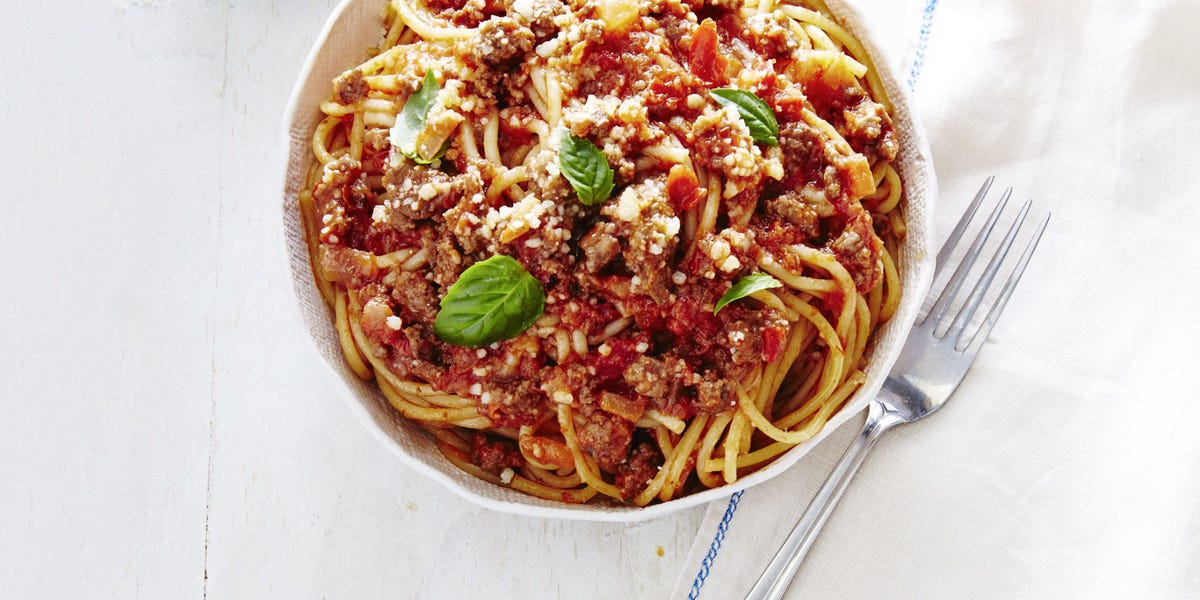
Classic Spaghetti Bolognese is one of those dinners that can make a regular Tuesday feel like someone has dimmed the lights, opened a bottle of red, and whispered, “You deserve carbs.” It is hearty, familiar, deeply comforting, and just fancy enough to make you feel like you did more than boil noodles and open a jar. The secret is not complicated. It is patience, good browning, a proper vegetable base, a splash of wine, a little milk, and enough simmering time for the sauce to stop tasting like separate ingredients and start tasting like dinner with a passport.
Before the pasta police arrive with tiny Italian whistles, let’s clarify something. Traditional ragù alla Bolognese from Bologna is usually served with tagliatelle, not spaghetti, because wider pasta catches the thick meat sauce better. But spaghetti Bolognese has become a beloved Italian-American and global comfort-food classic in its own right. This recipe respects the spirit of classic Bolognese sauce while keeping the spaghetti bowl that so many home cooks know and love. Think of it as tradition wearing sneakers: respectful, practical, and ready for a weeknight.
What Makes a Great Classic Spaghetti Bolognese?
A great homemade Bolognese sauce is not just tomato sauce with meat. That is fine, but it is a different dinner. Bolognese is a meat-forward ragù built in layers. First comes the soffritto, a finely chopped mixture of onion, carrot, and celery cooked gently until sweet and soft. Then comes the meat, which should brown instead of steam. Wine follows to loosen browned bits from the pan and add depth. Milk softens the flavor, rounds the acidity, and helps create a silky texture. Tomato is present, but it does not take over the party like an uncle with karaoke confidence.
The final sauce should be thick, rich, and glossy. It should cling to the spaghetti instead of sliding sadly to the bottom of the bowl. Each bite should taste savory, slightly sweet from the vegetables, gently tangy from the tomato, and rounded with dairy and Parmesan. In other words, it should taste like you cooked it on purpose.
Ingredients for Classic Spaghetti Bolognese
For the Sauce
- 2 tablespoons olive oil
- 2 tablespoons unsalted butter
- 1 medium yellow onion, finely diced
- 1 medium carrot, finely diced
- 1 celery stalk, finely diced
- 3 ounces pancetta, finely chopped, or bacon if needed
- 1 pound ground beef, preferably 80/20 or 85/15
- 1/2 pound ground pork
- 3 tablespoons tomato paste
- 3/4 cup dry white wine or dry red wine
- 1 cup whole milk
- 1 cup low-sodium beef or chicken broth, plus more as needed
- 1 cup crushed tomatoes or tomato passata
- 1 bay leaf
- 1/8 teaspoon freshly grated nutmeg
- 1 teaspoon kosher salt, plus more to taste
- 1/2 teaspoon black pepper
For Serving
- 1 pound spaghetti
- Salt for pasta water
- 1/2 cup reserved pasta water
- Freshly grated Parmesan cheese
- Chopped parsley, optional
Step-by-Step Instructions
1. Build the Soffritto
Heat the olive oil and butter in a large Dutch oven or heavy-bottomed pot over medium heat. Add the onion, carrot, and celery. Cook for 8 to 10 minutes, stirring often, until the vegetables are soft and fragrant but not browned. This step may look humble, but it is the flavor foundation. If the vegetables are cut too large, they will remain chunky. If they are cooked too fast, they may burn before releasing their sweetness. Aim for tiny pieces and gentle heat.
2. Add Pancetta and Brown the Meat
Add the pancetta and cook for 4 to 5 minutes, until it begins to release fat and smell irresistible. Add the ground beef and pork. Break the meat apart with a wooden spoon, but do not stir nonstop. Let it sit long enough to brown in spots. Browning creates deep savory flavor, and without it the sauce can taste flat. If your pot is crowded, cook the meat in batches. Steamed meat is what happens when impatience grabs the spoon.
3. Toast the Tomato Paste
Stir in the tomato paste and cook for 2 to 3 minutes. It should darken slightly and smell sweeter. This quick step removes the raw edge from the paste and gives the sauce a richer color. Add the nutmeg, salt, black pepper, and bay leaf.
4. Deglaze with Wine
Pour in the wine and scrape the bottom of the pot to release browned bits. Let the wine simmer until mostly evaporated, about 6 to 8 minutes. The sauce should look thick again before you move on. Wine adds complexity, but it should not taste sharp or boozy in the finished dish. Let it cook down like it has somewhere important to be.
5. Add Milk, Tomato, and Broth
Stir in the whole milk and simmer for 5 minutes. Add the crushed tomatoes and broth, then reduce the heat to low. The sauce should barely bubble. Cover partially and simmer for at least 2 hours, stirring every 20 to 30 minutes. If it becomes too thick before the meat is tender, add a splash of broth or water. The goal is a slow, lazy simmer, not a volcanic pasta swamp.
6. Cook the Spaghetti Properly
Bring a large pot of water to a boil and salt it generously. Cook the spaghetti until just shy of al dente, usually 1 minute less than the package directions. Reserve at least 1/2 cup of pasta water before draining. Pasta water is liquid gold: salty, starchy, and excellent for helping sauce cling to noodles.
7. Finish Pasta in the Sauce
Transfer the drained spaghetti to a large skillet or back into the pasta pot. Add enough Bolognese sauce to coat the noodles, along with a splash of reserved pasta water. Toss over medium heat for 1 to 2 minutes until the spaghetti is glossy and well coated. Serve with Parmesan and parsley if desired.
Why Milk Belongs in Bolognese
Milk may sound surprising if you grew up with bright red spaghetti sauce, but it is one of the details that gives classic Bolognese sauce its charm. Whole milk helps mellow tomato acidity and gives the meat a softer texture. It does not make the sauce taste like cream soup. Instead, it rounds the edges, the way a good editor makes a sentence smoother without stealing the writer’s voice.
Use whole milk when possible. Low-fat milk works in a pinch, but the result will be less luxurious. Heavy cream can be added at the end for a richer Italian-American version, but milk during the simmer gives a more integrated flavor.
Best Pasta for Bolognese Sauce
Spaghetti is popular, easy to find, and fun to twirl. However, because Bolognese is thick and meaty, it also pairs beautifully with tagliatelle, pappardelle, rigatoni, or penne. Wide ribbons and ridged tubes hold the sauce especially well. If you want the most classic experience, use tagliatelle. If your pantry says spaghetti and your stomach says now, spaghetti will absolutely do the job.
Common Mistakes to Avoid
Using Too Much Tomato
Bolognese should not taste like marinara with beef. Tomato is a supporting character. If the sauce turns too acidic or too red, balance it with a little more milk, broth, or simmering time.
Rushing the Simmer
You can make quick meat sauce in 30 minutes, but true Bolognese personality develops slowly. Two hours is good. Three hours is better. Four hours is when the sauce starts telling family stories.
Skipping the Pasta Water
Reserved pasta water helps bind sauce to noodles. Without it, the sauce can sit on top instead of becoming one with the spaghetti. Add a splash, toss, and watch the dish come together.
Overloading with Herbs
Italian-American spaghetti sauce often includes basil, oregano, garlic, and red pepper flakes. Delicious? Yes. Classic Bolognese? Not exactly. For this recipe, keep the seasoning restrained so the meat, vegetables, wine, milk, and Parmesan can do the talking.
Storage, Freezing, and Reheating
Bolognese is one of the best make-ahead sauces because the flavor improves after a night in the refrigerator. Store cooled sauce in an airtight container in the refrigerator for up to 4 days. For longer storage, freeze it in meal-size portions for up to 3 months. Flat freezer bags are especially useful because they thaw quickly and stack neatly, unlike mystery containers that become frozen sauce bricks.
To reheat, warm the sauce gently in a saucepan over medium-low heat. Add a splash of broth, water, or milk if it looks too thick. If reheating with pasta, toss everything together in a skillet with a little pasta water or plain water until hot and glossy. For food safety, ground meat should be cooked thoroughly, and leftovers should be cooled and refrigerated promptly.
Serving Ideas
Classic Spaghetti Bolognese is already a full meal, but a crisp green salad and garlic bread never hurt anyone’s happiness. For a cozy dinner, serve it with roasted broccoli, Caesar salad, or warm focaccia. For a date-night version, use fresh pasta, finish with real Parmigiano-Reggiano, and pretend the laundry pile in the next room is modern art.
If you have extra sauce, use it in lasagna, baked ziti, stuffed shells, or spooned over creamy polenta. It also makes an excellent filling for sloppy Italian-style sandwiches with melted provolone. Is that traditional? Not really. Is it delicious? Extremely.
Experience Notes: What Cooking Classic Spaghetti Bolognese Teaches You
Cooking Classic Spaghetti Bolognese is less like assembling dinner and more like learning the personality of your stove. The first time you make it, you may be tempted to rush. You will look into the pot after 30 minutes and think, “This seems done enough.” It is not. At that stage, the sauce is still introducing itself. The vegetables are present, the meat is present, the tomato is present, but they have not yet become friends. Give it time. Around the 90-minute mark, the aroma changes. It becomes warmer, deeper, and more rounded. That is when the kitchen starts smelling like someone’s grandmother is about to judge your Parmesan technique.
One of the most useful experiences is learning how much browning matters. If you add meat and immediately stir it into tiny gray pebbles, the sauce will still be edible, but it will lack depth. Letting the meat sit in the hot pan for a moment feels wrong at first, especially if you are a nervous stirrer. But those browned bits are flavor deposits. Later, when wine hits the pot and lifts them into the sauce, you understand why recipes keep talking about deglazing like it is a spiritual practice.
Another lesson is that Bolognese rewards small cuts. Finely diced onion, carrot, and celery practically melt into the sauce, giving sweetness and body without obvious chunks. If the vegetables are too big, you get a meat sauce with surprise carrot confetti. Not tragic, but not ideal. Taking five extra minutes with the knife makes the final texture smoother and more restaurant-like.
The milk step is also a little leap of faith. Many home cooks pause before pouring milk into meat sauce, because it feels like breaking a rule. Then the sauce simmers, the sharpness softens, and the texture becomes plush. Suddenly the milk makes sense. It is not there to shout. It is there to make everything else sound better.
Serving the sauce teaches one final lesson: do not simply dump sauce on naked spaghetti and call it a day. Toss the pasta with the sauce, a splash of pasta water, and a shower of Parmesan. This quick finish turns separate parts into a finished dish. The spaghetti becomes coated, glossy, and flavorful from end to end. It is the difference between wearing a suit and carrying one on a hanger.
Classic Spaghetti Bolognese is the kind of recipe that improves your cooking instincts. It teaches patience, heat control, seasoning, texture, and the value of letting simple ingredients become more than the sum of their parts. It is also forgiving. Even if your dice is imperfect or your simmer runs a little fast, the result will probably still make people hover near the stove with suspiciously clean spoons. That is the magic of Bolognese: it feels special, but it belongs at home.
Conclusion
Classic Spaghetti Bolognese is beloved because it delivers comfort with real depth. The best version is not rushed, watery, or overloaded with herbs. It starts with a gentle soffritto, uses flavorful ground meat, builds richness with wine and milk, and simmers until thick enough to hug every strand of spaghetti. Whether you serve it for Sunday dinner, a cozy weeknight meal, or a “please let this day end with pasta” emergency, this homemade Bolognese sauce brings warmth, flavor, and a little edible drama to the table.
Note: For best results, use a heavy pot, simmer slowly, reserve pasta water, and taste before serving. A great Bolognese should be rich, balanced, and thick enough to cling to pasta without drowning it.