Note: This article synthesizes public product information, design-retailer details, ceramic-care guidance, and art-history context for still-life composition; source links are intentionally omitted as requested.
Introduction: A Pitcher That Knows How to Pose
The Still Life Pitcher, No. 1 is not the kind of pitcher that quietly hides in the back of a cabinet, waiting for lemonade duty once every July. It has presence. It has posture. It has the calm confidence of an object that knows it could pour water, hold flowers, sit on a mantel, or star in a moody kitchen photograph without breaking a sweat. In the world of modern serveware, that is no small achievement.
Designed by Sir/Madam, the Still Life Pitcher, No. 1 belongs to a collection that blends historical reference with contemporary restraint. Its form is based on an early twentieth-century Belgian basin set discovered at a Paris market, which already gives it the kind of backstory usually reserved for charming antique dealers and mysterious novels. Sculpted by artisans in Sri Lanka, the pitcher takes that old-world inspiration and pares it down into something cleaner, bolder, and easier to live with today.
At approximately 10.5 inches tall and designed with generous proportions, this stoneware pitcher is both practical and sculptural. It can serve drinks, cradle a bouquet, or simply stand alone as a decorative object. That last part matters. The best pieces in a home do more than perform a task; they change the feeling of a room. This pitcher does exactly that, and it does it without shouting, clanking, or demanding a dramatic lighting budget.
What Is the Still Life Pitcher, No. 1?
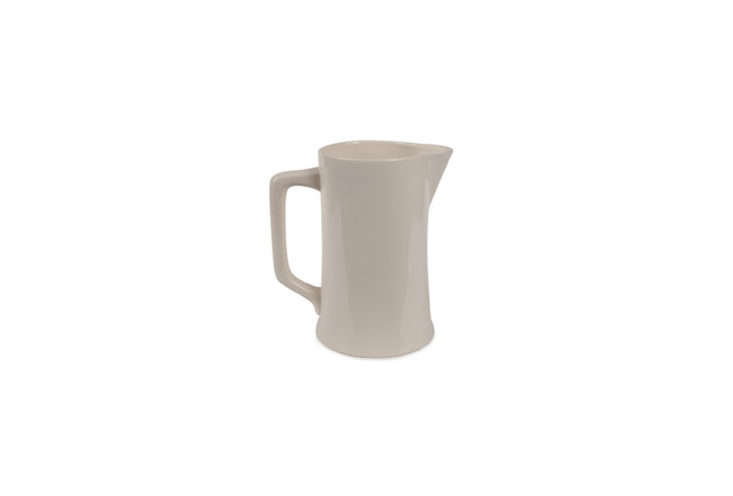
The Still Life Pitcher, No. 1 is a large stoneware pitcher from Sir/Madam’s Still Life collection. It is often described as having a form rooted in simplified classicism, with faceted surfaces, broad curves, and a modernist spirit. In plain English: it looks timeless without looking dusty, and it feels artistic without becoming impractical.
The pitcher has been offered in finishes such as Flour, a soft off-white tone, and Black, a matte, dramatic option that looks especially striking in minimalist or high-contrast interiors. Depending on retailer and availability, pricing has varied over time, with listings commonly appearing in the premium home-design range. Because inventory and pricing shift, shoppers should always check current availability before falling too deeply in love. Unfortunately, beautiful objects do not wait around forever, especially when interior designers discover them.
Key Product Details
- Product name: Still Life Pitcher, No. 1
- Brand: Sir/Madam
- Collection: Still Life
- Material: Stoneware
- Approximate height: 10.5 inches
- Capacity: Approximately 100 ounces on several retailer listings
- Common colors: Flour and Black
- Country of origin: Sri Lanka
- Care: Hand-wash with soft cloth and soapy water; towel dry
Design Inspiration: From Belgian Basin Set to Modern Tabletop Icon
The most interesting thing about the Still Life Pitcher, No. 1 is that it does not look “new” in the disposable sense. It looks newly interpreted. Its silhouette has roots in a Belgian basin set from the early twentieth century, a period when household objects often carried more ceremony than many of today’s mass-produced pieces. A pitcher was not only a container; it was part of a daily ritual. It belonged to the washstand, the breakfast table, the guest room, and the quiet choreography of domestic life.
Sir/Madam’s version honors that lineage but removes the fuss. The result is a pitcher with classical bones and modern manners. The broad body gives it visual weight, while the facets add quiet structure. The curves soften the geometry, preventing it from feeling too rigid. It is the home-object equivalent of a linen blazer: relaxed, polished, and somehow appropriate in more situations than expected.
The Meaning of “Still Life” in the Name
The name Still Life Pitcher is more than decorative branding. In art history, still life refers to compositions of inanimate objects: fruit, flowers, vessels, cloth, books, shells, and other everyday things arranged with intention. Artists such as Paul Cézanne, Henri Matisse, Jean-Baptiste-Siméon Chardin, and many Dutch Golden Age painters used still life to explore color, light, texture, balance, and meaning.
A pitcher is one of the classic objects in this tradition. It has shape, volume, shadow, and symbolic usefulness. It can suggest hospitality, domestic comfort, nourishment, or quiet abundance. In a painting, a pitcher can anchor a composition. In a room, the Still Life Pitcher, No. 1 does something similar. It gives the eye a place to land.
Why Stoneware Works So Well for This Pitcher
Stoneware is a strong choice for a piece like this because it carries both durability and visual warmth. Compared with more delicate ceramics, stoneware tends to feel substantial in the hand. It has a grounded quality that suits the Still Life Pitcher, No. 1 perfectly. This is not a thin, nervous vessel that seems afraid of the dishwasher rack. It is sturdy, sculptural, and intentionally weighty.
That said, even durable stoneware deserves respect. A pitcher with this kind of form should be treated like a useful object and a decorative investment. Hand-washing is recommended, especially for preserving the finish over time. Use mild soap, a soft cloth or sponge, and avoid abrasive scrubbers. Think spa day, not wrestling match.
Care Tips for Long-Term Beauty
- Wash with warm, soapy water after use.
- Dry with a soft towel instead of leaving water marks to freestyle.
- Avoid sudden temperature changes that may stress ceramic material.
- Do not use harsh abrasives on matte or glazed surfaces.
- If using as a flower vessel, refresh water regularly and clean after each arrangement.
How to Use the Still Life Pitcher, No. 1
The beauty of the Still Life Pitcher, No. 1 is that it is not locked into one role. It is functional serveware, yes, but it is also a decorative pitcher, a vase, a centerpiece, and a sculptural accent. In other words, it earns its cabinet space by refusing to stay in the cabinet.
1. As a Serving Pitcher
With its generous capacity, the pitcher can be used for water, iced tea, lemonade, sangria-style mocktails, or batch cocktails for gatherings. Its size makes it useful for entertaining, while its design makes even plain water look like it has been curated by someone with excellent taste. Add citrus slices, herbs, or cucumber ribbons and suddenly the table feels intentional rather than “I found this pitcher five minutes before guests arrived.”
2. As a Flower Vase
The height and shape make it a strong vessel for flowers. It works especially well with loose, natural arrangements: branches, hydrangeas, tulips, dahlias, garden roses, eucalyptus, or seasonal greenery. The Flour finish creates a soft, farmhouse-meets-gallery look, while the Black finish adds drama and contrast. A black pitcher with pale flowers can look especially elegant, like a Dutch still life that got a very good apartment.
3. As a Mantel or Shelf Object
Not every decorative piece needs to be filled. Sometimes the strongest styling choice is restraint. Place the Still Life Pitcher, No. 1 on a mantel, open kitchen shelf, console table, or sideboard. Pair it with stacked books, a small bowl, framed art, or a taper candleholder. The pitcher’s volume gives the arrangement structure, while its quiet surface keeps the display from feeling cluttered.
4. As a Kitchen Statement Piece
In a kitchen, this pitcher bridges function and style. It can sit near cutting boards, ceramic canisters, copper cookware, or linen towels. Because its design is rooted in domestic history, it feels natural in a kitchen setting. But because it has a sculptural, modern form, it does not look like a prop from someone’s great-grandmother’s pantry unless that pantry was secretly edited by a design magazine.
Still Life Pitcher, No. 1 and Interior Design Styles
One reason this pitcher has broad appeal is its versatility. It fits into several popular interior styles without losing its identity. Some pieces disappear into a room. This one participates.
Modern Farmhouse
In a modern farmhouse space, the Flour version feels especially at home. Pair it with wood shelving, linen napkins, stone countertops, woven baskets, and simple greenery. It adds refinement without becoming precious.
Minimalist Interiors
Minimalism depends on strong forms. Since fewer objects are used, every object has to work harder. The Still Life Pitcher, No. 1 has enough shape and scale to hold its own in a sparse room. The Black finish can add graphic contrast, while the Flour finish keeps things calm and tonal.
French Country and European-Inspired Decor
Because the design references a Belgian basin set found in Paris, it naturally suits European-inspired interiors. Place it on a rustic table with linen, fruit, bread, and a few wildflowers. Then try not to say “just a casual lunch” in a fake French accent. Actually, say it once. Life is short.
Eclectic and Collected Homes
In an eclectic room, the pitcher works as a grounding element. It can sit beside antique frames, handmade bowls, contemporary art, and travel finds. Its classic-meets-modern look helps connect different eras and textures.
Why the Shape Feels So Timeless
The Still Life Pitcher, No. 1 succeeds because it understands proportion. The body is generous, the handle is purposeful, and the spout is integrated rather than overly decorative. The faceted planes catch light in subtle ways, giving the surface depth without needing pattern or ornament. It looks simple, but simple objects are often the hardest to get right.
That is why still life painters loved pitchers, bowls, and fruit. Ordinary objects reveal extraordinary design problems. How does light fall across a curve? How does a handle change the balance of a form? How does a vessel feel full even when empty? The Still Life Pitcher, No. 1 answers these questions in three dimensions. It is functional design with an art-school transcript.
Buying Considerations Before You Add It to Your Home
Before buying the Still Life Pitcher, No. 1, consider how you plan to use it. If you want a daily water pitcher, make sure the size, weight, and care requirements match your household habits. If you want a decorative centerpiece, think about color. Flour is softer and more traditional; Black is more sculptural and dramatic. Both are beautiful, but they create different moods.
Also consider storage. At 10.5 inches tall, this is not a tiny accessory. It needs room to breathe. Crowding it between cereal boxes would be rude. Give it a shelf, a table, or a visible kitchen spot where its shape can be appreciated.
Who Will Love This Pitcher?
- Home decorators who love sculptural serveware
- Hosts who want tabletop pieces that look polished and useful
- Fans of modern farmhouse, European country, or minimalist interiors
- Collectors of stoneware, handmade ceramics, and artisan-made objects
- Anyone who believes a pitcher should be more exciting than a plastic jug
Experience: Living With a Pitcher That Becomes Part of the Room
There is something surprisingly personal about living with a pitcher like the Still Life Pitcher, No. 1. At first, you may buy it because it looks beautiful in a product photo. The shape seems calm, the finish feels refined, and the scale promises drama without chaos. But once it arrives in a real home, it starts doing something better than looking good. It starts participating in daily life.
Imagine placing it on a kitchen island on a quiet Saturday morning. The counters are not perfectly clean, because this is a home and not a showroom guarded by invisible elves. There may be coffee grounds near the machine, a loaf of bread half-wrapped in paper, and one mysterious spoon nobody claims. Yet the pitcher makes the scene feel composed. It turns ordinary clutter into something closer to a still life. Suddenly, the bread is rustic, the spoon is charming, and the coffee grounds are, well, still coffee grounds. But the mood improves.
Used as a serving pitcher, it brings a sense of occasion to simple meals. A weeknight dinner with roasted chicken, salad, and cold water feels more intentional when water is poured from a handsome stoneware vessel instead of a bottle pulled from the fridge. Guests notice pieces like this, not because they scream for attention, but because they quietly upgrade the table. Someone will ask where it came from. Someone else will run a hand near the surface and say, “This is nice,” in the tone people reserve for objects they suddenly want to own.
As a vase, the pitcher can change with the seasons. In spring, it can hold tulips that lean in every direction like cheerful gossip. In summer, it can carry wildflowers, basil stems, or garden roses. In fall, branches with turning leaves give it height and movement. In winter, even bare twigs or evergreen clippings look deliberate inside its sculptural form. The pitcher does not require perfect floral arranging. In fact, it often looks better when arrangements are slightly loose and natural. A little imperfection suits it.
One of the best experiences with this piece is discovering how many rooms it can visit. It may begin in the kitchen, move to the dining table for a dinner party, spend a week on the entry console with branches, then migrate to the living room mantel. Some objects feel stranded outside their assigned room. This one travels well. Its historical inspiration gives it warmth, while its modern simplification keeps it from feeling too themed.
The Still Life Pitcher, No. 1 also teaches a useful decorating lesson: scale matters. Small accessories can become visual noise when there are too many of them. A larger, well-shaped object can bring calm to a surface. Instead of scattering five little decorations across a console, one strong pitcher, one stack of books, and one small bowl can feel complete. The pitcher becomes the anchor, the books add layers, and the bowl catches keys, matches, or whatever tiny household objects seem determined to roam free.
There is pleasure, too, in the fact that the pitcher is useful. Decorative objects sometimes make people nervous because they feel like “do not touch” museum pieces. This pitcher is not like that. It is meant to serve, hold, pour, and display. Its usefulness gives it personality. It is elegant, but not lazy.
Over time, a piece like this can become associated with rituals: Sunday flowers, holiday tables, summer drinks, quiet breakfasts, or the first dinner in a new apartment. That is the hidden power of well-designed household objects. They do not simply decorate life from the outside. They absorb memory. The Still Life Pitcher, No. 1 may begin as a beautiful stoneware pitcher, but with use, it becomes part of the household story. And frankly, any pitcher that can make water, weeds from the yard, and a slightly messy kitchen look poetic deserves applause.
Conclusion: A Modern Classic for the Table, Shelf, and Still Life Moment
The Still Life Pitcher, No. 1 is more than a vessel for drinks or flowers. It is a thoughtfully designed stoneware object with historical roots, artisan character, and modern versatility. Inspired by an early twentieth-century Belgian basin set and shaped with simplified classicism, it brings together the best qualities of decorative serveware: usefulness, proportion, texture, and quiet drama.
Whether displayed on a mantel, used as a flower vase, or brought to the table for entertaining, this pitcher has the rare ability to make everyday spaces feel considered. It connects the language of still life painting with the rhythm of real domestic life. In short, it is practical art for people who like their home objects to do more than sit there looking confused.