Note: This article is written as a publish-ready creative feature inspired by real contemporary craft, ceramic art, decorative arts history, and handmade design practices.
Some people collect stamps. Some collect sneakers. I apparently collect expressionsraised eyebrows, shy smiles, tiny frowns, sleepy eyelids, and the occasional ceramic face that looks like it just remembered it left the oven on. That is how my collection of 50 vases and other handmade contemporary pieces with a human face began: not as a polished master plan, but as a long conversation between clay, hands, patience, and the strange little personalities that appear when a lump of material starts looking back at you.
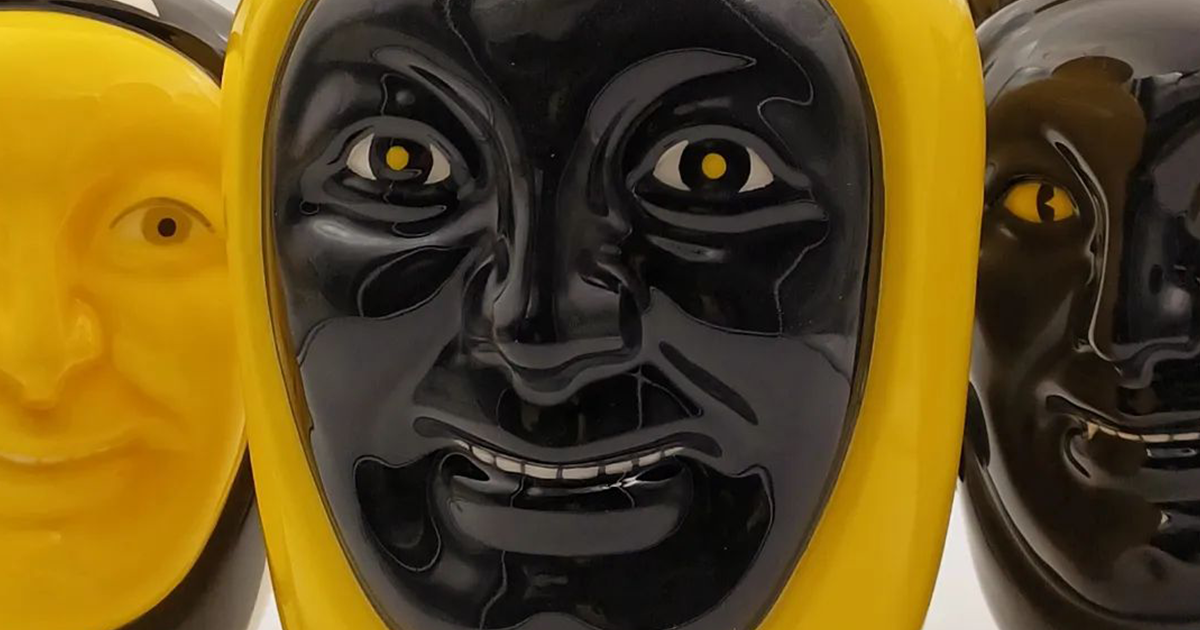
Face vases are not just quirky home decor. They sit in a fascinating space between sculpture, vessel, portrait, and emotional object. A handmade vase can hold flowers, but a vase with a face can hold a mood. It can look amused on a bookshelf, dramatic on a dining table, or deeply philosophical beside a pothos plant that has been overwatered yet again. In contemporary ceramic art, this human quality matters because it turns functional design into something personal. The object is no longer simply “a vase.” It becomes a small character living in the room.
This article explores why handmade contemporary pieces with human faces feel so magnetic, how they connect to ancient ceramic traditions, what makes them work in modern interiors, and what I learned from creating a group of 50 vases that all seem to have opinions.
Why Human Face Vases Feel So Instantly Personal
Human beings are professional face detectors. We see faces in clouds, wall sockets, burnt toast, and sometimes in the slightly judgmental pattern of bathroom tiles. So when an artist intentionally builds a face into a vase, the viewer responds quickly. The object becomes familiar before we even understand it.
A plain vase may be admired for its silhouette, glaze, material, or craftsmanship. A face vase adds another layer: expression. A curve becomes a cheek. A small mark becomes a freckle. Two carved lines become closed eyes. The vessel suddenly carries emotion, humor, and memory. It may remind someone of an aunt, a childhood toy, a museum artifact, or a character from a dream that had no business being that vivid.
That emotional shortcut is one reason handmade face vases have become so appealing in contemporary interiors. In a world full of mass-produced objects, people are drawn to things that feel alive. A handmade piece shows the hand of the maker. A human face makes that presence even stronger.
A Short History: Face Vessels Are Not New, But They Are Always Fresh
Although modern face vases feel perfect for today’s design-loving homes, the idea of placing human features on vessels has deep roots. Ancient cultures across the world created ceramic objects shaped like people, animals, spirits, and hybrid beings. In the Americas, Moche portrait vessels are famous for their striking human likenesses. Other traditions produced head-shaped vessels, face bowls, effigy jars, and decorated containers that blended function with identity, ritual, storytelling, and social meaning.
That history matters because it reminds us that a vessel has never been only a container. A vase can carry water, flowers, memory, status, humor, myth, and attitude. Contemporary artists continue this conversation, but they often do it with new materials, modern silhouettes, playful expressions, and unexpected finishes.
Today’s handmade contemporary pieces may be minimalist, maximalist, polished, raw, elegant, awkward, or wonderfully weird. Some look like museum objects that learned how to wink. Others look like characters who would complain about your playlist. The best pieces feel connected to the past without copying it. They honor the long story of ceramics while speaking in a fresh visual language.
The Collection: 50 Vases, 50 Personalities
Creating 50 vases with human faces is less like producing a matching set and more like hosting a dinner party where every guest arrives with a different emotional weather system. Some pieces are calm and symmetrical. Some are dramatic. Some are tiny. Some have long necks, round cheeks, crooked noses, sleepy eyes, or exaggerated lips. A few look serene. A few look suspicious. One or two look like they know exactly where the snacks are hidden.
1. The Quiet Faces
The quiet vases are built around soft forms and subtle expressions. Their eyes may be closed or reduced to simple incised lines. Their mouths are small, almost invisible. These pieces work beautifully in minimalist interiors because they do not shout. They whisper. Place one on a white shelf with a single branch, and suddenly the room feels calmer, as if the vase is quietly reminding everyone to drink water and stop doom-scrolling.
2. The Playful Faces
The playful group is where the collection loosens its collar. These vases have exaggerated noses, uneven smiles, rounded ears, or asymmetrical features. They are not trying to be perfect. In fact, perfection would ruin them. Their charm comes from personality. A playful face vase can brighten a kitchen counter, entry table, or child-friendly reading corner without feeling childish. It brings humor into design without turning the room into a novelty shop.
3. The Sculptural Faces
Some pieces lean more toward contemporary sculpture than functional vase. They may hold dried flowers or a single stem, but their main job is visual presence. These works often use stronger profiles, deeper carving, stacked forms, or hand-modeled features. A sculptural face vase can become the focal point of a room, especially when paired with neutral walls, natural light, and enough breathing space around it.
4. The Textured Pieces
Texture changes everything. A smooth face feels polished and calm. A rough surface feels ancient, earthy, or emotional. Some of the 50 vases use carved marks, stamped patterns, layered slips, brushed oxides, or imperfect glaze movement. Texture gives the hand something to understand even before the eye finishes looking. It also reminds the viewer that handmade contemporary pieces are physical objects, not digital images. They have weight, edge, temperature, and surface.
5. The Hybrid Objects
Not every piece in the collection is a traditional vase. Some are small vessels, wall pieces, candle holders, shallow bowls, or decorative objects with facial elements. These hybrid pieces are important because contemporary craft often refuses to stay in one tidy category. Is it art? Is it design? Is it decor? Is it a tiny clay person silently judging your coffee table books? Yes. Possibly all of the above.
What Makes a Handmade Face Vase Successful?
A face vase can easily become gimmicky if the form, expression, and surface do not work together. The strongest pieces usually balance three things: craftsmanship, character, and restraint.
Craftsmanship: The Object Must Stand Up, Literally and Artistically
Before a vase can be charming, it has to be well made. The base needs stability. The wall thickness must be considered. The opening has to make sense for flowers or display. If the piece is ceramic, drying, firing, glazing, and cooling all bring risk. Clay has a sense of humor, and unfortunately it enjoys slapstick. Handles crack. noses slump. Glaze crawls. A peaceful face can come out of the kiln looking like it just read a tax bill.
Good craftsmanship does not mean factory perfection. It means the object feels intentional. Even irregularities should look chosen rather than accidental. Handmade work can celebrate unevenness, but it still needs structure, balance, and technical care.
Character: The Face Should Say Something
The best face vases have emotional clarity. They do not need to be realistic portraits. In fact, many are more powerful when simplified. A tiny shift in the angle of an eye can change the whole mood. A curved mouth can feel amused, tired, sweet, or mischievous. The face should invite interpretation without becoming too literal.
For example, a tall vase with closed eyes and a narrow neck may feel meditative. A rounded vase with wide eyes may feel curious. A lopsided smile can turn a simple vessel into a companion. The goal is not to make the vase “human” in a realistic sense, but to give it enough humanity that people want to keep looking.
Restraint: Leave Room for the Viewer
One of the easiest mistakes in face-based design is over-explaining. Too many details can make the piece feel crowded. Contemporary handmade objects often benefit from restraint: a few strong lines, a controlled palette, a thoughtful silhouette. When the artist leaves space, the viewer participates. They fill in the story. They decide whether the vase is peaceful, sarcastic, shy, or secretly the manager of the room.
Materials and Techniques Behind the Pieces
Handmade contemporary vases can be created through several ceramic techniques, including wheel throwing, coiling, slab building, pinching, molding, and sculptural hand-building. Each method gives the finished piece a different energy.
Wheel-thrown vases often begin with symmetry and rhythm. The spinning clay creates elegant curves, balanced shoulders, and smooth walls. Adding a face afterward can create a beautiful contrast between controlled form and expressive detail.
Hand-built pieces feel more direct. Coils, slabs, and pinched forms preserve the pressure of the hand. They are especially suited to expressive faces because the process is already sculptural. A cheek can be pushed outward. A brow can be pressed in. A nose can be added, adjusted, removed, and added again until it stops looking like a potato with ambition.
Surface treatment is another major part of the process. Some pieces use matte glazes for softness. Others use glossy finishes to catch light. Underglaze can add color and drawing. Oxides can settle into carved lines, making facial features more visible. Raw clay surfaces can feel warm and organic, especially in earthy tones such as cream, terracotta, sand, charcoal, and warm gray.
How Face Vases Fit Into Contemporary Interior Design
A handmade face vase works best when it is treated as both object and presence. It should not be buried in clutter. Give it space. Let it breathe. Let it stare thoughtfully into the middle distance like it has just invented jazz.
For Minimalist Rooms
Choose a simple face vase with a quiet expression and a limited color palette. Matte white, soft beige, warm gray, or black clay can look elegant without becoming loud. Pair it with one sculptural branch, dried grass, or a single flower stem.
For Eclectic Rooms
Go bolder. A colorful handmade vase with exaggerated features can fit beautifully among books, textiles, art prints, and vintage finds. Eclectic interiors are friendly to personality, and face vases bring personality by the truckload.
For Modern Organic Spaces
Use pieces with natural textures, earthy tones, and imperfect surfaces. These vases pair well with wood, linen, stone, plants, and handmade furniture. The human face adds warmth to spaces that might otherwise feel too polished.
For Gallery Walls and Shelving
Small face vessels can break up flat arrangements. Place them among framed prints, ceramics, books, and small sculptures. Their three-dimensional quality adds depth, while their faces create small moments of surprise.
Why Collectors Love Handmade Contemporary Pieces
Collectors are often drawn to handmade objects because no two are exactly alike. Even when an artist repeats a form, the hand introduces variation. The clay moves differently. The glaze lands differently. The expression shifts. That uniqueness gives handmade contemporary pieces emotional value beyond decoration.
Face vases also have strong storytelling power. Guests notice them. They ask about them. They remember them. A room with a face vase feels less generic because the object creates a relationship with the viewer. It becomes part of the household vocabulary: “the sleepy one,” “the dramatic one,” “the little green guy,” or “the vase that looks like Uncle Mark before coffee.”
In a design market crowded with identical products, handmade face vases offer something increasingly rare: evidence of time. Someone shaped the form, considered the expression, waited for it to dry, fired it, finished it, and accepted the surprises that came with the process. That slow making gives the object depth.
The Beauty of Imperfection
Contemporary ceramics have increasingly embraced irregularity, roughness, visible process, and expressive surfaces. This does not mean the work is careless. It means artists are questioning the old idea that beauty must be flawless. A slightly uneven lip, a thumbprint in the clay, or a glaze variation can make a piece feel more alive.
With human face vases, imperfection is especially powerful. Real faces are not perfectly symmetrical. Real expressions are complicated. A handmade vase with a slightly crooked smile may feel more relatable than one with machine-like precision. The charm lives in the difference.
Imperfection also gives the viewer permission to relax. These objects do not demand a museum whisper. They invite curiosity. They say, “Yes, I am art, but I also live on your shelf near the mail and the emergency chocolate.”
How to Display 50 Vases Without Creating Ceramic Traffic
A collection of 50 vases sounds impressive until you realize 50 objects can quickly turn a room into a very polite obstacle course. Display matters. The key is grouping, spacing, and rotation.
Instead of showing every piece at once, divide the collection into families. Group by color, size, expression, or form. Place taller pieces behind shorter ones. Mix smooth surfaces with textured pieces. Let negative space do some of the work. A crowded shelf makes each vase compete. A thoughtful arrangement lets each face speak.
Rotating the collection keeps it fresh. A few pieces can live on open shelves, a few on a mantel, one on a bedside table, and one near the entryway. Seasonal changes also help. In spring, use fresh flowers. In fall, try dried stems. In winter, let the vases stand empty so the silhouettes and faces take center stage.
Care Tips for Handmade Face Vases
Handmade ceramics should be handled with care, especially pieces with sculptural features. Noses, ears, raised eyebrows, and small applied details can be more vulnerable than the main body of the vase. Always lift the piece from the base, not from the face or neck. That sounds obvious, but so does “do not put your phone in the refrigerator,” and yet humanity remains a thrilling experiment.
If a vase is intended to hold water, confirm that the interior is glazed and watertight. Some sculptural pieces are decorative only. Use a liner or dried flowers if needed. Dust with a soft cloth or gentle brush, especially around carved features. Avoid harsh cleaners, soaking, or sudden temperature changes.
Most importantly, respect the object as handmade. It is not fragile in the sense of being untouchable, but it deserves attention. A handmade face vase is both decor and artwork. Treat it like a guest with excellent bone structure.
Experience Notes: What Making 50 Face Vases Taught Me
Creating 50 vases and handmade contemporary pieces with human faces taught me that clay has its own schedule, its own personality, and absolutely no interest in my deadlines. At the beginning, I thought the challenge would be mostly visual: design different faces, vary the shapes, choose the glazes, and keep the collection cohesive. That was adorable of me. The real challenge was learning how to listen to each piece while it was still becoming itself.
Some vases started with a clear plan and followed it politely. Others rebelled halfway through. A tall elegant form might slump slightly during drying, changing the whole expression from “graceful poet” to “tired opera singer.” A small round vessel might become more interesting after an accidental thumb mark created the perfect cheek. Over time, I stopped treating every surprise as a mistake. Sometimes the clay was not ruining the idea; it was editing it.
The faces also taught me restraint. In the beginning, I wanted to add everything: eyelashes, lips, ears, hair, patterns, colors, textures, maybe a tiny ceramic scarf if nobody stopped me. But the more pieces I made, the more I learned that a face can be powerful with very little. Two lines and a small curve can create a mood. A single raised brow can carry an entire personality. The empty space around a feature is often just as important as the feature itself.
Working on a large group also changed how I understood consistency. I did not want 50 identical vases wearing different expressions like ceramic emojis. I wanted a family resemblance. That meant repeating certain visual ideassoft curves, calm palettes, hand-built marks, simplified facial detailswhile allowing each piece to have its own character. The collection became less about uniformity and more about rhythm.
There were practical lessons too. Thick areas dry slowly. Thin details dry quickly. Attachments need patience. Glaze can behave like a responsible adult in the test tile and then become a circus performer in the kiln. Photographing glossy surfaces is a personal trial. Packing sculptural ceramics requires more bubble wrap than any reasonable person expects. And yes, naming pieces is harder than making them. After the thirtieth vase, every title starts sounding like an indie band.
The biggest lesson was emotional. People respond to faces. They smile at them, talk to them, choose favorites, and invent stories. A visitor may not know anything about ceramic technique, firing temperature, or surface treatment, but they know when an object feels alive. That connection is the heart of the collection. The pieces are handmade, imperfect, contemporary, and expressivebut more than anything, they are invitations. They ask viewers to slow down, look closely, and maybe recognize a little bit of themselves in clay.
Conclusion: A Vase Can Hold More Than Flowers
My 50 vases and other handmade contemporary pieces with a human face are about more than decoration. They explore how objects can carry personality, history, humor, and emotion. They connect ancient vessel traditions with contemporary design, blending craft and sculpture in a way that feels both timeless and fresh.
A face vase can be elegant, strange, funny, quiet, or bold. It can transform a room not because it matches the sofa, but because it adds presence. In handmade work, that presence comes from touchthe visible evidence of human effort. Add a human face, and the object becomes even more intimate. It looks back. It starts a conversation. It makes the shelf feel less like storage and more like a tiny community.
In the end, the beauty of these pieces is not only in their forms, glazes, or expressions. It is in the way they remind us that handmade objects still matter. They carry the maker’s hand, the material’s memory, and the viewer’s imagination. And if one of them looks mildly unimpressed with your flower arrangement, consider it constructive criticism.