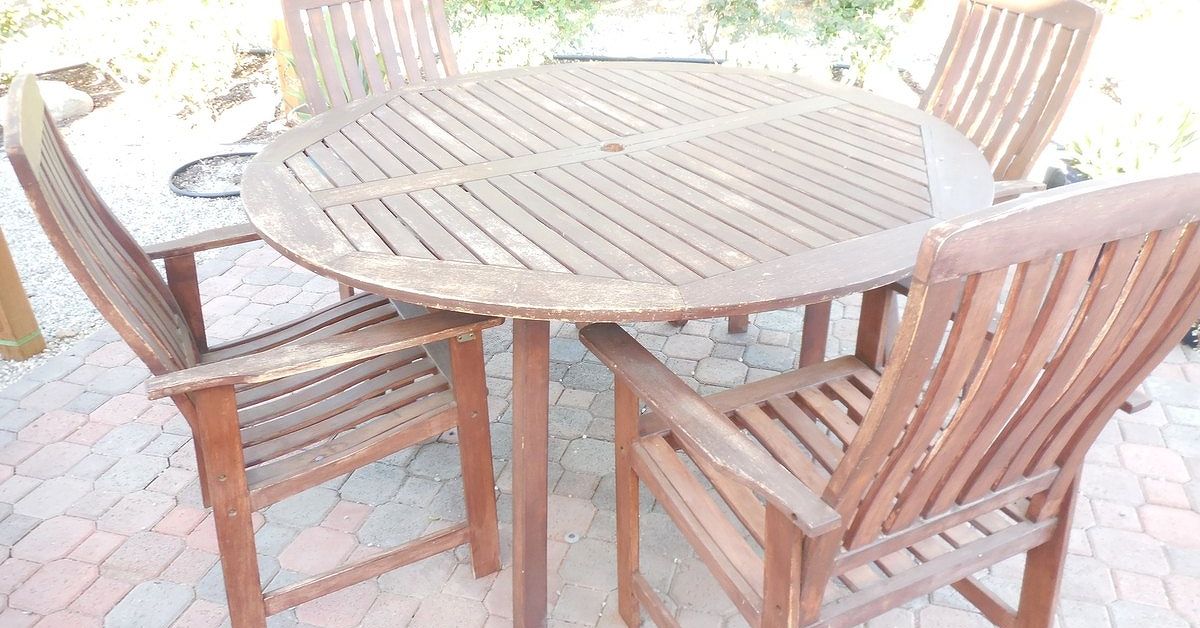
A patio dining makeover sounds fancy, but at heart it is just this: convincing your backyard, balcony, deck, or concrete slab to stop acting like a storage zone for lonely chairs and start behaving like the best table in the house. The good news? You do not need a resort budget, a celebrity designer, or a suspiciously calm lifestyle commercial where nobody spills lemonade. You need a smart plan, comfortable seating, reliable shade, practical lighting, weather-ready materials, and enough personality to make the space feel like yours.
Outdoor dining has become more than a summer bonus. For many homeowners, it is a second dining room, a work-from-home lunch escape, a weekend brunch stage, and the place where grilled food somehow tastes 43 percent better. A well-designed patio dining area can also improve the way your home feels day to day. It encourages people to linger, talk, relax, and enjoy fresh air without needing to pack a cooler and drive somewhere scenic.
This guide walks through a complete patio dining makeover, from layout and furniture to lighting, plants, safety, cleaning, and budget-friendly upgrades. Whether you have a compact balcony or a generous backyard, the goal is the same: create an outdoor dining space that looks beautiful, works hard, and does not collapse emotionally the first time it rains.
Start With the Real Job of the Space
Before buying a table, rug, umbrella, or that charming lantern you absolutely swear you “just want to look at,” decide how the patio dining area will actually be used. A makeover succeeds when the space matches your real life, not a fantasy version of your life where every meal includes linen napkins and nobody asks where the ketchup is.
Ask Three Practical Questions
First, how many people usually eat outside? A couple may need a compact bistro set, while a family that hosts neighbors should consider a six- to eight-seat dining table or a flexible bench arrangement. Second, what time of day will you use the patio most? Morning coffee requires different shade and lighting than evening dinners. Third, will the space be used only for dining, or should it also support lounging, grilling, homework, games, or weekend entertaining?
If your patio is large, divide it into zones. One area can handle dining, another can become a conversation corner, and a third can support grilling or serving. If your patio is small, the “zone” may be as simple as a round table in one corner, a slim storage bench, and a vertical planter that adds life without stealing floor space.
Measure First, Shop Second
Every patio makeover has a villain, and that villain is usually furniture that looked perfect online but turns the patio into an obstacle course. Measure the space before you buy. Leave enough room for chairs to slide out, people to walk behind seated guests, and servers to carry food without performing a dangerous salsa move around table legs.
As a general rule, allow at least three feet of clearance around a dining table where possible. On a narrow balcony or small patio, use armless chairs, benches, folding furniture, or a round table to improve flow. Round tables are especially friendly in tight spaces because they soften corners and make conversation easier. Rectangular tables work beautifully on long patios and decks, especially when paired with benches that can tuck underneath.
Choose Patio Dining Furniture That Can Handle Real Weather
Outdoor furniture must be attractive, but it also has to survive sun, wind, moisture, pollen, and the occasional bird with poor manners. The best patio dining makeover balances style with durability.
Aluminum
Aluminum is lightweight, rust-resistant, and easy to move. It suits modern patios and works well for dining chairs that need to be pulled in and out often. The downside is that lightweight pieces can shift in strong wind, so heavier bases or protected placement may be helpful.
Teak and Other Outdoor Woods
Wood brings warmth and a timeless dining-room feeling outdoors. Teak is especially popular because it performs well outside, though it still benefits from care. Acacia and eucalyptus can be budget-friendly options, but they may need regular sealing or oiling depending on climate. If you love the silver-gray patina of aged wood, let it weather naturally. If you prefer a richer tone, plan for maintenance.
All-Weather Wicker and Rattan-Style Pieces
Modern outdoor wicker is often made from synthetic resin woven over a metal frame. It gives a relaxed, coastal, or garden-party look without the fragility of natural indoor wicker. It is a strong choice for cushioned dining chairs, conversation-dining hybrids, and small-space patio sets.
Steel and Wrought Iron
Steel and wrought iron bring weight, stability, and classic style. They are excellent for windy spaces, but they need protection from rust. Check finishes regularly and touch up chips before moisture turns them into a tiny orange drama.
Build Comfort Into the Makeover
A patio dining set can be beautiful and still fail if guests start shifting in their seats after twelve minutes. Comfort matters. Choose chairs with supportive backs, roomy seats, and cushions made from outdoor fabric. Look for fade-resistant and mildew-resistant cushions when possible, especially in humid climates.
If your dining area doubles as a lounge, consider deep dining chairs, a banquette, or a bench with weatherproof cushions. A built-in bench against a wall or fence can save space and make the patio feel custom. Add washable pillows for color, but do not go so pillow-happy that guests need to excavate a chair before sitting down.
Create Shade Before You Create Regret
Shade is not optional if your patio receives strong sun. Without it, your lovely dining makeover becomes a skillet with chairs. The right shade solution depends on your budget, layout, and whether you rent or own.
Umbrellas
A patio umbrella is the fastest shade upgrade. Choose a size that covers the table and chairs, not just the centerpiece. Cantilever umbrellas work well when a center pole would interrupt the table, while market umbrellas are classic and widely available. Use a heavy, stable base, especially in breezy areas.
Pergolas and Shade Structures
A pergola can define the dining area and create a strong outdoor-room feeling. It also provides a place to hang lights, plants, curtains, or roll-down shades. Even a simple overhead frame can visually warm up a concrete patio and make the space feel intentional.
Natural Shade
Trees, hedges, and climbing vines can cool the area and soften hard surfaces. If you are planting for shade, think long-term. Fast-growing plants may be tempting, but choose species suited to your region and patio foundation. Nobody wants roots staging a slow-motion invasion under the pavers.
Use Lighting Like a Designer, Not Like a Stadium Manager
Outdoor dining lighting should make food visible, faces flattering, and the mood inviting. It should not make your guests feel like they are being questioned about a missing lasagna. Aim for layers of light.
Ambient Lighting
String lights, café lights, and solar pendants bring atmosphere and make the patio feel festive. Hang them above the dining area, along a pergola, between posts, or beneath an umbrella. Warm white bulbs usually create the most comfortable glow for dining.
Task Lighting
If you cook or serve outside, add lighting near the grill, prep cart, or buffet table. Battery lanterns, rechargeable lamps, or outdoor-rated sconces can help guests see what they are eating. Mystery food is only charming when it is intentional.
Safety Lighting
Path lights, step lights, and low-voltage landscape lighting help people move around safely after dark. This matters especially if your patio connects to a lawn, garden path, pool, or uneven walkway.
Always use lights and extension cords rated for outdoor use. Keep cords away from walking paths where possible, and do not overload temporary electrical setups. Beautiful lighting loses its charm quickly when it becomes a trip hazard with sparkle.
Anchor the Dining Area With an Outdoor Rug
An outdoor rug can instantly make a patio dining area feel finished. It defines the table zone, adds color or texture, and softens hard flooring. Choose a rug designed for exterior use so it can handle moisture and sunlight.
For size, the rug should be large enough that chairs remain on it when pulled back from the table. If that is not possible in a small space, skip the rug or use a smaller mat under a bistro set. A too-small rug can look like a postage stamp trying to hold a dinner party.
Patterns are useful outdoors because they hide dust, pollen, and the evidence of snack-heavy gatherings. Neutral rugs create a calm foundation, while stripes, geometrics, or botanical designs can energize the space.
Add Plants for Privacy, Softness, and Flavor
Plants are one of the easiest ways to transform patio dining. They soften hard edges, add privacy, and make the space feel alive. Use large planters to frame the dining area, tall grasses to screen nearby views, and herbs to bring fragrance and practical flavor to the table.
Best Plant Ideas for Patio Dining
Herbs such as basil, rosemary, thyme, parsley, and mint are excellent near dining spaces because they smell wonderful and can be clipped for meals. Lavender and ornamental grasses add movement and texture. Dwarf citrus trees can bring a sunny, Mediterranean feeling in warm climates or containers that can move indoors during cold months.
For privacy, use tall planters with bamboo, arborvitae, trellised vines, or layered shrubs suitable for your region. If mosquitoes are a concern, plants alone will not solve the problem, but a cleaner, drier, better-maintained patio environment can help reduce pest pressure.
Plan the Serving Flow
A great patio dining makeover thinks beyond the table. Where will drinks go? Where will serving bowls sit? Where will the grill tools, napkins, bug spray, and emergency backup chips live? A serving station can make outdoor meals smoother.
Consider a bar cart, console table, potting bench, or outdoor cabinet. Place it between the indoor kitchen and dining table if possible. Stock it with melamine plates, outdoor-safe glasses, napkins, candles, bottle openers, and serving trays. For frequent grilling, add hooks for utensils and a heat-safe landing area for cooked food.
If you have the budget, an outdoor kitchen or built-in grill station can make the patio feel like a true entertaining zone. But even a simple rolling cart can make a major difference. The goal is to reduce those endless trips inside where someone always gets distracted and forgets the salad.
Keep the Grill Safe and Sensible
Outdoor dining and grilling often go together, but safety must come before style. Place grills away from the home, deck railings, eaves, overhanging branches, and anything that can burn. Keep children and pets away from the grilling zone, clean grease buildup regularly, and never leave an active grill unattended.
Do not place a grill under a covered patio unless the appliance and structure are specifically designed for that use. Smoke, heat, and flare-ups need space. Also, keep serving tables and dining chairs far enough away that guests can relax without feeling like they are seated next to a dragon with a propane tank.
Make the Table Feel Special Without Overdecorating
The dining table is the heart of the makeover. Dress it simply and seasonally. A washable tablecloth can hide an older table and add instant color. Placemats bring texture. A low centerpiece keeps conversation easy. Potted herbs, a bowl of citrus, a lantern, or a cluster of small vases can look polished without blocking eye contact.
Choose durable outdoor dinnerware if you dine outside often. Melamine, enamelware, bamboo-blend pieces, and acrylic drinkware are popular because they are lighter and less breakable than indoor dishes. Keep the color palette connected to the rest of the patio. If your rug is bold, use simple table settings. If your furniture is neutral, bring in color through linens, flowers, or glassware.
Budget-Friendly Patio Dining Makeover Ideas
You do not need to replace everything. Some of the best patio transformations come from editing, cleaning, repainting, rearranging, and adding one strong focal point.
Clean Before You Buy
Wash the patio surface, clean furniture frames, vacuum or shake out cushions, and remove pollen before it stains. A clean patio instantly looks newer. Sometimes the “makeover” hiding in your budget is simply a Saturday with soap, water, and the grim determination of a person who has seen what lives under the chair cushions.
Paint or Refinish
Metal chairs can often be revived with rust removal and outdoor-rated spray paint. Wood tables may need sanding, oiling, or sealing. A tired fence or privacy screen can become a fresh backdrop with stain or paint.
Swap Small Items
New cushions, an outdoor rug, planters, lanterns, or a table umbrella can change the entire mood. Focus on high-impact items that guests see and touch. A comfortable chair cushion will be appreciated more than an elaborate object nobody understands.
Thrift and Repurpose
Secondhand planters, lanterns, side tables, linens, and garden stools can add character. Just make sure anything used outdoors can handle weather or be brought inside when needed. A thrifted ceramic vase can become a centerpiece; an old bench can become banquette seating; a sturdy bar cart can become the hero of summer dinners.
Small Patio Dining Makeover Tips
Small patios can be incredibly charming when every piece earns its place. Use folding chairs, stackable stools, nesting tables, wall-mounted shelves, and vertical gardens. A two-person bistro set can turn even a balcony into a morning coffee destination.
Choose lighter-looking furniture with slim legs or open frames. Avoid oversized cushions and bulky arms that eat up space. Use one strong focal point, such as a patterned rug, a colorful umbrella, or a wall of plants, instead of scattering many small decorations. In small spaces, clutter arrives fast and brings friends.
Lighting also matters in compact areas. A rechargeable table lamp, small lantern, or single strand of lights can make the space feel cozy without overwhelming it. Add one storage piece if possible, such as a bench with hidden storage for cushions and tableware.
Maintenance: The Secret Ingredient Nobody Brags About
A patio dining makeover stays beautiful only if it is easy to maintain. Choose washable textiles, furniture covers, and storage solutions. Keep cushions dry when storms are expected. Brush dirt off fabrics before it settles. Clean spills quickly, especially on wood, cushions, and rugs.
Set a simple monthly routine: sweep the patio, wipe the table, check furniture screws, clean glass surfaces, empty planter saucers, and inspect lights. At the start of each season, deep-clean the area and decide what needs repair, replacement, or donation. Outdoor spaces age faster than indoor rooms, so small maintenance habits prevent expensive makeovers later.
Control Bugs Without Turning the Patio Into a Chemistry Lab
Mosquitoes can ruin outdoor dining faster than overcooked chicken. Start with prevention. Remove standing water from saucers, buckets, toys, birdbaths, clogged gutters, and furniture covers. Empty and scrub water-holding containers weekly during mosquito season.
Outdoor fans can help because mosquitoes are weak fliers. Position a fan near the dining area on still evenings. Use EPA-registered repellents according to label directions when needed, and consider screened panels or curtains for covered patios. Citronella candles and aromatic plants may add atmosphere, but they should be viewed as supporting characters, not the entire pest-control plan.
Color and Style Ideas for a Patio Dining Makeover
The best color palette often starts with the house itself. Pull tones from exterior paint, stone, brick, trim, or surrounding landscape. A coastal patio might use white, sand, blue, and weathered wood. A modern patio may combine black metal, warm wood, cream cushions, and sculptural planters. A cottage-style dining area can lean into florals, painted furniture, vintage linens, and climbing vines.
For a timeless look, keep large pieces neutral and add seasonal color through pillows, table linens, flowers, and accessories. For a bold look, choose one hero color and repeat it three times: perhaps in chair cushions, planters, and a table runner. Repetition makes the design feel intentional instead of accidental, which is helpful when your patio also contains a garden hose and a child’s scooter.
Experience Section: What a Patio Dining Makeover Really Feels Like
The most useful lesson from any patio dining makeover is that the space tells you what it needs after you use it. A plan on paper is helpful, but the first real dinner outside is the honest test. You discover whether the chairs are comfortable, whether the sun hits someone directly in the eyes at 6:15 p.m., whether the serving tray has a safe landing spot, and whether the string lights create charm or make everyone look like they are dining inside a decorative spiderweb.
One practical experience is to start with a “test dinner” before finalizing the layout. Set up the table, bring out plates, serve a real meal, and watch how people move. If guests keep squeezing behind one chair, shift the table. If everyone piles drinks on the ground, add a side table. If the grill feels too far away, create a small prep station nearby. A patio dining makeover becomes better when it responds to actual habits rather than showroom logic.
Another valuable lesson is that comfort beats perfection. The patio that gets used most is not always the most expensive one. It is the one with a good chair, shade at the right hour, lighting that feels warm, and a table big enough for real food. A few scratches on the table do not matter if people enjoy sitting there. In fact, outdoor dining spaces usually become more charming once they stop looking untouched. A table with a little history says, “People eat here.” That is better than “Please admire this furniture from a respectful distance.”
Weather also teaches humility. Cushions left out during a surprise storm, rugs that never dry, lightweight napkins that fly into the neighbor’s yard, and umbrellas that wobble in wind all provide memorable education. The fix is not to give up; it is to choose better systems. Add a cushion box. Use heavier napkin rings. Buy a stronger umbrella base. Choose a rug that drains well. Store delicate pieces indoors. Good outdoor design is not about pretending weather does not exist. It is about being ready for it without turning every dinner into emergency management training.
The best experience-related upgrade is a dedicated outdoor dining kit. Keep a tray, napkins, unbreakable plates, serving utensils, a lighter, bug repellent, and a small trash bag together. This makes outdoor meals feel easy instead of like moving the entire kitchen outside one fork at a time. Add a small Bluetooth speaker, a rechargeable lamp, and a washable tablecloth, and suddenly a weeknight dinner feels like a tiny vacation.
Finally, a patio dining makeover changes how people gather. Conversations stretch longer outside. Kids snack more happily. Morning coffee tastes more peaceful. Even simple meals feel slightly upgraded when eaten under string lights or beside planters. The goal is not to create a magazine photo. The goal is to create a place that invites people out, keeps them comfortable, and makes ordinary meals feel worth remembering. When the patio starts calling you outside for no special reason, the makeover has worked.
Conclusion: Build the Patio Dining Space You Will Actually Use
A successful patio dining makeover is equal parts beauty, comfort, function, and common sense. Start by defining how you want to use the space. Measure carefully. Choose weather-ready furniture. Add shade before the sun bullies your dinner guests. Layer lighting so evenings feel warm and safe. Use plants, rugs, and table decor to bring personality. Keep maintenance simple, grilling safe, and mosquitoes under control.
Most importantly, design for real life. The best patio dining area is not the one with the most expensive table or the trendiest accessories. It is the one where people naturally gather, plates are easy to serve, chairs feel good, and nobody has to choose between enjoying dinner and being attacked by glare, bugs, or wobbly furniture. A patio dining makeover should make outdoor meals easier, prettier, and more joyful. That is the whole recipeand yes, it pairs nicely with grilled corn.