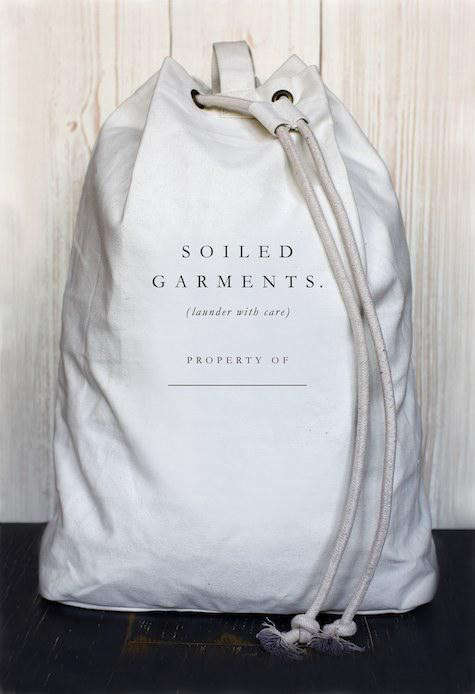
A soiled garments laundry bag sounds like the least glamorous item in the house, somewhere between a lint trap and that mysterious sock that vanished in 2019. But in real life, this humble bag does heroic work. It keeps dirty clothes contained, prevents odors from taking over a room, separates messy garments from clean ones, and makes laundry day feel less like a small domestic disaster.
Whether you are managing gym clothes, work uniforms, baby outfits, travel laundry, healthcare linens, daycare garments, sports gear, or everyday household laundry, the right bag can make the whole process cleaner, simpler, and far more organized. Think of it as a tiny laundry security guard: not flashy, but very good at saying, “You stay over there until wash day.”
This guide explains what a soiled garments laundry bag is, how to choose one, when to use mesh versus waterproof materials, how to prevent odor buildup, and how to clean the bag itself. Because yes, the thing that holds dirty laundry also needs washing. Laundry has layers. Like an onion, but less dramatic.
What Is a Soiled Garments Laundry Bag?
A soiled garments laundry bag is a reusable or disposable bag designed to hold dirty clothing, linens, towels, uniforms, or other washable fabrics before they go into the washer. Unlike a basic basket or pile-on-the-floor strategy, a dedicated laundry bag helps contain moisture, odor, dirt, lint, and stains until the garments can be washed properly.
In homes, these bags are often used as hamper liners, travel laundry sacks, gym bags, baby laundry bags, or wet-dry bags. In professional settings, similar bags may be used for uniforms, salon towels, medical linens, hotel laundry, childcare centers, athletic facilities, and cleaning services. The purpose is the same: keep soiled textiles contained, easy to transport, and separate from clean items.
The best soiled garments laundry bag does more than “hold stuff.” It supports better sorting, protects fabrics, reduces cross-contact between dirty and clean laundry, and helps you move clothes from bedroom to laundry room without dropping socks like breadcrumbs through the hallway.
Why a Soiled Garments Laundry Bag Matters
It Keeps Dirty Clothes in One Place
Laundry becomes harder when socks are under the bed, workout shirts are fermenting in a backpack, and towels are staging a damp rebellion in the bathroom. A soiled garments laundry bag gives everything a clear destination. That alone can reduce clutter and speed up wash day.
It Helps Reduce Odors
Sweat, body oils, food spills, pet mess, and damp towels can create odor quickly, especially when trapped in an unventilated space. A breathable laundry bag allows airflow for dry items, while a waterproof or leak-resistant bag helps contain wet or heavily soiled garments until they can be washed. The key is choosing the right bag for the type of laundry.
It Supports Better Hygiene
For ordinary household laundry, warm or cold water with detergent is usually enough for routine cleaning when care labels allow. For garments exposed to illness, heavy soil, or fluids, it is smart to use a designated bag, avoid shaking the items, wash hands after handling, and follow product labels for detergents, bleach, oxygen bleach, or laundry sanitizer when appropriate.
It Makes Sorting Easier
Sorting is not just an old-fashioned ritual invented to make laundry take longer. It protects clothes. A bag system can separate whites, darks, delicates, heavily soiled items, gym wear, towels, and baby clothes before laundry day begins. That means fewer color accidents and fewer “why is my white shirt now oatmeal gray?” moments.
Common Types of Soiled Garments Laundry Bags
Mesh Laundry Bags
Mesh bags are lightweight, breathable, and excellent for dry dirty clothes, delicates, socks, lingerie, baby items, reusable cloth pads, and small garments that like to disappear in the washer. They allow water and detergent to flow through during washing, making them useful for items that need protection inside the machine.
However, mesh is not ideal for wet, leaking, or heavily stained items because moisture can pass through. If you toss damp gym gear into a mesh bag and forget it for three days, the bag will not perform magic. It will simply witness the consequences.
Waterproof Laundry Bags
Waterproof or water-resistant laundry bags are useful for wet swimsuits, muddy clothes, sweaty sportswear, daycare accidents, cloth diapers, damp towels, and travel laundry. Many are made with coated polyester, nylon, or polyurethane-laminated fabric. A good waterproof laundry sack helps contain moisture and odor until washing.
These bags should not become long-term storage for wet garments. Moisture plus time equals odor, mildew risk, and regret. Wash wet items as soon as possible, and let the bag dry fully between uses.
Canvas or Cotton Laundry Bags
Canvas and cotton bags are sturdy, washable, and breathable. They work well for everyday household laundry, dorm rooms, and hamper liners. They are less ideal for wet or contaminated items because liquid can soak through. Their biggest advantage is durability, especially when they have reinforced seams and strong drawstrings.
Nylon and Polyester Laundry Bags
Nylon and polyester bags are popular because they are lightweight, strong, and easy to clean. Many fold small for travel and resist tearing better than thin cotton. Some versions are water-resistant, while others are breathable. Always check the product description before assuming one bag can do everything except fold the laundry itself.
Disposable Laundry Bags
Disposable bags may be useful in certain professional, medical, travel, or emergency situations, but they are less eco-friendly for daily household use. Reusable washable bags are usually the better choice for families, students, travelers, and anyone trying not to create a mountain of single-use plastic.
How to Choose the Best Soiled Garments Laundry Bag
1. Match the Bag to the Laundry Type
For dry clothes, choose breathable mesh, cotton, or canvas. For damp towels, gym wear, cloth diapers, baby clothes, or swimsuits, choose a waterproof or leak-resistant bag. For delicates, use a fine mesh laundry bag with a secure zipper. For work uniforms or heavily soiled clothing, choose a sturdy bag that can handle weight and repeated washing.
2. Look for Washable Materials
A laundry bag should be washable because it regularly touches dirty fabric. Many reusable bags can be machine washed, but care instructions vary. Some waterproof bags should be turned inside out and air-dried to protect the coating. A bag that cannot be cleaned easily may become part of the odor problem instead of the solution.
3. Check the Closure
Drawstrings are simple and useful for carrying. Zippers are better for keeping small garments inside during a wash cycle. Snap closures and roll-top designs are helpful for wet-dry bags. The best closure depends on how you use the bag. If you plan to toss the whole bag into the washer, a secure zipper is often more reliable than a loose drawstring.
4. Consider Size and Capacity
A small bag works for delicates, baby clothes, or gym outfits. A medium bag suits travel or daily household use. A large bag works as a hamper liner or family laundry carrier. Bigger is not always better; an overfilled bag can reduce airflow, trap odors, and make washing less effective. Clothes need room to move in the washer, and so does your laundry routine.
5. Choose Strong Seams and Handles
Dirty laundry can be surprisingly heavy, especially towels, jeans, uniforms, and damp items. Reinforced stitching, sturdy handles, and thick drawstrings make a major difference. A flimsy bag splitting open on the way to the laundry room is not a laundry system; it is a fabric parade.
Best Uses for a Soiled Garments Laundry Bag
For Gym Clothes
Sweaty gym clothes should not sit in a sealed plastic bag for days. Use a breathable bag if the clothes are dry, or a waterproof wet-dry bag if they are damp and you plan to wash them soon. Turn performance clothing inside out before washing so detergent can better reach the areas where sweat and body oils collect.
For Travel
A travel laundry bag keeps worn clothes away from clean outfits in your suitcase. A lightweight nylon or waterproof bag is ideal because it packs flat and can hold socks, underwear, swimsuits, or muddy hiking clothes. Travelers often discover that a laundry bag is one of those items they did not appreciate until their clean shirt started smelling like yesterday’s airport sprint.
For Babies and Children
Baby clothes, bibs, burp cloths, and daycare outfits often need quick separation from regular laundry. A washable wet-dry bag can contain damp or stained items until wash time. For childcare, label bags clearly and wash them frequently. Tiny clothes may be cute, but their laundry logistics are impressively powerful.
For Work Uniforms
Uniforms from restaurants, healthcare, factories, salons, construction, cleaning jobs, and automotive work can carry sweat, oils, food odors, dust, or other soils. A dedicated soiled garments laundry bag prevents those items from mixing with everyday clothing. Heavily soiled uniforms should usually be washed separately, using the warmest water safe for the fabric and the correct detergent amount.
For Delicates
Fine mesh bags help protect bras, lingerie, hosiery, lightweight sweaters, embellished garments, and small accessories during washing. The bag reduces friction, snagging, stretching, and tangling. It is not a force field, though. Always read care labels, use the right cycle, and avoid high heat when the fabric says, “Please do not roast me.”
For Towels and Linens
Towels, washcloths, and sheets can be bulky and hold moisture. A large washable laundry bag or hamper liner keeps them contained before washing. Damp towels should be spread to dry or washed soon rather than packed tightly in a bag for long periods. Otherwise, the smell may become the unofficial mascot of the laundry room.
How to Use a Soiled Garments Laundry Bag Correctly
Sort Before the Bag Gets Too Full
Use separate bags for major categories: dark clothing, light clothing, towels, delicates, and heavily soiled items. This prevents sorting from becoming a late-night floor project. It also makes it easier to choose the correct wash cycle, water temperature, and detergent.
Pretreat Stains Before Washing
A laundry bag is for holding garments, not for removing stains. Mud, grease, food, sweat marks, and body soil often respond better when treated before washing. Scrape off excess dirt, rinse when appropriate, apply stain remover or detergent according to the product label, and avoid machine drying until the stain is gone. Dryer heat can set certain stains and turn a small problem into a permanent souvenir.
Do Not Overload the Washer
Overloading prevents clothes from moving freely, which can leave detergent residue, trapped soil, and odors. If you wash items inside a mesh bag, do not pack it like a suitcase before vacation. The garments need space for water and detergent to circulate.
Wash the Bag Regularly
A reusable soiled garments laundry bag should be cleaned often, especially if it holds sweaty, damp, stained, or odor-heavy items. Mesh and cotton bags can often go directly into the washer. Waterproof bags may require gentle washing and air drying. Follow the care label so the bag lasts longer.
Let the Bag Dry Completely
After washing or emptying a wet-dry bag, turn it inside out and let it dry fully. Storing a damp bag folded in a dark corner is basically sending an engraved invitation to musty odors.
Features Worth Paying For
Odor Control Design
Some bags advertise odor-resistant materials or antimicrobial treatments. These features may help reduce odor buildup, but they do not replace washing. For any product that claims to sanitize, disinfect, or control microbes, read the label carefully and follow instructions. Good laundry hygiene still depends on cleaning the garments and the bag itself.
Leak Resistance
If the bag will hold wet swimsuits, cloth diapers, damp towels, or stained garments, leak resistance is worth it. Look for sealed seams, coated fabric, and a closure that limits moisture escape. For very wet items, keep the bag upright and wash the contents quickly.
Machine-Washable Construction
A machine-washable bag saves time. Bags that cannot be washed easily are less practical for frequent use. If the bag is designed to go into the washer with clothing, check whether it has a rust-resistant zipper, smooth edges, and a fabric structure that allows water flow.
Labeling Options
For families, dorms, camps, senior care, daycare, or shared laundry rooms, labeled bags are extremely useful. A name tag, color-coded bag, or printed label can prevent mix-ups. Nobody wants to play “whose sock is this?” as a competitive sport.
Mistakes to Avoid
Leaving Wet Clothes in the Bag Too Long
Wet laundry should be washed as soon as possible. If you cannot wash immediately, hang damp items to dry before placing them in a breathable bag. Long storage of wet fabric can cause strong odors and may encourage mildew.
Using One Bag for Everything
A single bag for towels, delicates, gym clothes, muddy pants, and white shirts is technically simple but not wise. Separate bags reduce fabric damage, color transfer, odor spread, and washing mistakes.
Ignoring Care Labels
Care labels exist for a reason. They tell you whether to use cold water, warm water, gentle cycles, tumble drying, line drying, or special cleaning methods. A soiled garments laundry bag helps with organization, but it cannot negotiate with a shrunken sweater.
Using Too Much Detergent
More detergent does not always mean cleaner clothes. Too much can leave residue, trap odors, and make fabrics feel stiff. Use the recommended amount for the load size, soil level, washer type, and water hardness.
Soiled Garments Laundry Bag for Small Spaces
If you live in a dorm, apartment, RV, shared house, or tiny laundry setup, a good bag is even more valuable. Choose a hanging laundry bag, collapsible hamper liner, or over-the-door style to save floor space. For laundromat trips, pick a bag with backpack straps or strong handles. Your future self will appreciate not carrying 20 pounds of laundry in a bag designed with the structural confidence of a paper napkin.
Color coding works especially well in small spaces. Use one bag for lights, one for darks, and one for towels or workout gear. By the time laundry day arrives, half the sorting is already done.
Eco-Friendly Considerations
A reusable washable laundry bag is usually more sustainable than disposable plastic bags. Cotton, canvas, recycled polyester, and long-lasting nylon options can reduce waste when used for years. Durability matters because the greenest laundry bag is often the one you do not have to replace every three months.
Also consider washing with cold water when suitable, running full but not overloaded loads, air-drying delicate items, and using detergent correctly. A good laundry routine saves clothing from premature wear, and keeping clothes longer is one of the most practical forms of sustainability.
Real-Life Experiences With a Soiled Garments Laundry Bag
After using different laundry bags in everyday situations, one thing becomes clear: the best bag is the one that matches your mess. A basic mesh laundry bag is wonderful for socks, underwear, and delicates, but it is not the bag you want for a wet swimsuit after a pool day. A waterproof wet-dry bag is perfect for damp items, but if you leave sweaty clothes sealed inside too long, it can become a portable odor vault. The bag is helpful, but it is not a wizard.
For gym use, a medium waterproof bag with a zipper is incredibly practical. You can toss in a shirt, shorts, socks, and a small towel without letting them touch clean items in your backpack. The biggest lesson is to empty it the same day. When workout clothes sit overnight, odor becomes much harder to remove. Turning activewear inside out, washing it with similar fabrics, and avoiding too much detergent helps keep it fresher.
For travel, a lightweight laundry sack can completely change suitcase organization. Clean clothes stay folded on one side, dirty clothes go into the bag, and you do not have to sniff-test a T-shirt like you are judging a strange laundry contest. On longer trips, two bags are better than one: a breathable bag for dry worn clothing and a waterproof bag for damp swimwear or muddy socks. This setup is simple, but it prevents the classic “everything in my suitcase smells like one pair of socks” situation.
For families, the most useful trick is assigning bags by category instead of by room. One bag for towels, one for school or sports clothes, one for delicates, and one for heavily soiled garments makes wash day much faster. Kids can learn to put items in the right bag, especially if the bags are color-coded. Will they do it perfectly every time? Absolutely not. But even a 70 percent success rate is better than discovering a damp towel under a bed three days later.
For work uniforms, a dedicated soiled garments laundry bag is almost essential. Restaurant shirts, cleaning uniforms, mechanic clothes, salon towels, and healthcare scrubs should not mingle freely with regular outfits. Keeping them separate reduces odor transfer and makes it easier to choose a stronger wash cycle when the fabric allows. A sturdy nylon or canvas bag with reinforced handles works best because uniforms can be heavy.
The final experience-based lesson is this: wash the bag before it looks dirty. Laundry bags collect lint, sweat residue, dust, and odors gradually. By the time the smell is obvious, the bag has already been politely asking for a wash for a while. Adding the bag to a regular laundry routine keeps the whole system fresher. A clean laundry bag will not make folding clothes more exciting, but it does make everything before folding much easier. And in laundry, easier is a victory worth celebrating.
Conclusion
A soiled garments laundry bag may be a simple item, but it solves several real laundry problems at once. It keeps dirty clothing organized, separates wet or heavily soiled items, protects delicates, supports cleaner travel packing, and makes wash day less chaotic. The right choice depends on your needs: mesh for breathability, waterproof fabric for damp garments, canvas for durability, and labeled bags for shared spaces or family systems.
The most important rule is to use the bag as part of a complete laundry routine. Sort smartly, pretreat stains, follow care labels, avoid overloading the washer, use detergent correctly, and clean the bag itself. Do that, and your laundry bag becomes more than a container. It becomes the quiet little manager of your entire dirty-clothes department.
Note: This article is based on synthesized laundry-care, fabric-care, hygiene, stain-treatment, appliance-use, and household organization guidance from reputable U.S. cleaning, consumer, public-health, and home-care resources. It is written for general informational use and should be adapted to garment care labels, product directions, and household needs.