Have you ever been typing an email, watching a tense movie, scrolling like your thumb has a tiny treadmill membership, and suddenly thought, “Wait… did I forget to breathe?” You are not alone. Many people notice brief moments of shallow breathing, breath-holding, or feeling like their body forgot the most basic job on the checklist.
The good news: most of the time, your body has not resigned from breathing. Breathing is mostly automatic, controlled by the brainstem and influenced by carbon dioxide levels, oxygen needs, emotions, posture, sleep, and health conditions. The odd sensation of “forgetting to breathe” often comes from breathing too shallowly, holding your breath during focus, waking from sleep apnea, anxiety-related changes, or feeling short of breath from a medical issue.
Still, breathing symptoms deserve respect. If shortness of breath is sudden, severe, new, getting worse, or comes with chest pain, fainting, bluish lips, confusion, severe wheezing, or trouble speaking, treat it as urgent. Your lungs are not a “we’ll circle back later” department.
What Does “Forgetting to Breathe” Actually Mean?
When people say, “I forget to breathe,” they usually mean one of four things:
- They hold their breath while concentrating.
- They breathe very shallowly and suddenly notice it.
- They wake up gasping, choking, or feeling air-hungry.
- They feel short of breath even though they are technically breathing.
Those experiences can feel similar, but the causes are different. A person who pauses breathing while answering emails may need better posture and breathing awareness. A person waking up gasping may need a sleep apnea evaluation. Someone with chest tightness, wheezing, or breathlessness during activity may need medical testing. Same sentence, different mystery novel.
Cause 1: Stress, Anxiety, and “Screen Apnea”
One of the most common reasons people feel like they forget to breathe is stress. Anxiety can change breathing patterns quickly. During the fight-or-flight response, the body prepares for danger: heart rate rises, muscles tense, and breathing may become faster, higher in the chest, or irregular. Sometimes the person notices the change and panics about the breathing itself, which makes the cycle louder than a smoke alarm with drama training.
There is also a modern habit often called “screen apnea” or “email apnea.” It describes unconsciously holding the breath or breathing shallowly while reading, typing, gaming, texting, or concentrating intensely. It is not an official diagnosis, but the experience is familiar to many people. When you lean toward a screen, tighten your jaw, lift your shoulders, and mentally prepare to reply to a message that begins with “Per my last email,” your breathing may become small and tense.
Common Signs
- You notice breath-holding during work, studying, gaming, texting, or scrolling.
- Your shoulders, jaw, or chest feel tight.
- You sigh often, yawn repeatedly, or feel like you need a “deep satisfying breath.”
- The feeling improves when you step away, stretch, or calm down.
What to Do
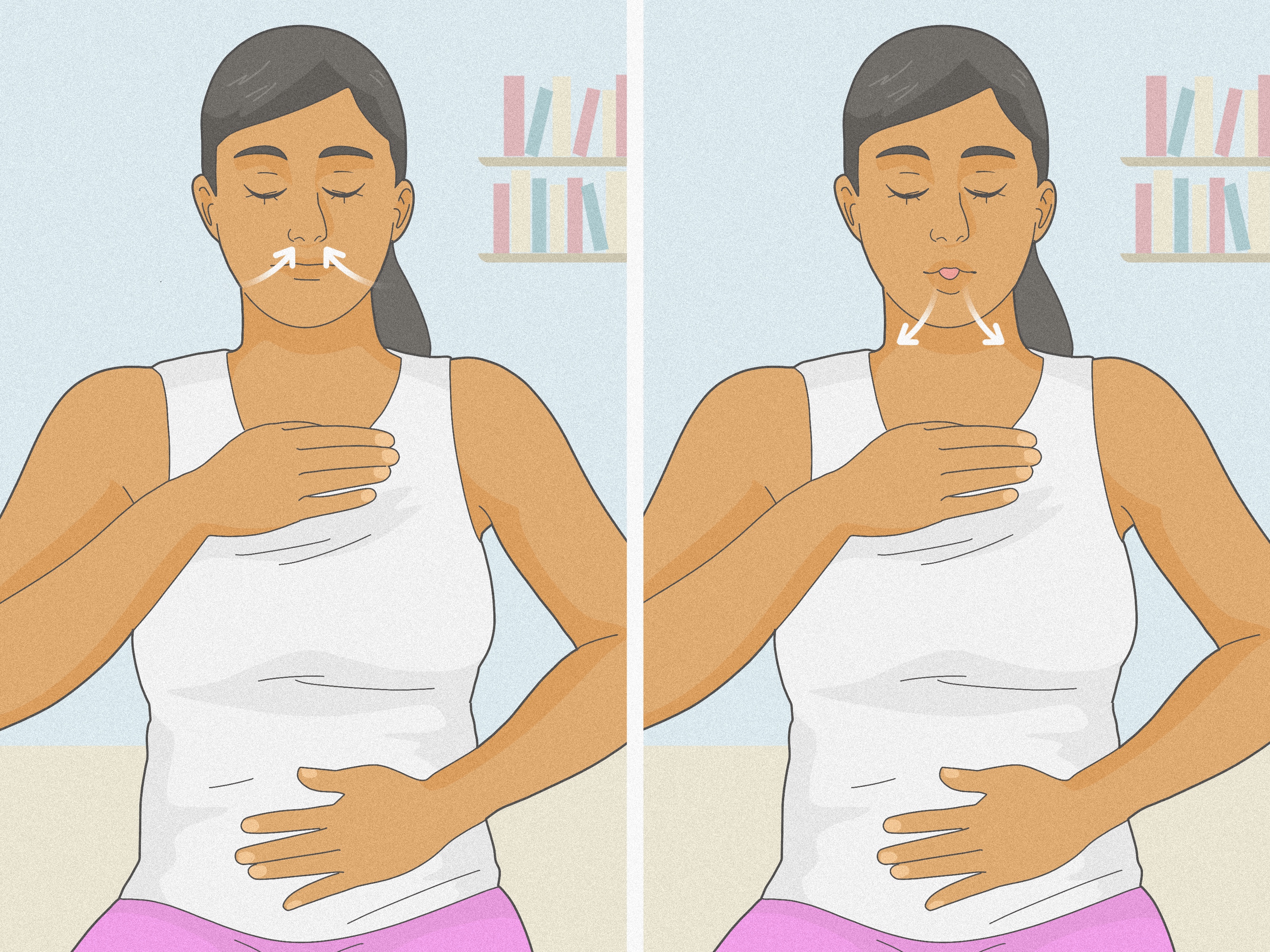
Start with awareness, not panic. Place one hand on your belly and one on your chest. Inhale gently through your nose and let the belly expand. Exhale slowly, longer than the inhale. You do not need to perform a dramatic movie-scene breath like you just found treasure in a cave. Gentle is the goal.
Try a “breathing checkpoint” before opening email, starting homework, joining a meeting, or replying to messages. Relax your shoulders. Unclench your jaw. Put both feet on the floor. Breathe in through the nose, then exhale slowly through the mouth. Repeat for three rounds. This trains your body to associate screen time with breathing instead of turning into a statue with Wi-Fi.
If anxiety is frequent, intense, or interfering with school, work, sleep, or relationships, consider speaking with a healthcare professional or mental health provider. Breathing exercises can help, but they are not a substitute for care when anxiety is taking over daily life.
Cause 2: Sleep Apnea or Breathing Pauses During Sleep
If you mostly notice the problem at night, especially if you wake up gasping or someone says you snore loudly, sleep apnea may be involved. Sleep apnea is a condition in which breathing repeatedly stops and restarts during sleep. Obstructive sleep apnea happens when the upper airway becomes blocked or collapses during sleep. Central sleep apnea is less common and happens when the brain does not send breathing signals properly.
Sleep apnea can leave people feeling tired even after a full night in bed. That is because the brain may briefly wake the body again and again to restart breathing. You might not remember those awakenings, but your morning mood will. It may arrive wearing sweatpants and holding a grudge.
Common Signs
- Loud snoring, especially with pauses, choking, or gasping.
- Waking up with a dry mouth, sore throat, or morning headache.
- Daytime sleepiness, brain fog, irritability, or trouble focusing.
- Restless sleep or frequent nighttime awakenings.
- Needing to sleep propped up or feeling worse on your back.
What to Do
Do not ignore repeated nighttime breathing pauses. Ask a healthcare provider about a sleep evaluation. Diagnosis often involves a sleep study, which may be done in a sleep lab or sometimes at home, depending on the situation. Treatment can include positive airway pressure therapy, oral appliances, weight management when appropriate, treating nasal congestion, changing sleep position, and addressing contributing factors such as alcohol use or sedating medications in adults.
Sleep apnea is not just “annoying snoring.” Untreated, it can affect energy, concentration, blood pressure, heart health, and overall quality of life. The sooner it is evaluated, the sooner sleep can stop behaving like a poorly organized group project.
Cause 3: Hyperventilation, Panic, and Irregular Breathing Patterns
Hyperventilation means breathing more than the body currently needs, often by breathing too fast, too deeply, or with quick shallow breaths. Strangely, it can make someone feel like they are not getting enough air, even though they are breathing a lot. This happens because over-breathing can lower carbon dioxide levels, which may trigger dizziness, tingling, chest tightness, lightheadedness, and a frightening sensation of air hunger.
Panic attacks can also include shortness of breath, choking sensations, racing heart, sweating, trembling, dizziness, nausea, chest discomfort, and a sense of danger. These symptoms can feel intense and scary. Many people mistake panic-related breathing symptoms for a heart or lung emergency, and it is always reasonable to seek urgent help if symptoms are new, severe, or unclear.
Common Signs
- Breathing feels fast, shallow, or difficult to control.
- You feel dizzy, tingly, shaky, or lightheaded.
- The episode appears during stress, fear, conflict, crowded places, exams, or pressure.
- The sensation improves after calming down, grounding, or slowing the exhale.
What to Do
Focus on extending the exhale rather than forcing huge inhales. A useful approach is pursed-lip breathing: inhale gently through the nose, then exhale slowly through lips shaped as if you are cooling soup. The exhale should be longer than the inhale. This can reduce the feeling of breathlessness and help the nervous system settle.
Grounding can also help. Name five things you can see, four things you can feel, three things you can hear, two things you can smell, and one thing you can taste. This gives the brain a job besides shouting, “Emergency meeting!” into your nervous system.
If panic attacks or hyperventilation episodes repeat, talk with a healthcare professional. Treatment may include breathing retraining, therapy, stress management, and sometimes medication. The goal is not to “just relax,” which is possibly the least relaxing sentence in human history. The goal is to learn what is happening and build tools that actually work.
Cause 4: Medical Conditions That Make Breathing Feel Harder
Sometimes “forgetting to breathe” is not actually forgetting. It is the body reporting that breathing feels harder than usual. Shortness of breath can come from lung conditions, heart conditions, anemia, infections, allergies, deconditioning, high altitude, medication effects, and more. This is why repeated, unexplained, or worsening breathlessness should be checked.
Asthma can cause wheezing, coughing, chest tightness, and breathlessness, often triggered by allergens, exercise, cold air, smoke, respiratory infections, or workplace irritants. Heart problems can cause breathlessness during activity, while lying down, or suddenly at night. Anemia can make the body feel oxygen-starved because there are not enough healthy red blood cells or enough hemoglobin to carry oxygen efficiently. Even a stuffy nose can make breathing feel annoying, though usually not dangerous.
Common Signs That Point Toward Medical Evaluation
- Shortness of breath during normal activities that used to be easy.
- Wheezing, ongoing cough, chest tightness, or symptoms triggered by exercise.
- Extreme fatigue, dizziness, pale skin, fast heartbeat, or weakness.
- Breathlessness when lying flat or waking suddenly short of breath.
- Symptoms that are new, worsening, recurring, or unexplained.
What to Do
Track your symptoms for a few days if they are mild and not urgent. Note when they happen, what you were doing, how long they last, whether you wheeze or cough, whether anxiety is involved, and whether sleep is affected. Bring that information to a healthcare provider. Helpful tests may include a physical exam, oxygen level check, lung function testing, blood tests, sleep study, chest imaging, or heart evaluation depending on the story.
Do not self-diagnose from one symptom. Breathing complaints overlap like cables behind a television. A professional can help untangle whether the cause is stress, sleep, lungs, heart, blood, environment, or something else.
When to Seek Emergency Help
Get urgent medical care immediately if breathing trouble is sudden, severe, or accompanied by chest pain, pressure, fainting, confusion, blue or gray lips, severe allergic reaction, choking, serious injury, coughing up blood, or inability to speak in full sentences. Also seek urgent care if an asthma rescue inhaler does not help during a serious flare, or if breathing symptoms rapidly worsen.
For less dramatic but persistent symptoms, schedule a medical visit. Breathlessness that keeps returning, wakes you from sleep, limits activity, or makes you anxious deserves attention. You do not need to wait until your lungs file paperwork.
Simple Daily Habits That Support Better Breathing
1. Build Breathing Breaks Into Screen Time
Every 30 to 60 minutes, pause for one minute. Sit tall, relax the shoulders, and take slow, quiet breaths. The goal is not to become a monk on a mountain by Tuesday. The goal is to stop accidentally holding your breath while reading notifications.
2. Improve Posture Without Turning Into a Robot
Slumped posture can make chest breathing feel restricted. Keep your screen near eye level, rest your feet on the floor, and let your ribs move. Good posture should feel supported, not like you are auditioning to be a mannequin.
3. Practice Diaphragmatic Breathing
Lie down or sit comfortably. Place a hand on your belly. Breathe in through the nose so the belly rises gently. Exhale slowly so the belly falls. Practice for a few minutes daily when you are calm, not only when your nervous system is already juggling flaming bowling pins.
4. Use Pursed-Lip Breathing During Breathlessness
Inhale gently through the nose for about two counts. Exhale slowly through pursed lips for four to six counts. This can be especially helpful when you feel winded or anxious. Stop if you feel worse, dizzy, or uncomfortable.
5. Protect Sleep
Keep a consistent sleep schedule, limit heavy meals close to bedtime, and pay attention to snoring, gasping, morning headaches, or daytime sleepiness. If those symptoms appear, ask about sleep apnea screening.
500-Word Experience Section: Real-Life Moments When People Feel They “Forget to Breathe”
For many people, the first time they notice this feeling is not during a dramatic health crisis. It is during an ordinary moment: writing a difficult message, waiting for test results, playing an intense video game, studying late, rushing through work, or sitting in traffic while the car in front appears to be powered by indecision. Suddenly, they inhale sharply and think, “Have I been breathing?”
One common experience is the “concentration freeze.” A student may be solving a math problem, staring at the screen, and holding their breath without realizing it. The shoulders creep upward, the jaw tightens, and the breath becomes tiny. After several minutes, the body sends a reminder in the form of a sigh, yawn, or sudden urge to take a deep breath. This does not necessarily mean anything dangerous is happening. It often means the body has slipped into tension mode.
Another familiar pattern is the “message anxiety breath.” Someone opens a serious email, a text from a boss, or a notification that begins with “We need to talk,” which is basically the national anthem of nervous breathing. The body reacts before the mind has fully read the message. Breathing becomes shallow, the chest feels tight, and the person may feel briefly air-hungry. In that moment, slowing the exhale and relaxing the body can help signal safety.
Some people notice the issue at night. They wake up suddenly, heart pounding, mouth dry, or feeling like they need air. If this happens once after a nightmare or stuffy nose, it may pass. But if it happens repeatedly, especially with loud snoring, daytime sleepiness, or morning headaches, it is worth discussing with a healthcare provider. Many people with sleep apnea do not realize how often their sleep is being interrupted until someone else hears the pauses or a sleep study reveals the pattern.
There is also the “deep breath chase.” A person feels like they cannot get a satisfying breath, so they keep trying to inhale deeply. The more they try, the more tense they become. Soon, the breathing feels even less natural. In these moments, forcing bigger breaths may not help. A softer approach often works better: breathe normally, lengthen the exhale, drop the shoulders, and shift attention away from monitoring every breath like a suspicious security guard.
The most important experience lesson is this: context matters. If the sensation happens during stress, screens, or posture strain and improves with breaks, it may be a breathing pattern issue. If it happens during sleep, with snoring or gasping, think about sleep apnea. If it comes with wheezing, chest tightness, faintness, fatigue, or activity limits, get medical guidance. Your body is not being annoying for fun. It is communicating, sometimes in a whisper, sometimes with a marching band.
Conclusion
So, why do you forget to breathe? Usually, you do not literally forget. More often, stress, screen focus, anxiety, sleep apnea, hyperventilation, posture, or an underlying health condition changes how breathing feels. The right response depends on the pattern. For screen-related breath-holding, build awareness and take breathing breaks. For anxiety or panic, slow the exhale and seek support if symptoms repeat. For nighttime gasping, ask about sleep apnea. For persistent or worsening shortness of breath, get medical evaluation.
Breathing is automatic, but it is also influenced by how you live, sleep, sit, think, and feel. Treat it kindly. Your lungs have been showing up for you since day one, and honestly, their attendance record is impressive.
Note: This article is for informational and educational purposes only. It does not replace medical advice, diagnosis, or treatment. Seek urgent care for severe, sudden, or concerning breathing symptoms.