Irish Spring soap has a reputation that goes far beyond the shower. Somewhere between “fresh laundry” and “mountain breeze in a green wrapper,” homeowners discovered that its strong scent may help discourage certain unwanted visitorsespecially deer, rabbits, and curious little critters that treat your garden like an all-you-can-eat buffet.
But let’s be honest: Irish Spring is not a magic force field. It will not make mice pack tiny suitcases and move three counties away. It will not replace sealing cracks, removing crumbs, fixing leaks, or calling a pest professional when you have a real infestation. What it can do is work as a simple, low-cost scent deterrent in specific spots around your home, garden, shed, porch, and storage areas.
The best way to use Irish Spring soap for pest control is to treat it like a supporting actor, not the whole movie. Pair it with smart pest-proofing: tight trash lids, sealed entry points, dry storage areas, trimmed landscaping, and clean food zones. When you combine common-sense prevention with a strong-smelling soap trick, you give pests fewer reasons to visit and fewer places to get comfortable.
Below are seven practical, surprisingly clever Irish Spring soap hacks for a pest-free homeplus real-world experience tips to help you avoid the usual mistakes.
Why Irish Spring Soap Is Used as a Pest Deterrent
Irish Spring soap is popular in DIY pest-control circles because it has a powerful fragrance. Many animals rely heavily on smell when exploring, feeding, nesting, or deciding whether an area feels safe. Strong unfamiliar odors may make a space less appealing, at least temporarily.
This is why gardeners often hang pieces of scented soap near vegetables, flowers, young shrubs, or container plants. The goal is not to poison or trap pests. The goal is to create a smell barrier that makes browsing animals pause and choose an easier snack somewhere else. In other words, it is less “pest destroyer” and more “please dine elsewhere.”
Still, results vary. Rain, heat, wind, humidity, pest pressure, and animal habits all affect how well soap works. A hungry deer may ignore a soap bar if your hostas look like a five-star salad. A mouse looking for warmth in winter will care more about an open gap near your foundation than a fresh-smelling soap cube. That is why the hacks below include both the soap trick and the practical prevention step that makes it stronger.
7 Mind-Blowing Irish Spring Soap Hacks for a Pest-Free Home
1. Hang Soap Sachets Around Garden Beds
If deer or rabbits keep sampling your garden like unpaid restaurant critics, start with the classic Irish Spring garden sachet. Cut one bar into four to six chunks, place the pieces in mesh bags, and hang them from stakes, tomato cages, trellises, or low branches around the garden perimeter.
Mesh bags are important because they let the scent travel while keeping the soap from sitting directly on leaves or soil. Old produce bags, drawstring organza bags, or small breathable fabric pouches work well. Hang the sachets about nose-height for the pest you are trying to deter. For rabbits, keep them low. For deer, place them higher near the tops of vulnerable plants.
This hack is especially useful near lettuce, beans, young ornamentals, tulips, hostas, and tender vegetable seedlings. Place one sachet every few feet around the most tempting areas. Think of it as putting up a scented “private property” sign.
Smart add-on: For serious deer pressure, use soap sachets with fencing, deer-resistant plants, motion sprinklers, or commercial repellents. Soap alone may help, but a determined deer can be impressively disrespectful.
2. Sprinkle Soap Shavings Near Containers and Raised Beds
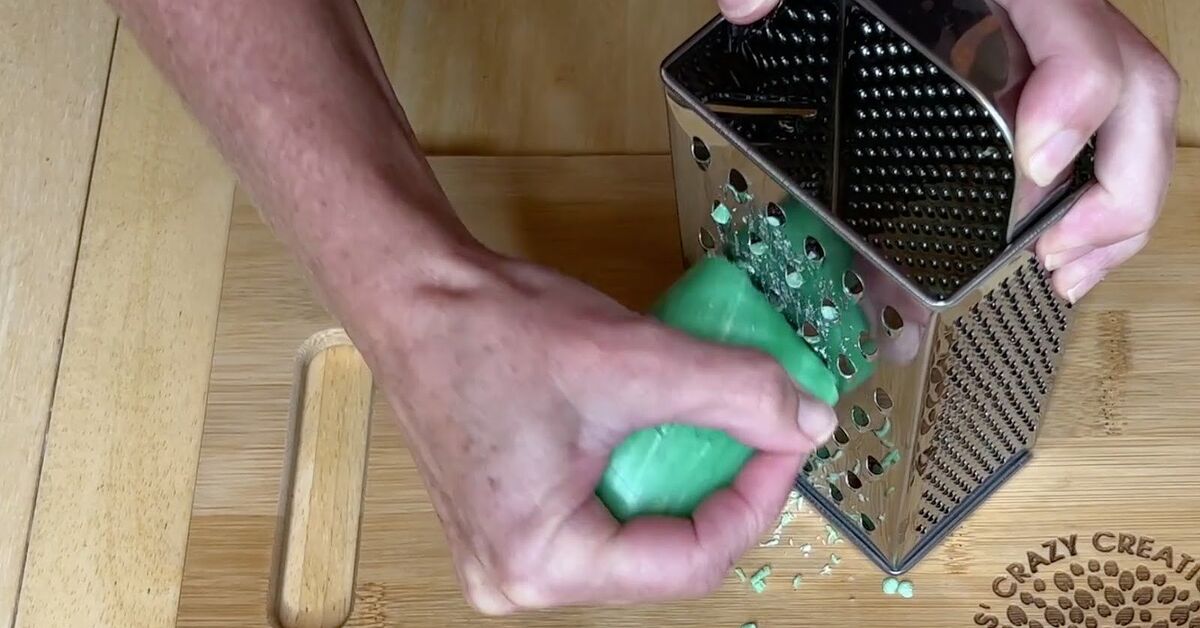
For patios, balconies, container gardens, and raised beds, soap shavings are easier to place than whole bars. Use a vegetable peeler or cheese grater to shave small curls of Irish Spring into a bowl. Then sprinkle a light ring of shavings around the outside edge of pots, planters, and raised beds.
Do not bury piles of soap in the soil or pack it around plant stems. Soap can break down when exposed to rain and irrigation, and too much residue in one spot is not ideal for delicate plants. The goal is scent placement, not soap mulching. A little goes a long way.
This method is helpful when rabbits, squirrels, or other small animals are sniffing around herbs, strawberries, young greens, or decorative planters. It also makes your patio smell like someone gave it a pep talk in a shower commercial.
Smart add-on: Refresh the shavings after heavy rain or every one to two weeks during active pest season. If the scent fades, the deterrent effect fades too.
3. Place Soap Cups Near Trash and Compost Zones
Outdoor trash cans and compost bins can attract pests because they offer odor, food residue, warmth, and shelter. Irish Spring soap will not fix an overflowing trash can, but it can be used as an extra scent layer around the area.
Cut a bar into chunks and place the pieces in small ventilated containers, such as plastic berry baskets, mesh pouches, or containers with holes punched in the lid. Set them near the trash can area, not inside loose garbage. This helps keep the soap contained while letting the fragrance spread.
This hack works best for reducing general curiosity around tidy outdoor utility zones. It is not a solution for raccoons, rats, or other persistent pests if food waste is easy to access. If the trash lid does not close, pests will treat the soap like background music while they enjoy dinner.
Smart add-on: Use tight-fitting lids, rinse food containers before tossing them, clean spills around cans, and keep compost balanced with dry brown materials. A clean trash zone plus scent deterrent is much stronger than scent alone.
4. Make Garage and Shed Entry-Point Soap Stations
Garages and sheds are prime pest hangouts because they often have gaps, cardboard boxes, pet food, birdseed, grass seed, and forgotten snacks from three summers ago. Irish Spring soap can help make these spaces less inviting when placed near likely entry points.
Put chunks of soap in mesh bags or small open containers near garage corners, shed doors, crawl-space access points, and storage shelves. Focus on dry areas where the soap will not melt into a mess. Avoid placing soap where pets can chew it or where it can stain fabric, wood, or stored items.
This hack is often used by homeowners hoping to discourage mice from nesting in quiet storage areas. However, soap should never be your only rodent-control method. Mice can squeeze through tiny openings, chew through weak materials, and build nests in undisturbed clutter. If they can get in, they probably will.
Smart add-on: Seal gaps with rodent-resistant materials, store seed and pet food in metal or thick plastic containers, keep boxes off the floor, and reduce clutter. The soap is the “please leave” sign; exclusion is the locked door.
5. Use Irish Spring in Seasonal Storage Bins
Attics, basements, cabins, RVs, and holiday storage areas can become pest hotels during quiet months. A smart trick is to add Irish Spring soap pieces nearnot directly touchingseasonal storage bins.
Place soap chunks in breathable pouches and set them on shelves, beside storage totes, or near entry points to storage rooms. This can help create a fresher-smelling zone and may discourage some curious nibblers from exploring. It is especially useful around bins holding gardening gloves, patio cushions, outdoor fabric, camping gear, and holiday decorations.
Do not place unwrapped soap directly on clothing, paper, ornaments, or wood. Soap can transfer fragrance, oils, or residue. If you are storing fabric items, keep them in sealed containers and place the soap outside the bin rather than inside it.
Smart add-on: Replace cardboard boxes with sealed plastic totes. Pests love cardboard because it is easy to chew and makes cozy nesting material. Your vintage ornaments deserve better roommates.
6. Create a Porch and Patio Scent Barrier
Porches, decks, and patios attract pests for simple reasons: crumbs, moisture, pet bowls, plant saucers, grill drips, and warm hiding places. Irish Spring soap can be used as part of a porch perimeter strategy.
Cut the soap into small cubes and place them in mesh pouches under benches, near planter clusters, along porch steps, or around the edge of a deck. Keep them away from walkways where they could become slippery if wet. The scent may help discourage some animals from lingering around the area.
This is not a reliable mosquito-control method. Mosquito prevention depends more on removing standing water, cleaning clogged gutters, emptying plant saucers, and maintaining screens. However, a fresh-smelling porch can still be part of a cleaner, less pest-friendly outdoor living space.
Smart add-on: Sweep crumbs, clean the grill area, empty standing water weekly, and bring pet food indoors after feeding. The soap helps with scent; cleanliness removes the invitation.
7. Build a Rain-Resistant Soap Rotation System
The most overlooked Irish Spring soap hack is not where you put itit is how often you refresh it. Soap loses strength after rain, sun exposure, and time outdoors. A bar that smelled powerful in April may smell like a tired green rock by June.
Create a simple rotation system. Label areas such as “garden,” “shed,” “trash zone,” “porch,” and “storage.” Check each spot every one to two weeks. Replace soap when it looks mushy, cracked, faded, or scentless. Move pouches occasionally so animals do not get too used to one predictable smell pattern.
This hack sounds simple, but it is the difference between “I tried soap and it failed” and “I used soap correctly as part of a pest-prevention routine.” Pests adapt. Your system should adapt too.
Smart add-on: Keep a small pest log. Write down where you saw droppings, chew marks, tracks, plant damage, or digging. If activity continues in the same area, soap is not enough and you need stronger prevention.
Where Irish Spring Soap Works Best
Irish Spring soap is most useful in low-to-moderate pest situations where scent may discourage casual browsing or exploring. It works best outdoors or in ventilated utility spaces, not as a cure for an active indoor infestation.
- Garden edges with light rabbit or deer activity
- Container gardens and raised beds
- Dry sheds and garages
- Porches, patios, and decks
- Seasonal storage areas
- Trash zones that are already clean and tightly covered
Where Irish Spring Soap Is Not Enough
Irish Spring soap should not be relied on for serious pest problems. If you see repeated rodent droppings, hear scratching in walls, find chewed wiring, notice strong odors, or discover pests inside food storage areas, it is time to move beyond DIY scent tricks.
For rodents, sealing entry points is essential. For pantry pests, remove infested food and clean storage shelves. For mosquitoes, eliminate standing water. For termites, bed bugs, cockroaches, or large infestations, contact a qualified pest-control professional. Soap may smell bold, but it does not inspect walls, identify species, or solve structural access points.
Safety Tips Before Using Irish Spring Soap Hacks
Even simple DIY methods need common sense. Keep soap pieces away from pets and young children, especially dogs that may chew anything with a strong smell. Do not place soap where rainwater can wash residue directly into ponds, birdbaths, or delicate plant beds. Avoid putting soap on edible plant leaves or directly against stems.
Use breathable bags, containers, or cages whenever possible. That keeps the soap where you want it and makes cleanup easier. If a piece becomes mushy, remove it and replace it. A tidy soap station is clever. A melted green puddle on the porch is just a household mystery with fragrance.
Real-Life Experience: What Usually Happens When People Try These Soap Hacks
The first thing most people notice is the smell. Fresh Irish Spring has a strong scent that travels quickly, especially in warm weather. In a garden, that can be useful because the fragrance spreads around plant beds and creates a noticeable change in the area. Many homeowners start by hanging a few chunks near the plants that get eaten first. If the damage slows down, they expand the setup around the garden border.
The second thing people learn is that placement matters. A single bar tossed on the ground near a 20-foot vegetable bed probably will not do much. Multiple small pieces placed around the perimeter are usually more effective than one big bar sitting in one corner. Pests do not read labels, so you have to make the scent obvious where they enter, browse, or investigate.
Rain is the biggest frustration. After a storm, soap chunks may soften, shrink, or lose their strong smell. Gardeners who get the best results usually refresh the soap regularly instead of waiting until pest damage returns. Mesh bags hung under leaves, roof edges, or small garden stakes tend to last longer than pieces placed directly on wet soil.
Another common lesson is that Irish Spring works better before pests form a habit. If rabbits have already discovered your beans and visited every night for two weeks, soap may not be persuasive enough by itself. But if you place soap early in the season before damage starts, it may help prevent casual feeding. Prevention is almost always easier than eviction.
In garages and sheds, people often expect soap to solve mouse problems instantly. That expectation usually leads to disappointment. If there is birdseed in a paper bag, a gap under the door, and soft nesting material stacked in cardboard boxes, mice have everything they need. Adding soap might make the shed smell fresh, but it does not remove the buffet or close the front entrance. The best results come when soap is paired with sealed food containers, repaired gaps, and less clutter.
For patios and porches, Irish Spring is best treated as a finishing touch. Clean the grill, sweep crumbs, empty plant saucers, and bring pet bowls inside first. Then use soap pouches around the perimeter. That order matters. Otherwise, pests may simply walk past the “fresh scent barrier” to get to the leftover barbecue sauce under the table.
One surprisingly helpful experience tip is to use more smaller pieces instead of fewer large ones. Smaller pieces create more scent points and are easier to replace. They also fit better in mesh bags, berry baskets, or small soap cages. Labeling the pouches by area can help you remember what was placed where, especially if you are treating a garden, shed, porch, and storage room at the same time.
The final lesson is patience. Irish Spring soap hacks are not dramatic overnight miracles. They are practical, low-cost deterrents that may reduce pest interest when used consistently. Think of them like locking your car doors: one simple habit will not stop every problem, but it makes your property less inviting than the easier target next door.
Conclusion
Irish Spring soap hacks can be a fun, affordable way to support a pest-free home, especially in gardens, sheds, garages, patios, and seasonal storage areas. The strong scent may discourage some deer, rabbits, and curious nuisance pests, particularly when the soap is fresh and placed strategically.
But the real magic happens when you combine soap with proven pest-prevention habits. Seal gaps. Store food properly. remove standing water. Keep trash covered. Reduce clutter. Refresh your soap regularly. When you do all of that, Irish Spring becomes more than a bathroom bar with a fan clubit becomes one small but useful part of a smarter pest-control routine.
Note: Irish Spring soap is a scent-based home hack, not a registered pesticide or a guaranteed pest-control solution. For active infestations, property damage, health concerns, or recurring rodent activity, use proper exclusion methods and contact a qualified pest-control professional.