Note: This article is based on publicly reported entertainment information available as of May 7, 2026, and is written as original SEO content for web publication.
Valerie Bertinelli has always had a rare television superpower: she can make a camera feel less like a machine and more like a kitchen chair pulled up beside you. Whether viewers first met her as Barbara Cooper on One Day at a Time, laughed with her on Hot in Cleveland, or watched her cheer on young bakers with the patience of a saint and the timing of a sitcom pro, Bertinelli has built a career on warmth that never feels manufactured.
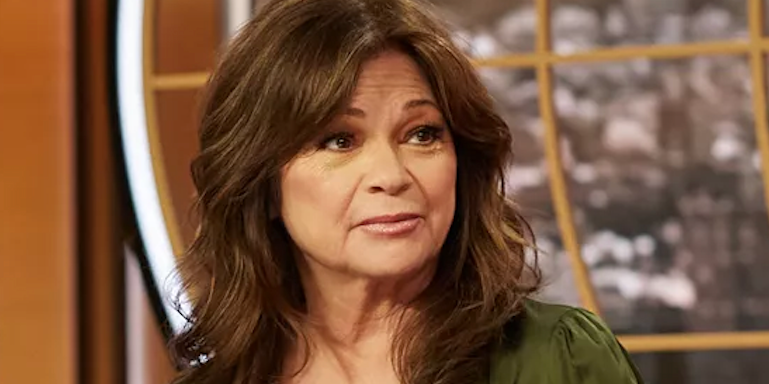
So when news broke that Valerie Bertinelli was officially returning to television as part of The Drew Barrymore Show, the reaction was not just “Oh, nice.” It was more like “Finally, somebody remembered where the cozy button is.” Her role as a lifestyle expert and member of Drew Barrymore’s “Drew Crew” makes almost too much sense. Both women are famous, yes, but their real appeal is not celebrity polish. It is emotional honesty, self-deprecating humor, and the ability to talk about food, feelings, life changes, and mascara smudges without turning the whole thing into a TED Talk with throw pillows.
And now, with Bertinelli also stepping back into scripted acting through Lifetime’s Love, Again, her TV comeback feels even more meaningful. This is not a simple “star returns to screen” headline. It is a second-act story about reinvention, trust, vulnerability, and the strange magic of choosing joy after disappointment. In other words, very Valerie.
Why Valerie Bertinelli’s TV Return Feels Like a Homecoming
Valerie Bertinelli’s return to television lands differently because she never really disappeared from viewers’ emotional radar. Even when her Food Network chapter changed, fans continued to follow her public reflections on grief, aging, body image, self-acceptance, cooking, dating, and starting over. She has never positioned herself as someone who has everything figured out. Instead, she has become popular precisely because she is willing to say, “I am figuring it out too,” preferably while standing near pasta.
That kind of openness makes her a natural fit for daytime TV. The Drew Barrymore Show thrives on a conversational style that blends celebrity interviews, wellness, lifestyle tips, food segments, and big-hearted personal moments. Drew Barrymore has built her show around optimism without pretending life is one long scented candle commercial. Bertinelli brings the same tone: upbeat, but not fake; funny, but not mean; sentimental, but not sticky-sweet enough to require dental insurance.
As a regular lifestyle expert, Bertinelli can do what she does best: translate real life into something viewers can use. That might mean talking about a recipe, a wellness reset, a confidence wobble, or why a good meal for one still deserves a plate and not just a fork hovering over the sink. Her presence gives the show another familiar, trusted voiceone that carries decades of TV history without acting like a museum exhibit.
The Drew Barrymore Show Is a Perfect Fit for Valerie Bertinelli
The pairing works because Drew Barrymore and Valerie Bertinelli share a similar public language. Both grew up in the spotlight. Both have lived through intensely public personal chapters. Both have moved between acting, lifestyle, family-centered storytelling, and deeply personal conversations. Most importantly, both understand that audiences are not just looking for celebrities to admire from a distance. They want people who feel human up close.
On The Drew Barrymore Show, Bertinelli is not being asked to become someone new. She is being invited to bring the qualities viewers already love: compassion, humor, food wisdom, and that slightly mischievous sparkle that says she may have a heartfelt thought and a punchline ready at the same time. This is the sweet spot for her brand. She can talk about healthy living without sounding punishing. She can discuss emotional growth without turning every moment into a therapy worksheet. She can cook something comforting and still remind viewers that comfort food is not a character flaw.
A Lifestyle Role That Uses Her Full Range
The word “lifestyle” can sometimes sound vague, like a drawer where television producers toss recipes, throw pillows, and advice about drinking more water. But for Bertinelli, lifestyle is actually a strong match. Her career has included sitcom acting, family-centered storytelling, cookbooks, hosting, competition judging, and candid writing about personal transformation. She has lived enough life to make advice feel earned, not laminated.
That matters in daytime television. Viewers can sense when a segment is just filler. They can also sense when someone is bringing real experience to the table. Bertinelli has cooked on TV, written about food, navigated public reinvention, and shown up for conversations about self-worth. Her value is not simply that she is famous. Her value is that she can make ordinary topicsdinner, confidence, heartbreak, aging, friendship, starting overfeel worth talking about.
From Food Network Favorite to a New Chapter
For years, Bertinelli was strongly associated with Food Network, especially through Valerie’s Home Cooking and Kids Baking Championship. Her appeal in that world was obvious. She did not approach food as a performance of perfection. She approached it as a way to gather, remember, celebrate, and occasionally rescue a Tuesday night from becoming emotionally beige.
On Kids Baking Championship, she became beloved for the way she supported young contestants. Baking competitions can be tense even for adults, and kids under pressure need more than technical judgment. They need encouragement, calm, and someone who can soften the moment when a cake leans like it has received bad news. Bertinelli brought that nurturing presence without making the show feel less competitive. She understood the difference between judging a dessert and crushing a child’s spirit over buttercream.
That history matters because it explains why fans were so invested in her next move. When viewers spend years inviting someone into their homes through television, the relationship becomes surprisingly personal. Bertinelli’s move to The Drew Barrymore Show feels like a continuation of that bond rather than a hard reset. She is still in the lifestyle space, still speaking to everyday viewers, still bringing food and feeling into the same conversation. The set has changed, but the emotional recipe is familiar.
Love, Again Brings Valerie Bertinelli Back to Scripted Acting
While her daytime TV return is exciting, Bertinelli’s Lifetime movie Love, Again adds another layer to the comeback story. The film stars Bertinelli as Caroline, a woman whose long marriage is shaken when her husband Henry, played by Henry Czerny, is diagnosed with early-onset Alzheimer’s disease. Eric McCormack plays Leo, a new presence in Caroline’s life as she navigates loss, companionship, and the complicated possibility of opening her heart again.
That premise is emotionally rich territory, and it makes sense for Bertinelli at this stage of her career. She is not returning to scripted acting with a lightweight role that simply asks viewers to remember they like her. Instead, Love, Again asks her to bring maturity, vulnerability, grief, humor, and tenderness to the screen. It is the kind of role that benefits from a performer who has lived enough to understand emotional contradiction: how love can remain even when life changes, how laughter can appear at strange times, and how moving forward does not always mean leaving the past behind.
For longtime fans, this is a welcome reminder that Bertinelli is not only a food personality or a daytime guest. She is an actress with a television legacy stretching back decades. Her early success on One Day at a Time made her a household name, while Hot in Cleveland introduced her comedic timing to a new generation. Love, Again gives her room to show a softer dramatic range, and the timing feels right. After years of public openness about grief, healing, and reinvention, she is stepping into a story that mirrors the emotional themes her audience already associates with her.
Valerie’s Place Shows She Is Building on Her Own Terms
Bertinelli’s latest chapter is not limited to traditional TV. Her digital platform, Valerie’s Place, expands her relationship with fans through cooking shows, community-focused programming, and more personal content. That move is important because it shows she is not simply waiting for television executives to decide where she belongs. She is creating her own tableand presumably making sure there are snacks.
The platform includes concepts that fit her established strengths, such as revisiting beloved recipes, filming new cooking content, creating meals for one, and connecting with fans through interactive formats. The idea is very much aligned with modern celebrity media: audiences want direct access, authenticity, and a sense that the person they admire is not hidden behind six layers of network packaging.
For Bertinelli, this creator-owned direction makes strategic sense. She has a loyal audience, a recognizable voice, and a lifestyle identity built on comfort rather than perfection. Valerie’s Place allows her to blend food, conversation, memories, and personal growth in a setting that feels more intimate than a standard television slot. It also proves that her comeback is not a single booking. It is an ecosystem.
Why Fans Connect So Strongly With Valerie Bertinelli
Part of Bertinelli’s staying power comes from her refusal to pretend life has been tidy. Fans have seen her as a young sitcom star, a mother, a wife, a food host, an author, a grieving former spouse, a woman navigating public scrutiny, and a person learning to speak more kindly to herself. That kind of visibility creates a bond that cannot be manufactured by a press release.
She is relatable not because her life is ordinary, but because her reactions often are. She gets nervous. She gets excited. She is proud of her son. She talks about food with affection. She admits when things hurt. She laughs at herself. She has the rare ability to be candid without making every confession feel like a headline grab. In an entertainment culture that often rewards either polished perfection or dramatic oversharing, Bertinelli occupies a warmer middle ground.
That is why her television return feels satisfying. It is not just that viewers missed seeing her. They missed the feeling she brings. She represents a kind of TV comfort that does not insult the audience’s intelligence. She can be lighthearted and meaningful in the same segment. She can discuss a recipe and somehow make it about dignity, memory, and the importance of not saving the “good plates” for imaginary perfect occasions.
What This Comeback Says About Second Acts
Valerie Bertinelli’s current moment is also part of a bigger cultural shift. Audiences are increasingly interested in second acts, especially for women who have spent decades in public life. The old entertainment rulebook often treated age as a shrinking spotlight. Bertinelli’s comeback argues the opposite: experience can make a performer more compelling, not less.
Her appeal now is deeper than nostalgia. Nostalgia gets people to click once. Trust gets them to keep watching. Bertinelli has trust because she has allowed her public identity to evolve. She is not trying to recreate her teenage sitcom years or pretend the Food Network era never changed. She is carrying all of it forward: the acting, the cooking, the grief, the laughter, the confidence, the uncertainty, and the hard-won permission to begin again.
That is why the phrase “perfect fit” works so well here. The Drew Barrymore Show fits her because it values sincerity. Love, Again fits her because it asks for emotional truth. Valerie’s Place fits her because it lets her speak directly to the people who have stayed with her. Each project highlights a different part of her career, but together they tell one story: Valerie Bertinelli is not returning as a celebrity cameo. She is returning as a fully realized television personality with something real to offer.
Experience: Watching Valerie Bertinelli’s Return Feels Personal
For many viewers, watching Valerie Bertinelli come back to television is less like discovering a new star and more like hearing from someone they have known for years. That is the unusual thing about TV personalities who spend decades in people’s living rooms. They become part of the background music of everyday life. You may not think about them daily, but when they reappear, you realize they were filed somewhere in your emotional memory between family dinners, after-school reruns, weekend cooking shows, and that one recipe you swore you would try but absolutely did not.
There is also something comforting about seeing Bertinelli step into this chapter with visible excitement rather than forced reinvention. She is not trying to become a different kind of celebrity. She is leaning into what made audiences care in the first place: warmth, humor, honesty, and a sense that life can be messy and still worth celebrating. That message lands especially well for viewers who have experienced their own career changes, family transitions, grief, divorce, empty nests, health concerns, or quiet personal resets.
Her return can feel encouraging because it suggests that a person does not have to be finished just because one chapter ended. Food Network may have been a major part of her identity, but it was never the whole book. The Drew Barrymore role shows her as a connector and lifestyle voice. Love, Again shows her as an actress willing to be vulnerable. Valerie’s Place shows her as a creator taking ownership of her work. For anyone who has ever wondered whether it is too late to pivot, her answer appears to be: no, and please preheat the oven.
There is a viewer experience here that goes beyond entertainment news. Imagine someone watching Bertinelli on daytime TV while folding laundry, making lunch, or taking a small break from a difficult day. Her presence does not demand full glamour mode. It says, “Come as you are.” That is rare in a media landscape full of people selling idealized lives. Bertinelli’s charm is that she feels aspirational in a human way. Not flawless. Not filtered into oblivion. Just open, funny, thoughtful, and still curious.
That may be why her latest projects feel so emotionally aligned. A lifestyle segment, a heartfelt movie, and a direct-to-fan cooking platform all revolve around care. Care for yourself. Care for the people you love. Care for memory, meals, and the courage to try again after life rearranges the furniture without asking. Bertinelli has become a symbol of that kind of care, and her return reminds viewers that television can still offer companionship, not just content.
In the end, the experience of watching Valerie Bertinelli’s comeback is a little like being handed a warm dish from someone who understands that food is never just food and TV is never just TV. It is timing, trust, familiarity, and feeling. Her next project is a perfect fit because it does not ask her to hide the years. It lets her use them.
Conclusion
Valerie Bertinelli is officially back on TV, but the real story is not simply where she is appearing. It is why this moment works. Her role on The Drew Barrymore Show gives her a bright, emotionally open daytime home. Her Lifetime movie Love, Again brings her back to scripted acting with a story built around love, loss, and courage. Her digital platform Valerie’s Place gives her a way to connect with fans on her own terms.
Together, these projects make her comeback feel thoughtful rather than random. Bertinelli is not chasing relevance. She is stepping into spaces that match the person viewers have watched her become: warm, funny, resilient, honest, and wonderfully unafraid to begin again. That is not just a television return. That is a recipe for a second act worth watching.