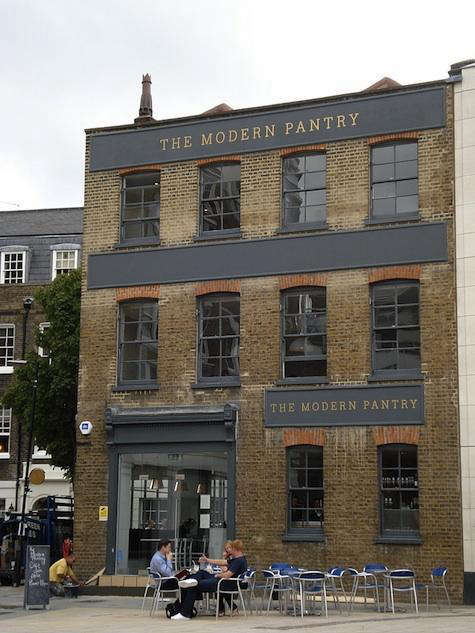
Note: The Modern Pantry in London is best understood today as a landmark name in Clerkenwell’s modern dining history. Its original restaurant became famous for inventive, globally inspired cooking under chef Anna Hansen, while later changes, closures, and revival reports made it a memorable chapter in London’s restaurant scene rather than a simple “book a table tonight” recommendation.
What Made The Modern Pantry in London So Memorable?
The Modern Pantry in London was never just another pretty restaurant with good lighting, polished floors, and the kind of brunch crowd that makes everyone suddenly care about poached eggs. It was a Clerkenwell institution, a restaurant that helped turn the idea of “fusion food” from a suspicious 1990s buzzword into something thoughtful, witty, elegant, and genuinely delicious.
Opened in 2008 at 47–48 St John’s Square, The Modern Pantry was created by chef Anna Hansen, a Canadian-born, New Zealand-raised cook whose food reflected a life spent collecting flavors like other people collect fridge magnets. The restaurant became known for combining British seasonal ingredients with Asian, Middle Eastern, Pacific Rim, and Antipodean influences. In plain English: it was the kind of place where familiar food showed up wearing a surprisingly stylish new jacket.
London has no shortage of restaurants that claim to be “modern.” Some simply mean the chairs are uncomfortable and the plates are enormous. The Modern Pantry, however, earned the word. It brought together a Georgian Clerkenwell setting, relaxed hospitality, a globally stocked larder, and a menu that treated spices, condiments, and unusual ingredients as serious building blocks rather than decorative confetti.
A Clerkenwell Restaurant with Character
Clerkenwell has long been one of London’s most interesting food neighborhoods. It sits close to Farringdon, Smithfield, design studios, historic squares, creative offices, and pubs that appear to have absorbed several centuries of gossip into their walls. Into that atmosphere came The Modern Pantry, housed in a pair of elegant Georgian buildings on St John’s Square.
The setting mattered. The restaurant was not hidden in a glass tower or squeezed into a trend-chasing food hall. It had architectural personality: heritage bones, clean modern interiors, natural light, and a calm, confident dining room. Reviews often described the space as airy, chic, understated, and welcoming. It was polished without being stiff, stylish without making guests feel they needed to whisper to the cutlery.
The phrase “modern pantry” was also more than a clever name. It suggested a new kind of kitchen cupboard: one where soy, miso, tamarind, curry leaves, yuzu, feta, coconut, saffron, lentils, maple syrup, and British produce could all live together peacefully. If traditional pantries were about flour, sugar, and emergency tins of beans, Anna Hansen’s pantry was a passport with shelves.
Anna Hansen and the Restaurant’s Global Food Philosophy
Anna Hansen’s cooking was central to the restaurant’s identity. Before opening The Modern Pantry, she worked with influential chefs including Peter Gordon, a major figure in London’s fusion cooking movement. But Hansen developed a voice of her own. Her food did not feel like random culinary mashups thrown together for shock value. It felt curious, balanced, and deeply ingredient-led.
That distinction matters. Poor fusion cooking can feel like a dare: “What if we put wasabi in the dessert and called it brave?” The Modern Pantry took a more intelligent path. It used global flavors to reveal something new about familiar ingredients. The result was food that could be surprising without being exhausting.
Examples from the restaurant’s reputation tell the story clearly. Brunch dishes included combinations such as sweetcorn waffles with feta, green chili, and curry notes. Menus were known for ingredients like wattleseed, hijiki, amchur, sambal, coconut, cassava, and miso. Diners might encounter a prawn omelet with chili heat, waffles with tropical influence, or savory plates that balanced sweetness, spice, acidity, and texture. The experience was adventurous, but it still remembered the most important restaurant rule: people actually have to want another bite.
Why The Modern Pantry Became a London Brunch Favorite
For many diners, The Modern Pantry in London was most famous for brunch. And that makes sense. Brunch is the meal where restaurants either shine or panic. It asks a kitchen to be comforting, efficient, indulgent, photogenic, and hangover-sensitive all at once. The Modern Pantry handled the assignment with style.
Its brunch appeal came from contrast. Guests could enjoy familiar comfortseggs, waffles, pastries, coffee, juiceswhile also discovering unusual flavor pairings. Instead of the same predictable eggs Benedict marching across every London table like a well-dressed army, The Modern Pantry offered plates with personality. It was brunch for people who wanted comfort but did not want boredom as a side dish.
The Clerkenwell location helped, too. St John’s Square had that rare London quality of feeling central and tucked away at the same time. Visitors could make a weekend of it: coffee, brunch, a slow walk through nearby streets, perhaps a stop at Smithfield or Exmouth Market, and then the noble British activity of pretending the day’s step count cancels out dessert.
The Menu: A Lesson in Creative Restraint
The Modern Pantry’s menu was often described as eclectic, but the better word may be “curated.” Its creativity came from a clear culinary logic. Hansen’s food drew on global ingredients, but the plates were not overloaded. A dish might combine a British vegetable with a Japanese seasoning, a New Zealand influence with a Middle Eastern spice, or a classic café format with a tropical twist.
That approach gave the restaurant a distinctive place in London dining. It was not fine dining in the white-tablecloth, tiny-tweezer sense, although the food showed real technical skill. It was not a casual café in the ordinary sense either, although it was approachable and relaxed. It lived in a productive middle ground: elegant enough for a special lunch, comfortable enough for brunch with friends, and inventive enough for diners who read menus like adventure novels.
Signature Strengths of The Modern Pantry’s Cooking
First, it respected ingredients. The unusual flavors were not there just to show off. They usually had a job: adding brightness, heat, umami, fragrance, crunch, or contrast.
Second, it made global food feel natural. Rather than forcing cuisines into awkward collisions, the restaurant treated the world’s pantry as an expanded vocabulary.
Third, it understood the power of brunch. Many restaurants treat brunch as a simplified service. The Modern Pantry treated it as a canvas.
Finally, it created a memorable brand identity. Long before every restaurant needed an Instagram personality, The Modern Pantry had a recognizable point of view.
The Finsbury Square Expansion
The success of the Clerkenwell restaurant eventually led to a second site in Finsbury Square. Opened in the City, the Finsbury Square location brought The Modern Pantry’s style to a more corporate neighborhood. The design was modern and refined, with references to Scandinavian simplicity and natural materials. It was a bigger, more business-friendly expression of the brand.
However, restaurant expansion is a little like soufflé: exciting when it rises, painful when it collapses. The Finsbury Square branch closed in December 2017 after around two years of trading. Reports at the time indicated that the team wanted to focus on the original Clerkenwell restaurant, which remained the heart of The Modern Pantry’s reputation.
The closure did not erase the brand’s impact. If anything, it highlighted how closely The Modern Pantry’s identity was tied to Clerkenwell. Some restaurants can multiply easily. Others are deeply connected to a place, a mood, a room, and a founder’s voice. The Modern Pantry belonged firmly in the second category.
Changes, Closure, and the Restaurant’s Later Story
In 2019, Anna Hansen stepped away from The Modern Pantry after more than a decade at the helm. Head chef Robert McLeary, who had worked with the business for years, was reported to be taking on a leading role in the kitchen. For loyal diners, Hansen’s departure marked a major turning point. Restaurants can survive chef changes, of course, but when a founder’s personality is woven into the menu, the shift is always meaningful.
The original Clerkenwell restaurant later closed during the difficult period surrounding the pandemic and lease changes. Reports in the restaurant press noted that the Clerkenwell site would not reopen in its original location after the lease expired. In 2022, there were reports of a planned comeback near the original site, connected with The Zetter Hotel in Clerkenwell. However, anyone planning a visit today should check current listings carefully, because The Modern Pantry’s legacy is clearer than its day-to-day availability.
That may sound melancholy, but it is also part of what makes London dining fascinating. Restaurants are living things. They open, evolve, move, close, inspire, and sometimes return in new forms. The Modern Pantry may no longer be the straightforward brunch booking it once was, but its influence remains easy to spot in the way modern London restaurants use international ingredients with confidence.
Why The Modern Pantry Still Matters
The Modern Pantry in London matters because it helped normalize a smarter version of global cooking. Today, diners are used to seeing miso in caramel, tahini in brownies, gochujang on sandwiches, yuzu in cocktails, and chili crisp on practically everything except perhaps tax forms. But when The Modern Pantry opened in 2008, this kind of ingredient freedom still felt fresher and more distinctive in London’s mainstream restaurant scene.
The restaurant also showed that fusion cooking did not have to be chaotic. It could be elegant. It could be seasonal. It could respect British produce while refusing to stay inside old-fashioned boundaries. In that sense, The Modern Pantry was not only a restaurant; it was an argument for curiosity.
Its appeal also came from emotional intelligence. Diners do not return to restaurants only because the spice blend is clever. They return because the room feels good, the food has rhythm, and the experience gives them a story to tell. The Modern Pantry offered that. It was the kind of place where a meal could begin with “I’m just having brunch” and end with someone Googling wattleseed on the way home.
What Travelers Can Learn from The Modern Pantry
For travelers researching The Modern Pantry in London, the most useful approach is to treat it as both a dining reference and a cultural landmark. It represents a particular era in London food: the rise of relaxed yet ambitious restaurants, the growing influence of Antipodean café culture, the confidence of global pantry cooking, and the transformation of neighborhoods like Clerkenwell into culinary destinations.
If you are building a London food itinerary, The Modern Pantry’s story can still guide your choices. Look for restaurants that share its values: inventive menus, seasonal ingredients, smart brunch, good coffee, relaxed service, and a willingness to mix culinary traditions with care. Clerkenwell remains a rewarding area for food lovers, with excellent restaurants, pubs, bars, cafés, and historic streets within walking distance of Farringdon station.
In other words, even if you cannot sit down at the original Modern Pantry today, you can still follow its flavor trail. That trail leads through creative London cooking, independent restaurant culture, global ingredients, and the ongoing belief that breakfast does not have to be beige.
The Modern Pantry and the Rise of the Global Larder
One reason The Modern Pantry continues to attract interest is that its core idea now feels more relevant than ever. Home cooks and restaurant chefs increasingly think in terms of a global larder. A modern kitchen might include olive oil, fish sauce, harissa, maple syrup, miso paste, za’atar, soy sauce, preserved lemons, chili oil, tahini, and British sea salt all within arm’s reach. The Modern Pantry anticipated that mindset beautifully.
The restaurant’s cookbook extended the concept beyond the dining room. It encouraged home cooks to think more freely about ingredients and flavor combinations. That legacy is important for SEO searchers, food tourists, and culinary readers alike because “The Modern Pantry” is not only a place name. It is also a cooking philosophy: stock your kitchen with imagination, then use it with balance.
Practical Tips for Readers Interested in The Modern Pantry
Check the Current Status Before Planning a Visit
Because The Modern Pantry has gone through closures, leadership changes, and reported revival plans, always verify the latest restaurant status before adding it to a London itinerary. Search current restaurant listings, hotel pages, and booking platforms before making plans.
Explore Clerkenwell Anyway
Even if The Modern Pantry is not operating in its original form, Clerkenwell remains worth visiting. The neighborhood offers a rich mix of design history, old pubs, modern restaurants, cocktail bars, and walkable streets.
Use The Modern Pantry as Culinary Inspiration
At home, borrow the restaurant’s biggest lesson: combine familiar ingredients with one unexpected flavor. Add miso to roasted vegetables, chili to brunch dishes, citrus to rich sauces, or herbs to sweet plates. Do it thoughtfully, not like a spice cabinet fell into your dinner.
Experience Section: Remembering and Reimagining The Modern Pantry in London
Experiencing The Modern Pantry in London was less about checking a famous restaurant off a list and more about entering a particular state of mind. Imagine arriving in Clerkenwell on a gray London morning, the kind where the sky looks like it has been steeped too long in weak tea. St John’s Square appears calm and handsome, with historic buildings standing around like they have seen every restaurant trend come and go and are politely refusing to be impressed.
Then you step into a dining room that feels bright, composed, and quietly confident. The tables are not trying too hard. The colors are soft. The atmosphere has energy, but not chaos. There is the gentle clatter of cutlery, the low hum of conversation, and the unmistakable optimism of people waiting for brunch. Brunch, after all, is the meal that convinces adults it is reasonable to eat waffles after noon and call it a lifestyle choice.
The menu is where the experience becomes memorable. You scan the dishes and notice that the ingredients are familiar and unfamiliar at the same time. Eggs are there, yes, but they are not alone. They have brought friends from several continents. You see chili, curry, coconut, herbs, grains, unusual condiments, bright sauces, and small flavor twists that make the menu feel alive. Nothing reads like a gimmick. Instead, each dish seems to ask, “What if breakfast had a better passport?”
A typical experience might begin with coffee or a fresh juice, followed by a plate that looks comforting at first glance and more intriguing after the first bite. The sweetness of corn could meet salty feta. A waffle could carry gentle heat. A sauce might add smoky depth. A salad might arrive with grains, herbs, and textures that make you wonder why your own fridge has been living such a quiet life. The food wakes up the palate without shouting into a megaphone.
What made the experience special was balance. Many creative restaurants make diners feel as though they are taking an exam. The Modern Pantry did not. It invited curiosity without punishing anyone for wanting pleasure. You could be a food obsessive analyzing every ingredient, or you could simply be hungry and happy. Both approaches worked.
Another part of the charm was the neighborhood rhythm. After a meal, Clerkenwell encouraged wandering. You could walk toward Farringdon, explore nearby cafés, admire old streets, or drift toward Smithfield. The restaurant fitted into that urban texture perfectly. It was modern, but not rootless. Global, but still London. Stylish, but not icy. It gave visitors a taste of how London dining was changing: more relaxed, more international, more ingredient-curious, and more willing to blur the line between café, restaurant, and destination dining.
For anyone writing about or remembering The Modern Pantry, the most useful experience to carry forward is not just one dish or one review. It is the feeling of possibility. The restaurant suggested that a pantry could be bigger than tradition, that brunch could be more than eggs on autopilot, and that fusion cooking could grow up, put on a clean shirt, and become genuinely charming.
Today, that spirit is easy to apply beyond the original restaurant. A modern pantry at home might include British vegetables, American maple syrup, Japanese miso, Korean chili paste, Greek yogurt, Middle Eastern spices, Mexican lime, and New Zealand wine. The trick is not to use everything at once. This is dinner, not a United Nations emergency meeting. The lesson from The Modern Pantry is to choose carefully, balance boldly, and let ingredients bring out the best in one another.
That is why The Modern Pantry in London still deserves attention. It was a restaurant, yes, but also a small culinary philosophy with a very good brunch service. Its story reminds diners that memorable food does not always come from being louder, richer, or more complicated. Sometimes it comes from a clever pantry, a generous table, and a chef brave enough to ask what might happen if the familiar met the unexpected and they got along beautifully.
Conclusion
The Modern Pantry in London remains one of Clerkenwell’s most interesting restaurant stories. Founded by Anna Hansen, it helped define a modern, globally inspired style of London cooking that felt inventive without becoming silly. Its menus celebrated unusual ingredients, brunch became part of its legend, and its Georgian setting gave the restaurant a memorable sense of place.
Although the original restaurant is no longer the same simple booking opportunity it once was, its influence continues. The Modern Pantry showed how a restaurant could combine comfort, creativity, and international flavor with grace. For food lovers, travelers, chefs, and home cooks, its legacy is still worth exploringpreferably with something spicy, something citrusy, and absolutely no boring eggs.