Your mattress works the night shift. It catches sweat, skin flakes, dust, pet hair, snack crumbs, and the occasional “I swear I did not spill coffee in bed” incident. Even with clean sheets, odors can settle into the fabric over time, making your bed feel less like a peaceful cloud and more like a suspicious upholstered sponge.
The good news? You can freshen many mattresses at home with careful steam cleaning, smart deodorizing, and enough drying time to keep moisture from becoming the villain of the story. The important word is careful. Steam can help loosen grime, reduce surface odors, and refresh fabric, but too much heat or moisture may damage some mattress materials, especially memory foam, latex, pillow tops, and smart mattresses with internal electronics.
This guide explains how to steam clean a mattress safely, deodorize it with simple household methods, remove light stains, and keep your bed smelling clean longer. Think of it as a spa day for your mattress, minus the cucumber water and awkward robe.
Can You Steam Clean a Mattress?
Yes, many traditional innerspring and hybrid mattresses can be lightly steam cleaned, but you should always check the manufacturer’s care label first. A mattress is not like a tile floor. It is thick, layered, absorbent, and not exactly famous for drying quickly. If steam drives moisture deep into the mattress and it stays damp, you may trade one odor problem for a mold problem, which is not an upgrade.
Steam cleaning is best for refreshing the surface, loosening odor-causing residue, and helping reduce dust mites near the top layer. It is not a magic wand for deep stains, long-term urine damage, bed bug infestations, or a mattress that smells like it has been living in a swamp. In those cases, professional cleaning or replacement may be the smarter move.
Mattresses You Should Not Steam Clean Without Approval
Be extra cautious with memory foam, latex foam, adjustable air mattresses, heated mattresses, and smart mattresses. Foam can trap moisture, and heat may affect adhesives or internal structure. Mattresses with electrical parts should never be exposed to steam unless the manufacturer specifically says it is safe.
If the care tag says “spot clean only,” listen to it. Mattress tags may not be glamorous reading material, but they are cheaper than buying a replacement mattress because you got ambitious with a steam cleaner.
What You Need to Steam Clean and Deodorize a Mattress
Gather everything before you start. Once the bed is stripped, you do not want to run around the house searching for baking soda while your mattress sits there like a giant naked marshmallow.
- Vacuum with upholstery attachment
- Garment steamer or steam cleaner with upholstery attachment
- Clean white microfiber cloths or towels
- Baking soda
- Soft brush
- Spray bottle
- Mild dish soap
- 3% hydrogen peroxide for certain stains, if safe for your fabric
- Enzyme cleaner for pet urine or organic odors
- Fans, open windows, or a dehumidifier
- Waterproof mattress protector for after cleaning
Use distilled water in your steamer if the machine recommends it. Avoid adding fragrances, bleach, essential oils, disinfectants, or cleaning chemicals directly into the steamer tank unless the appliance instructions specifically allow it. Steamers are not soup pots. They do not appreciate experimental recipes.
Step-by-Step: How to Steam Clean a Mattress
Step 1: Strip the Bed Completely
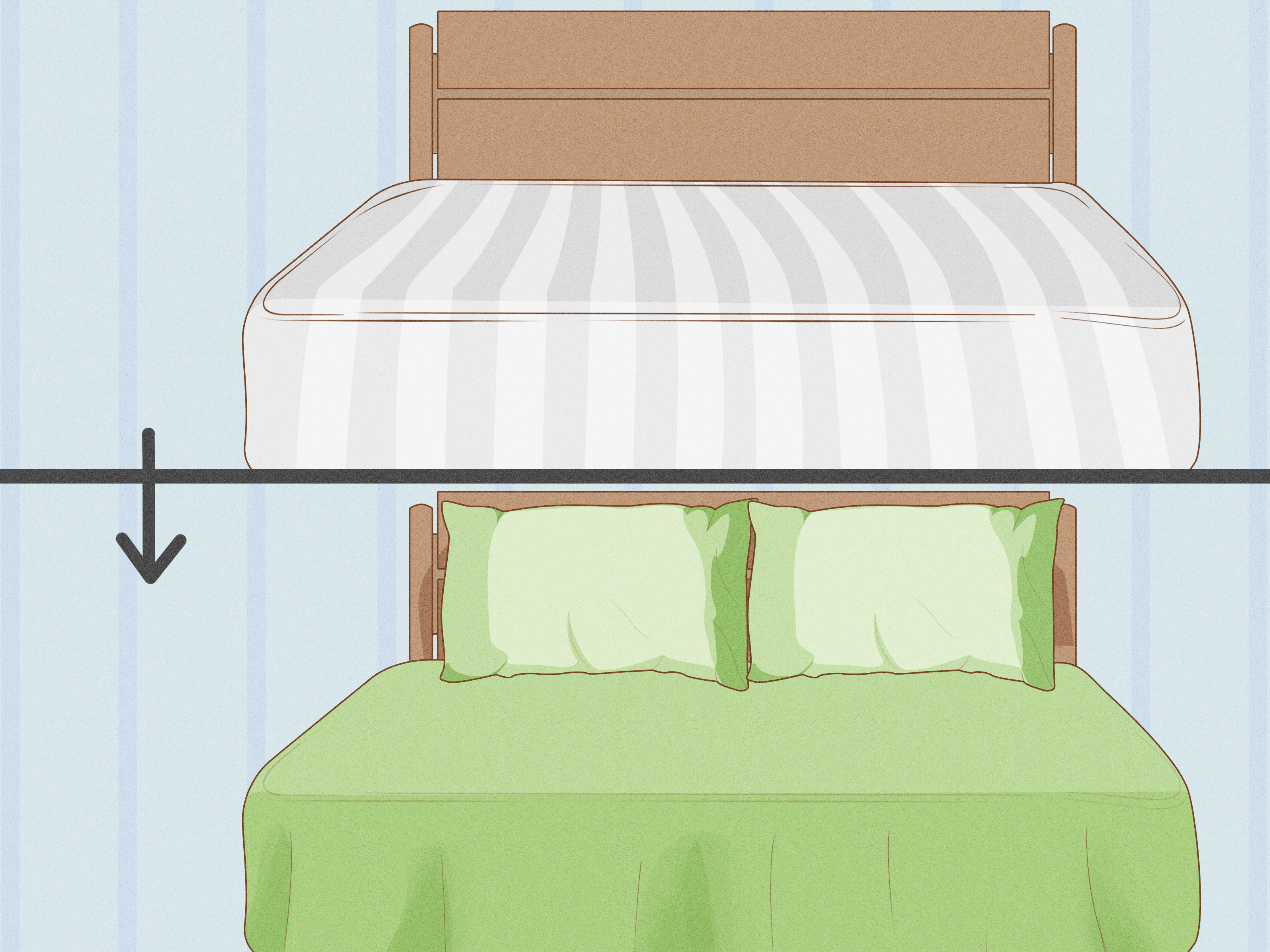
Remove sheets, blankets, pillowcases, mattress pads, and protectors. Wash bedding according to the care label. If your bedding can handle hot water, a hot wash and high-heat dry cycle can help reduce dust mites and allergens. Clean bedding is essential because putting dusty sheets back on a freshly cleaned mattress is like showering and then rolling in a lint trap.
Step 2: Inspect the Mattress
Look for stains, moisture, tears, loose seams, mildew spots, or signs of pests. Steam cleaning is not the right solution for active mold, severe urine saturation, or bed bugs hiding deep in seams. If you see black specks, live insects, shed skins, or unexplained bites, pause and consider professional pest control guidance.
Step 3: Vacuum Slowly and Thoroughly
Vacuum the entire mattress surface with an upholstery attachment. Work slowly across the top, sides, seams, handles, and tufted areas. Pay attention to edges because dust and hair love mattress seams the way tourists love Times Square.
This step matters because steam can push loose dirt deeper into the fabric if you skip vacuuming. A clean surface lets the steam work more effectively and prevents dust from turning into a damp gray paste.
Step 4: Spot Treat Stains Before Steaming
Steam is better for refreshing than stain removal, so handle stains first. For light sweat or body oil marks, mix a small amount of mild dish soap with water. Dampen a white cloth, blot the stain from the outside toward the center, then blot with a clean damp cloth to remove residue. Do not soak the mattress.
For yellow stains, a small amount of diluted 3% hydrogen peroxide may help, but test it first on a hidden area because peroxide can lighten fabric. For pet urine, use an enzyme cleaner designed for upholstery and follow the label carefully. Enzyme cleaners break down organic odor compounds instead of politely asking them to leave.
Step 5: Test a Small Area
Before steaming the whole mattress, test a small hidden section. Hold the steamer near the surface without letting it drip. Steam lightly, then wait until the area dries. Look for discoloration, fabric puckering, water marks, or texture changes. If anything looks suspicious, stop. Your mattress has spoken.
Step 6: Steam the Mattress Lightly
Use the lowest effective steam setting. Hold the steamer close enough to treat the surface but not so close that water drips into the mattress. Move slowly but continuously in overlapping passes. Do not park the steamer in one spot. The goal is to refresh the surface, not marinate the bed.
Work in sections from top to bottom. Focus on areas that collect odor, such as the center of the mattress, pillow zone, and seams. If your steamer has an upholstery attachment, use it. If you are using a garment steamer, keep the nozzle moving and watch for condensation.
Step 7: Blot Extra Moisture
After each section, press a clean dry towel into the fabric to absorb surface moisture. Do not rub aggressively. Rubbing can spread stains, rough up fabric, and make you feel like you are wrestling a very boring alligator.
Step 8: Let the Mattress Dry Completely
This is the most important step. Open windows if weather allows, run fans across the mattress surface, and use a dehumidifier if the room feels humid. Steam clean early in the day so the mattress has plenty of time to dry before bedtime. Do not replace sheets until the mattress is completely dry to the touch.
If the mattress still feels cool or damp, wait longer. Trapping moisture under sheets can encourage musty odors and mold growth. Drying is not the glamorous part of mattress cleaning, but it is the part that keeps the story from turning into a horror movie titled The Mildew Under the Fitted Sheet.
Simple Deodorizing Steps After Steam Cleaning
Use Baking Soda for Lingering Odors
Once the mattress is dry, sprinkle a light, even layer of baking soda over the surface. Let it sit for at least 30 minutes. For stronger odors, leave it for several hours. Baking soda helps absorb moisture and neutralize smells without adding heavy perfume.
Use a soft brush to gently spread it across the surface, then vacuum thoroughly with the upholstery attachment. Take your time. Baking soda particles are fine, and a rushed vacuum job can leave powder behind in seams.
Skip Heavy Fragrance
A fresh mattress should smell like almost nothing. Strong fragrance sprays can irritate sensitive sleepers, mask odors instead of removing them, and leave residue. If you want a light scent, air circulation is your best friend. Open windows, run fans, and let the mattress breathe.
Deodorize Both Sides If Possible
If your mattress is flippable, clean and deodorize the second side after the first side is fully dry. If it is not flippable, rotate it head-to-foot after cleaning to promote even wear. Many modern mattresses are one-sided, so do not force a flip unless the manufacturer recommends it.
How to Handle Common Mattress Odors
Sweat Smell
Sweat odors usually come from body oils, salt, and bacteria in the fabric surface. Vacuum first, lightly steam, dry completely, then use baking soda. For stubborn yellowing, spot treat gently with a diluted peroxide and dish soap solution after testing.
Pet Odors
Pet urine needs an enzyme cleaner. Steam alone may set or spread odor if the urine has soaked deeper into the mattress. Blot fresh accidents immediately, apply enzyme cleaner sparingly, and allow the product to work according to the label before drying thoroughly.
Musty Odors
Mustiness usually points to moisture. Do not simply perfume it and hope for the best. Air out the mattress, use fans, run a dehumidifier, and check the room for humidity problems. If you see visible mold or the odor returns quickly, stop using the mattress until you can determine whether it is safe.
Food or Drink Odors
For spilled coffee, juice, or snacks, blot immediately and spot clean with mild detergent. Avoid flooding the area. Once dry, deodorize with baking soda. Also, consider creating a bold new household policy called “Nachos Do Not Belong on the Mattress,” even if the opposition party complains.
Steam Cleaning Mistakes to Avoid
Using Too Much Water
The biggest mistake is over-wetting the mattress. Steam should lightly treat the surface. If water is dripping, pooling, or soaking in, stop immediately and blot with dry towels.
Making the Bed Too Soon
A mattress can feel dry on top while still holding moisture underneath the surface. Give it extra time, especially in humid climates or rooms with poor airflow.
Using Bleach or Harsh Chemicals
Bleach can damage fabric, discolor the mattress, and leave strong fumes. Harsh cleaners may also affect foam, adhesives, and fire-retardant materials. Gentle spot cleaning is usually safer.
Ignoring the Warranty
Some mattress warranties discourage steam cleaning, soaking, or removing covers. Before you clean, check the care guide. A few minutes of reading can protect a purchase that may have cost more than your first car’s stereo system.
How Often Should You Steam Clean a Mattress?
Most mattresses do not need frequent steam cleaning. For general freshness, vacuuming every one to three months and deodorizing with baking soda as needed is usually enough. Steam cleaning once or twice a year may be reasonable for compatible mattresses, especially after illness, heavy sweating, or odor buildup.
However, more cleaning is not always better. Repeated moisture exposure can shorten the life of some materials. A mattress protector, weekly sheet washing, and regular vacuuming are better long-term habits than dramatic deep-cleaning marathons.
How to Keep Your Mattress Fresh Longer
Use a Washable Mattress Protector
A waterproof, breathable mattress protector is the easiest way to prevent sweat, spills, pet accidents, and allergens from reaching the mattress. Wash it regularly according to the label. It is much easier to clean a protector than perform emergency surgery on a queen-size mattress at 11 p.m.
Wash Sheets Weekly
Sheets collect skin flakes, sweat, hair products, and body oils. Washing them weekly helps keep odors from transferring into the mattress. Pillowcases may need even more frequent washing if you use heavy skincare products or hair oils.
Control Bedroom Humidity
Dust mites and mold both like moisture. Keep the bedroom well ventilated and use air conditioning or a dehumidifier when needed. A dry, airy bedroom helps your mattress stay fresher and reduces the chance of musty smells.
Vacuum Regularly
Vacuum the mattress surface with an upholstery tool every few months. If you have pets, allergies, or a serious crumb habit, vacuum more often. Regular maintenance prevents dirt from building up and makes occasional deep cleaning easier.
Experience Notes: What Actually Helps When Cleaning a Mattress
After cleaning mattresses in real homes, one lesson becomes obvious fast: the best results usually come from patience, not power. People often want to attack mattress odors with more steam, more spray, more scrubbing, and more enthusiasm than the situation requires. Unfortunately, mattresses do not reward drama. They reward light moisture, slow vacuuming, and generous drying time.
The most successful mattress refreshes usually start early in the morning on a dry day. That timing gives the mattress several hours to air out before anyone needs to sleep on it. Cleaning at night is risky because even a slightly damp mattress can become uncomfortable, musty, and difficult to dry under bedding. If you only remember to clean the mattress at 9 p.m., it is better to vacuum and deodorize lightly, then save steam cleaning for another day.
Another practical discovery: baking soda works best when used after the mattress is dry, not as a desperate snowstorm dumped onto wet fabric. A light layer is enough for routine deodorizing. More baking soda does not automatically mean more freshness. It can be harder to vacuum and may settle into seams. The goal is odor absorption, not creating a tiny ski resort on your bed.
Pet owners often need a different strategy. Steam and baking soda can freshen general dog smell, but urine requires enzymes. If a pet accident happens, blot first, treat with an enzyme cleaner, and let the cleaner work before judging the result. Many people give up too soon or cover the area with fragrance, which creates the classic “lavender plus regret” scent. Enzymes need time, and the mattress needs airflow.
For sweat stains, gentle blotting beats scrubbing. Scrubbing can push moisture deeper and roughen the fabric. A mild cleaning solution, a white cloth, and repeated blotting usually work better than one aggressive cleaning session. If a stain is old, it may lighten but not disappear completely. That is normal. A mattress is a sleep surface, not a museum exhibit.
Drying tools make a huge difference. A box fan pointed across the mattress surface can save hours. A dehumidifier is especially helpful in humid apartments, basement bedrooms, or rainy climates. If the mattress is near a sunny window, indirect sunlight and airflow can help freshen it naturally. Just avoid leaving some foam mattresses in intense heat for too long unless the manufacturer says it is fine.
The biggest experience-based tip is prevention. A quality mattress protector may not sound exciting, but it is the unsung hero of bedroom hygiene. It catches spills, sweat, and dust before they settle into the mattress. Washable protectors also make cleaning feel manageable instead of turning every accident into a full household event. If you have kids, pets, night sweats, allergies, or a partner who believes cereal is a bed food, a protector is not optional. It is peace of mind with elastic corners.
Finally, trust your nose but do not ignore your eyes. A mild stale smell can often be fixed with vacuuming, steam, baking soda, and airflow. A persistent musty odor, visible spotting, or dampness that returns may signal a deeper moisture problem. In that case, continuing to sleep on the mattress is not worth it. Clean sleep should smell neutral, feel dry, and make you want to crawl into bed, not investigate it like a detective with a flashlight.
Conclusion
Steam cleaning a mattress can be a smart way to refresh your bed, reduce surface odors, and make your sleep space feel cleaner. The secret is moderation. Vacuum first, spot treat stains gently, use steam lightly, avoid soaking the mattress, and dry it completely before replacing bedding. Finish with baking soda for simple deodorizing, then protect your work with clean sheets and a washable mattress protector.
Your mattress does a lot for you. Give it a careful clean now and then, and it will return the favor with fresher sleep, fewer odors, and a bedroom that does not smell like yesterday’s laundry basket wearing pajamas.