Editorial note: This article is educational pet-care content and is not a substitute for advice from an exotic-animal veterinarian.
Hermit crabs are tiny beachside comedians with a serious real estate problem: they grow, but their shells do not. Unlike turtles, hermit crabs do not make their own permanent armor. They borrow empty snail shells to protect their soft abdomens, hold moisture, feel secure, and strut around the crabitat like they just closed on a beachfront condo.
So when a hermit crab needs a new shell, the job of a caring owner is not to “help” by pulling, poking, forcing, or staging a shell-change ceremony with dramatic lighting. The best help is quieter and smarter: provide excellent shell choices, create a safe environment, and reduce stress so your crab can make the move on its own schedule.
This guide explains 3 ways to help a hermit crab change shells without turning the process into a crustacean crisis. You will learn how to choose the right hermit crab shells, prepare them safely, support healthy molting, and recognize when a shell issue may be a sign of stress or illness.
Why Hermit Crabs Change Shells
Hermit crabs change shells for several reasons. The most common reason is growth. As a hermit crab molts and becomes larger, its current shell may become too tight, too shallow, or simply uncomfortable. A crab may also switch shells if the old one is damaged, too heavy, too light, or no longer holds moisture well.
Sometimes hermit crabs change shells just because they are picky. And honestly, fair. If humans can spend twenty minutes choosing a coffee mug, a hermit crab can spend all night inspecting spiral architecture.
Shell changing is normal, but shell refusal, shell fighting, or leaving the shell entirely can signal trouble. A hermit crab outside its shell is vulnerable because its abdomen is soft and easily injured. That is why prevention matters: the right shells and the right habitat reduce the chance of dangerous behavior.
Way 1: Offer a Shell Shop Worth Visiting
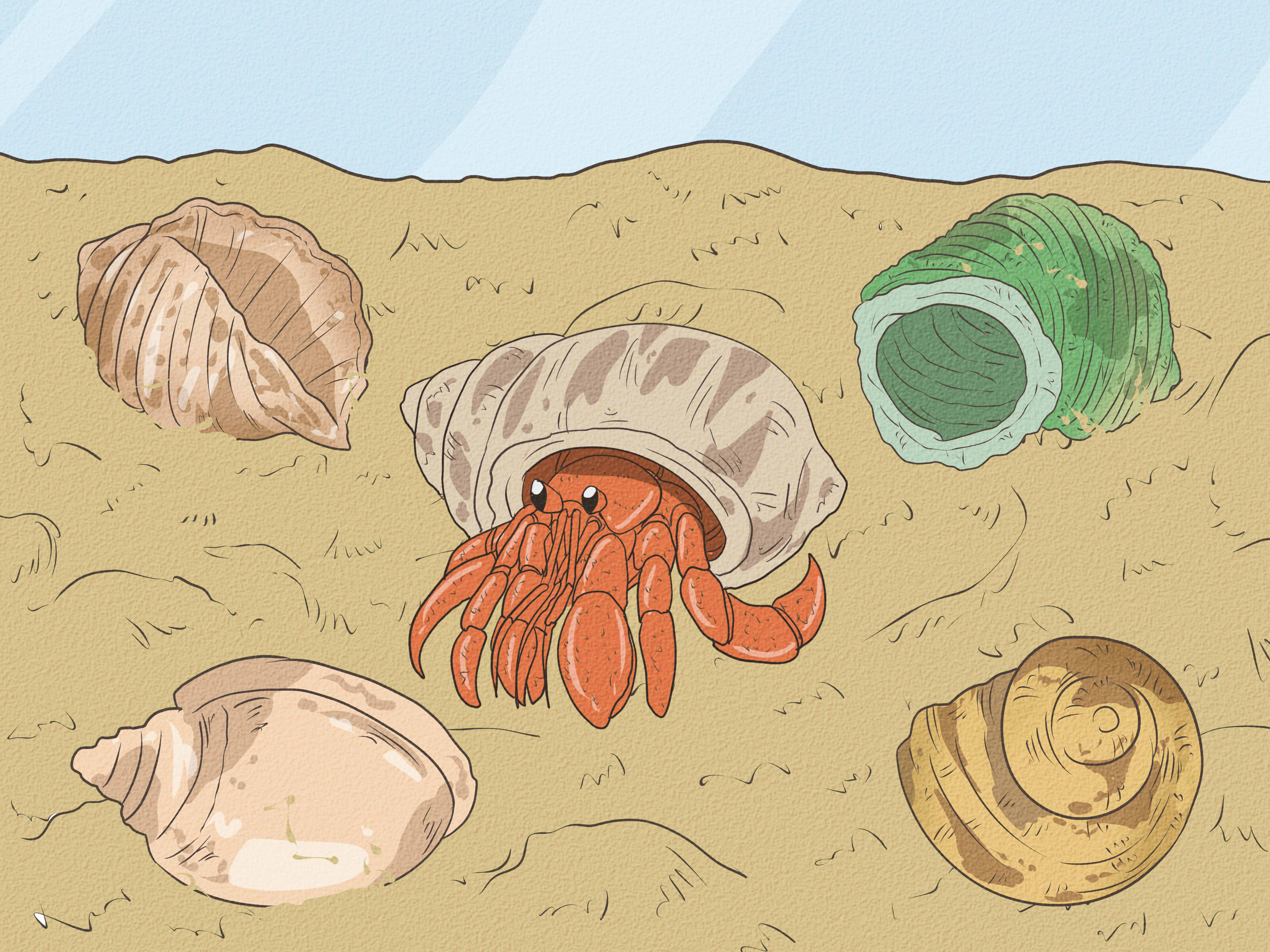
The first and most important way to help a hermit crab change shells is to provide a generous selection of clean, natural, properly sized shells. Think of it as opening a tiny boutique, except your customer has ten legs, strong opinions, and no wallet.
Provide Multiple Shells Per Crab
A good rule is to offer at least three to five extra shells for each hermit crab. More is even better, especially if you keep multiple crabs. Limited shell choices can lead to shell fights, where one crab tries to steal another crab’s home. That is not a quirky roommate disagreement; it can become dangerous very quickly.
For example, if you have three hermit crabs, aim for at least nine to fifteen spare shells in the enclosure. Include shells in slightly different sizes and styles so each crab can compare options. Hermit crabs often inspect shells repeatedly before making a final decision, crawling in and out like shoppers testing mattresses.
Choose the Right Shell Size
The best replacement shells are usually slightly larger than the crab’s current shell opening. Too small, and the crab cannot tuck in comfortably. Too large, and the shell may be awkward, heavy, or hard to control. A shell that is too big may look like a mansion to you, but to a hermit crab it can feel like dragging a bowling ball through a sandbox.
Measure the opening of the current shell across its widest inside diameter. Then provide shells with openings close to that size and a little larger. Do not rely only on the outside size of the shell, because two shells can look similar on the outside but have very different interior space.
Use Natural, Unpainted Shells
Painted shells may look cute to humans, but they are not ideal for hermit crabs. Paint can chip, flake, trap moisture incorrectly, or make the shell feel unnatural. Even when paint is marketed as “safe,” the shell may still be stressful or unsuitable. Hermit crabs rely on texture, weight, shape, and moisture behavior when selecting a home, not on whether the shell says “Beach Babe” in glitter letters.
Choose natural shells that are intact, smooth inside, and free from cracks, holes, sharp edges, or mystery gunk. Turbo shells are popular with many land hermit crabs, but preferences vary by species and individual. Some crabs like round openings, some prefer oval openings, and some act like tiny interior designers who were personally offended by your choices.
Prepare Shells Before Adding Them
Before placing new shells in the crabitat, rinse them and boil them in dechlorinated water for about five minutes. Let them cool completely before offering them. Never put hot shells in the tank. A shell should be cool, clean, and safe, not a tiny ceramic frying pan.
After boiling, shake each shell gently to remove trapped water and check for debris. You can dip or mist shells with dechlorinated saltwater before adding them, which may make them more appealing and help maintain internal moisture. Place shells in a visible shell area, but avoid constantly moving them around. Hermit crabs explore mostly at night, so the big switch may happen while you are asleep.
Way 2: Create a Crabitat That Makes Changing Shells Feel Safe
A hermit crab will not feel comfortable changing shells in a stressful, dry, cold, overcrowded, or exposed environment. Shell changing requires confidence. Your crab must feel that the habitat is safe enough to briefly expose its soft body while moving from one shell to another.
Maintain Proper Humidity
Land hermit crabs breathe through modified gills that need moisture. If the air is too dry, they can become stressed, lethargic, or seriously ill. Most care guidance recommends a warm, humid enclosure, often around 70% to 85% relative humidity, depending on the source and setup.
Use a reliable hygrometer rather than guessing. A tank may look moist while the air is still too dry. A sealed or semi-sealed lid helps hold humidity better than an open mesh top. Freshwater and saltwater pools also support humidity and allow crabs to regulate moisture inside their shells.
Avoid soaking the substrate or flooding the tank. Damp is good; swamp disaster is not. The substrate should generally be moist enough to hold a tunnel shape, like sandcastle sand, but not dripping wet.
Keep the Temperature Warm and Stable
Hermit crabs are tropical animals. A common target range for land hermit crab enclosures is about 75°F to 85°F. Cold conditions can slow digestion, reduce activity, increase stress, and interfere with normal behavior. Temperature swings are also a problem because they make the environment feel unpredictable.
Use a thermometer inside the enclosure and place heat sources safely. Many keepers use a heat mat on the side or back of the tank rather than underneath, because hermit crabs burrow to cool down and molt. Heating from below can accidentally warm the substrate where a crab is trying to recover.
Provide Deep, Safe Substrate
Shell changing and molting are connected, but they are not the same thing. A crab may change shells without molting, and it may molt without immediately changing shells. However, healthy molting supports healthy growth, and growth often leads to shell changes.
Hermit crabs need deep substrate so they can burrow and molt safely. A practical goal is at least three times the height of the largest crab, with many experienced keepers using deeper substrate for larger crabs. A common substrate mix is play sand blended with coconut fiber, kept moist enough to hold shape.
Do not dig up a buried crab just to check on it. During molting, a hermit crab is soft, fragile, and easily harmed. Disturbing it can cause injury or death. If your crab disappears underground for weeks, it may be doing exactly what nature told it to do. Your job is to maintain the habitat and resist the urge to become a crab archaeologist.
Offer Both Freshwater and Saltwater
Land hermit crabs need access to both dechlorinated freshwater and properly prepared marine saltwater. The water dishes should be deep enough for the crab to soak if needed, but they must also have safe ways in and out, such as ramps, stones, or plastic craft mesh. A crab should never be trapped in a water bowl.
Water helps hermit crabs keep their gills moist and maintain the water stored inside their shells. A crab evaluating new shells may be more likely to choose one that feels clean, secure, and moisture-friendly.
Way 3: Reduce Stress and Let the Crab Decide
The third way to help a hermit crab change shells is the hardest for many owners: do less. Hermit crabs are not action figures, and shell changing is not a trick they perform on command. The more you handle, hover, tap, rearrange, and “encourage,” the more stressful the process can become.
Never Force a Hermit Crab Out of Its Shell
Never pull a hermit crab from its shell. Never try to pry it out. Never rinse it out, shake it out, or “help” it transfer by hand. A hermit crab’s abdomen grips the inside of the shell, and forcing removal can cause serious injury.
If a crab is in a shell that seems too small, keep offering better options. If it refuses them, check your habitat conditions, shell sizes, shell types, and whether the crab may be preparing to molt. The crab knows more about its shell comfort than we do, which is humbling but true.
Limit Handling
Handling can stress hermit crabs, especially when they are preparing to molt or change shells. Keep handling minimal and purposeful. If you must move a crab, pick it up by the shell, keep it low over a soft surface, and return it promptly to the warm, humid enclosure.
Remember that the air outside the crabitat may be much drier than the air inside. A long photo session on the kitchen table is not a spa day for a hermit crab. It is more like being dragged into the desert by paparazzi.
Watch for Shell Bullying
In a group tank, one crab may become overly interested in another crab’s shell. Shell rapping, pushing, or aggressive attempts to remove another crab can happen when desirable shells are limited. The solution is not to scold the crab. The solution is to provide more appropriate shells and enough space, food, water, hiding areas, and climbing enrichment to reduce competition.
If aggression becomes serious, temporary separation may be needed, especially for a vulnerable crab. Use an isolation setup that matches the main tank’s temperature and humidity. Do not isolate a crab in a dry plastic container with no heat, water, or substrate.
Know When Shell Evacuation Is an Emergency
A hermit crab completely out of its shell is in danger. This can happen because of stress, unsuitable conditions, illness, shell problems, overheating, low humidity, or conflict with tank mates. A naked hermit crab should be protected quickly and gently.
Place the crab in a safe isolation container inside the main tank if possible, so temperature and humidity remain stable. Offer several clean, appropriately sized shells, plus access to dechlorinated freshwater and saltwater. Keep the area quiet and dark. Do not force the crab into a shell. If the crab does not re-shell or appears weak, consult an exotic-animal veterinarian or experienced hermit crab rescue group.
Common Mistakes That Make Shell Changing Harder
Buying Only One “Perfect” Shell
Hermit crabs need options. One shell that looks perfect to you may be completely rejected by the crab. Offer variety in opening shape, depth, weight, and size.
Using Painted Decorative Shells
Painted shells are made for human eyes, not crab bodies. Natural shells are safer and more functional.
Keeping the Tank Too Dry
Low humidity can affect breathing, activity, molting, and shell comfort. Use a hygrometer and maintain a stable humid environment.
Disturbing a Buried Crab
A buried crab may be molting. Digging it up can be dangerous. Keep conditions stable and wait.
Confusing Molting With Death
Molting crabs may be inactive for weeks. A dead crab usually produces a strong fishy odor. When in doubt, avoid disturbing the substrate and evaluate carefully.
How to Tell a Hermit Crab May Be Ready for a New Shell
Your hermit crab may be preparing for a shell change if it repeatedly inspects empty shells, switches briefly and then switches back, struggles to fully retract into its current shell, appears cramped, or has recently completed a molt. Some crabs become restless and spend extra time around the shell pile. Others make the change suddenly and silently at night.
You may also notice the crab carrying its current shell awkwardly, leaving legs exposed, or choosing to hide more often. These signs do not always mean an immediate shell change is coming, but they are a good reminder to check your shell supply.
Simple Shell Change Setup Example
Imagine you have two medium hermit crabs. A practical setup would include a glass tank with stable warmth and humidity, deep sand-and-coconut-fiber substrate, two safe water pools, hiding places, climbing décor, leaf litter, and at least eight to ten clean natural shells in suitable sizes.
Arrange the shells in a small “shell shop” near a hide or low-traffic area of the tank. Include shells similar to the crabs’ current favorites and a few slightly different options. Boil and cool the shells first. Then leave them alone. The crabs may inspect them after dark, reject them dramatically, return three nights later, and finally move in like nothing happened. That is normal hermit crab behavior: mysterious, slow, and occasionally rude.
Conclusion: The Best Help Is a Better Choice
Helping a hermit crab change shells is not about forcing the moment. It is about creating the right conditions so the crab can choose safely. Provide plenty of clean, natural, properly sized shells. Maintain a warm, humid, low-stress crabitat with deep substrate and both fresh and saltwater. Then step back and let your crab do what hermit crabs have been doing for millions of years.
The secret is patience. Your hermit crab may ignore a shell for weeks, then suddenly decide it is the finest property in the neighborhood. It may try on five shells in one night or cling to an old favorite like a person refusing to throw away comfortable shoes. As long as the environment is healthy and safe, that choice belongs to the crab.
Experience Notes: What Helping a Hermit Crab Change Shells Really Feels Like
If you are new to hermit crabs, the first shell change can feel strangely suspenseful. You set out beautiful natural shells, check the humidity, arrange the crabitat like a tiny tropical resort, and then your crab ignores everything. For days. Maybe weeks. You start questioning your measurements, your shell choices, and possibly your entire personality. Meanwhile, the crab sits in its old shell like a stubborn uncle in a recliner.
The most useful lesson from real hermit crab care is that “help” often looks like patience. One keeper may add five new turbo shells and see no activity at all, only to wake up one morning and find the crab proudly wearing the one shell that had been buried halfway under moss. Another crab may switch shells three times in a single evening, as if testing outfits before a party. A third may inspect a shell, reject it, return later, and finally move in after everyone stops watching.
Shell preference can be surprisingly personal. Two crabs of similar size may choose completely different shell shapes. One may like a round opening with a snug fit; another may prefer a slightly roomier oval opening. This is why variety matters more than guessing the one perfect shell. If a crab keeps rejecting your offerings, do not assume the crab is being difficult. It may be telling you that the openings are wrong, the shells are too heavy, the interiors are uncomfortable, or the tank conditions make changing feel unsafe.
Another experience many owners share is the anxiety of a buried crab. A hermit crab that disappears underground may be molting, and that can take weeks. During that time, the best care is steady care: keep food and water available, maintain humidity and temperature, avoid flooding the substrate, and do not dig. The waiting is hard because humans like visible progress. Hermit crabs prefer secret underground renovations.
Owners also learn quickly that painted shells are not worth the risk. A crab in a bright painted shell may look adorable in a souvenir-shop way, but natural shells are better for long-term care. Once a crab moves into a plain, properly sized natural shell, it often looks more comfortable and behaves more naturally. The crab does not need a neon palm tree painted on its house. It needs safety, moisture, fit, and function.
The biggest practical tip from experience is to build a shell routine. Check the shell pile regularly. Remove cracked shells. Boil and cool new shells before adding them. Keep several sizes on hand before your crab urgently needs them. As your crab grows, update the shell shop. Good preparation prevents panic later.
Finally, remember that hermit crabs are quiet animals, but they are not simple decorations. They are sensitive to humidity, heat, crowding, shell availability, and disturbance. When you give them the right environment, shell changing becomes less of an emergency and more of a natural milestone. You may not get applause, but one morning you may spot your crab in a new shell, climbing confidently over a piece of cork bark like it just upgraded from a studio apartment to a penthouse. That tiny victory is worth the wait.