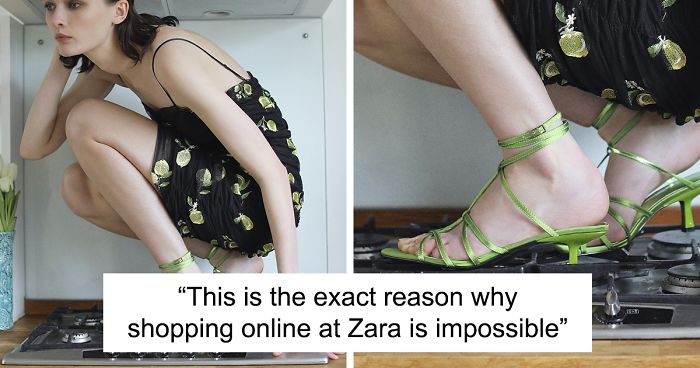
Shopping at Zara online should be simple. You open the app, search for a blazer, find one that looks like it belongs to a stylish person who drinks espresso without making a face, check the fit, and decide whether it deserves a place in your closet. Easy, right? Not always. Sometimes, instead of a clear look at the clothes, Zara gives shoppers a model curled into a furniture-adjacent shape, leaning against a wall like gravity just became optional, or wearing a coat while crouched in a pose that suggests she has spotted a rare bird under the sofa.
That is the strange, hilarious, and occasionally frustrating world of weird Zara model poses. The brand is famous for fast-moving fashion, sleek styling, minimalist product pages, and a certain high-fashion mood that says, “I woke up in a concrete gallery and forgot where I parked.” But when customers are trying to understand whether a pair of pants is cropped, baggy, sheer, wrinkly, stiff, stretchy, or secretly two napkins sewn together, artistic poses can become less helpful than a map printed upside down.
The problem is not that Zara’s images are boring. Quite the opposite. They are often memorable, dramatic, and unmistakably Zara. The issue is that online shoppers need useful visual information. When a model is sitting, twisting, lying down, hiding a sleeve, clutching a handbag in front of the waistline, or bending one leg into advanced yoga punctuation, the garment becomes harder to judge. And in ecommerce, especially apparel ecommerce, uncertainty is expensive. It leads to hesitation, returns, and the dreaded “I guess I’ll order two sizes and pray” strategy.
Why Zara’s Weird Model Poses Became an Internet Joke
Zara’s product photography has been a recurring topic on social media because the poses can look less like shopping references and more like stills from an experimental theater production titled Woman Discovers Sleeves. Shoppers have shared screenshots of models upside down, half-hidden, dramatically slumped, seated in positions that obscure the garment, or styled in ways that make the clothing difficult to understand. The jokes write themselves, which is why parody accounts and viral posts have found so much material.
To be fair, Zara is not trying to run a school uniform catalog from 1998. The brand has always leaned into an editorial, runway-inspired visual identity. Its website often feels closer to a fashion magazine than a basic product grid. That can be attractive. It creates atmosphere. It makes a $49.90 top feel like it belongs in a moody European short film where everyone whispers about architecture.
But shopping is not only about atmosphere. It is also about questions. How long is the dress? Does the fabric cling? Where does the shoulder seam sit? Does the waistband stretch? Is the shirt oversized, or is the model simply folded like a human paperclip? When product images do not answer those questions, shoppers start laughing because the alternative is crying into their abandoned cart.
The Difference Between Fashion Photography and Useful Product Photography
There is nothing wrong with creative fashion photography. In fact, fashion needs drama. A great campaign image can make a simple coat feel cinematic. A striking pose can communicate personality, confidence, and movement. The problem begins when campaign photography replaces product photography.
Product images have a job. They are supposed to help shoppers make decisions. That means showing the front, back, sides, fabric texture, length, closure, sleeve shape, waist fit, and how the garment behaves on a body in a normal position. Fashion photography asks, “Does this image create desire?” Product photography asks, “Can the customer understand what they are buying?” Zara’s most confusing photos sometimes answer the first question beautifully and the second question by shrugging in linen.
The pose should serve the garment
A model standing naturally can show scale, drape, and proportion. A model walking can show movement. A model sitting can show whether pants wrinkle, pull, or gape. But if the pose hides the product, the photo stops being helpful. A blazer photographed while the model is hugging herself may look emotional, but shoppers cannot see the lapels. A skirt shown while the model is crouching may look edgy, but shoppers cannot tell where the hem lands. A dress photographed while the model is lying sideways may be art, but the size guide is now doing all the heavy lifting.
Online shoppers need confidence, not confusion
Buying clothes online already requires imagination. Shoppers must translate a flat screen into a real-world body, closet, budget, and schedule. They wonder whether the color will be the same in daylight, whether the size runs small, and whether “relaxed fit” means effortless chic or accidental laundry bag. Clear photos reduce that uncertainty. Weird poses increase it. And once uncertainty rises, shoppers either leave the page, buy multiple sizes, or purchase the item and return it later.
Why This Matters for Zara Shoppers
Zara’s online store moves quickly. New arrivals appear constantly, popular sizes vanish, and shoppers often feel pressure to decide before an item sells out. That pace is part of the brand’s appeal, but it also makes good product information more important. When a customer has only a few minutes to decide, unclear images become a real obstacle.
Imagine shopping for wide-leg trousers. In one photo, the model is standing with one leg forward. Helpful. In the next, she is sitting on the floor with her knees folded under her. Less helpful. In another, she is leaning sideways while the pants bunch at the hip. Now the shopper is investigating the garment like a detective in a beige trench coat. Are the pants too long? Is the waist high-rise? Is the fabric structured? Does the pleat lie flat? Nobody knows. The pants are having a mysterious personal journey.
That confusion matters because fit is one of the biggest challenges in online apparel. A shopper cannot touch the fabric, try the item on, compare sizes in a fitting room, or ask a sales associate to grab a different cut. Product pages must replace that experience with clear visuals and useful details. When the visuals become too artistic, the burden shifts to the customer.
The Comedy of Zara Poses: Why We Keep Looking Anyway
Part of the reason weird Zara model poses became so shareable is that they are genuinely funny. There is something delightful about opening a page for a cardigan and seeing a model posed like she just heard a secret from the floorboards. The images can be elegant, absurd, and accidentally relatable all at once. Anyone who has tried on jeans in bad lighting understands the emotional range.
Zara’s photography also has a recognizable personality. Many retailers use clean, repetitive photos: front view, side view, back view, detail shot, done. Zara often adds mood. The models look serious, detached, mysterious, or mildly inconvenienced by modern life. The settings are minimal. The styling is sharp. The poses sometimes suggest the model is waiting for a train that only exists in a dream.
This visual identity helps Zara stand out in a crowded fashion market. A plain white-background image may be practical, but it rarely becomes a meme. Zara’s photos do. That attention has value. People talk about the brand. They share screenshots. They create jokes. But attention is not the same as conversion. If a shopper remembers the pose more than the pants, the image may have entertained them without helping them buy.
Specific Examples of Poses That Do Not Help
Not every unusual pose is a problem. Some add energy and show movement. But certain categories of poses are especially unhelpful when shopping online.
1. The human pretzel pose
This is the pose where the model bends, folds, twists, or curls in a way that makes the garment impossible to read. A dress may look asymmetrical, but only because the model is positioned diagonally across a chair. A shirt may appear cropped, but the torso is bent. A pair of trousers may seem loose, but the knees are tucked in. The result is less “fashion inspiration” and more “please stand up so we can see the inseam.”
2. The hidden garment pose
Sometimes the item being sold is partially blocked by arms, bags, hair, shadows, or another layer of clothing. This is especially frustrating when the hidden area is exactly what shoppers need to see: waistline, neckline, sleeve length, back detail, or fabric closure. If the product is a jacket, shoppers need to see the jacket. Revolutionary, yes, but important.
3. The floor-based emotional journey
Zara models sometimes sit or lie down in ways that create a dramatic image but distort the garment. Pants wrinkle. Skirts spread. Coats collapse. Tops pull in strange directions. The customer is left wondering whether the clothing looks that way in normal life or only when one is posing on a polished floor while contemplating the meaning of buttons.
4. The “where does this item begin?” pose
Layering can be stylish, but product pages should make it clear what is included. If a shopper is viewing a top, but the model is wearing a scarf, jacket, belt, oversized bag, and pants that steal the show, the actual item can disappear. Good styling sells a look. Over-styling can hide the product.
What Zara Gets Right
Even with the jokes, Zara’s online experience has strengths. The website and app are visually clean, the product pages are usually easy to browse, and the styling often gives shoppers outfit ideas rather than isolated pieces. Zara understands that many customers do not just want a shirt; they want a look. The brand sells the fantasy of being effortlessly polished while walking quickly through a city with excellent coffee.
Zara also uses multiple images for many items, including detail shots and styling variations. When those images include clear front and back views, fabric close-ups, and model information, they can be very helpful. The best Zara product pages combine editorial mood with practical clarity. The worst ones make shoppers zoom in like they are analyzing satellite footage.
How Better Product Photos Could Help Shoppers
Zara does not need to abandon its aesthetic. The brand can keep the drama, the sharp styling, and the mysterious wall-leaning. It simply needs to balance creativity with clarity. A strong product page can include both editorial photos and practical photos.
Start with a clear standing shot
The first image should show the garment clearly on a model standing in a natural position. This helps shoppers understand length, fit, and overall shape immediately. Save the interpretive crouching for later in the carousel.
Show the back and side views
Back views are especially important for dresses, jackets, jeans, and tops with cutouts, seams, or closures. Side views help customers understand volume and drape. A single dramatic front image is not enough when the garment has details around the body.
Include fabric close-ups
Texture matters. A satin blouse, ribbed knit, stiff denim, sheer mesh, and soft jersey can photograph similarly from a distance but feel completely different in real life. Close-ups reduce surprises and help shoppers decide whether the item fits their lifestyle.
Use multiple body types when possible
Seeing clothing on different body shapes and sizes helps shoppers imagine fit more accurately. A dress may hang one way on a tall model and another way on someone petite or curvier. More representative images can make online shopping more inclusive and practical.
Why Weird Poses Can Lead to More Returns
Returns are a major issue in retail, especially online apparel. Clothes are personal, bodies are different, and size charts are often treated as polite suggestions rather than reliable truth. When product photos fail to show fit clearly, customers are more likely to guess. Guessing leads to mistakes. Mistakes lead to returns. Returns lead to shipping costs, packaging waste, refund delays, and the emotional exhaustion of printing labels like it is 2009.
Zara’s return process gives shoppers options, including in-store returns in many markets, but no customer wants to make a return just because the product page turned a simple dress into a visual riddle. Better imagery can reduce friction before purchase. That benefits shoppers and retailers alike.
What Shoppers Can Do Before Buying Zara Online
Until every product page becomes perfectly clear, shoppers can protect themselves with a few practical habits. First, inspect every image, not just the main one. Zara sometimes hides the useful shot behind three dramatic poses and one close-up of a sleeve. Second, read the product description carefully. Look for fabric composition, lining, stretch, and care instructions. Third, check the model’s height and size when available, then compare it to your own proportions. Fourth, search the item name or product code on social media. Many shoppers post try-ons that are far more useful than official photos.
It also helps to know your Zara size patterns. Some categories may run small, while others are intentionally oversized. A structured blazer, stretchy knit, and rigid denim skirt will not behave the same way. When in doubt, think about fabric first. Stretch buys forgiveness. Rigid fabric demands precision. Sheer fabric demands courage, lighting, and possibly a backup camisole.
The Bigger Lesson for Fashion Ecommerce
Zara’s weird poses are funny because they exaggerate a real ecommerce problem: brands often want product pages to inspire, while shoppers need them to inform. Inspiration is valuable, but information closes the sale. A beautiful photo can attract attention, but a clear photo builds confidence.
The best online fashion experience does both. It shows the fantasy and the facts. It lets the model look cool without hiding the hem. It allows movement without turning the garment into origami. It gives shoppers enough visual evidence to make a confident choice. Because at the end of the day, customers are not buying a pose. They are buying clothes they hope will look good while they stand, sit, walk, commute, work, eat tacos, and live normal human lives.
Shopping Experience: When the Pose Becomes the Puzzle
Anyone who has spent time shopping at Zara online knows the emotional sequence. First comes excitement. You see a new collection, and suddenly you are convinced your life requires a tailored vest, metallic flats, and a linen dress that appears to have been designed for someone who spends weekends in art museums. Then comes curiosity. You click. The product page opens. The first image is gorgeous. The model looks expensive. The lighting is perfect. You are ready to be influenced.
Then comes confusion. The model is not standing. She is leaning backward over a chair, one arm across the garment, one knee raised, head turned away, expression unreadable. You zoom in. You zoom out. You tilt your laptop screen as if the truth may appear from another angle. You click the next image. Now she is sitting on the floor. The pants you wanted to inspect are folded under her leg. The waistband is hidden by a belt, a hand, and possibly the concept of mystery itself.
This is when Zara shopping becomes less like browsing and more like solving a style-based escape room. You start asking questions no ordinary shopper should need to ask. Is that a pocket or a shadow? Is the fabric wrinkled by design or by pose? Is the sleeve oversized or just pulled forward? Does the dress have shape, or is the model creating shape by standing like a question mark? At some point, you forget whether you liked the item and become personally invested in discovering its geometry.
The experience can be funny, but it also affects buying decisions. A shopper who feels uncertain may delay the purchase, look for reviews, visit a store, or skip the item entirely. Sometimes the confusion creates a strange kind of challenge: “I will buy this just to see what it actually looks like.” That is not ideal shopping behavior; that is investigative retail.
In real life, clothes are worn in ordinary positions. People stand in lines, sit at desks, walk down sidewalks, reach for coffee, bend to tie shoes, and occasionally sprint because they heard the delivery driver knock once and disappear. Product photos should help shoppers imagine those moments. A dramatic pose may show attitude, but a simple pose shows reality. When both are included, customers get the best of both worlds.
Still, there is a reason people keep returning to Zara’s website. The styling is addictive. The clothes can feel fresh, sharp, and surprisingly elevated for the price point. Even the strange poses have become part of the brand’s online personality. They are confusing, yes, but also oddly entertaining. Shopping at Zara online can feel like scrolling through a fashion magazine where every third page makes you say, “Wait, what is happening here?”
The ideal solution is not to remove the personality. Keep the drama. Keep the editorial energy. Keep the cool-girl stare into the middle distance. Just add one clear image where the model stands normally and lets the clothes do their job. Shoppers can appreciate art, but they also need to know whether the pants have pockets.
Conclusion
These weird model poses are no help when shopping at Zara, but they are a perfect example of how fashion ecommerce can be stylish and confusing at the same time. Zara’s visual identity is bold, memorable, and often genuinely beautiful. Yet when shoppers cannot see the garment clearly, beauty becomes a barrier. Online customers need practical details: fit, length, fabric, proportion, movement, and styling context that does not hide the actual product.
The funniest Zara poses may continue to circulate online because they are easy to mock and impossible to ignore. But behind the jokes is a serious lesson for every fashion retailer: creativity should support the shopping experience, not sabotage it. A great product page can be editorial and useful. It can make shoppers feel inspired while still showing the waistband. It can sell the fantasy without making customers guess whether the sleeve exists.
Until then, Zara shoppers will keep zooming, squinting, screenshotting, laughing, and asking the most important question in online fashion: “Can someone please stand normally for one second?”