Rain falls on your roof, rolls into your gutters, and disappears down a drain. Naturally, a thrifty homeowner may wonder: “Why am I paying to water my tomatoes when the sky just delivered several hundred gallons for free?” The next question is usually less cheerful: “Is it illegal to collect rainwater?”
Here is the practical, Bob Vila-style answer: Collecting rainwater from a residential roof is generally legal throughout the United States, but it is not completely unregulated. There is no blanket federal prohibition on rainwater harvesting. Instead, states, counties, cities, health departments, and building authorities may regulate how much water you store, where it comes from, how you use it, and whether your system needs a permit.
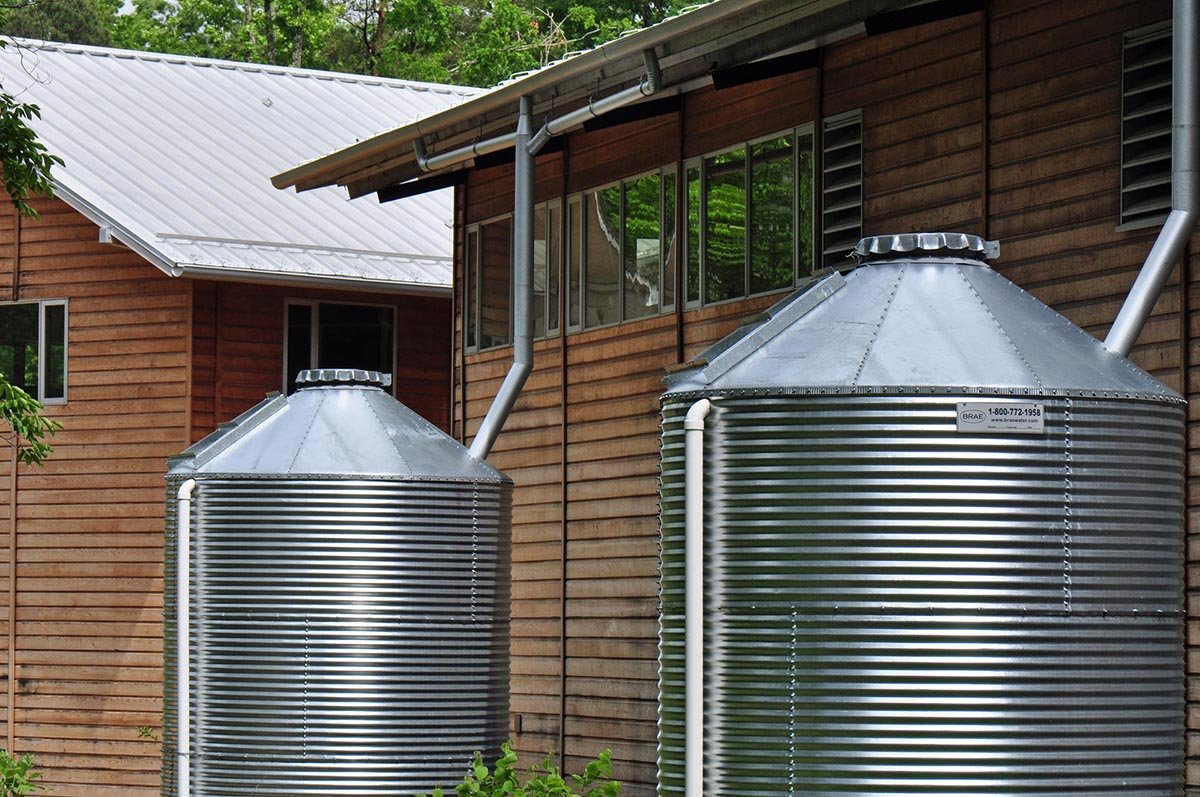
A basic rain barrel used to water flowers is rarely a legal drama. A 5,000-gallon cistern connected to household plumbing, however, may attract considerably more attention from inspectorsand possibly from the neighbor who considers your new tank an unauthorized backyard submarine.
Is It Illegal to Collect Rainwater in the United States?
For most homeowners, no. Ordinary rooftop rainwater collection is broadly permitted in all 50 states. The important catch is that “legal” does not always mean “unrestricted.” Some states simply encourage the practice, while others set storage limits, restrict collection surfaces, regulate potable use, or require registration for larger systems.
Federal agencies provide technical guidance, but state and local governments usually control the legal details. The U.S. Department of Energy maintains a state-by-state rainwater harvesting tool because the rules are not identical nationwide. Local plumbing, zoning, stormwater, sanitation, and building codes may add another layer of requirements.
Why Did People Think Rainwater Collection Was Illegal?
The myth has roots in Western water law. In dry states, water rights were historically treated with extreme seriousness because streams, rivers, groundwater, and seasonal runoff supported farms, cities, and entire communities. Under prior-appropriation systems, the right to use water could belong to someone downstream even when the precipitation first landed upstream.
That history produced regulations that sounded strange to homeowners elsewhere. News headlines then shortened “rainwater collection is regulated under certain circumstances” into the much more dramatic “the government owns the rain.” It made a memorable story, even though it was not an accurate description of ordinary modern rain-barrel laws.
States With Notable Rainwater Collection Rules
You do not need to memorize fifty water codes before buying a barrel. You should, however, understand how dramatically the details can vary.
Colorado: Legal, but Residential Collection Is Limited
Colorado is the state most often mentioned in discussions about rainwater harvesting restrictions. Current law allows qualifying residential properties to collect precipitation from rooftops in no more than two rain barrels with a combined capacity of up to 110 gallons. The water must remain on the property and is intended for outdoor, nonpotable purposes such as lawn and garden irrigation.
A 2025 proposal would have removed those limits, but the bill was postponed indefinitely, so the existing restrictions remained in effect. Colorado therefore demonstrates why checking current legislation matters more than relying on an old social media graphic or a neighbor who once watched half of a documentary.
Utah: Small Containers Are Simple; Larger Storage Requires Registration
Utah permits rainwater harvesting, but storage size affects the requirements. A homeowner may use up to two covered containers, each holding no more than 100 gallons, without completing the larger-system registration process. Registered systems may provide up to 2,500 gallons of total storage, and registration is available without a fee.
This is a good example of a state allowing both casual garden use and more ambitious harvesting while still keeping track of larger installations.
California: Rooftop Harvesting Does Not Require a Water-Right Permit
California law specifically clarifies that collecting rainwater from rooftops does not require a state water-right permit. The state also recognizes rooftop capture as a tool for reducing stormwater runoff and lowering demand on conventional water supplies.
That does not automatically exempt every installation from local construction rules. A large tank, pump, buried cistern, or indoor distribution system may still require approval under building or plumbing codes.
Washington: Rooftop Collection Is Allowed Without a Water-Right Permit
Washington allows property owners to collect rainwater from rooftops without obtaining a water-right permit. The state distinguishes straightforward collection from potable use, which can involve health, treatment, and local approval requirements.
In other words, watering a hydrangea and supplying a kitchen faucet are not legally or scientifically equivalent activities.
Oregon: Pay Attention to the Collection Surface
Oregon recognizes rainwater collected from artificial impervious surfaces, such as building roofs, as an exempt use under its water-right framework. State guidance has emphasized rooftop collection rather than capturing natural runoff from soil, streams, or other land areas.
Depending on the system, local permits and plumbing standards may still apply. A barrel connected to a downspout is one thing; a pressurized system serving toilets is another.
Texas: The State Actively Encourages Rainwater Harvesting
Texas does more than tolerate rainwater collection. State law provides a sales-tax exemption for qualifying rainwater harvesting equipment and prevents homeowners associations from completely banning these installations. Certain new state buildings must also incorporate rainwater harvesting technology into their designs.
Local governments and water utilities may offer additional rebates or incentives. Texans, it appears, are perfectly happy to accept free water from the skyas long as the tank is properly installed and does not roll into the neighbor’s barbecue during a storm.
Other States May Regulate Indoor Reuse
Several states expressly allow treated or untreated rainwater for specified nonpotable uses. Depending on the jurisdiction, approved uses may include landscape irrigation, vehicle washing, toilet flushing, cooling systems, fountains, or clothes washing.
North Carolina, Florida, Georgia, Arkansas, Minnesota, Oklahoma, and Hawaii are among the states with guidance or plumbing provisions addressing onsite rainwater reuse. These rules commonly focus on labeling, treatment, cross-connection protection, approved collection surfaces, and separation from drinking-water pipes.
When Might You Need a Permit?
A small, freestanding rain barrel used outdoors often does not require a permit. The likelihood of needing official approval rises when a system becomes larger, permanent, pressurized, buried, structurally significant, or connected to household plumbing.
Contact your local building or health department before installing a system that includes any of the following:
- A large aboveground or underground cistern
- Concrete pads, structural supports, or retaining walls
- Electrical pumps or pressurized distribution lines
- Connections to toilets, washing machines, or indoor fixtures
- A backup connection to municipal drinking water
- Rainwater intended for drinking, cooking, bathing, or food preparation
- Overflow directed into a public storm drain or neighboring property
Even when the state allows rainwater harvesting, a city may regulate tank placement, setbacks, screening, maximum height, or plumbing design. Historic districts and homeowners associations may also enforce appearance standards. An HOA may not always be allowed to prohibit harvesting entirely, but it may still regulate where a barrel sits and whether it must be screened.
Is Collected Rainwater Safe to Drink?
Rainwater is not automatically safe just because it arrived by cloud instead of pipe. As rain falls, it can collect airborne particles. Once it reaches a roof, it may encounter dust, bird droppings, insects, roofing chemicals, lead, copper, asbestos-containing materials, and debris from gutters or storage equipment.
The Centers for Disease Control and Prevention recommends matching water quality to its intended use. Water used on ornamental plants does not require the same treatment as water used for drinking, cooking, brushing teeth, or washing produce. Potable rainwater systems may require filtration, disinfection, laboratory testing, approved materials, and oversight from a health department.
Never connect untreated rainwater directly to potable household plumbing. Cross-connections can allow contaminated water to enter pipes carrying treated drinking water. Proper backflow prevention and physical separation are essential.
Safer Uses for Untreated Rainwater
Unless local guidance says otherwise, untreated rooftop runoff is best reserved for low-contact, nonpotable uses, including:
- Watering ornamental plants, trees, and lawns
- Cleaning garden tools
- Washing outdoor furniture
- Rinsing patios and walkways
- Supplying drip irrigation where permitted
Using untreated roof runoff on edible plants requires more caution. Avoid spraying it directly onto leafy greens, herbs, fruits, or vegetables that will be eaten raw. Roof material, local air quality, animal activity, and storage conditions all affect risk.
How Much Rainwater Can a Roof Collect?
The answer is usually “more than your barrel can hold.” One inch of rainfall on one square foot of roof produces approximately 0.62 gallons of theoretical runoff. Therefore, one inch of rain on a 1,000-square-foot roof can produce roughly 620 gallons before accounting for losses.
Real systems are less than 100 percent efficient because some water splashes away, remains on the roof, escapes through leaks, or is diverted during the first flush. Even at 80 percent efficiency, that same roof may deliver about 500 gallons from a one-inch stormenough to fill nine standard 55-gallon barrels.
A simple estimating formula is:
Roof area in square feet × rainfall in inches × 0.623 × collection efficiency
For example:
1,200 square feet × 1 inch × 0.623 × 0.80 = about 598 gallons
This calculation explains why overflow planning is not optional. A barrel can fill during a surprisingly modest storm, and uncontrolled overflow beside the foundation may create exactly the kind of damp-basement project no homeowner asked for.
How to Install a Legal and Practical Rain Barrel
1. Check State and Local Requirements
Start with your state water-resources agency, environmental department, or health department. Then check city or county building and plumbing rules. Ask specifically about storage limits, permitted uses, setbacks, mosquito control, overflow, and potable-water restrictions.
2. Choose a Suitable Container
Use a durable, opaque, covered container designed for water storage. Avoid barrels that previously held unknown chemicals. Dark or opaque walls help limit sunlight, which can encourage algae growth.
3. Install a Secure Screen
Cover every inlet and opening with fine mesh to keep out leaves, insects, and mosquitoes. The CDC also recommends maintaining the system and preventing mosquitoes from laying eggs in stored water.
4. Add a First-Flush Diverter
The first water flowing from a roof during a storm often carries the greatest load of dirt, droppings, pollen, and other contaminants. A first-flush diverter sends this initial runoff away from the tank before cleaner water enters storage.
5. Build a Stable Base
Water is heavy. A full 55-gallon barrel weighs more than 450 pounds before counting the barrel itself. Place it on a solid, level base that will not sink, tip, or collapse. Raising the barrel slightly can improve gravity flow, but do not create a wobbly tower of loose bricks and optimism.
6. Plan the Overflow Route
Install an overflow hose at least as large as the inlet and direct excess water toward a safe landscaped area, rain garden, or approved drainage point. Keep overflow away from foundations, septic systems, neighboring property, and erosion-prone slopes.
7. Label Nonpotable Water Clearly
Mark the tank and outdoor outlets as “NONPOTABLE WATERDO NOT DRINK.” Clear labeling is especially important when children, guests, tenants, employees, or future property owners may encounter the system.
Benefits of Collecting Rainwater
Rainwater harvesting can reduce the amount of treated municipal water used for landscaping. It may also lower stormwater runoff, reduce erosion, ease pressure on drainage systems, and provide a backup supply for outdoor cleaning or irrigation.
Plants often respond well to rainwater because it usually contains less chlorine and dissolved mineral content than some municipal or well-water supplies. However, the quality of stored roof runoff still depends on the cleanliness and materials of the collection system.
The financial savings from a single barrel may be modest, especially where water rates are low. The larger value is often conservation, stormwater management, and having water available between rainstorms. Think of a rain barrel as a helpful garden assistant, not an early-retirement strategy.
Practical Experiences and Lessons From Rainwater Collection
One of the most common first-season surprises is how quickly a small barrel fills. A homeowner may install a 55-gallon container beneath a downspout, watch one ordinary storm pass through, and discover that the barrel filled before dinner. The lesson is immediate: Storage capacity should be matched to roof area and intended water use, not chosen solely because one barrel fits neatly between the garage and the recycling bin.
Another frequent experience involves disappointing water pressure. A barrel sitting directly on the ground may produce only a sleepy trickle through a hose. Gravity systems work best when the outlet is raised above the area being watered, the hose is short, and the watering device does not require high pressure. Drip lines and watering cans usually perform better than standard lawn sprinklers. A pump can solve the pressure problem, but it adds cost, electricity, maintenance, and potentially more permitting requirements.
Overflow is where many beginner systems reveal their personality. During a heavy storm, a poorly placed overflow outlet may send water against siding, across a walkway, or beneath a crawl space. Successful setups treat overflow as part of the main design rather than as an afterthought. A properly sized hose should direct excess water downhill toward a garden, swale, or safe drainage area. Homeowners often find that pairing a rain barrel with a rain garden manages storms better than adding barrel after barrel.
Maintenance is another lesson learned quickly. Gutters deposit leaves, pollen, roof grit, insects, and the occasional object that nobody wants to identify before breakfast. Without screens and cleaning, stored water can develop odors, sediment, algae, or mosquito activity. Effective owners inspect the inlet after storms, clean screens, check fittings for leaks, flush accumulated sediment, and keep lids tightly secured.
Cold-weather homeowners also learn to respect freezing temperatures. Water expands when it freezes, potentially cracking valves, hoses, fittings, and barrels. In colder climates, seasonal systems should usually be drained and disconnected before winter. The downspout must then be restored so roof drainage continues safely away from the foundation.
Gardeners often report that the greatest practical benefit is convenience. A barrel near a vegetable or flower bed reduces trips with a hose and makes it easier to water selectively. However, careful gardeners avoid assuming all stored rainwater is clean. They use roof runoff primarily at soil level, avoid wetting edible leaves, and pay attention to roofing materials and animal contamination.
Finally, homeowners with larger ambitions often discover that the barrel itself is the easy part. Pumps, filtration, electrical connections, tank foundations, indoor plumbing, backflow prevention, and water testing can quickly turn a weekend project into a small utility system. Starting with one well-designed outdoor barrel provides valuable experience before investing in a large cistern. It reveals how much water the household can actually use, how often the system needs cleaning, and whether the owner enjoys maintaining it after the novelty wears off.
Conclusion: Check the Rules Before Catching the Rain
Collecting rainwater is generally legal in the United States, and many governments actively encourage it. The restrictions that do exist usually concern storage capacity, water rights, collection surfaces, plumbing connections, potable use, construction permits, and public-health safeguards.
For a basic residential setup, begin with a covered, screened rain barrel connected to a clean roof gutter. Add a first-flush diverter, label the water as nonpotable, secure the barrel on a stable base, and route overflow away from the house. Before installing a large tank or sending rainwater indoors, speak with the appropriate local authority.
The sky may provide the water for free, but gravity, plumbing codes, and mosquitoes still insist on participating in the project.
Editorial note: This article provides general educational information and is not legal, engineering, plumbing, or medical advice. Rainwater harvesting laws and building codes can change. Verify current requirements with your state water agency, local building department, plumbing authority, homeowners association, and health department before installing or expanding a system. Legal information was reviewed through July 29, 2026.