A clogged toilet has a special talent for turning an ordinary morning into a small domestic emergency. One moment, everything is normal. The next, the water is climbing toward the rim is that most toilet clogs are caused by excess toilet paper or ordinary waste and can be cleared in a few minutes with the right technique. The key is to stop the water, avoid panic-flushing, and match the method to the type of blockage. This guide explains how to unclog a toilet with a plunger, how to handle a clog without a plunger, when to use a toilet auger, and when the problem belongs in a professional plumber’s hands.
First, Stop the Toilet From Overflowing
When the water begins rising, do not flush again. A second flush rarely provides the heroic rescue people imagine. It usually adds another tankful of water to a bowl that is already negotiating with the laws of physics.
Close the toilet’s shutoff valve
Find the small valve on the wall or floor behind the toilet. Turn it clockwise until it stops. This shuts off the water supply and prevents the tank from refilling. If the valve is stuck, remove the tank lid and lift the float or close the flapper at the bottom of the tank to stop water from entering the bowl. Home-improvement and plumbing professionals consistently recommend stopping the water before attempting repairs. he surrounding floor
Place old towels or absorbent rags around the base of the toilet. Put on rubber gloves, and move bath mats, baskets, and anything else you would prefer not to introduce to toilet water.
Lower the water level if necessary
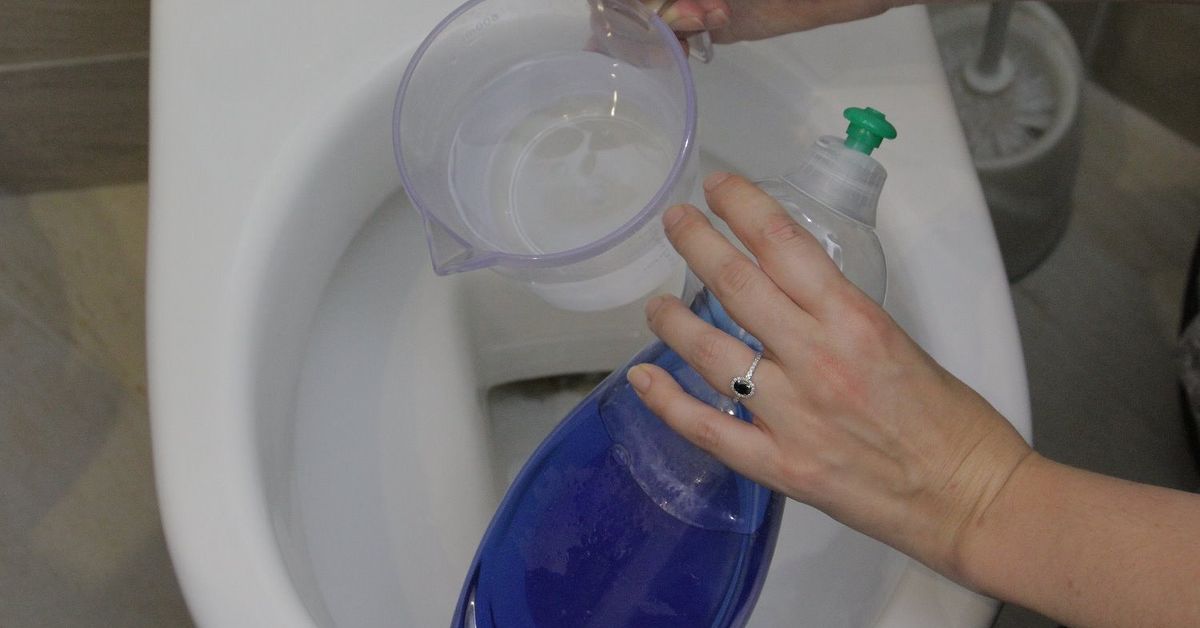
If the bowl is nearly full, wait several minutes to see whether the water slowly drains. Otherwise, use a disposable cup or small container to remove enough water to work safely. Leave enough water to cover the rubber end of a plunger because water transfers pressure more effectively than trapped air.
The Fastest Method: Use a Flange Plunger
For a typical toilet-paper or waste clog, a plunger is usually the fastest and most reliable tool. However, the type of plunger matters. A flat-bottomed cup plunger is designed primarily for sinks and tubs. A toilet plunger has a fold-out rubber flange that fits inside the toilet’s drain opening and creates a tighter seal. arm and position the plunger
If the rubber feels stiff, run it under warm water for a minute. Lower the plunger into the bowl at an angle so the cup fills with water instead of air. Extend the flange into the drain opening and press down gently until the rim seals against the bowl.
Step 2: Begin with a gentle push
The first push should be slow. A hard initial shove can trap air in the plunger and reward you with an unpleasant splash. Once the air has escaped and the seal is secure, begin plunging with controlled, forceful strokes.
Step 3: Plunge for 20 to 30 seconds
Keep the plunger sealed over the opening while pushing and pulling repeatedly. The pull is as important as the push because alternating pressure and suction helps loosen the obstruction. Many expert guides recommend plunging continuously for roughly 20 to 30 seconds before checking the result. est with a small amount of water
Do not immediately perform a full flush. First, pour a small bucket of water into the bowl or briefly reopen the shutoff valve. If the water drains normally, restore the water supply and flush once. If it rises again, close the valve and repeat the plunging process.
Two or three properly performed rounds are reasonable. Ten minutes of frantic plunging with a poor seal is less effective than 30 seconds with the correct setup.
How to Unclog a Toilet Without a Plunger
No plunger? You still have several options for a soft, ordinary clog. These methods are best for excess toilet paper and waste. They will not dissolve a toy, comb, air freshener, or other solid object lodged in the trap.
Method 1: Dish soap and hot water
Pour approximately one-quarter cup of liquid dish soap into the bowl. Let it sit for five to ten minutes so it can move toward the blockage. Follow it with a bucket of hot tap water poured steadily from about waist height. The soap may lubricate compacted material, while the added water pressure can encourage it through the trap. Several major home-improvement and plumbing sources recommend this approach for minor organic clogs. ver use boiling water. Extreme temperature changes can damage or crack porcelain. Use hot tap water or water that is comfortably below boiling. Also, make sure the bowl has enough empty space to accept the additional water.
Allow the mixture to work for 10 to 15 minutes. If the water level begins dropping, add a little more hot water. Test carefully before flushing.
Method 2: Baking soda and vinegar
If the bowl is no more than half full, add about one cup of baking soda, followed slowly by one cup of white vinegar. The mixture will foam, so pour gradually and leave room at the top. Wait 20 to 30 minutes, then add hotnot boilingwater.
This method may help loosen a light paper-and-waste blockage, but it is not a substitute for the pressure produced by a good plunger or the reach of an auger. Think of it as a gentle supporting act rather than a plumbing superhero. ine vinegar with bleach, chlorine toilet cleaner, or a commercial drain product. Mixing household chemicals can release dangerous gases or trigger harmful reactions.
Method 3: Use the toilet brush carefully
When a plunger is unavailable, a sturdy toilet brush can sometimes move a soft clog located near the bowl outlet. Push the brush head into the drain opening and pump it gently several times. Do not force the handle deep into the trap, and disinfect the brush afterward.
This is not elegant plumbing. It is emergency plumbing. Your toilet brush may never look at you the same way again, but the bathroom could become functional.
Use a Toilet Auger for a Stubborn Clog
If proper plunging does not work, the obstruction may be deeper in the toilet trap. A toilet auger, also called a closet auger, is designed specifically for this situation. Unlike an exposed metal drain snake, it normally includes a protective sleeve that helps prevent scratches on the porcelain.
How to use a toilet auger
- Place the curved, protected end of the auger into the toilet’s drain opening.
- Keep the protective bend seated against the bowl.
- Turn the handle clockwise while slowly advancing the cable.
- When you meet resistance, continue rotating gently instead of forcing the cable.
- Try to break up or hook the blockage.
- Retract the cable carefully while continuing to turn the handle.
- Test the toilet with a small amount of water before performing a full flush.
If the auger catches a foreign object, pull it back toward the bowl rather than driving it farther into the drain. Forcing an object through the narrowing trapway can wedge it more tightly or move it into a harder-to-reach section of plumbing. disinfect the auger after use. Allow it to dry completely before storage to reduce corrosion and odor.
Methods You Should Avoid
Do not keep flushing
A toilet is not a voting machine. Repeating the same action does not improve the outcome. Flush once only after the water level has returned to normal and you have reason to believe the obstruction is gone.
Do not pour boiling water into the bowl
Boiling water can expose cool porcelain to sudden thermal stress. Hot tap water is safer and usually sufficient for softening ordinary paper-and-waste clogs.
Do not mix cleaning products
Never mix bleach, acids, ammonia, vinegar, or commercial drain cleaners. Besides creating dangerous fumes, chemical residue can remain in the bowl and splash onto anyone who later uses a plunger or auger.
Do not reach immediately for harsh drain cleaner
Many common drain cleaners are intended for sinks, tubs, or showers rather than toilets. Some can damage plumbing components, produce heat, create hazardous splashes, or leave corrosive liquid sitting above the clog. Physical methods such as plunging and augering are generally better first choices, and some professional guidance recommends avoiding chemical drain cleaners altogether. e an unprotected metal hanger
A straightened wire hanger can scratch the glazed surface of the toilet and may push an object deeper. A toilet auger is safer, more controllable, and specifically shaped to navigate the toilet trap.
Why Toilets Become Clogged
Knowing the likely cause helps you choose the right method and prevent another bathroom standoff.
Too much toilet paper
Large wads of paper can absorb water, expand, and become compacted in the trap. When a large amount is necessary, flush in stages rather than attempting to send everything through at once.
So-called flushable wipes
Wipes, paper towels, tissues, cotton products, dental floss, and hygiene products do not break apart like toilet paper. Even when a package uses the word “flushable,” placing the item in a trash can is safer for household drains and sewer systems.
Foreign objects
Children’s toys, toilet-bowl fresheners, makeup containers, combs, and other objects can become lodged in the trap. If you know a solid item was flushed, avoid repeated plunging that could push it deeper. Try a toilet auger or call a plumber.
A weak flush
Low tank water, a poorly adjusted flapper, mineral-clogged rim holes, or aging toilet components can reduce flushing power. The blockage may be a symptom rather than the entire problem.
A blocked drain or sewer line
If several drains are slow, a nearby shower gurgles when the toilet flushes, or more than one toilet backs up, the problem may be in a branch drain, vent, or main sewer line. A household plunger cannot repair a buried sewer obstruction.
When to Call a Professional Plumber
Stop the DIY process and arrange professional service when:
- The toilet remains blocked after correct plunging and careful auger use.
- You suspect a solid object is stuck beyond the toilet trap.
- Water backs up into a shower, tub, or another toilet.
- Several drains are slow or produce gurgling sounds.
- The toilet clogs repeatedly without an obvious reason.
- Sewage appears in another fixture or around a floor drain.
- Water leaks from the toilet base.
- You have already added a chemical cleaner.
Tell the plumber exactly what entered the toilet, which tools you used, and whether any cleaning chemicals were added. That information helps the technician work safely and diagnose the blockage faster.
How to Prevent the Next Toilet Clog
The easiest clog to clear is the one that never develops. Keep a quality flange plunger in every bathroom, preferably in a washable caddy. Teach household members that the toilet is designed for human waste and toilet papernot wipes, food, cat litter, cotton swabs, medication, or anything that once belonged in a toy box.
Use a reasonable amount of toilet paper and flush in stages when necessary. If the toilet frequently struggles with ordinary loads, inspect the tank water level and flushing components. Persistent trouble may indicate a restricted drain, poor venting, or an older low-performance toilet that needs professional evaluation.
Real-World Experiences and Lessons From Toilet Clogs
The overflowing guest-bathroom scenario
One of the most common mistakes happens when someone uses an unfamiliar toilet, notices a weak first flush, and immediately flushes again. The second flush sends another tankful of water into a bowl whose outlet is still blocked. The practical lesson is simple: when the water rises instead of falling, reach for the shutoff valvenot the flush handle.
In a guest bathroom, knowing the valve location can save flooring, baseboards, and a deeply awkward conversation. Homeowners can make emergencies easier by checking that each valve turns freely and by keeping a visible plunger nearby. A beautiful minimalist bathroom is lovely, but not when the plunger has been hidden in a locked cabinet across the hall.
The plunger that “did not work”
Many failed plunging attempts are actually failed seals. A flat sink plunger may sit over the opening without fitting into it. An air-filled plunger may compress and splash without transferring useful pressure. Rapid, crooked movements may repeatedly break the seal.
The improved approach is to use a flange plunger, tilt it so the cup fills with water, press down slowly at first, and keep the flange seated throughout the strokes. People are often surprised when the same clog that resisted five minutes of random pumping clears after 20 controlled seconds.
The dish-soap rescue
Dish soap and hot water are most useful when the bowl is slowly draining and the likely cause is excess toilet paper. The method is less impressive when a solid item has been flushed. Lubrication can help paper move; it cannot convince a plastic toy to dissolve out of professional courtesy.
The most successful version of this technique involves patience. Add the soap, wait several minutes, pour hot tap water carefully, and give the mixture time to reach the obstruction. Repeatedly adding gallons of water to a full bowl defeats the entire strategy.
The hidden foreign object
A toilet that repeatedly clogs after apparently being cleared may contain an object lodged in the trap. It can shift enough to let water pass, then rotate and block the outlet again. Small toys, caps, air-freshener parts, and grooming products are frequent suspects in households with children.
Repeated plunging may push the item deeper. A closet auger offers a better chance of hooking or moving it, although some objects require removing the toilet. When a child suddenly becomes unusually quiet after visiting the bathroom, experienced homeowners know that a gentle investigation may be worthwhile.
The clog that was really a sewer problem
Another valuable lesson is recognizing when the toilet is not the true source of the problem. When a toilet bubbles as a washing machine drains, a bathtub fills with dirty water, or several fixtures become slow at once, the obstruction may be farther down the drainage system.
Continuing to plunge one toilet will not clear tree roots, a collapsed sewer pipe, or a blockage in the main line. The smartest response is to stop using water throughout the house and contact a drain professional before additional wastewater backs up indoors.
The cleaning-product surprise
People sometimes pour a chemical drain opener into a clogged toilet, wait, and then decide to plunge. That creates a serious splash hazard because the bowl may now contain corrosive liquid. The same danger applies when different cleaners are combined in frustration.
The safer experience is far less dramatic: begin with mechanical methods, use only one product according to its label when it is explicitly approved for toilets, and disclose everything used if a plumber is called. In bathroom emergencies, boring and methodical is an excellent personality.
Conclusion
To unclog a toilet in minutes, stop the water supply, remove excess water if needed, and use a flange plunger with a tight seal. Begin gently, then plunge forcefully for 20 to 30 seconds. For soft clogs without a plunger, dish soap and hot tap water may help. When the blockage is deeper or involves a solid object, use a toilet auger rather than forcing improvised metal tools into the bowl.
Avoid repeated flushing, boiling water, and mixed chemicals. Call a plumber when multiple fixtures back up, the toilet repeatedly clogs, an object is trapped beyond reach, or an auger does not restore drainage. Most clogs are manageable. The secret is responding calmly before your bathroom attempts to become an indoor swimming pool.