Healthy plants do not begin with magic seeds, motivational speeches, or whispering sweet nothings to tomato vines. They begin underground, where roots need loose soil, oxygen, moisture, nutrients, and enough room to stretch like they just survived a long flight in economy class. That is where the right garden tiller earns its muddy little superhero cape.
A garden tiller can break compacted soil, mix in compost, prepare seedbeds, and help turn a tired patch of dirt into a place where vegetables, herbs, flowers, and shrubs have a fighting chance. But not every tiller fits every garden. A small raised bed does not need a roaring gas beast, and a half-acre vegetable plot will laugh politely at a tiny cordless cultivator before going back to being hard as a driveway.
This guide reviews five of the best garden tillers for healthier plants, with practical analysis based on real product specifications, expert testing, manufacturer details, and university extension advice about soil preparation. Whether you need a compact electric tiller, a cordless cultivator, or a rear-tine machine that can wrestle clay soil without calling for backup, there is a smart choice below.
Quick Comparison: Best Garden Tillers For Healthier Plants
| Rank | Garden Tiller | Best For | Power Type | Why It Stands Out |
|---|---|---|---|---|
| 1 | Troy-Bilt Super Bronco CRT 208cc Rear-Tine Tiller | Medium to large gardens | Gas | Strong rear-tine design, 16-inch tilling width, power reverse, and serious soil-turning ability. |
| 2 | Greenworks 40V 10-Inch Cordless Cultivator/Tiller | Existing beds and raised-bed gardeners | Battery | Quiet cordless convenience, up to 40 minutes of runtime, and adjustable 8.25- to 10-inch tilling width. |
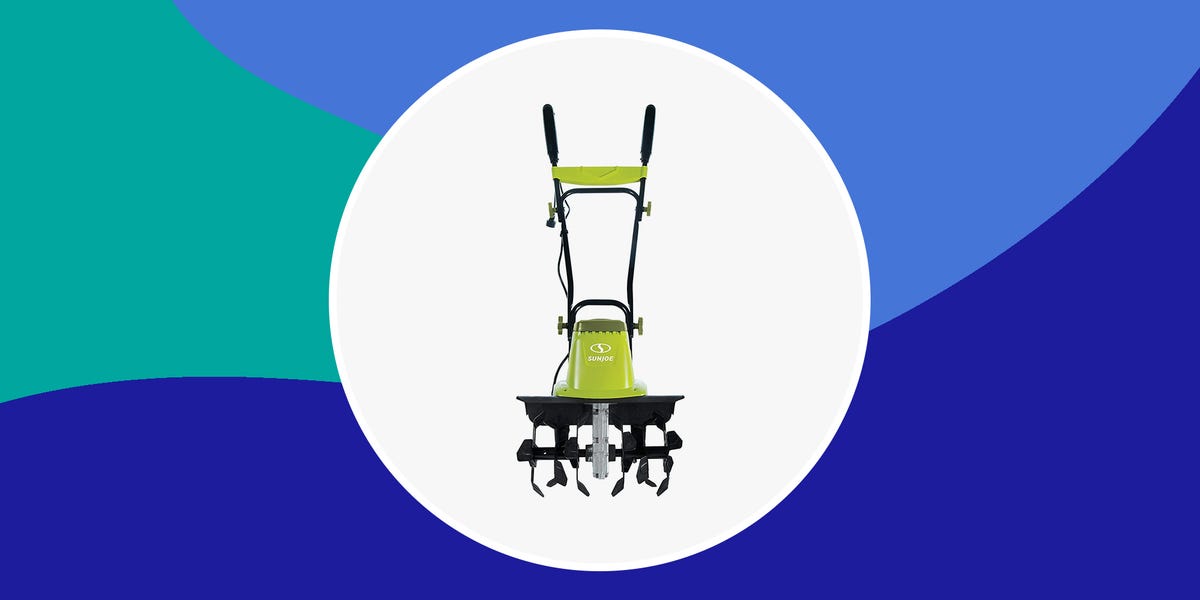
| 3 | Sun Joe TJ604E 13.5-Amp Electric Tiller/Cultivator | Budget-friendly electric tilling | Corded electric | Powerful 13.5-amp motor, 16-inch width, 8-inch depth, and low-maintenance operation. |
| 4 | Earthquake Victory 209cc Rear-Tine Tiller | Hard soil and new ground | Gas | Counter-rotating tines, cast-iron transmission, 209cc engine, and 16-inch tilling width. |
| 5 | Mantis 7940A 4-Cycle Plus Tiller/Cultivator | Tight spaces and deep mini-tilling | Gas | Lightweight 24-pound body, 9-inch width, 10-inch depth, and nimble handling between rows. |
Why A Garden Tiller Can Help Plants Grow Healthier
A garden tiller is not just a machine that makes dirt look fluffy. Used correctly, it helps create better conditions for root development. Loosened soil allows roots to move deeper, water to drain more evenly, and organic matter to mix into the root zone. That matters because plants are not only feeding from the top layer of soil; they are building an underground support system.
University extension recommendations often focus on turning soil deeply enough for vegetables and incorporating organic matter such as compost. In compacted or heavy clay soil, tilling can improve short-term workability and help gardeners create a smoother seedbed. However, the word “correctly” is doing a lot of heavy lifting here. Tilling wet soil can compact it, smear it, and turn your garden into a sad brick factory. Over-tilling can also disturb soil structure and bring weed seeds to the surface.
The goal is not to pulverize your soil into powder. The goal is to loosen it, aerate it, blend in amendments, and then let biology do its job. Think of a tiller as a tool, not a lifestyle. Use it when the soil needs preparation, not every time you feel dramatic in the garden shed.
How We Chose The 5 Best Garden Tillers
The best garden tillers were selected by comparing power, tilling width, tilling depth, maneuverability, maintenance needs, suitability for different garden sizes, and overall value. Manufacturer specifications helped confirm engine size, battery runtime, tine depth, weight, and design details. Expert review sources helped identify which models consistently perform well for homeowners.
We also considered real gardening use cases. A machine that looks impressive in a product photo may be annoying in a narrow herb bed. A lightweight tiller may be wonderful for compost mixing but underpowered for breaking new ground. The right choice depends on your soil, your garden size, your storage space, and your tolerance for cords, batteries, gas, noise, and machines that occasionally behave like caffeinated goats.
1. Troy-Bilt Super Bronco CRT 208cc Rear-Tine Tiller: Best Overall For Serious Gardens
The Troy-Bilt Super Bronco CRT is the best overall garden tiller for homeowners with medium to large gardens who need real soil-turning power. It uses a 208cc OHV engine and a 16-inch tilling width, making it a strong match for vegetable plots, new planting areas, compost incorporation, and seasonal bed preparation.
Why It Is Great For Healthier Plants
The Super Bronco CRT is built to work deeper and more aggressively than smaller electric cultivators. Its counter-rotating rear tines help dig into packed soil instead of bouncing across the surface like a shopping cart with one bad wheel. That matters when you are trying to loosen compacted ground so roots can grow down instead of circling near the surface.
Another strength is control. Power reverse and large agricultural-style tires make the tiller easier to maneuver around obstacles, rows, and garden edges. For gardeners who need to mix compost, aged manure, leaf mold, or other soil amendments into a broad area, this tiller has enough muscle to make the job faster and more consistent.
Best Use Case
Choose the Troy-Bilt Super Bronco CRT if you maintain a serious backyard vegetable garden, regularly prepare seasonal beds, or have soil that needs more than a polite scratching. It is too much machine for a tiny raised bed, but for bigger soil projects, it is dependable, capable, and pleasantly unbothered by hard work.
Potential Drawbacks
It is heavier, louder, and more expensive than electric models. It also requires gas-engine maintenance, including fuel care, oil checks, and storage attention. If your garden is small, this machine may feel like bringing a tractor to fluff a window box.
2. Greenworks 40V 10-Inch Cordless Cultivator/Tiller: Best Battery-Powered Choice
The Greenworks 40V 10-Inch Cordless Cultivator/Tiller is a strong option for gardeners who want quiet, fume-free tilling without dragging an extension cord around the yard. It offers up to 40 minutes of runtime, a 4.0Ah battery and charger, an adjustable 8.25- to 10-inch tilling width, and up to 5 inches of tilling depth.
Why It Is Great For Healthier Plants
This Greenworks model shines in existing garden beds where the soil has already been worked before. It is ideal for loosening the top several inches, blending compost into raised beds, preparing spring planting areas, and cultivating between rows. Since it is battery-powered, it starts with the push of a button and does not require gas, oil, fumes, or a small-engine pep talk.
For healthier plants, its best role is maintenance tilling. If your soil already has decent structure, this cultivator can refresh the bed without the chaos of a large gas tiller. It is also easier to use for gardeners who do not want a heavy machine pulling them across the yard like an enthusiastic dog on a leash.
Best Use Case
Choose the Greenworks 40V tiller if you have raised beds, flower beds, smaller vegetable plots, or a suburban garden where low noise and easy storage matter. It is especially practical if you already own Greenworks 40V tools, because battery compatibility can save money and garage clutter.
Potential Drawbacks
It is not the best tool for breaking untouched ground, chopping through heavy roots, or deep-tilling dense clay. The 5-inch depth is useful, but gardeners building a brand-new bed from compacted soil may need more power.
3. Sun Joe TJ604E 13.5-Amp Electric Tiller/Cultivator: Best Budget Electric Tiller
The Sun Joe TJ604E is one of the most practical electric tillers for homeowners who want serious width without the price or maintenance of gas. It has a 13.5-amp motor, 16-inch tilling width, up to 8 inches of tilling depth, six steel blades, and a foldable handle for easier storage.
Why It Is Great For Healthier Plants
The TJ604E is useful for gardeners who need to aerate compacted beds, prepare seedbeds, and mix in compost before planting. Its 16-inch width covers more ground than many compact cordless cultivators, which makes it efficient for rectangular vegetable beds and larger flower borders.
Because it is electric, maintenance is simple. There is no gas to store, no oil to change, and no carburetor waiting for the worst possible Saturday morning to become moody. Plug it in, manage the cord safely, and get to work.
Best Use Case
Choose the Sun Joe TJ604E if you want an affordable garden tiller for a small to medium yard with access to an outdoor outlet. It is a smart choice for annual bed preparation, compost mixing, and flower-bed renovation.
Potential Drawbacks
The cord is both its strength and its tiny villain. You get steady power, but you must use the proper outdoor extension cord and stay aware of where it is. The TJ604E also works best in manageable soil conditions; extremely rocky, root-filled, or virgin ground may require a heavier gas tiller.
4. Earthquake Victory 209cc Rear-Tine Tiller: Best For Hard Soil And New Ground
The Earthquake Victory 209cc Rear-Tine Tiller is built for gardeners who need a tough machine for compacted soil, clay, and new beds. It features a 209cc 4-cycle Viper engine, counter-rotating tines, a heavy-duty cast-iron transmission, and a 16-inch tilling width.
Why It Is Great For Healthier Plants
Hard soil can limit root growth, drainage, and nutrient movement. The Earthquake Victory is designed to dig into difficult ground with rear-mounted counter-rotating tines that work opposite the wheel direction. That design helps the tiller bite into tough soil instead of skittering over the top.
For gardeners starting a new vegetable garden or reclaiming a neglected patch, this tiller can create the deep loosened zone that young plants need. It is also useful for mixing larger amounts of compost or soil amendments into heavy ground.
Best Use Case
Choose the Earthquake Victory if your garden project involves hardpan, clay, unworked soil, or a large new plot. It is especially appealing for gardeners who want rear-tine power but still value maneuverability around fences, edges, and tight turnaround spots.
Potential Drawbacks
Like other gas rear-tine tillers, it is heavier and requires more storage space than electric models. It is also more machine than casual gardeners need. If your biggest annual job is fluffing two raised beds and looking proud, this may be overkill.
5. Mantis 7940A 4-Cycle Plus Tiller/Cultivator: Best Lightweight Gas Tiller
The Mantis 7940A is a compact gas tiller with a 25cc Honda 4-cycle engine, 9-inch tilling width, up to 10 inches of tilling depth, and a dry weight of about 24 pounds. It is much lighter than traditional rear-tine models while still digging surprisingly deep for its size.
Why It Is Great For Healthier Plants
The Mantis 7940A is excellent for gardeners who want deep cultivation in tight areas. Its narrow width lets it move between rows, around established plants, and through smaller beds where a full-size tiller would behave like a bull in a salad bar.
The 10-inch depth is impressive for a mini tiller. That makes it useful for loosening deeper root zones, blending compost, and renovating compacted spots without committing to a large machine. Because it uses a 4-cycle engine, it does not require mixing gas and oil, which makes ownership easier than older two-cycle designs.
Best Use Case
Choose the Mantis 7940A if you want a lightweight gas tiller for small gardens, narrow paths, established beds, or gardeners who need portability. It is a strong fit for serious home growers who want power in a compact package.
Potential Drawbacks
Its 9-inch width means larger plots will take more passes. It is also still a gas machine, so it needs fuel, maintenance, and proper off-season storage. For gardeners who want zero fumes and push-button simplicity, a battery model may be more attractive.
Buying Guide: How To Choose The Best Garden Tiller
Match The Tiller To Your Garden Size
Small raised beds and flower borders usually need a compact electric or battery-powered cultivator. Medium vegetable gardens often benefit from a wider electric or front-tine model. Large gardens, clay soil, and new beds usually call for a rear-tine gas tiller with enough weight and torque to dig properly.
Understand Tilling Width And Depth
Tilling width controls how much ground you cover per pass. A wider tiller saves time in open beds, while a narrow tiller is easier between rows. Tilling depth matters for root development and amendment mixing. Shallow tilling is fine for surface compost and weed control, while deeper tilling is better for new beds and compacted soil.
Choose The Right Power Source
Gas tillers offer the most strength and independence from cords or charging times. Battery tillers are quiet, convenient, and easy to start. Corded electric tillers are affordable and low-maintenance, but they require a safe extension-cord setup. None is universally best; the right choice depends on your soil and how often you work it.
Do Not Ignore Weight And Maneuverability
Heavy tillers are better at digging into tough soil, but they are harder to transport and store. Lightweight tillers are easier to control but may bounce in hard ground. Look at handle design, wheels, reverse options, and storage features before buying.
Think About Soil Health, Not Just Soil Fluffiness
A tiller can improve planting conditions, but excessive tilling may harm soil structure over time. Add compost, avoid tilling when soil is wet, mulch after planting, and consider reducing tilling once your beds become healthy and workable. The healthiest garden is not the one tilled the most; it is the one managed with the most common sense.
Best Garden Tiller By Gardener Type
- Best for a large backyard vegetable garden: Troy-Bilt Super Bronco CRT.
- Best for cordless convenience: Greenworks 40V 10-Inch Cordless Cultivator/Tiller.
- Best budget electric model: Sun Joe TJ604E.
- Best for hard clay or new beds: Earthquake Victory 209cc Rear-Tine Tiller.
- Best compact gas tiller: Mantis 7940A 4-Cycle Plus.
Common Mistakes To Avoid When Using A Garden Tiller
The first mistake is tilling wet soil. If the soil sticks together in a dense ball, wait. Working wet soil can cause compaction and clods that dry into concrete-like chunks. The second mistake is tilling too often. Once your garden soil has good structure, compost, mulch, worms, and roots can do much of the work naturally.
The third mistake is using the wrong machine. A mini cultivator is not meant to conquer a field of roots, and a rear-tine gas tiller is unnecessary for a tiny herb bed. Finally, do not skip safety. Wear sturdy shoes, eye protection, and gloves. Remove rocks, wire, sticks, and garden markers before tilling. Machines are helpful, but they have zero sense of humor when they meet hidden metal.
Of Garden Tiller Experience: What Actually Matters In The Dirt
After you read enough tiller specs, every machine starts to sound like it was engineered by heroic garden wizards. “Powerful motor.” “Durable tines.” “Easy maneuverability.” Lovely. But the real test begins when the machine touches soil that has been ignored for three years, baked by summer heat, and decorated with roots, pebbles, and one mysterious object that might be an old toy or a fossilized potato.
In real garden work, the best tiller is the one that matches your patience level as much as your soil. A big rear-tine tiller feels wonderful when you are opening a new plot because it pulls itself forward and digs with authority. You still guide it, but you are not begging it to participate. In heavy soil, that weight becomes a benefit. The machine presses down, the tines bite, and the soil finally gives up its grudge.
Smaller electric and battery tillers feel different. They are less intimidating, easier to store, and far more pleasant for quick bed refreshes. For a raised bed, a cordless cultivator can feel almost luxurious. No gas smell, no pull cord, no loud engine announcing to the neighborhood that you have entered your “serious gardener” era. You press a button, loosen the compost into the top layer, and finish before your coffee gets cold.
The trade-off is that lightweight tillers need realistic expectations. If the bed is already loose, they are fantastic. If the soil is packed, rocky, or full of old roots, they may bounce, chatter, or require multiple passes. That does not make them bad tools. It means they are cultivators, not bulldozers wearing garden gloves.
One experience that changes how gardeners use tillers is learning to work in stages. Instead of forcing the machine to dig full depth in one pass, start shallow. Let the first pass break the crust. Then go deeper on the second pass. Add compost after the soil has opened a bit, then make another pass to blend it in. This approach is easier on the tiller, easier on your arms, and better for producing an even texture.
Another practical lesson: soil moisture matters more than horsepower. Slightly moist soil crumbles beautifully. Wet soil smears. Bone-dry soil turns tilling into a dust festival starring you as the sneezy main character. A simple squeeze test helps. Grab a handful of soil. If it crumbles when poked, it is workable. If it stays in a sticky ball, go do something else. The weeds will still be there tomorrow, because weeds are punctual like that.
Storage also matters more than people admit. A folding handle can be the difference between a tiller that gets used and a tiller that becomes an expensive garage sculpture. Battery models need charged batteries stored properly. Gas models need fuel care, clean air filters, and seasonal maintenance. The healthiest plants come from prepared soil, but the best tiller is the one you can actually maintain without developing a personal rivalry with it.
In the end, a garden tiller is not a shortcut around good gardening. It is a helper. Pair it with compost, mulch, soil testing, sensible watering, and restraint. Use it to create better root conditions, not to beat the soil into submission every weekend. When used wisely, the right tiller can help transform compacted ground into a softer, richer, more breathable home for plants. And when roots are happy, the whole garden tends to show off.
Final Verdict: Which Garden Tiller Should You Buy?
The best overall choice for most serious home gardeners is the Troy-Bilt Super Bronco CRT because it combines strong rear-tine performance, a practical 16-inch width, and the power needed for medium to large gardens. If you prefer a quieter, lower-maintenance option for existing beds, the Greenworks 40V 10-Inch Cordless Cultivator/Tiller is the easiest battery-powered pick. For budget-conscious gardeners with access to an outlet, the Sun Joe TJ604E offers impressive width and depth for the price.
If your project involves hard soil, clay, or new ground, the Earthquake Victory 209cc rear-tine tiller is built for the heavy work. If you want a compact gas tiller that can dig deep in tight spaces, the Mantis 7940A is a smart and nimble choice.
The secret is simple: buy for your soil, not your ego. Your plants do not care whether your tiller looks powerful in the garage. They care whether their roots can breathe, drink, and grow. Choose the right machine, use it at the right time, add organic matter, and your garden will reward you with healthier plants, better harvests, and fewer dramatic staring contests with compacted dirt.