Important medical note: This article is for general first-aid education only. A stingray sting can be extremely painful and may cause infection, retained spine fragments, allergic reactions, or deeper injury. If the sting is severe, deep, near the chest, abdomen, neck, face, genitals, or involves heavy bleeding, call emergency services or seek urgent medical care immediately.
Introduction: When the Ocean Gives You a Surprise Needle
A stingray sting is one of those beach experiences nobody puts on a vacation itinerary. One minute you are enjoying the surf like a carefree dolphin; the next, your foot feels like it has been introduced to a tiny underwater sword. Stingrays are not villains with capes and evil music. Most stings happen because a person accidentally steps on or near a ray hiding in the sand, and the ray reacts defensively with its venomous tail spine.
The good news: many stingray stings are treatable with fast, calm first aid. The bad news: they hurt. A lot. The pain can be intense, throbbing, and dramatic enough to make even the most confident beachgoer suddenly reconsider every life choice involving bare feet and shallow water.
Knowing how to treat a stingray sting can reduce pain, lower infection risk, and help you decide when medical care is needed. Below are 11 practical steps, written in plain American English, so you can act quickly without needing a marine biology degree or a lifeguard whistle.
How to Treat a Stingray Sting: 11 Steps
1. Get Out of the Water Immediately
The first step is simple: leave the water. Pain, panic, bleeding, waves, and slippery sand are not a dream team. Move to shore or a stable surface as soon as possible. If the injured person feels faint, dizzy, weak, or confused, help them sit or lie down safely.
Do not try to “walk it off” in the surf. A stingray sting can cause sudden pain that affects balance. Staying in the water increases the risk of falling, being hit by waves, or getting injured again. If the person cannot walk, ask others nearby for help and alert a lifeguard if one is present.
2. Stay Calm and Check for Serious Symptoms
Yes, staying calm is easier said than done when your foot feels like it joined a heavy metal band. Still, panic makes first aid harder. Take a few slow breaths and quickly check the person’s condition.
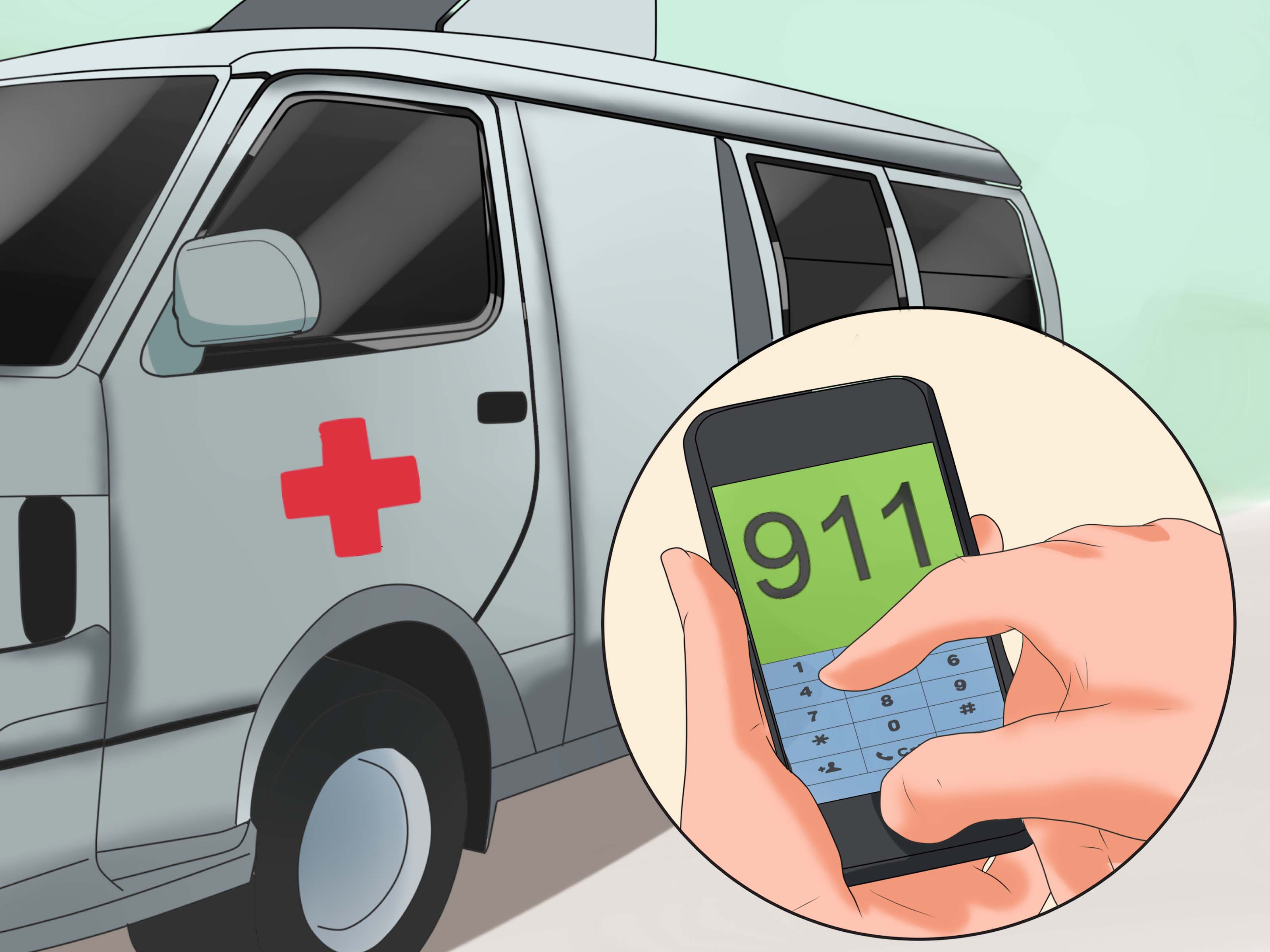
Call emergency services right away if there is difficulty breathing, chest pain, fainting, severe weakness, confusion, uncontrolled bleeding, or signs of a severe allergic reaction such as swelling of the lips or face, hives, wheezing, or rapid worsening symptoms. Also seek emergency help if the sting is on the chest, abdomen, neck, face, or genitals.
Most stingray stings happen on the feet or ankles, but location matters. A deep puncture in a high-risk area is not a “let’s Google this later” situation. It needs professional care.
3. Control Bleeding with Direct Pressure
If the wound is bleeding, apply direct pressure with a clean cloth, towel, gauze, or bandage. Keep steady pressure on the wound. If blood soaks through the cloth, place another layer on top rather than pulling the first one away.
A little bleeding can happen with a puncture wound, but heavy bleeding needs urgent medical attention. Avoid tying a tourniquet unless emergency professionals specifically instruct you to do so. Tourniquets can cause harm when used incorrectly.
If possible, elevate the injured area slightly while keeping the person comfortable. Do not elevate it if doing so increases pain or if you suspect a serious fracture or deep injury.
4. Rinse the Wound Gently
Rinse the wound with clean fresh water or clean seawater if fresh water is not immediately available. The goal is to remove sand, dirt, and surface debris without aggressively scrubbing the injury.
Do not pour harsh chemicals into the wound. Do not use gasoline, alcohol, bleach, or random beach cooler mystery liquid. Your skin is not a science fair volcano. Gentle cleaning is the goal.
If you can see small pieces of sand or debris on the surface, rinse them away. If something appears deeply embedded, especially a spine or barb fragment, do not dig for it. That job belongs to a medical professional with proper tools and imaging if needed.
5. Soak the Area in Hot Water
Hot-water immersion is one of the most commonly recommended first-aid steps for stingray stings. Stingray venom is heat-sensitive, and hot water can help reduce pain. Use water that is hot but not scalding, generally around 104°F to 113°F if a thermometer is available.
If you do not have a thermometer, test the water on an unaffected body part first. This matters because the injured area may be too painful or numb to judge temperature accurately. The water should feel hot but tolerable. If it feels like soup made by a dragon, cool it down.
Soak the injured area for 30 to 90 minutes, or until pain improves significantly. Keep checking the water temperature and refresh it as needed. Do not burn the skin. Burns plus a stingray wound equals a truly unnecessary sequel.
6. Remove Only Loose, Surface Debris
After soaking and rinsing, you may remove loose debris that is sitting on the surface of the skin. Use clean tweezers if available. However, do not remove a deeply embedded barb, spine, or sharp object yourself.
Stingray spines can break off and remain in the wound. Retained fragments may cause ongoing pain, infection, delayed healing, or tissue damage. A healthcare provider may need to examine the wound and may order imaging, such as an X-ray or ultrasound, to check for retained material.
Here is the rule: if it slides off easily, fine. If it looks stuck, deep, sharp, or dramatic, leave it alone and get medical care.
7. Wash the Wound with Soap and Water
Once pain is under better control, gently wash the wound with soap and clean water. Stingray punctures are often considered dirty wounds because they happen in seawater, sand, and marine environments where bacteria are present.
Use mild soap and rinse thoroughly. Pat the area dry with a clean towel or sterile gauze. Do not scrub violently. A wound is not a frying pan, and you are not trying to remove last night’s lasagna.
Cleaning the wound well is important because infection is one of the most common complications after a stingray injury. Even a small puncture can become troublesome if bacteria are trapped inside.
8. Cover the Wound with a Clean Bandage
After cleaning, cover the wound with a clean, dry bandage. Keep it protected from dirt, sand, and more seawater. Change the bandage daily or whenever it becomes wet or dirty.
Avoid sealing the wound with heavy ointments or airtight coverings unless a healthcare provider recommends it. Puncture wounds sometimes need to drain. Trapping bacteria inside can create problems.
If the wound is large, deep, gaping, or continues to bleed, do not rely on a simple bandage. Seek medical care. Some wounds may require professional cleaning, special dressings, antibiotics, or surgical evaluation.
9. Use Pain Relief Carefully
Stingray pain can be intense. Over-the-counter pain relievers such as ibuprofen or acetaminophen may help, as long as the person can take them safely. Follow the dosage instructions on the label and avoid giving aspirin to children or teenagers unless a doctor recommends it.
Do not use alcohol to “take the edge off.” It can impair judgment, increase fall risk, and make it harder to recognize worsening symptoms. Also, despite what one beach uncle may confidently claim, alcohol is not a first-aid kit.
If pain remains severe after hot-water immersion and basic care, seek medical treatment. Persistent intense pain may suggest a retained spine, deep tissue injury, infection, or another complication.
10. Check Tetanus Status and Watch for Infection
A stingray wound may require a tetanus booster, especially if the injured person is not up to date on vaccination. A healthcare provider can advise whether a booster is needed based on the person’s immunization history and the type of wound.
Watch the wound closely over the next several days. Signs of infection include increasing redness, swelling, warmth, pus, red streaks, fever, worsening pain, or a foul smell. If any of these appear, get medical care promptly.
Marine wounds can involve bacteria that are different from everyday cuts and scrapes. That is one reason doctors may treat stingray wounds more seriously than a small kitchen nick.
11. Seek Medical Care When Needed
Medical care is recommended for deep punctures, retained barb concerns, wounds involving the chest, abdomen, neck, face, or genitals, severe pain, heavy bleeding, signs of infection, allergic symptoms, or any sting in a child, older adult, pregnant person, or someone with diabetes, poor circulation, or a weakened immune system.
At a clinic or emergency department, treatment may include wound irrigation, pain control, imaging to look for retained fragments, tetanus vaccination, antibiotics when appropriate, and careful wound follow-up. In rare cases, surgery may be needed to remove deep fragments or treat tissue damage.
When in doubt, get checked. The ocean is beautiful, but it is not famous for sterile working conditions.
What Does a Stingray Sting Feel Like?
A stingray sting often causes immediate sharp pain, followed by throbbing, swelling, redness, and sometimes bleeding. The pain may spread beyond the wound. Some people experience nausea, sweating, muscle cramps, weakness, or anxiety. The wound may look like a puncture, cut, or jagged tear.
Symptoms vary depending on the sting location, how deep the spine went, how much venom entered the tissue, and whether pieces of the spine remain. A small-looking puncture can still hurt fiercely, so do not judge severity by appearance alone.
What Not to Do After a Stingray Sting
Do Not Apply Ice First
For stingray venom pain, hot water is typically preferred over ice. Ice may not help with venom-related pain and could make discomfort worse for some marine envenomations.
Do Not Cut the Wound
Do not cut the wound open to “release venom.” This can increase bleeding, tissue damage, and infection risk. The sting already made a hole. Do not audition as an amateur surgeon.
Do Not Suck Out Venom
Do not try to suck venom from the wound. It does not work and may introduce bacteria from the mouth into the injury.
Do Not Remove a Deep Barb
If a barb is embedded deeply, leave it in place and seek emergency care. Removing it incorrectly can worsen bleeding or tissue damage.
How to Prevent Stingray Stings
The best treatment is not getting stung in the first place. In shallow coastal waters where stingrays may rest under the sand, use the “stingray shuffle.” Instead of taking big steps, slide or shuffle your feet along the bottom. This movement alerts stingrays and gives them a chance to swim away.
Also avoid touching, chasing, or cornering stingrays. They are not beach toys, underwater pancakes, or photo props with tails. Respect wildlife, pay attention to local warnings, and ask lifeguards about stingray activity before entering the water.
When Is a Stingray Sting an Emergency?
A stingray sting is an emergency if the person has trouble breathing, chest pain, fainting, confusion, severe bleeding, signs of shock, a known severe allergy, or a sting to the chest, abdomen, neck, face, or genitals. It is also urgent if the barb is still embedded, the wound is deep, or pain remains severe despite hot-water immersion.
Children, older adults, pregnant people, and people with diabetes, immune problems, or circulation issues should be evaluated more cautiously. Their risk of complications may be higher, and early care can prevent a small injury from becoming a big problem.
Experience-Based Tips: What People Often Learn the Hard Way
Most people who have dealt with a stingray sting say the same thing: the pain arrives fast, and clear thinking becomes surprisingly difficult. That is why it helps to know the steps before you need them. A beach day can go from “Where is the sunscreen?” to “Why is my foot screaming?” in about three seconds.
One practical lesson is to alert a lifeguard quickly if one is nearby. Lifeguards in stingray-prone areas often know exactly what to do, where the nearest hot-water source is, and whether local emergency care is recommended. Trying to handle everything alone while hopping on one foot through sand is not heroic; it is just inefficient cardio.
Another helpful tip is to bring the injured person to the hot water, not the other way around, when possible. Beach showers may not get hot enough, and public restrooms may be far away. Some coastal first-aid stations have hot-water buckets or equipment for marine stings. If you are at a rental house or hotel, ask staff for help getting water that is hot but safe.
People also underestimate how long the soak may take. A quick splash of warm water usually is not enough. Pain relief often requires steady immersion for a meaningful period. Keep the water warm by replacing cooled water with hotter water carefully. Always test it first on uninjured skin to avoid burns.
Footwear can make a difference after the injury. Once the wound is cleaned and covered, avoid walking barefoot through sand, parking lots, or public showers. Use clean sandals or shoes if walking is necessary. Sand in a puncture wound is basically nature’s glitter: it gets everywhere and causes problems.
Another experience-based point is not to ignore next-day symptoms. Some people feel better after the initial pain fades and assume the story is over. But infection can develop later. If redness spreads, swelling increases, pain returns, pus appears, or the area feels hot, it is time to see a healthcare provider.
Finally, prevention really works. The stingray shuffle may look slightly silly, but it is better than meeting a stingray spine personally. Shuffle your feet in shallow water, especially in sandy areas where rays may be resting. The goal is not to scare the entire ocean; it is simply to give hidden rays a polite warning that your toes are approaching.
Conclusion
A stingray sting can be painful, scary, and inconvenient, but fast first aid makes a major difference. Get out of the water, control bleeding, rinse the wound, soak the area in hot water, avoid removing deeply embedded barbs, clean and cover the injury, check tetanus status, and watch closely for infection. Most importantly, seek medical care when the wound is deep, symptoms are severe, or anything feels uncertain.
The ocean is full of wonders, but some of them have defensive tail equipment. Treat stingrays with respect, shuffle your feet in shallow water, and keep your beach day memorable for the sunset instead of the emergency clinic paperwork.