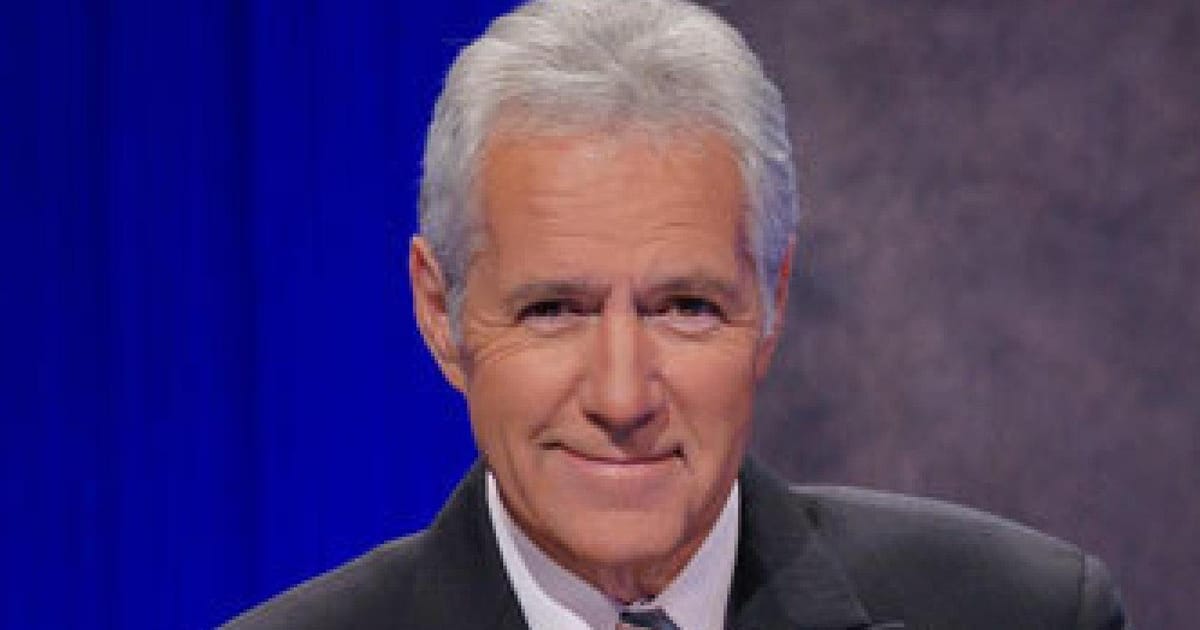
Alex Trebek was not a jerk in the simple, villainous, “steals your parking spot and whistles about it” sense. He was, however, one of television’s all-time masters of the elegant verbal eyebrow raise. For nearly 37 seasons on Jeopardy!, Trebek stood behind the podium with the posture of a professor, the timing of a stand-up comic, and the ability to make a wrong answer feel like it had disappointed the entire Library of Congress.
That is why the phrase “Alex Trebek being a jerk” has become internet shorthand for something more specific: clips where Trebek sounds funny, condescending, savage, dry, sarcastic, or brutally honest while still somehow remaining charming. These moments are not usually examples of real cruelty. They are tiny collisions between high-stakes trivia, awkward contestant interviews, odd personal stories, and a host who could turn a pause into a punchline.
From the famous nerdcore hip-hop jab to his mock despair during a football category meltdown, Trebek’s sharpest videos remind us why he became more than a game show host. He was the referee of knowledge, the straight man in America’s smartest comedy routine, and occasionally the guy who could roast you so politely you almost thanked him for it.
Why Alex Trebek’s “Jerk” Moments Still Work
The reason these clips remain funny is not because Trebek was mean. It is because he understood tone. His delivery was so calm, so formal, and so perfectly controlled that even a simple correction could land like a theatrical insult. He rarely raised his voice. He did not need to. Trebek’s greatest weapon was the quiet suggestion that he knew exactly how ridiculous a moment had becomeand he was going to let the audience discover it one syllable at a time.
On Jeopardy!, contestants are brilliant people placed in an unnatural situation: answer in the form of a question, manage the buzzer, wager money, smile for national television, and tell a charming personal story in about 20 seconds. That setup practically manufactures awkwardness. Trebek’s job was to keep the game moving, but his personality gave those awkward moments flavor.
When a contestant gave a strange anecdote, Trebek might lean in with genuine curiosityor with the energy of a man reviewing a restaurant menu written by aliens. When a player missed an obvious clue, he could deliver the correct response with a microscopic pause that said, “We all had such high hopes.” That mix of authority and mischief created the funniest Alex Trebek condescending videos fans still share today.
The Nerdcore Hip-Hop “Losers” Moment
No discussion of Alex Trebek funny condescending videos can avoid the nerdcore hip-hop moment. In 2016, contestant Susan Cole explained that she enjoyed nerdcore hip-hop, a subgenre built around topics like video games, science fiction, technology, and nerd culture. Trebek listened, processed the information, and then delivered the now-famous punchline that fans of the genre were, in his dry framing, “losers.”
Was it harsh? A little. Was it funny? Absolutely, especially because the joke arrived wearing a suit and a perfectly neutral face. The internet reacted immediately. Some viewers laughed; others defended nerdcore culture with the intensity of people who had just watched their dungeon master get challenged in public. The clip spread because it contained everything a viral Trebek moment needed: an unusual contestant story, a sharp one-line response, and the unmistakable sense that Trebek had wandered into a subculture and immediately decided to grade it.
What makes the moment more interesting is that it did not destroy the contestant. Susan Cole went on to perform well, and the exchange became part of Jeopardy! lore rather than a scandal that swallowed the show. The joke also gave nerdcore hip-hop more mainstream attention than a polite response ever would have. In other words, Trebek roasted the genre and accidentally gave it free marketing. That is a very game-show-host way to start a cultural beef.
The Football Category Disaster
Another classic example of Alex Trebek being savage came during a football category where all three contestants struggled spectacularly. The category was tied to football terminology, but the players treated it as if the clues were written in ancient smoke signals. Nobody wanted the ball. Nobody wanted the buzzer. Trebek’s disappointment grew clue by clue.
His comments were not loud or angry. They were better than that. He gently mocked the situation, wondered aloud whether they should even continue, and walked the audience through the category with the exhausted patience of a substitute teacher explaining kickoffs to a room full of poets. The humor came from the contrast: contestants who could probably name obscure European monarchs suddenly looked helpless when confronted with football.
This moment became one of the most shared Jeopardy! videos because it reversed the usual expectation. Fans are used to seeing contestants know everything. Watching three smart people collectively freeze on a popular sports topic was hilarious, and Trebek’s dry commentary made it unforgettable. He did not need to say, “You people know nothing about football.” His face already filed the paperwork.
Contestant Interviews: The Danger Zone
The interview segment of Jeopardy! is a strange little island between clues. For a few seconds, the game stops being about literature, science, geography, and wordplay, and becomes about hobbies, pets, jobs, vacations, collections, and unusual life experiences. Trebek had to react to thousands of these stories over the years, and not every anecdote gave him gold.
That is where many Alex Trebek condescending moments were born. A contestant might describe a quirky hobby, and Trebek would respond with a line that seemed supportive on paper but devastating in tone. Someone might explain a niche interest, and he would ask one precise follow-up question that made the whole thing sound even stranger. It was not cruelty; it was comic compression. Trebek knew how to locate the oddest part of a story and gently place a spotlight on it.
Fans often describe these clips as “Trebek being a jerk,” but the better phrase might be “Trebek being Trebek.” His humor lived in the space between sincerity and skepticism. He could be warm, but he was rarely gushy. He could be curious, but he was not afraid to let confusion show. In an age of overly polished television reactions, that honesty felt refreshing.
The Art of Correcting People on National Television
Hosting Jeopardy! requires a strange social skill: telling people they are wrong over and over again without sounding like a monster. Trebek did this thousands of times, and the repetition created its own comedy. A contestant would buzz in confidently, give a response, and Trebek would calmly say no. Sometimes the “no” was gentle. Sometimes it had the emotional temperature of a courtroom verdict.
His correction style became part of the show’s rhythm. The clipped “no,” the slight pause before revealing the correct response, the soft emphasis on a word the contestant should have noticedall of it contributed to the Trebek mystique. He made knowledge feel formal, almost ceremonial. When someone missed an answer badly, the moment could feel like getting politely escorted out of a museum.
That is why compilations of Alex Trebek funny videos often include wrong-answer moments. The humor does not come only from the bad answer. It comes from Trebek’s response, which could range from amused disbelief to dignified disappointment. He never needed insult-comic volume. His entire style said, “I am not mad. I am simply aware that you have done this.”
Was Alex Trebek Actually Mean?
The short answer is no, at least not in the way the internet headline suggests. Trebek’s public reputation, contestant memories, and decades-long popularity point to a host who cared deeply about the show and respected the game. He could be sharp, but sharpness is not the same as malice. His humor belonged to an older television tradition: dry, quick, lightly formal, and sometimes bracing.
It also matters that Jeopardy! is built on precision. The show rewards exact knowledge. A host who constantly softened every mistake would change the flavor of the program. Trebek’s authority gave the show its weight. When he teased contestants, the joke worked because he had already established himself as the calm guardian of the rules.
Still, some moments aged better than others. A joke that landed as playful in one context might feel blunt in another. The nerdcore line, for example, remains funny to many viewers but also shows how easily a dry joke can sound dismissive. That tension is part of why these videos continue to circulate. They are funny, slightly uncomfortable, and extremely Trebek.
Why the Internet Loves “Savage Trebek”
The internet loves contrast, and Alex Trebek was a contrast machine. He looked polished, sounded educated, and hosted a show associated with intelligence and discipline. So when he delivered a surprisingly cutting remark, it felt like watching a librarian win a rap battle without raising her voice.
His savage moments also fit perfectly into short video culture. A Trebek clip usually has a clean setup and payoff: contestant says something odd, Trebek responds; contestants fail a category, Trebek sighs; someone gives a bizarre answer, Trebek corrects it with surgical calm. These moments are easy to share because they do not require a full episode. The joke is self-contained.
Another reason the clips work is nostalgia. Many viewers grew up with Trebek in the background of family dinners, homework sessions, and weeknight routines. His sarcasm feels familiar, like a smart uncle who loves you but will absolutely judge your geography knowledge. The videos let fans revisit the version of television that was slower, sharper, and less desperate to explain the joke.
Best Types of Alex Trebek Being a Jerk Videos
1. The Subculture Roast
These are clips where Trebek encounters a niche interestmusic, gaming, costumes, hobbies, unusual clubsand responds with dry confusion. The nerdcore hip-hop moment is the king of this category. The humor comes from Trebek sounding like he has just discovered a new civilization and is not fully convinced it should continue.
2. The Category Meltdown
These happen when contestants avoid or fail an entire category. Trebek’s football frustration is the classic example. He becomes the audience’s spokesperson, gently asking the question everyone at home is thinking: “Really? None of you?”
3. The Wrong Answer Freeze
Sometimes a contestant gives an answer so off-target that the room seems to pause. Trebek’s reaction may be a small look, a brief correction, or a careful restatement of the clue. These clips are funny because they capture the exact second confidence leaves the building.
4. The Awkward Interview Save
Contestant interviews can wander into odd territory. Trebek often rescued them with a quick joke, a polite pivot, or a response that sounded supportive and mildly alarmed at the same time. These are some of the most human clips because they show everyone trying to make live-to-tape television feel natural.
5. The Deadpan Compliment
Occasionally, Trebek’s praise could sound like a roast because his delivery was so dry. A contestant might offer a strange story, and he would respond with something that technically counted as encouragement but spiritually felt like a raised eyebrow. That ambiguity made him fun to watch.
The Secret Ingredient: Timing
Many people can be sarcastic. Very few can be sarcastic with Trebek’s timing. He understood the value of a pause. He knew when to let the audience laugh, when to move on, and when to leave a joke hanging in the air just long enough to become funnier. That timing came from decades of broadcasting experience.
He also knew the game mattered more than his jokes. Trebek rarely derailed the show for attention. His best lines were quick and efficient. He would jab, smile slightly, and return to the board. That restraint kept the humor from becoming exhausting. He was not trying to become the star of a roast show. He was adding spice to a quiz show, and he knew exactly how much the recipe could handle.
How to Watch These Clips Without Misreading Them
When watching Alex Trebek being a jerk videos, context matters. A short clip may make a line seem harsher than it felt in the full episode. Contestants often laughed along. The studio audience usually understood the tone. Trebek’s persona depended on a shared agreement: the game was serious, but everyone could survive a little teasing.
That does not mean every joke was perfect. Comedy ages, and television manners change. But Trebek’s best moments still feel less like bullying and more like precision teasing. He was not punching down at people for being ordinary. He was reacting to the absurdity of very smart people doing very strange things under bright lights.
Experiences and Reflections: Why These Videos Feel So Watchable
Watching Alex Trebek’s sharpest moments feels different from watching modern internet roast culture. Today, a lot of comedy tries to be loud, fast, and aggressive. Trebek’s humor was quieter. It was the comedy of a man who could destroy a room with a comma. That makes the videos oddly relaxing. You know the burn is coming, but it arrives in a tailored suit, carrying note cards.
For many viewers, the experience is also tied to family memory. Jeopardy! was the kind of show people watched with parents, grandparents, roommates, or siblings. Someone on the couch always thought they were a genius until a category about opera, rivers, or 18th-century poets arrived to humble the entire household. Trebek was part of that ritual. His dry corrections were not just directed at contestants; they landed in living rooms too.
That is why his condescending videos are so satisfying. They capture the feeling of being lovingly humbled by trivia. You laugh at the contestant, then immediately realize you also did not know the answer. Trebek’s face becomes the face of knowledge itself, gently disappointed in all of us. It is comedy with educational damage.
There is also a strange comfort in Trebek’s consistency. He did not chase trends. He did not need exaggerated reactions. Whether a contestant told a charming story or introduced him to a bizarre hobby, he remained Alex Trebek: composed, curious, and prepared to make one crisp remark before returning to business. That consistency made the occasional savage line even funnier. It was like watching a marble statue suddenly tell a joke.
The best way to enjoy these clips is not to treat them as proof that Trebek was secretly awful. Treat them as tiny examples of television chemistry. A great host needs warmth, authority, speed, and the courage to let an awkward moment be awkward. Trebek had all of that. He could make contestants feel welcome while still reminding them that Jeopardy! was not a casual trivia night at a noisy bar. It was a temple of facts, and he was the high priest with excellent comic timing.
In personal viewing terms, the funniest clips are often the ones where Trebek seems caught between professionalism and disbelief. You can almost see the broadcaster in him saying, “Keep the show moving,” while the human being inside says, “I cannot believe I just heard that.” The result is a perfectly balanced reaction: not too cruel, not too soft, and just sharp enough to become memorable.
That balance is hard to fake. If another host tried the same lines with the wrong tone, the moment might feel nasty. Trebek made it work because viewers trusted him. His authority had been earned over thousands of episodes. His teasing was framed by decades of respect for contestants, knowledge, and the show itself. He could roast a hobby, sigh through a category, or correct a terrible answer because the audience understood the larger relationship.
Ultimately, the appeal of “Alex Trebek being a jerk” is that he was not really playing a jerk. He was playing the dignified guardian of a very smart room, occasionally forced to respond when that room became ridiculous. His funniest condescending videos survive because they show a rare kind of humor: intelligent, dry, efficient, and just dangerous enough to make contestantsand viewerssit up straighter.
Conclusion
Alex Trebek’s funniest “jerk” moments are not remembered because he was cruel. They are remembered because he had a rare gift for dry humor, controlled sarcasm, and perfectly timed disappointment. Whether he was teasing a contestant’s hobby, lamenting a sports category disaster, or correcting a wildly wrong response, Trebek turned tiny awkward moments into television gems.
The phrase “Alex Trebek Being a Jerk: Funny, Condescending Videos” works because it captures the internet’s playful exaggeration. Trebek was not a villain. He was a master host with a sharp edge, a quick mind, and the confidence to let silence do half the joking. His legacy is not just that he hosted Jeopardy! for decades. It is that he made intelligence entertainingand occasionally made being wrong feel hilariously formal.
Note: This article is written for web publication and synthesizes real public information about Alex Trebek, Jeopardy!, and widely discussed television clips without inserting source-code citation artifacts or unnecessary reference elements.