If your spice cabinet currently looks like a tiny grocery store had a pillow fight, you are not alone. Paprika is hiding behind the baking powder, cumin is wearing a mystery lid, and somewhere in the back there is a jar of dried basil old enough to have opinions about dial-up internet. That is exactly why mounted Mason jar spice storage has become such a smart, good-looking, and surprisingly practical kitchen upgrade.
Mounted Mason jar spice storage is the simple idea of using small Mason jarsusually 4-ounce jarsto organize herbs, spices, blends, salts, and seasonings on a wall, cabinet door, pantry panel, backsplash shelf, or under-cabinet rack. It gives every spice a clear home, keeps labels visible, frees drawer and cabinet space, and adds that cozy farmhouse-meets-functional-kitchen look without requiring a full remodel or a second mortgage.
The best part? This project works in tiny apartments, busy family kitchens, rental-friendly setups, pantry walls, coffee bars, baking stations, and even outdoor kitchen prep areas if protected from heat and moisture. Done well, it is not just cute. It is efficient. It helps you cook faster, waste less, and finally stop buying another jar of oregano because the first three were hiding in plain sight.
What Is Mounted Mason Jar Spice Storage?
Mounted Mason jar spice storage is a vertical spice organization system built around glass jars and a mounted support. The support may be a wooden shelf, metal rail, magnetic board, cabinet-door rack, pegboard, under-shelf holder, or custom wall frame. The jars can sit upright on narrow ledges, hang from lids attached to wood, rest in rings or clamps, or attach magnetically if the lids are fitted with strong magnets.
The concept is popular because Mason jars are durable, reusable, widely available, easy to label, and attractive enough to leave on display. A row of matching jars instantly turns a chaotic collection into a tidy “spice library.” And yes, calling it a spice library is allowed. Your smoked paprika deserves a little dignity.
Why Mason Jars Work So Well for Spice Storage
They Create a Uniform Look
Uniform containers are one of the easiest ways to make a kitchen feel organized. Store-bought spice containers come in every shape imaginable: tall plastic bottles, squat tins, wide seasoning tubs, crinkly bags, and those little jars that somehow roll away like they have somewhere better to be. Mason jars bring everything into one consistent system.
When every spice is in the same type of jar, labels line up, shelves look cleaner, and your eyes can scan the collection quickly. That means less digging, fewer duplicates, and more time actually cooking.
They Are Easy to Refill
Small Mason jars are wide enough to fill without turning your counter into a cinnamon crime scene. Add a small funnel, and refilling becomes quick and tidy. This is especially useful if you buy spices in bulk, shop refill stores, or make your own blends such as taco seasoning, barbecue rub, pumpkin pie spice, everything bagel seasoning, or curry blends.
They Keep Spices Visible
Clear glass makes it easy to see what is running low. That matters more than people think. A spice storage system should help you cook, not create a decorative museum of forgotten coriander. Visibility encourages use, and use is the whole point.
The Best Mason Jar Sizes for Spices
For most home kitchens, 4-ounce Mason jars are the sweet spot. They are compact enough for wall-mounted racks but large enough to hold a practical amount of spice. They work especially well for frequently used spices like garlic powder, onion powder, chili powder, cinnamon, cumin, turmeric, oregano, basil, thyme, and black pepper.
For bulkier ingredients, consider 8-ounce jars. These are better for bay leaves, cinnamon sticks, dried chiles, whole nutmeg, star anise, loose tea, dried mushrooms, or homemade seasoning blends. However, larger jars add weight and require deeper shelves or stronger mounting hardware.
For specialty spices used in tiny amountssaffron, cardamom, cloves, cayenne, or specialty saltssmaller jars or mini glass spice jars may be more practical. The goal is not to make every jar the same size at all costs. The goal is to build a system that fits the way you actually cook.
Where to Mount Mason Jar Spice Storage
1. On a Pantry Wall
A pantry wall is one of the best places for mounted Mason jar spice storage because it is usually cooler, darker, and away from stove steam. A narrow wall-mounted shelf can hold several rows of jars without stealing counter space. If your pantry has a blank side wall, that is prime real estate. Do not let it retire early.
2. Inside a Cabinet Door
If you prefer a cleaner kitchen look, mount shallow racks inside a cabinet door. This keeps spices hidden but still easy to reach. It also protects clear jars from direct light, which helps preserve color and flavor. Measure carefully before installing; cabinet shelves must clear the jars when the door closes.
3. Under Upper Cabinets
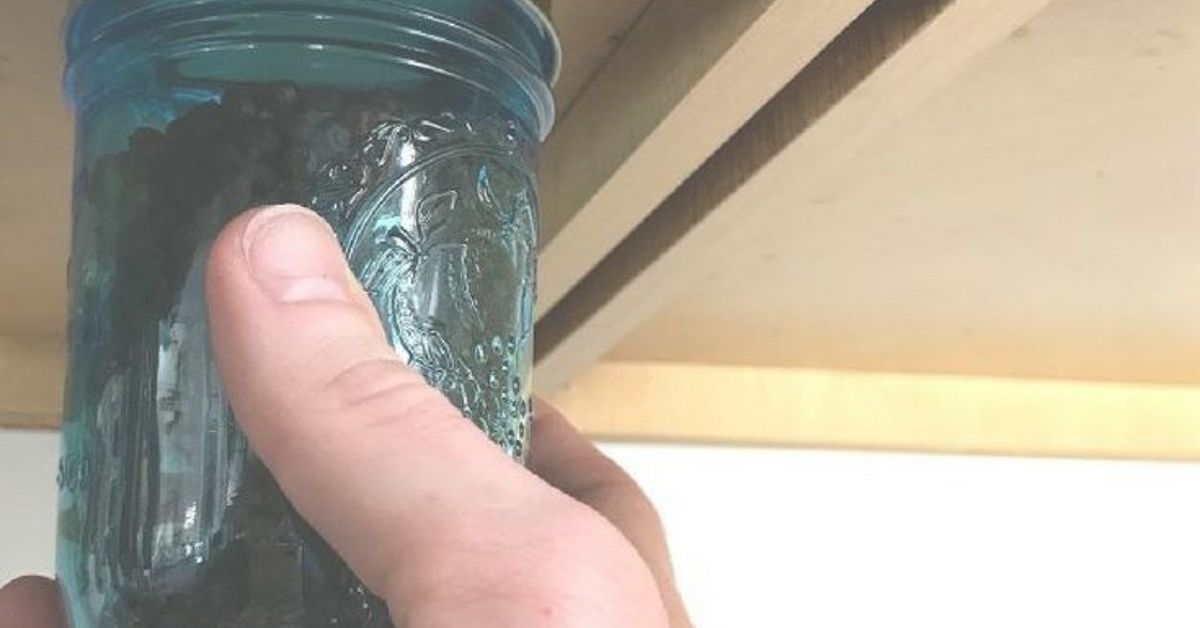
Under-cabinet Mason jar storage is a classic DIY approach. The lids are attached to the underside of a cabinet or wood strip, and the jars twist into place. This method looks charming and saves shelf space, but it works best for lightweight jars and frequently used spices. Mount it away from the stove, sink, dishwasher steam, and direct heat.
4. On a Backsplash Shelf
A small floating shelf near the prep zone can be practical if it is not directly above the stove. Keep the shelf shallow so jars do not become a head-bumping hazard. This option is great for the “daily dozen” spices you reach for constantly.
5. On a Pegboard or Rail System
Pegboards and rails are flexible, renter-friendly in some cases, and easy to rearrange. Add small shelves, clamps, baskets, or jar holders. This setup is ideal for cooks who like to adjust their storage as their spice collection changes.
How to Design a Mounted Mason Jar Spice Rack
Before buying jars or drilling holes, count your spices. Then count them again after opening that one cabinet you pretend does not exist. Most home cooks have between 20 and 60 spice containers, depending on how often they cook and whether they are the kind of person who owns three kinds of smoked salt. No judgment. Only admiration.
Group spices by cooking style or frequency. For example, you might create one row for everyday basics, one for baking spices, one for global seasonings, and one for spice blends. This prevents your cinnamon from hanging out next to the seafood boil unless that is your personal culinary journey.
Next, measure your jars. A 4-ounce Mason jar is small, but several jars together get heavy fast. Plan enough shelf depth so jars sit securely. Add a front lip, rail, dowel, or shallow groove to stop jars from sliding forward. In a kitchen, small vibrations happen constantly: cabinet doors close, mixers run, kids thunder through like tiny buffalo. A front barrier is cheap insurance.
Materials You May Need
- 4-ounce or 8-ounce Mason jars with lids
- Wood boards, floating shelves, metal rack, pegboard, or cabinet-door organizer
- Labels or waterproof label tape
- Paint pen, chalk marker, or printed spice labels
- Stud finder
- Level and measuring tape
- Drill and screws
- Wall anchors or toggle bolts if studs are not available
- Small funnel for filling jars
- Optional: magnets, hose clamps, dowels, rails, or lid inserts
Choose materials that match your kitchen style. Stained wood gives a warm farmhouse look. Painted white shelves feel clean and classic. Matte black metal looks modern. Natural wood with clear jars works well in Scandinavian, rustic, cottage, and transitional kitchens.
Mounting Safety: Do Not Let the Cumin Fall
Mounted spice storage is lightweight compared with bookshelves or cabinets, but glass jars still deserve secure installation. Whenever possible, attach shelves or rails directly into wall studs. Studs provide much better support than drywall alone. If your chosen location does not line up with studs, use quality wall anchors or toggle bolts rated for more weight than the loaded rack.
Estimate weight before mounting. A single 4-ounce glass jar with spices may not seem heavy, but 30 jars plus wood shelving and hardware can add up. If you are mounting inside a cabinet door, also consider the stress on the hinges. For heavy spice collections, a wall-mounted shelf anchored into studs is usually safer than loading a lightweight cabinet door.
Use a level. Crooked shelves make even the finest organic rosemary look like it is trying to escape. Mark screw holes carefully, drill pilot holes when needed, and test the rack before filling every jar. Give it a gentle tug. If it wobbles, fix the mounting before adding glass.
How to Label Mason Jar Spices
Good labeling is what separates a useful spice rack from a guessing game called “Is This Cumin or Dirt?” Use clear, readable labels on the front, lid, or bottom of each jar depending on how the jars are displayed.
Front labels work best for wall shelves. Lid labels work well for drawer storage or under-cabinet hanging jars. Bottom labels are useful for magnetic jars placed on a vertical board where the bottom faces outward.
Include the spice name and, if possible, the purchase or refill date. Spices do not usually become dangerous when old, but they do lose strength, aroma, and color. Dating jars helps you know when that chili powder is still lively and when it has become red dust with ambition.
How to Keep Spices Fresh in Mason Jars
Spices stay fresher when stored in airtight containers away from heat, light, and moisture. Mason jars can be a good choice because glass does not absorb odors the way some plastics can, and the lids create a tight seal when properly closed. However, clear glass should not be kept in direct sunlight if you care about flavor and color.
Mount your Mason jar spice storage in a cool, dry location. Avoid placing jars directly above the stove, next to the oven, near the dishwasher vent, or beside a sunny window. Heat and steam are spice villains. They sneak in quietly and leave your herbs tasting like cardboard confetti.
Use clean, dry spoons when measuring spices, especially from larger jars. Avoid shaking jars directly over a steaming pot because moisture can enter the container and cause clumping. Instead, shake spices into your palm, a spoon, or a small prep bowl first.
Best Spices to Store in Mounted Mason Jars
Mounted Mason jars are ideal for dry spices and herbs you use regularly. Good candidates include:
- Garlic powder
- Onion powder
- Paprika
- Smoked paprika
- Chili powder
- Cumin
- Cinnamon
- Oregano
- Basil
- Thyme
- Rosemary
- Bay leaves
- Turmeric
- Curry powder
- Italian seasoning
- Taco seasoning
- Everything bagel seasoning
For very light-sensitive or expensive spices, such as saffron or high-end chile powders, consider storing them in a darker cabinet or using amber jars. Beauty is nice, but flavor is the reason the spice rack exists.
DIY Mounted Mason Jar Spice Storage Ideas
Rustic Wood Shelf Rack
Build shallow shelves from 1×3 or 1×4 boards, add a small front rail, stain or paint the wood, and mount the rack to the wall. This is the most flexible design and works with different jar sizes. It also gives your kitchen that “I make soup from scratch and definitely know where my tape measure is” energy.
Under-Cabinet Twist-Off Jars
Screw Mason jar lids to a wood strip or cabinet underside, then twist the jars into the lids. This saves shelf space and looks clever. Keep the jars small, avoid overfilling, and check lids regularly to make sure they stay secure.
Magnetic Mason Jar Board
Add strong magnets to jar lids and mount the jars on a magnetic metal board. This works best with smaller jars or tins because glass Mason jars can be heavier than standard magnetic spice containers. Use magnets rated for the weight, and test before committing.
Cabinet-Door Mini Rack
Install narrow rails or shelves inside a pantry or cabinet door. Use shorter jars and make sure the cabinet closes fully. This design is especially useful in small kitchens because it turns unused vertical space into storage.
Hose Clamp Mason Jar Rack
Attach stainless-steel hose clamps to a wooden board, then slide a Mason jar into each clamp and tighten gently. This creates an industrial farmhouse look and keeps jars visible. It is great for herbs, spice blends, tea, craft supplies, or even measuring spoons.
Common Mistakes to Avoid
Mounting Too Close to Heat
The space above the stove may look convenient, but it is usually one of the worst places for spices. Heat, steam, grease, and light can reduce freshness. Choose convenience with common sense: near the prep area is great; directly in the steam zone is not.
Using Jars That Are Too Big
Large jars look generous, but spices are best bought in amounts you can use while they still have flavor. If you only use cloves once a year, do not give them a giant jar and a penthouse shelf.
Skipping Labels
Many spices look alike. Ground cumin, coriander, and ginger can become a beige mystery trio. Label everything immediately after filling the jars. Future you will send a thank-you card.
Ignoring Weight
Glass jars are heavier than plastic spice bottles. Plan your mounting hardware accordingly. Do not rely on tiny nails, weak adhesive strips, or wishful thinking. Wishful thinking is not a fastener.
Overcrowding the Rack
Leave enough space to grab jars easily. If every jar must be extracted with tweezers and prayer, the system is too tight. A good spice rack should feel smooth, not like kitchen Jenga.
Cleaning and Maintaining the System
Every few months, wipe shelves, jar lids, and labels with a dry or slightly damp cloth. Check for spills, clumps, fading color, or weak aroma. Refill jars as needed and rotate older spices to the front if you keep extras elsewhere.
Once or twice a year, do a full spice audit. Open each jar and smell it. If the aroma is faint, flat, or dusty, the spice may no longer bring much to your cooking. You do not have to throw everything away on a strict schedule, but flavor should be the judge. If cinnamon no longer smells like cinnamon, it has left the group chat.
Mounted Mason Jar Spice Storage for Small Kitchens
Small kitchens benefit the most from vertical storage. A mounted Mason jar spice rack uses space that might otherwise sit empty: the side of a cabinet, the inside of a pantry door, the wall beside the fridge, or the narrow strip near a prep counter.
For renters, consider less permanent options such as freestanding wall racks, over-door pantry organizers, tension-mounted systems, or a removable pegboard mounted with renter-approved hardware. Always check lease rules before drilling. A beautifully organized spice wall is less charming when followed by a security deposit discussion.
In a compact kitchen, store only your most-used spices in the mounted jars and keep backup bags or bulk spices in a cool pantry bin. This keeps the display clean and prevents the rack from becoming a crowded spice traffic jam.
Style Ideas for a Beautiful Spice Wall
Mounted Mason jar spice storage can match almost any kitchen design. For a farmhouse kitchen, use stained wood, black brackets, and kraft paper labels. For a modern kitchen, choose sleek white shelves, minimalist black text labels, and identical clear jars. For a cottage kitchen, try painted shelves, handwritten labels, and a mix of herbs in soft green tones.
You can arrange jars alphabetically, by cuisine, by color, or by frequency of use. Alphabetical order is easiest for households with multiple cooks. Frequency of use is fastest for busy weeknight meals. Color order looks stunning, but it may place cinnamon next to turmeric and fennel next to cayenne, so choose beauty only if you can still find dinner.
Cost: Is Mounted Mason Jar Spice Storage Budget-Friendly?
This project can be very affordable, especially if you already own jars or scrap wood. A simple shelf system may require only jars, boards, screws, anchors, and labels. A more polished version with custom shelves, premium labels, specialty lids, or magnetic hardware will cost more, but it is still far less expensive than a full cabinet renovation.
The real savings come from reducing duplicate purchases and wasted spices. When you can see what you have, you buy less accidentally. No more discovering four jars of cinnamon, three jars of oregano, and one suspicious container labeled “green stuff.”
Experience Notes: What It Is Actually Like to Use Mounted Mason Jar Spice Storage
After living with a mounted Mason jar spice storage system, the first thing you notice is speed. Cooking feels less interrupted. Instead of opening a cabinet, moving three bottles, knocking over a tiny jar of cloves, and muttering something unprintable, you simply reach for the labeled jar. The spices are visible, the lids match, and the whole process feels calmer.
The second thing you notice is how often you use spices that were previously forgotten. When seasonings are hidden in a deep cabinet, they become background clutter. Mounted jars turn them into an invitation. Smoked paprika suddenly appears in roasted potatoes. Cumin finds its way into black beans. Cinnamon gets added to coffee. Chili flakes stop being a pizza-only condiment and start improving soups, eggs, and marinades.
There is also a small learning curve. The jars must be arranged in a way that makes sense for your habits. At first, alphabetical order may seem perfect, but after a week of cooking, you may realize that garlic powder, onion powder, black pepper, salt blends, and paprika should live together because they are your everyday team. Meanwhile, baking spices can sit on a separate row. The best system is not the one that looks perfect in a photo; it is the one you can use while stirring a sauce and answering a question from someone who has opened the refrigerator and cannot find the milk directly in front of them.
Label durability matters more than expected. Paper labels look charming, but they can stain or peel in a busy kitchen. Waterproof labels, paint pens, or clear label tape tend to last longer. If you like changing blends often, chalk labels can work, but make sure they do not smudge every time you grab a jar.
One practical experience tip: do not fill every jar to the top. Leave a little shaking room. This makes it easier to loosen clumps and spoon spices without spilling. Another tip is to keep a small funnel nearby. Refilling jars without a funnel is possible, but so is parallel parking a shopping cart. Neither is graceful.
Cleaning is simple if the rack is not overcrowded. Dust and cooking residue collect faster on open shelves than inside cabinets, especially in kitchens where frying happens often. A quick wipe every couple of weeks keeps the jars looking fresh. If the rack is near a cooking zone, choose labels and finishes that can handle occasional grease.
The biggest real-life benefit is mental clarity. A tidy spice wall makes the whole kitchen feel more intentional. It is not just storage; it is a small daily convenience that removes friction from cooking. You know what you have. You know where it goes. You can refill easily. And when guests see it, someone will almost certainly say, “That is so cute,” which is not the reason to do the project, but let us be honestit does not hurt.
The one caution from experience is to be realistic about your spice personality. If you own 90 spices and use 12, do not mount all 90 unless you truly want a spice mural. Start with your most-used seasonings, test the setup, and expand later. A successful mounted Mason jar spice storage system should make cooking easier, not turn your kitchen wall into a tiny glass marching band.
Conclusion
Mounted Mason jar spice storage is one of those rare kitchen projects that checks nearly every box: practical, attractive, customizable, budget-friendly, and satisfying in a deeply domestic way. It turns clutter into order, saves cabinet space, and makes everyday cooking smoother. With the right jar size, secure mounting, clear labels, and a cool location away from heat and sunlight, Mason jars can become a long-lasting spice storage solution that looks as good as it functions.
Whether you build a rustic wall shelf, an under-cabinet twist-off system, a cabinet-door rack, or a modern pegboard display, the secret is designing around your real cooking habits. Put the spices you use most where your hand naturally reaches. Keep labels readable. Respect the weight of glass. Protect spices from heat and moisture. Do that, and your kitchen will feel more organized before the next pot of soup even starts simmering.
And if this project finally reveals that you own five jars of garlic powder, congratulations. You are not disorganized anymore. You are well-seasoned.