Ants are tiny, determined, and apparently excellent at finding the one crumb you missed under the toaster. One minute your kitchen looks peaceful; the next, a six-legged parade is marching across the counter like they paid rent. The good news? You can stop ants from coming into your home with smart DIY remedies, a little detective work, and a cleaning routine that makes your kitchen less attractive than a tax audit.
The best way to get rid of ants indoors is not to panic-spray the first line of workers you see. That usually kills a few scouts but does not solve the colony problem. Instead, use an integrated approach: remove food and water, erase scent trails, seal entry points, reduce outdoor nesting areas, and use ant bait correctly when needed. In other words, make your home boring to ants. Ants hate boring.
This guide explains how to identify why ants are entering, which DIY ant remedies actually help, what mistakes make infestations worse, and when it is time to call a professional.
Why Ants Keep Coming Into Your House
Ants do not enter your home because they admire your backsplash. They come inside for three basic things: food, water, and shelter. Kitchens, bathrooms, laundry rooms, pet feeding areas, windowsills, and damp wall voids are common ant hotspots because they offer easy access to crumbs, moisture, warmth, or nesting space.
Most indoor ant problems begin with scouts. A few worker ants explore your home and leave behind chemical scent trails, called pheromone trails, when they find food. Soon, their friends arrive. Then their friends bring friends. Before you know it, your countertop has more traffic than a Monday morning freeway.
Common reasons ants invade homes
- Crumbs, grease, syrup, fruit juice, honey, soda, or pet food left out
- Garbage cans or recycling bins that are not cleaned regularly
- Leaky pipes, damp wood, condensation, or standing water
- Cracks around doors, windows, baseboards, pipes, vents, and foundations
- Tree branches, shrubs, mulch, firewood, or debris touching the house
- Outdoor ant nests near the foundation
To stop ants for good, think like a bouncer at a very exclusive club: remove the buffet, block the entrance, and make sure nobody sneaks in through the side door.
Step 1: Follow the Ant Trail Before You Clean It
Before wiping everything down, watch where the ants are coming from and where they are going. This is the detective stage, and yes, you may feel ridiculous staring at ants like they are suspects in a crime drama. Still, it works.
Look for trails along baseboards, window frames, cabinet edges, plumbing openings, electrical outlets, door thresholds, and foundation cracks. Ants often travel in neat lines because they are following scent trails. Once you identify the entry point, mark it mentally or with painter’s tape so you can seal it later.
What to look for
- A line of ants entering near a window or door
- Ants coming from behind appliances
- Activity near sinks, dishwashers, tubs, or laundry areas
- Ants appearing around pet bowls or pantry shelves
- Small piles of sawdust-like material, which may indicate carpenter ants
If you see large black ants indoors, especially at night, or notice wood shavings near trim, beams, or wall voids, take the situation seriously. Carpenter ants do not eat wood like termites, but they tunnel through damp or damaged wood to build nests. DIY cleanup may reduce activity, but a hidden carpenter ant nest often needs professional inspection.
Step 2: Remove the Food Sources
Ant prevention starts with sanitation. That sounds boring, but it is the foundation of every effective DIY ant control plan. If ants find easy food, they will keep returning no matter how many natural sprays you use.
Start in the kitchen. Wipe counters, sweep floors, clean under appliances, rinse sticky jars, and store sweet foods in airtight containers. Sugar, honey, jam, cereal, cookies, fruit, and pet food are basically ant billboards that say, “Free buffet, open 24 hours.”
Kitchen ant prevention checklist
- Store dry goods in sealed plastic, glass, or metal containers
- Keep sugar, honey, syrup, and jam tightly closed or refrigerated
- Wipe sticky bottles before putting them away
- Sweep or vacuum floors daily during an ant problem
- Clean under the toaster, stove, refrigerator, and microwave
- Rinse recyclables before placing them in the bin
- Take out trash regularly and wash garbage cans when needed
- Pick up pet food after feeding time
Ant baits also work better when your home is clean because ants are less distracted by competing food. If the ants can choose between bait and a smear of grape jelly under the cabinet, do not be offended if they choose the jelly. Ants are not known for respecting your pest-control strategy.
Step 3: Erase Ant Scent Trails
After you identify the trail, clean it thoroughly. Ants follow pheromone trails, and wiping those trails disrupts their navigation. A mild vinegar-and-water solution is a popular DIY option for temporarily interrupting ant activity. Mix equal parts white vinegar and water in a spray bottle, then wipe the trail with a cloth.
You can also use warm soapy water for counters, floors, and baseboards. The goal is not to create a magical ant force field. It is to remove the chemical “map” that tells other ants where to go.
DIY trail-cleaning spray
Mix the following in a spray bottle:
- 1 cup white vinegar
- 1 cup water
- 1 small drop of dish soap
Spray lightly on non-sensitive surfaces and wipe dry. Avoid using vinegar on natural stone countertops such as marble, limestone, or some granite surfaces because acidic cleaners can damage them. For those surfaces, use a stone-safe cleaner or mild dish soap and water.
Step 4: Seal Entry Points
Cleaning handles the invitation. Sealing handles the door. Once you find where ants are entering, close those gaps with caulk, weatherstripping, door sweeps, patching compound, or appropriate sealant.
Focus on areas around windows, doors, baseboards, plumbing penetrations, vents, cable lines, utility openings, and foundation cracks. Even a tiny gap can become an ant highway. Ants are small, ambitious, and rude enough to use construction flaws against you.
Common places to seal
- Cracks around window frames
- Gaps beneath exterior doors
- Openings around pipes under sinks
- Spaces behind baseboards
- Foundation cracks
- Damaged screens
- Utility line openings
Use silicone or acrylic latex caulk for many interior cracks. Use exterior-grade caulk or patching materials outdoors, depending on the surface. Do not seal necessary weep holes in brick walls unless you install proper pest screening that still allows drainage and ventilation.
Step 5: Fix Moisture Problems
Many ants are drawn to moisture, especially during hot or dry weather. Bathrooms, kitchens, laundry rooms, basements, and crawl spaces can become ant magnets if they provide reliable water.
Repair leaky faucets, sweating pipes, damp cabinets, clogged gutters, and poor drainage near the foundation. Run bathroom fans, improve ventilation, and dry wet areas quickly. If you notice ants repeatedly appearing near a sink or tub, there may be moisture behind the wall or under the cabinet.
Moisture-control tips
- Fix dripping faucets and leaking pipes
- Dry sink areas before bedtime
- Empty plant saucers after watering
- Clean dishwasher edges and seals
- Use a dehumidifier in damp basements
- Keep gutters clear and direct water away from the foundation
Moisture control is especially important for carpenter ants because they often prefer damp or damaged wood. If you find ants near rotting trim, wet insulation, leaking windows, or bathroom walls, investigate the moisture source before the problem grows.
Step 6: Use Ant Bait the Right Way
When cleaning and sealing are not enough, ant bait is often the most effective DIY ant control method. Bait works because worker ants carry it back to the nest and share it with the colony, including larvae and queens. This is why baiting can solve the root problem instead of just eliminating the visible workers.
The catch? Baits are slow. You may see ants for several days or even longer. That is not failure; that is the bait doing its job. The workers need time to collect and distribute it. Spraying ants near bait can ruin the process by killing workers too fast or contaminating the bait.
How to place ant bait
- Place bait near ant trails, but not directly on food-preparation surfaces
- Use bait stations where children and pets cannot reach them
- Do not spray cleaners or insecticides on or near bait
- Check bait daily and replace it if it dries out or is consumed
- Leave bait in place a few days after activity slows
- Try different bait types if ants ignore the first one
Some ants prefer sweets, while others prefer protein or grease depending on species, season, and colony needs. If one bait is ignored, try another. A sweet liquid bait may work in one case, while a protein-based bait may work better in another. Ants are picky little restaurant critics.
DIY Natural Ant Remedies: What Helps and What Does Not
Natural ant remedies can be useful, especially for prevention and short-term disruption. However, not every internet trick deserves a starring role in your kitchen. Some remedies repel ants temporarily but do not eliminate colonies. Others create a mess that makes you question your life choices.
Vinegar
Vinegar can help erase scent trails and temporarily discourage ants from walking across treated surfaces. It is best used as a cleaning tool, not a complete ant-control solution. Use it on safe surfaces and reapply as needed.
Dish soap and water
Soapy water can kill visible ants on contact and clean away food residue. It is useful for quick cleanup, but it will not reach the colony unless applied directly to an outdoor nest, and even then results vary.
Peppermint oil and other essential oils
Some homeowners use peppermint, tea tree, citrus, or cinnamon oil as ant repellents. These scents may disrupt trails or discourage ants briefly. Use caution around pets, children, and sensitive surfaces. Essential oils are concentrated substances, not harmless fairy mist.
Diatomaceous earth
Food-grade diatomaceous earth may help in dry cracks and voids where ants travel. It works best when dry and lightly applied. Do not pile it like powdered sugar on a donut. Heavy applications are less effective, messy, and easier to inhale. Avoid breathing dust and follow product directions.
Cinnamon, coffee grounds, lemon peels, and chalk
These may annoy ants temporarily, but they rarely solve an infestation. Use them only as minor supporting tactics. If ants are nesting nearby and food is available, a line of cinnamon will not stop them forever. It may, however, make your windowsill smell like a bakery with boundary issues.
Outdoor Prevention: Stop Ants Before They Reach the Door
Indoor ant control becomes much easier when the outside of your home is less inviting. Walk around your foundation and look for conditions that help ants nest, feed, or travel indoors.
Outdoor ant-proofing tips
- Trim tree branches and shrubs away from the house
- Move firewood, lumber, and debris away from the foundation
- Keep mulch a few inches away from siding
- Remove piles of leaves, boards, stones, and clutter
- Repair damaged exterior caulk and weatherstripping
- Keep gutters clean and downspouts draining away from the home
- Place outdoor bait near trails or nests when appropriate
Outdoor baiting can be especially helpful because it targets ants before they move indoors. Place bait stations along trails, near nest openings, and around areas where ants are active. Keep bait protected from rain, pets, wildlife, and children.
Ant Control Mistakes That Make the Problem Worse
Ant control is simple in theory, but a few common mistakes can turn a small trail into a recurring headache. Avoid these errors if you want long-term results.
Mistake 1: Spraying every ant you see
Sprays may kill visible workers, but they often fail to reach the colony. With some ant species, spraying can scatter colonies and make the problem harder to control. If you are using bait, do not spray the ants feeding on it. They are carrying your solution back home.
Mistake 2: Leaving food out during baiting
Bait works best when ants have fewer competing food sources. Clean thoroughly before and during baiting so ants focus on the bait instead of last night’s cookie crumbs.
Mistake 3: Sealing too early without baiting
If ants are already nesting inside a wall void, sealing only one opening may force them to emerge somewhere else. If the nest is indoors, baiting may be needed before sealing all visible routes.
Mistake 4: Expecting instant results
Baits take time. If activity increases at first, that may mean ants found the bait. Stay patient, keep surfaces clean, and avoid disturbing the trail.
Mistake 5: Ignoring moisture
If a leak or damp wood is attracting ants, cleaning alone will not solve the problem. Fix moisture issues or prepare for an encore performance.
When to Call a Professional
DIY remedies can handle many small ant problems, but some situations deserve professional help. Call a licensed pest management professional if you suspect carpenter ants, see ants emerging from walls or ceilings, find repeated infestations despite baiting and sealing, or cannot locate the source.
You should also get expert help if ants are appearing in electrical equipment, if the infestation is large, or if someone in the home has health concerns that make pesticide selection more complicated. A professional can identify the ant species, locate nests, and choose targeted treatments.
Practical Homeowner Experience: What Actually Works in Real Life
In real homes, ant control rarely looks like one perfect trick. It usually looks like a weekend of small, slightly annoying tasks that add up to a big win. The most effective experience-based approach is to treat the problem like a system, not a single battle. You are not just fighting the ants on the counter; you are changing the conditions that invited them in.
Start with the room where you see the most activity. In many homes, that is the kitchen. Pull the toaster forward. Move the coffee maker. Check behind the fruit bowl, under the microwave, along the backsplash, and near the trash can. This is where you discover that “clean enough” and “ant-proof clean” are not always the same thing. Ants can find a dot of syrup you forgot three days ago and celebrate like they discovered buried treasure.
One useful habit is the nightly kitchen reset. Before bed, wipe counters, rinse the sink, sweep obvious crumbs, close food containers, and take out sticky trash. Ants often forage when the house is quiet, so removing food at night makes your kitchen much less exciting. It does not have to be a dramatic deep clean. Five focused minutes can make a major difference.
Another real-world lesson: do not underestimate pet food. Many homeowners clean the counters perfectly but leave a bowl of kibble on the floor all day. To ants, that bowl is a luxury resort with crunchy room service. Feed pets at set times, clean the bowl area, and store pet food in sealed containers. If ants keep reaching a pet bowl, place the bowl in a shallow dish of soapy water as a temporary moat, making sure your pet can still eat comfortably and safely.
Bait placement also matters more than people expect. Tossing one bait station in the middle of the room is not a strategy; it is a tiny plastic decoration. Place bait near the trail, along edges, under cabinets, behind appliances, or near entry points where ants are already traveling. Ants like edges and hidden routes. Think baseboards, corners, cabinet backs, and plumbing openings. Then leave the bait alone. The urge to wipe out the ants immediately is strong, but patience is the price of admission.
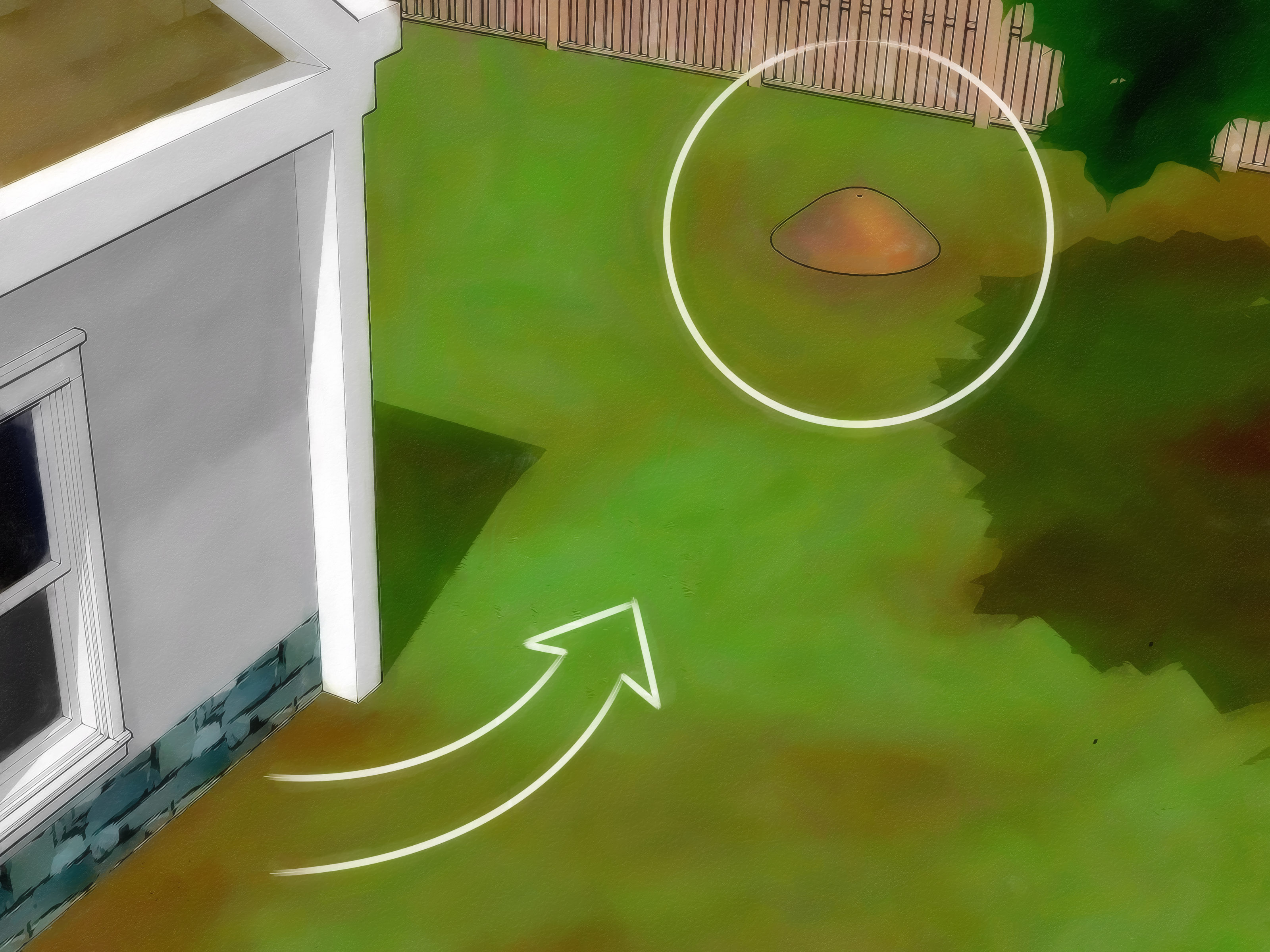
Outdoors, the best experience-based remedy is a slow walk around the house with suspicious eyes. Look for branches touching siding, mulch piled against the foundation, damp leaves, stacked firewood, leaky spigots, and gaps around pipes. These are the ant equivalents of welcome mats. Trim plants back, move wood piles, dry wet areas, and seal visible gaps. You may not eliminate every ant in the yard, and you do not need to. The goal is to keep outdoor ants outdoors, where they can continue their tiny ant business without attending breakfast in your cereal bowl.
Finally, accept that ant control may require a few rounds. Weather changes, seasonal food preferences, and colony movement can affect results. If one bait does not work, try another type. If ants disappear and return a week later, inspect for a second entry point. If large ants keep showing up or you suspect nesting in wood, stop guessing and call a professional. DIY remedies are powerful, but they are not a magic wand. They are more like a toolboxand with ants, the toolbox beats panic every time.
Conclusion
Stopping ants from coming into your home is not about one miracle spray or a secret ingredient from the back of the pantry. It is about making your home harder to enter, less rewarding to explore, and easier to defend. Clean up food, remove moisture, erase scent trails, seal cracks, manage outdoor conditions, and use ant bait carefully when needed.
The most successful DIY ant remedies combine prevention with patience. Vinegar can disrupt trails. Soap can clean surfaces. Caulk can block entry. Bait can reach the colony. Together, these steps create a home that tells ants, politely but firmly, “The buffet is closed.”