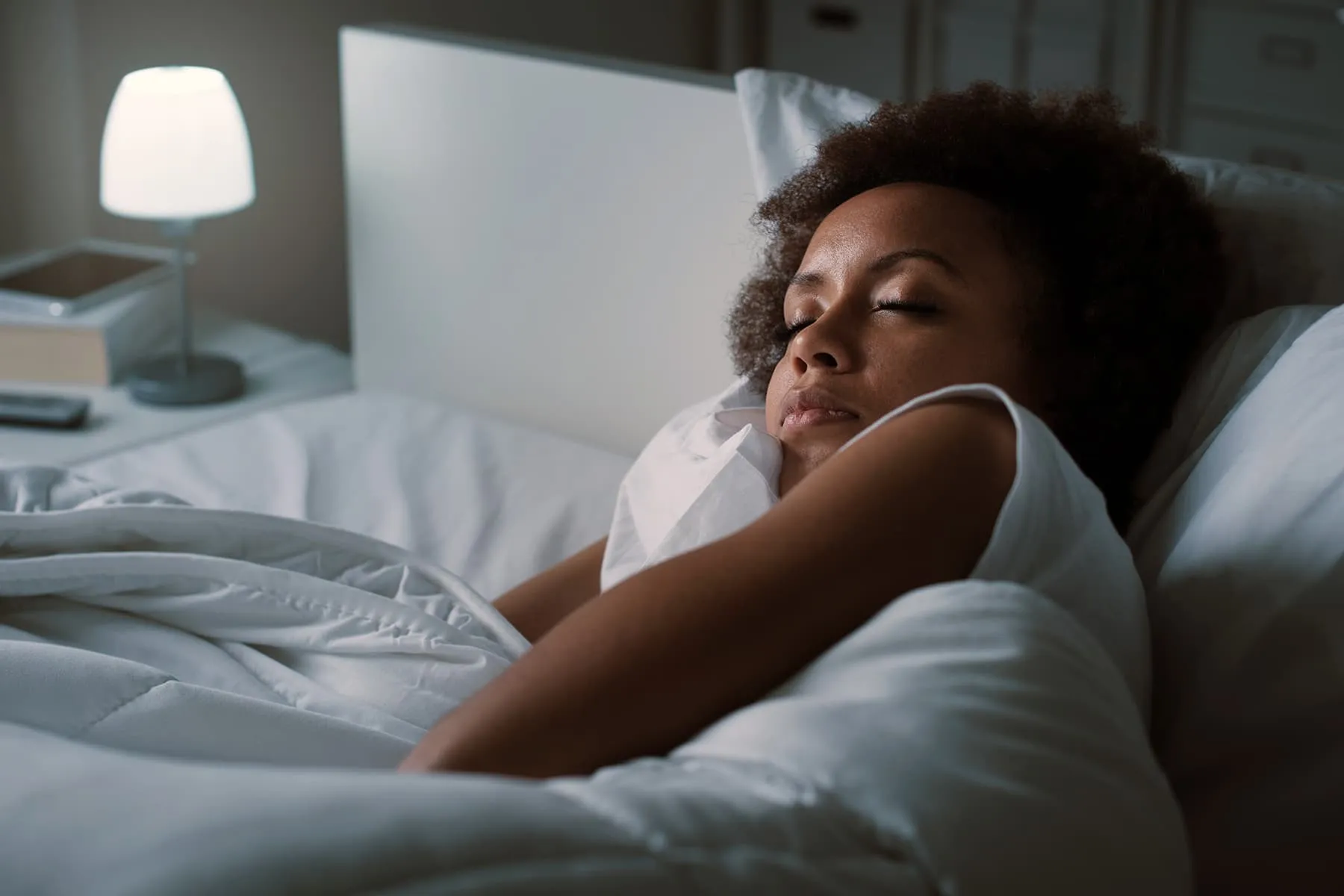
Sleep is the one wellness habit that asks you to do less and somehow gives you more. No complicated equipment. No subscription. No tiny green powder that tastes like lawn clippings. Just a quiet room, a consistent routine, and enough hours for your brain and body to run their overnight maintenance program.
The benefits of a good night’s sleep reach far beyond “not looking like a haunted raccoon on Monday morning.” Quality sleep supports memory, mood, immune defense, heart health, metabolism, physical recovery, decision-making, and daily energy. In other words, sleep is not a lazy luxury. It is a biological requirement, right up there with food, movement, and hydration.
Most healthy adults need at least seven hours of sleep per night, though individual needs vary. Just as important, good sleep is not only about quantity. Healthy sleep also includes quality, timing, and consistency. Seven hours of broken, stressful, phone-glowing sleep is not the same as seven hours of deep, steady rest. Your body knows the difference, and it is absolutely keeping receipts.
What Counts as a Good Night’s Sleep?
A good night’s sleep usually means you fall asleep without a long battle, stay asleep with few interruptions, cycle through light sleep, deep sleep, and REM sleep, and wake feeling reasonably refreshed. Nobody wakes up every day like a cheerful toothpaste commercial, but regular sleep should help you feel alert, emotionally steadier, and ready to function without negotiating with your coffee maker.
Sleep has several stages. Non-REM sleep includes lighter stages and deep sleep, which is important for body repair and recovery. REM sleep, the stage where vivid dreaming often happens, supports emotional processing, memory, and learning. Across the night, the brain cycles through these stages multiple times. When sleep is too short or constantly interrupted, those cycles can be cut short, and the body misses some of its most valuable restoration work.
1. Better Brain Function and Sharper Memory
One of the biggest benefits of quality sleep is improved brain performance. During sleep, the brain sorts, strengthens, and stores memories. That includes facts, skills, and emotional experiences. If you study, practice a presentation, learn a new software tool, or finally figure out how to assemble furniture without declaring war on the instruction manual, sleep helps lock in that learning.
Poor sleep can make concentration harder, slow reaction time, and reduce problem-solving ability. This is why a sleep-deprived brain can turn ordinary tasks into dramatic quests. Suddenly, finding your keys feels like archaeology. Writing a simple email becomes a legal deposition. A good night’s sleep helps your brain return to its normal job: thinking clearly instead of buffering like bad Wi-Fi.
2. Improved Mood and Emotional Balance
Sleep and mood are deeply connected. When you sleep well, your emotional control tends to improve. Small problems feel smaller. Your patience has a longer fuse. You may still dislike traffic, vague work emails, or people who chew loudly, but you are less likely to treat them as personal attacks from the universe.
Insufficient sleep is linked with irritability, stress, anxiety, and symptoms of depression. It can also make emotional reactions stronger because the tired brain has a harder time regulating responses. This is one reason everything can feel more dramatic after a bad night. A normal inconvenience becomes a tragedy in three acts, starring you and a missing phone charger.
Good sleep supports mental health by giving the brain time to process emotions, reset stress responses, and prepare for the next day. It is not a cure-all for serious mental health conditions, but it is a powerful foundation. When sleep improves, many people notice they feel calmer, more resilient, and less likely to start an argument with a printer.
3. Stronger Immune System Support
Your immune system does not clock out when you go to bed. In fact, sleep is one of the times when immune activity is coordinated and strengthened. Quality sleep helps the body maintain balanced immune function, respond to infections, and manage inflammation. It is like giving your internal security team a proper night shift instead of asking them to work exhausted with one flashlight and a granola bar.
When sleep is consistently too short, immune defense can weaken. You may become more vulnerable to getting sick, and recovery may feel slower. Sleep also plays a role in immune memory, which helps the body recognize threats it has seen before. That makes sleep especially important during stressful seasons, busy work periods, travel, and times when everyone around you seems to be coughing with the confidence of a fog machine.
4. Better Heart Health
Healthy sleep is good for the heart. During normal sleep, blood pressure and heart rate can dip, giving the cardiovascular system a chance to rest. Regular short sleep or poor-quality sleep is associated with increased risk factors such as high blood pressure, heart disease, and stroke.
The American Heart Association includes healthy sleep among its key measures for cardiovascular health. That is a big deal. It means sleep belongs in the same serious conversation as diet, exercise, blood pressure, cholesterol, blood sugar, weight, and avoiding tobacco. In simpler terms: your heart would like you to stop treating bedtime like a suggestion box.
Sleep also influences habits that affect the heart. When people are exhausted, they are often less motivated to exercise, more likely to crave high-calorie foods, and more likely to rely on caffeine late in the day. That creates a loop: poor sleep leads to choices that make sleep and heart health worse. Good sleep helps break that cycle.
5. Healthier Metabolism and Weight Management
Sleep affects the hormones and brain signals that regulate hunger, appetite, and blood sugar. When sleep is restricted, many people feel hungrier, crave quick-energy foods, and have a harder time feeling satisfied. That does not mean one bad night causes instant weight gain. The body is not that petty. But chronic poor sleep can make healthy weight management much harder.
Good sleep supports better glucose regulation and insulin sensitivity. This matters for metabolic health and may help reduce the risk of type 2 diabetes over time. Quality sleep also helps you make better food choices during the day. A rested brain is more likely to choose a balanced meal. A tired brain is more likely to look at a box of cookies and say, “This seems like a reasonable dinner companion.”
6. More Energy and Better Daily Performance
Good sleep improves energy, alertness, and productivity. This sounds obvious, but it is worth saying because many people try to replace sleep with motivation, caffeine, and sheer panic. That strategy may work briefly, but it is not a lifestyle. It is a hostage negotiation with your nervous system.
When you get enough quality sleep, you can think faster, move with better coordination, and complete tasks with fewer mistakes. Sleep-deprived people often take longer to finish work, struggle with attention, and experience slower reaction times. This matters at school, at work, while driving, and anywhere quick decisions are required.
A good night’s sleep also improves safety. Drowsy driving and workplace fatigue can increase the risk of accidents. Being awake but not fully alert is not the same as being functional. Your body may be present, but your brain is quietly trying to nap in the corner.
7. Better Physical Recovery and Muscle Repair
Sleep is prime time for physical repair. During deep sleep, the body supports tissue growth, muscle recovery, and healing processes. This is important for athletes, active adults, growing teens, people recovering from illness, and anyone who has ever done one enthusiastic workout and then needed two business days to walk normally.
Good sleep helps restore energy stores, regulate hormones involved in recovery, and reduce the sense of fatigue. It can support better exercise performance, coordination, endurance, and motivation. Sleep does not replace training, stretching, nutrition, or medical care, but it gives those efforts a better chance to work.
8. Lower Stress and Better Resilience
Sleep and stress have a complicated relationship. Stress can make sleep harder, and poor sleep can make stress feel worse. It is a loop many people know too well: lie awake worrying, sleep badly, wake tired, handle stress poorly, repeat the episode like the least enjoyable streaming series ever.
Quality sleep helps calm the stress system. A rested body is better able to regulate cortisol, manage emotional reactions, and recover after demanding days. That does not make life perfect, but it gives you more capacity. Problems may still appear, but they are less likely to arrive with flashing lights and dramatic background music.
9. Stronger Decision-Making and Self-Control
Sleep supports the parts of the brain involved in judgment, planning, impulse control, and flexible thinking. When sleep is poor, decisions can become more reactive. You may spend money you meant to save, skip the workout you planned, answer an email too sharply, or decide that watching “just one more episode” at 12:47 a.m. is a wise investment in culture.
Good sleep helps you pause, evaluate, and choose more deliberately. This matters for relationships, finances, work, food choices, and long-term goals. Many people think discipline is only about willpower, but willpower works better when the brain is rested. Sleep is not cheating. It is charging the battery before asking the device to perform.
10. Better Skin, Appearance, and Aging Support
Beauty sleep is not just a cute phrase invented by someone selling pillowcases. Sleep supports tissue repair, hydration balance, circulation, and inflammatory regulation, all of which can influence how you look and feel. One good night will not turn anyone into a magazine cover, but consistent sleep can help skin appear more rested and reduce the dull, puffy look that often follows late nights.
Poor sleep may also increase stress-related skin issues in some people. When the body is tired and inflamed, it may show up on the outside. Of course, genetics, hydration, nutrition, sun protection, and skin care matter too. But if your routine includes five serums and four hours of sleep, your face may politely request a meeting.
11. Healthier Relationships
Good sleep can make you a better human to be around. That may sound funny, but it is practical. When you are rested, you are more patient, more attentive, and less likely to misread neutral comments as criticism. Tired people often have shorter tempers and weaker listening skills. Suddenly, “Did you take out the trash?” sounds like a courtroom accusation.
Sleep supports emotional regulation, empathy, and communication. It can help couples, families, coworkers, and friends interact with fewer unnecessary sparks. If every disagreement feels bigger at night, the solution may not be another debate. Sometimes the wisest sentence in a relationship is, “Let’s talk after we sleep.”
How to Improve Sleep Quality Naturally
The benefits of sleep are powerful, but many people struggle to get enough of it. Fortunately, small habits can make a major difference. Sleep hygiene is the collection of daily routines and environmental choices that support better rest.
Keep a Consistent Sleep Schedule
Going to bed and waking up at about the same time every day helps train your circadian rhythm. Weekend sleep-ins are tempting, especially after a brutal week, but huge schedule swings can make Monday feel like jet lag without the vacation photos.
Create a Sleep-Friendly Bedroom
A cool, dark, quiet room is ideal for most sleepers. Blackout curtains, earplugs, a fan, breathable bedding, and reducing light can help. Your bedroom should remind your brain of sleep, not emails, arguments, online shopping, and mysterious crumbs.
Watch Caffeine, Alcohol, and Heavy Meals
Caffeine can linger for hours, so late-day coffee may interfere with sleep even if you insist you are “immune.” Alcohol may make you drowsy at first, but it can disrupt sleep later in the night. Heavy meals close to bedtime can also cause discomfort and restlessness.
Build a Wind-Down Routine
A relaxing routine signals to your body that the day is ending. Reading, gentle stretching, breathing exercises, journaling, a warm shower, or calming music can help. Try to avoid intense work, heated conversations, and doom-scrolling. Your nervous system does not need breaking news and blue light as a bedtime snack.
Know When to Seek Help
Occasional poor sleep is normal. But if you often cannot fall asleep, wake up repeatedly, snore loudly, gasp during sleep, feel exhausted despite enough time in bed, or struggle with daytime sleepiness, it may be time to talk with a health care provider. Sleep disorders such as insomnia, sleep apnea, restless legs syndrome, and circadian rhythm disorders are common and treatable.
Real-Life Experiences: What Good Sleep Changes Day by Day
In everyday life, the benefits of a good night’s sleep often show up in small, practical ways before they feel dramatic. You may not wake up with a violin soundtrack and a glowing aura. More often, you simply notice that the morning is less hostile. The alarm still rings, but you do not feel personally betrayed by it. Getting dressed takes less negotiation. Breakfast sounds like a normal idea instead of an impossible project.
One common experience is clearer thinking at work or school. After poor sleep, even simple tasks can feel oddly slippery. You read the same sentence five times. You open a browser tab and forget why. You walk into a room and suddenly become an explorer with no map. After better sleep, the same routine feels smoother. You remember details faster, shift between tasks more easily, and make fewer tiny mistakes that later grow into giant, annoying mushrooms.
Another noticeable change is emotional stability. Imagine two versions of the same morning. In the tired version, spilled coffee feels like a personal attack, traffic feels like a conspiracy, and a short message from a coworker looks suspiciously rude. In the rested version, the spill is just a spill, traffic is still traffic, and the coworker probably just typed quickly. Sleep does not remove stress, but it gives you more room between the event and your reaction.
Good sleep also changes how people experience food and movement. After a short night, cravings often become louder. The brain asks for quick energy, usually in the form of sugar, refined carbs, or anything available through a drive-thru window. Exercise feels less appealing because the body is already running on low battery. After consistent sleep, healthier choices are easier. A walk sounds pleasant. A balanced lunch feels satisfying. You are not fighting your biology all day with a plastic fork and heroic intentions.
Relationships can improve too. Rested people tend to listen better and assume less. Parents may have more patience with children. Partners may argue less intensely. Friends may get better replies than “k.” Coworkers may benefit from fewer sighs and more complete sentences. Sleep is not a personality transplant, but it can make your best qualities easier to access.
Perhaps the most underrated experience is confidence. When you sleep well regularly, life feels more manageable. You trust your memory. You trust your mood. You trust your ability to handle surprises without immediately needing a nap, a snack, and a dramatic stare out the window. That sense of steadiness is one of sleep’s quiet gifts.
Conclusion: Sleep Is a Health Strategy, Not a Reward
A good night’s sleep is one of the most effective health habits available. It supports brain function, memory, mood, immunity, heart health, metabolism, stress control, physical recovery, and safer daily performance. It also improves the ordinary human experience of being awake, which is helpful because most of us are expected to do that every day.
The goal is not perfect sleep every night. Real life includes deadlines, babies, travel, stress, noise, late dinners, and the occasional neighbor who apparently owns tap shoes. The goal is to protect sleep often enough that your body can recover, reset, and function well. Start with a consistent schedule, a calmer bedroom, smarter caffeine timing, and a wind-down routine that does not involve arguing with the internet.
If sleep problems continue, do not ignore them. Persistent insomnia, loud snoring, breathing pauses, daytime sleepiness, or feeling unrefreshed after enough hours in bed may signal a treatable sleep disorder. Better sleep is not just about comfort. It is about long-term health, daily energy, and giving your brain and body the nightly care they deserve.
Note: This article is original, written in standard American English, and synthesized from reputable U.S. health and sleep science sources. It is intended for general educational publishing and should not replace medical advice from a qualified health care professional.