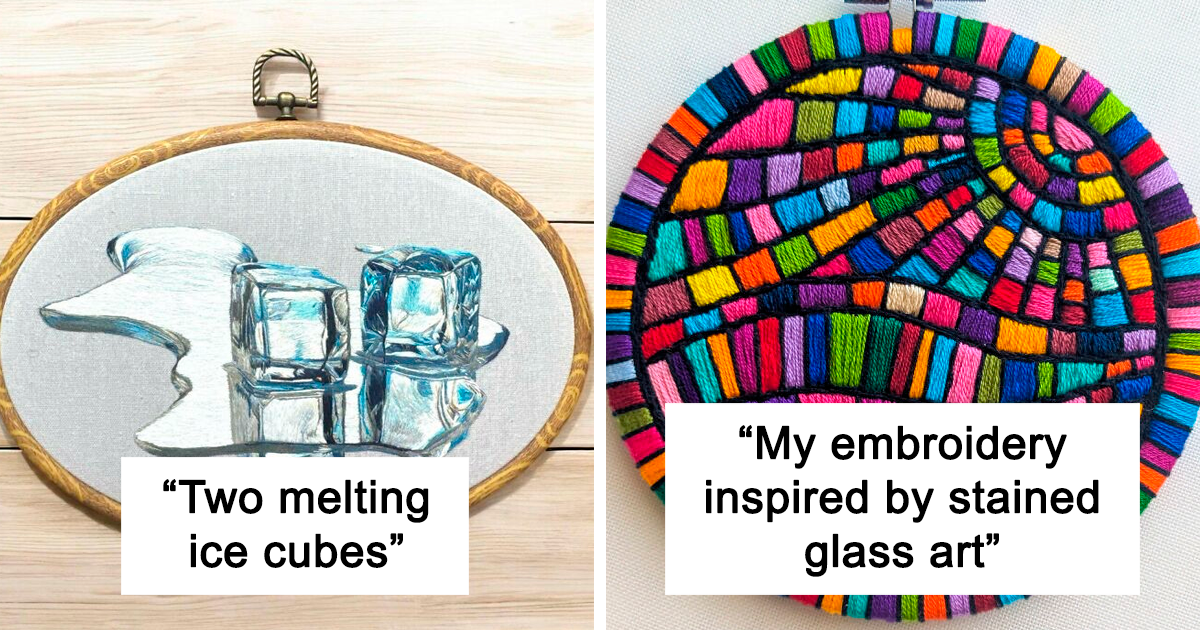
Embroidery is proof that tiny things can create big feelings. A single thread can turn a plain napkin into a keepsake, a denim jacket into a personality statement, and a quiet evening into a surprisingly dramatic battle between you, a needle, and one very stubborn knot. The good news? Every stitch counts, even the slightly wobbly ones. Especially the wobbly ones. They have character.
Today’s embroidery designs are no longer limited to sweet little flowers on grandma’s tea towels, although let’s be honest, grandma had excellent taste. Modern embroidery includes botanical hoop art, minimalist line drawings, pet portraits, geometric patterns, visible mending, monogrammed gifts, abstract landscapes, and bold designs stitched directly onto clothing. Whether you love hand embroidery, machine embroidery, cross-stitch, sashiko-inspired repair, or mixed-media textile art, there is a design style ready to make your world a stitch better.
This guide explores 90 beautiful embroidery design ideas, practical tips for choosing the right stitches, and real-life inspiration for turning fabric into something meaningful, useful, and proudly handmade.
Why Embroidery Designs Still Feel So Magical
Embroidery has lasted for centuries because it does something digital art cannot fully replace: it adds texture, patience, and touch. A stitched flower has dimension. A French knot has attitude. A satin stitch catches the light. Even a simple running stitch can make fabric feel alive.
Another reason embroidery remains popular is its flexibility. You can stitch a tiny lavender sprig on a shirt collar, create a framed hoop for your wall, repair jeans with visible mending, or decorate a tote bag with a dramatic mushroom scene worthy of a fairy-tale forest. Embroidery can be elegant, funny, sentimental, political, cozy, or completely weird in the best possible way.
90 Beautiful Embroidery Designs to Inspire Your Next Project
Here are 90 embroidery design ideas grouped by style, mood, and use. Think of this as a creative menu. You do not have to stitch them all, unless you enjoy turning your craft table into a thread-powered command center.
Nature-Inspired Embroidery Designs
- Wildflower meadow hoop: Use lazy daisies, French knots, and stem stitch to create a cheerful field of tiny blooms.
- Sunflower design: Pair satin stitch petals with a textured French knot center.
- Lavender sprigs: A beginner-friendly motif that looks beautiful on napkins, sachets, and pillowcases.
- Fern leaves: Great for practicing fishbone stitch and delicate green shading.
- Pressed flower effect: Stitch thin stems and soft petals for a vintage botanical look.
- Mountain landscape: Use layered lines and muted colors to create depth inside a hoop.
- Ocean waves: Chain stitch and split stitch can create flowing water movement.
- Moonlit forest: Combine dark fabric, silver thread, and simple tree silhouettes.
- Autumn leaves: Blend orange, rust, gold, and brown threads for cozy seasonal decor.
- Garden herbs: Stitch basil, rosemary, thyme, and mint onto kitchen towels.
Animal and Pet Embroidery Designs
- Custom pet portrait: Turn a favorite photo into a simplified stitched outline.
- Cat silhouette: Minimal, elegant, and approved by every cat who thinks your hoop is now their bed.
- Dog paw print: A sweet design for bags, blankets, or pet bandanas.
- Butterfly garden: Add colorful wings with satin stitch and delicate backstitch details.
- Hummingbird motif: Use bright thread and long-and-short stitch for feather texture.
- Fox in flowers: A woodland design that works beautifully in warm thread palettes.
- Bee and honeycomb: Perfect for tote bags, aprons, and gardening gifts.
- Whale and stars: A dreamy design for nursery decor or ocean lovers.
- Owl on a branch: Great for practicing layered feathers and expressive eyes.
- Rabbit with wildflowers: Soft, charming, and ideal for spring embroidery projects.
Modern Minimalist Embroidery Designs
- Single-line face: A chic design using one continuous stitched line.
- Abstract hands: Elegant on linen and framed hoop art.
- Small heart outline: Simple, fast, and sweet on cuffs or pockets.
- Minimal sun and moon: Use gold and white thread on dark fabric.
- Tiny stars: Scatter them across collars, tote bags, or denim jackets.
- Geometric mountain: Clean lines make this design modern and beginner-friendly.
- Minimal rainbow: Soft arches of color for cheerful decor.
- Line-art flowers: A refined alternative to full floral fills.
- Initial monogram: Timeless for handkerchiefs, shirts, and gifts.
- Simple quote: Stitch a short phrase in backstitch or chain stitch.
Fashion and Clothing Embroidery Designs
- Floral collar: Add tiny blossoms along a blouse or shirt collar.
- Denim jacket back piece: Go bold with roses, birds, or celestial designs.
- Jeans pocket flowers: A small detail that makes old denim feel custom.
- Embroidered sneakers: Stitch small stars, vines, or initials on canvas shoes.
- Sleeve vine design: Let leaves trail from wrist to elbow.
- Hat embroidery: Add a bee, mountain, phrase, or flower to a baseball cap.
- T-shirt pocket motif: A tiny cactus or smiley face can do wonders.
- Cardigan flowers: Stitch scattered blooms for a soft cottagecore look.
- Monogrammed cuff: Subtle, polished, and gift-worthy.
- Visible mending patch: Repair holes with colorful stitches that look intentional.
Home Decor Embroidery Designs
- Embroidered pillow cover: Try botanical borders or bold geometric patterns.
- Kitchen towel herbs: Useful, decorative, and wonderfully giftable.
- Holiday napkins: Stitch snowflakes, holly, pumpkins, or spring flowers.
- Hoop wall gallery: Create a set of small hoops with matching colors.
- Embroidered lampshade: A delicate floral border can transform plain lighting.
- Table runner vines: Use repeating leaves for a handmade dining accent.
- Baby blanket name design: Personalize with soft lettering and small stars.
- Fabric bookmark: Stitch flowers, initials, or a tiny moon.
- Framed quote hoop: Add lettering surrounded by tiny blooms.
- Wall hanging landscape: Mix embroidery with fabric scraps for dimension.
Seasonal and Holiday Embroidery Designs
- Spring tulips: Bright and simple for beginners.
- Summer citrus slices: Fresh, playful, and perfect for kitchen linens.
- Autumn pumpkin patch: Use warm colors and textured stems.
- Winter snowflakes: White thread on blue linen looks crisp and classic.
- Halloween ghost: Cute, spooky, and easy to stitch.
- Christmas ornament hoop: Mini hoops can become tree decorations.
- Valentine hearts: Try satin stitch, chain stitch, or tiny French knots.
- Easter bunny: Add flowers for a soft spring finish.
- Thanksgiving wheat stalks: Elegant on napkins or table runners.
- New Year stars: Metallic thread makes the design sparkle.
Creative, Funny, and Personality-Packed Designs
- “Plant parent” hoop: Add stitched houseplants and cheerful lettering.
- Coffee cup design: A perfect gift for anyone powered by caffeine and optimism.
- Book lover motif: Stitch stacked books, glasses, and a tiny teacup.
- Mushroom cottagecore scene: A whimsical design with endless texture options.
- Pizza slice patch: Because fine art can absolutely include pepperoni.
- Retro roller skate: Bright colors make this design pop.
- Music notes: Simple and stylish on bags or jackets.
- Camera design: Great for travelers and photography fans.
- “Made with mild panic” label: Funny for handmade gifts.
- Tiny UFO: Add stars for a playful cosmic hoop.
Traditional and Cultural-Inspired Embroidery Designs
- Sashiko-inspired repair: Use repeating running stitches for visible mending.
- Blackwork border: Monochrome geometric patterns look striking and refined.
- Crewel-style florals: Use wool thread for rich texture.
- Whitework initials: Elegant for heirloom linens.
- Stumpwork flower: Raised embroidery creates a dimensional effect.
- Cross-stitch sampler: A classic design for learning counting and spacing.
- Folk bird motif: Bright colors and symmetrical shapes feel timeless.
- Decorative border bands: Use repeating motifs on cuffs, hems, or napkins.
- Needle-painted rose: Advanced but stunning when blended carefully.
- Quilt block embroidery: Combine stitching with patchwork shapes.
Advanced and Artistic Embroidery Designs
- Thread-painted portrait: Use long-and-short stitch to mimic brushstrokes.
- 3D floral bouquet: Raised petals, beads, and layered thread create dimension.
- Mixed-media landscape: Combine fabric scraps, thread, ribbon, and beads.
- Metallic constellation: Stitch zodiac signs or star maps on dark fabric.
- Architectural line art: Stitch a favorite building or city skyline.
- Abstract color field: Use blocks of thread color like a tiny textile painting.
- Hair embroidery portrait: Flowing thread can create beautiful movement.
- Beaded flower center: Add sparkle and texture to floral hoops.
- Layered forest scene: Use foreground, midground, and background stitching.
- Personal memory map: Stitch a place, path, house, or travel route that matters to you.
How to Choose the Right Embroidery Design
The best embroidery design is not always the most complicated one. It is the one you will actually enjoy finishing. Beginners usually do well with clear outlines, small motifs, and forgiving patterns such as flowers, stars, herbs, hearts, or simple lettering. More experienced stitchers may enjoy shaded florals, pet portraits, landscapes, stumpwork, or thread painting.
Before choosing a project, ask three questions: Where will the embroidery live? How much time do I want to spend? What stitches do I want to practice? A lavender sprig on a tea towel might take an evening. A full denim jacket back design might take weeks. Both are worthy. One just requires more snacks.
Best Stitches for Beautiful Embroidery Designs
A handful of basic stitches can create hundreds of designs. Backstitch is excellent for outlines and lettering. Stem stitch creates smooth curves for vines and flower stems. Satin stitch fills petals, leaves, and shapes with polished color. French knots add texture to flower centers, stars, berries, and tiny decorative dots. Chain stitch works beautifully for bold outlines and playful lettering. Long-and-short stitch helps create shaded petals, fur, feathers, and realistic effects.
If you are new, do not try to master every stitch in one weekend. That is how thread becomes spaghetti and confidence quietly leaves the room. Start with three stitches: backstitch, satin stitch, and French knot. With those alone, you can make flowers, words, stars, bees, hearts, and small landscapes.
Fabric, Thread, and Color Tips
Fabric matters. Cotton and linen are popular for hand embroidery because they hold stitches well and are easy to manage in a hoop. Denim and canvas are sturdy choices for clothing and bags, but they may require a stronger needle. Stretchy T-shirts need stabilizer so the fabric does not warp while you stitch.
Embroidery floss is the classic choice for many hand embroidery designs. It is usually made of separable strands, which means you can control the thickness of your lines. Use fewer strands for delicate detail and more strands for bold outlines or faster fills. Keep thread lengths manageable; a piece that is too long will tangle, fray, and behave like it has personal issues.
Color can completely change the mood of a design. Soft pastels feel romantic and vintage. Bright colors feel playful and modern. Monochrome blackwork looks crisp and graphic. Metallic thread adds drama, although it can be a little fussy. Treat metallic thread gently and take your time. It is basically the diva of the thread box.
Where Embroidery Designs Look Best
Hoop art is the easiest way to display embroidery, but it is far from the only option. Embroidery looks beautiful on tote bags, pillow covers, denim jackets, jeans, canvas shoes, aprons, napkins, table runners, bookmarks, hats, patches, baby blankets, and framed textile art. Small designs are perfect for clothing details, while larger patterns work well as wall decor.
Visible mending is one of the most meaningful uses of embroidery. Instead of hiding a tear, you can turn it into a feature with sashiko-inspired running stitches, floral patches, stars, or geometric patterns. A repaired garment carries a story. It says, “I liked this enough to save it,” which is a very stylish sentence.
Common Embroidery Mistakes and How to Avoid Them
The first mistake is pulling stitches too tightly. Tight stitches pucker fabric and make your design look stressed. Your fabric should stay smooth, not look like it just read a scary email. Keep the fabric taut in the hoop, but let the stitches rest naturally.
The second mistake is skipping fabric preparation. Wash and press fabric when needed, especially if the finished item will be cleaned later. Transfer your design clearly and test pens or transfer methods on a scrap first. The third mistake is using the wrong needle. A needle should pass through the fabric easily without leaving large holes or shredding the thread.
Finally, remember to finish the back neatly if the item will be used or washed. Secure threads without bulky knots when possible, trim loose ends, and clean finished embroidery carefully based on the fabric and thread type.
Experience: What Embroidery Teaches You Stitch by Stitch
My favorite thing about embroidery is that it slows everything down in a world that keeps shouting, “Faster, please!” You cannot rush a French knot. Well, you can try, but the knot will immediately file a complaint. Embroidery teaches patience in a quiet, practical way. You draw the line, thread the needle, make one stitch, then another. Slowly, the design appears. It feels almost magical, except the magic involves excellent lighting and occasionally licking thread like your great-grandmother probably did.
Working on embroidery designs also changes how you see ordinary objects. A plain shirt starts looking like a blank canvas. A stained napkin becomes a candidate for a tiny flower. A rip in jeans becomes an opportunity for visible mending. Even old pillowcases can feel new again with a small monogram, a bow, a sprig of greenery, or a border of cheerful running stitches. Embroidery makes you look at fabric and ask, “What could this become?” That question is powerful.
There is also a special kind of satisfaction in making gifts by hand. A store-bought towel is useful. A towel embroidered with someone’s initials, favorite herb, or tiny cat face is personal. It says you spent time, attention, and maybe three episodes of a cozy mystery show thinking about them. Handmade embroidery does not have to be perfect to be meaningful. In fact, the tiny imperfections often make it better. A slightly uneven pet portrait still carries love. A wobbly flower still blooms.
Embroidery can even become a visual diary. Stitch a flower from a place you visited. Stitch the skyline of a city you miss. Stitch your dog’s paw print, your child’s handwriting, your favorite quote, or the coordinates of a meaningful location. These designs become more than decoration; they become memory made visible. Fabric holds the thread, and the thread holds the story.
The best experience, though, is the moment when a design finally comes together. At first, it looks like a few random lines. Then the petals fill in, the leaves gain shape, the lettering becomes readable, and suddenly the project has a personality. You hold it at arm’s length, squint proudly, and think, “Yes, I made that.” Maybe the back is messy. Maybe one leaf is suspiciously larger than the others. It still counts. Embroidery rewards showing up, not being flawless.
That is why beautiful embroidery designs make the world a stitch better. They repair what is worn, personalize what is plain, and add softness to everyday life. They remind us that small efforts can become something lasting. One stitch is tiny. Ninety designs are a celebration.
Conclusion
Embroidery is both art and comfort, both decoration and repair. From floral hoops and pet portraits to modern line art, denim details, seasonal napkins, and visible mending, the possibilities are almost endless. The best embroidery designs are not just beautiful; they feel personal. They carry time, texture, and care in every thread.
If you are just beginning, choose a simple design and a few basic stitches. If you already have a thread collection large enough to require its own zip code, challenge yourself with shading, mixed media, or a large clothing project. Either way, embroidery gives you permission to slow down and make something with your hands. In a world full of fast clicks and instant everything, that is a pretty wonderful kind of rebellion.