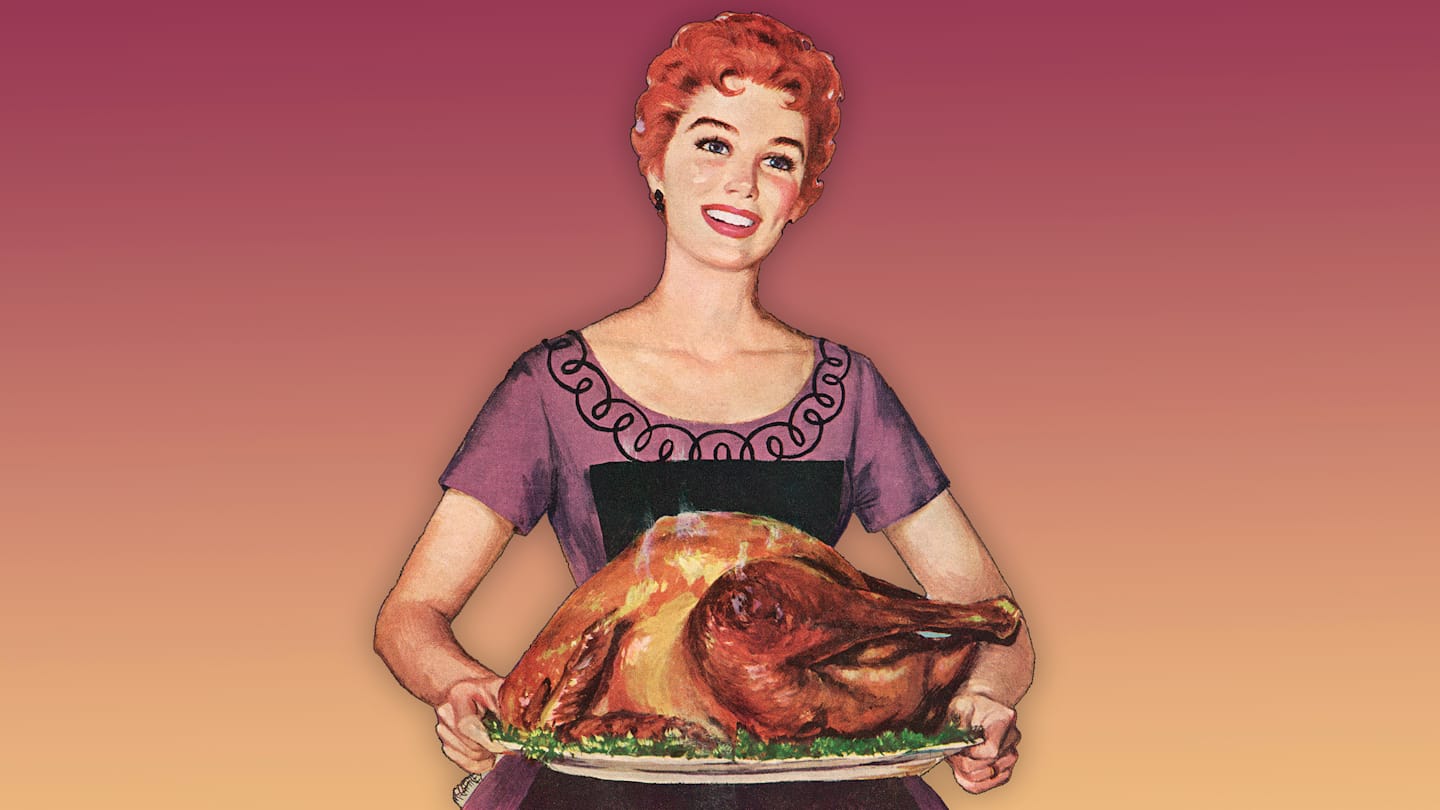
Turkey has been the diva of the American holiday table for a long time, but historical turkey preparation was a lot stranger than the glossy, herb-buttered birds we know today. Long before pop-up timers, disposable roasting pans, and family arguments over whether gravy counts as a beverage, cooks handled turkey with methods that now sound equal parts clever, theatrical, and mildly alarming.
That does not mean the old ways were foolish. In many cases, historical turkey tips made perfect sense for the birds people raised, the ovens they used, and the ingredients they had on hand. Earlier turkeys were often leaner, kitchens ran hotter and less evenly, and cooks had to stretch every ounce of food across multiple meals. The result was a fascinating turkey playbook: pull out the sinews, sew the bird up like a winter coat, cover the breast with greased paper, and if roasting felt risky, just boil the thing and drench it in oyster sauce.
This is not a call to turn your kitchen into an 1880s reenactment camp. It is, however, a great reminder that the history of Thanksgiving food is far more inventive than people assume. Below are nine odd historical tips for preparing a turkey, why they once made sense, and what modern cooks can still learn from them today.
Why historical turkey advice got so weird
Before diving into the list, it helps to remember one basic truth: historical cooks were solving different problems. Some early feast birds may have been roasted on a spit, braised, or boiled in a kettle. Nineteenth-century menus paired turkey with oyster sauce, bread sauce, and other accompaniments that sound unusual now but were totally respectable then. Old cookbooks also assumed readers were comfortable dressing poultry from scratch, managing uneven heat, and turning leftovers into pies, hashes, and soups the next day. In other words, turkey was not a one-night performance. It was a project.
1. Pick a young bird or accept that roasting may betray you
Historical cookbooks often emphasized the age of the bird. A young turkey was considered best for roasting because it would stay tender and cook more evenly. An older bird, by contrast, could come out dry, stringy, or stubborn enough to make the carving knife feel personally insulted.
This advice reflected the reality of older food systems. People were closer to the animals they ate, which meant they knew age mattered. A mature bird might be better suited to gentler, wetter cooking methods like stewing, steaming, or boiling. Modern grocery turkeys are more standardized, but the old insight still holds: the character of the bird should influence the method. If you are working with a heritage turkey or a leaner pasture-raised bird, you may need to roast more carefully and protect moisture more aggressively than you would with a typical supermarket bird.
2. Truss it like you are prepping upholstery, not dinner
Older instructions for turkey prep could be wonderfully dramatic. Some cookbooks advised cooks to draw out sinews before trussing, and to do it with enough force that a wall hook entered the conversation. Then came the tying, folding, fastening, and shaping. The goal was not just neatness. A tightly trussed bird held its shape better, cooked more evenly, and looked more elegant on the platter.
Today, many cooks skip elaborate trussing because it can slow cooking and make the breast more likely to overcook. Still, the historical instinct was not wrong. Good prep matters. Tucking wings, stabilizing the bird, and loosely securing the legs can help with presentation and handling. The old-school version was simply more committed, like a tailor who wandered into the kitchen and decided dinner needed structure.
3. Add fat wherever possible, because old turkeys were not naturally luxurious
One of the oddest but smartest historical turkey tips was to add fat from the outside. Cooks larded lean birds by threading strips of salt pork or bacon through the flesh, or barded them by laying fat over the breast. Why? Because many birds were lean, and lean poultry plus aggressive heat is a one-way ticket to sad slices.
This sounds extravagant now, but it was practical cookery. The extra fat protected delicate meat, added flavor, and encouraged browning. Modern cooks often do a gentler version with butter under the skin, herb butter on top, or bacon laid across the breast. Same idea, less Victorian intensity. The takeaway is timeless: moisture protection is not cheating. It is strategy.
4. Stuff the turkey with oysters, chestnuts, sausage meat, or forcemeat
Today, stuffing tends to mean cubes of bread, herbs, onions, and celery. Historically, turkey stuffing could get much more adventurous. Old recipes mention chestnuts, sausage meat, forcemeat, and oysters. Yes, oysters. And not in tiny boutique portions either. They appeared often enough in nineteenth-century Thanksgiving menus to prove this was not some weird regional accident.
Oyster stuffing made sense for cooks who valued richness, salinity, and moisture. Chestnuts added sweetness and texture. Sausage meat brought fat and seasoning. These fillings tell us something important about old turkey prep: stuffing was not an afterthought. It was part of the engineering. It flavored the bird from within and helped define the meal’s status.
For modern kitchens, the big update is food safety. If you stuff a turkey, do it just before roasting, do not pack it tightly, and make sure the center of the stuffing reaches 165°F. Many food-safety experts still prefer cooking stuffing outside the bird. So yes, oyster stuffing is historically authentic. Food poisoning is not.
5. Cover the breast with greased paper like the turkey is hiding from the sun
One of the most charming historical tips is also one of the most practical: cover the breast with greased paper, or even a brown-paper “cap,” to keep it from browning too fast. In an era of unpredictable ovens, this was a simple shield against scorching.
If that sounds quaint, remember that modern cooks do something very similar with foil. The principle has not changed. White meat cooks faster than dark meat, and turkey breasts have a long history of threatening to dry out while the thighs are still thinking things over. The greased paper method was just the old-school version of thermal management.
Would I recommend brown paper in a modern oven? Absolutely not. Foil exists, and there is no prize for making your kitchen smell like a stationery fire. But the underlying lesson is useful: protect the breast when needed, especially on large birds or in hot ovens.
6. Baste constantly, because historical cooks trusted motion
Historical recipes often insist that turkey requires careful basting. Some also suggest rubbing the bird with butter, dusting it with flour, and starting it in a hot oven before reducing the heat. This created color early and gave cooks a chance to control the roast as it developed.
Modern cooks debate how much basting really helps, because every oven opening drops heat. Still, the historical habit reveals a lot about the rhythm of older kitchens. Roasting was interactive. You did not shove in a bird, wander off, and return at destiny o’clock. You watched. You turned. You basted. You adjusted.
That kind of attention still matters, even if the exact technique has evolved. A turkey does not demand drama, but it does reward observation. Historical cooks understood that the real secret weapon was not just butter. It was vigilance.
7. If roasting feels risky, boil, braise, or steam the bird instead
Modern Thanksgiving culture treats roasting as the obvious path, but history tells a messier story. Some early accounts of colonial-era cookery suggest birds could be roasted on a spit, braised, or boiled. Later cookbooks openly included boiled turkey, often served with white, celery, or oyster sauce. In other words, the roast-turkey monopoly is a relatively modern emotional attachment.
Boiled turkey may not sound glamorous, but for a tough or older bird, moist cooking had real advantages. It softened fibers, preserved moisture, and created broth in the process. Steaming and braising served a similar purpose. These methods also fit kitchens where open fires and bake kettles did not always offer the gentle, even control promised by modern ovens.
What can we steal from this today? Flexibility. If a turkey breast is lean, a leg is better confited, or a heritage bird seems like it will dry out, there is no law saying every piece must be roasted the same way. History gives cooks permission to be less rigid and more practical.
8. Forget plain gravy for a moment and serve the bird with sauce that actually has personality
Historical Thanksgiving tables often treated sauces as a major event. Turkey might appear with oyster sauce, celery sauce, bread sauce, white sauce, cranberry sauce, or all of the above if the cook was feeling generous and mildly unstoppable. This was not just garnish. Sauce was a way to add richness, moisture, and contrast.
Oyster sauce, in particular, now sounds delightfully chaotic to modern ears, but it fit the flavor language of the time. Bread sauce softened strong roasts. Celery sauce added freshness and creaminess. Cranberry sauce was there too, but it did not rule the plate unchallenged the way it often does now.
The modern lesson is easy: turkey benefits from contrast. A platter of sliced turkey beside one lonely gravy boat is fine. A turkey served with gravy, tart fruit, and something creamy or savory is better. Historical cooks understood that the bird needed supporting actors, not just applause.
9. Plan for the second act: pies, broths, hashes, and soup
Historical cooks wasted very little. The bird’s neck, giblets, and trimmings mattered. So did the carcass after dinner. Leftover turkey became pie filling, hash, soup, or broth. Some cooks even treated the remains of the roast as tomorrow’s flavor base rather than yesterday’s problem.
This might be the most sensible old turkey tip of all. In many homes, the real value of the bird came from how many meals it could produce. That outlook feels surprisingly modern again, especially as more people think about cost, waste, and sustainability.
If your Thanksgiving ends with one photogenic platter and a fridge full of neglected leftovers, history is gently judging you. A turkey is not just one meal. It is a sequel machine.
What these odd historical turkey tips still teach us
The funniest part of historical turkey preparation is how much of it still makes sense once you strip away the antique phrasing. Protect lean meat. Match the method to the bird. Use fat intelligently. Respect stuffing as a serious component, not a side hustle. Watch the roast closely. Save the scraps. Serve good sauce. These are not relics. They are kitchen fundamentals wearing old-fashioned clothes.
At the same time, modern cooks should not imitate everything blindly. Food safety matters, and so does common sense. Use a thermometer. Aim for 165°F in both the bird and any stuffing cooked inside it. Cook stuffing separately when possible. Swap foil for paper shields. Admire the wall-hook trussing method from a safe emotional distance.
History does not ask us to cook exactly as our predecessors did. It asks us to notice what they were trying to solve. Once you see that, old turkey advice becomes less bizarre and more brilliant.
Experiences people have when they try historical turkey ideas today
Trying even a few historical turkey techniques in a modern kitchen can feel like opening a time capsule with oven mitts on. The first thing many people notice is how hands-on the process becomes. A turkey prepared the old-fashioned way is not a passive roast. It asks for attention. You think about shape, fat, airflow, surface protection, and sauces before the bird even reaches the oven. Suddenly, turkey is no longer just “the main dish.” It becomes the whole afternoon’s plot.
One common experience is surprise at how logical the old methods feel in practice. Lay a protective cover over the breast, and the reason becomes obvious: turkey white meat really does race ahead of the dark meat. Add a fatty layer under or over the skin, and the bird often looks happier, browner, and less likely to dry out. Make a richer stuffing with oysters, sausage, or chestnuts, and you understand immediately why historical cooks loved dramatic fillings. These were not random flourishes. They were flavor insurance.
Another experience is realizing how different texture expectations used to be. Modern cooks often chase crisp skin, clean slices, and a picture-perfect carving board. Historical turkey preparation cared about appearance too, but it also valued tenderness, richness, and the usefulness of the drippings, broth, and leftovers. When people recreate old recipes today, they often end up appreciating the softer, saucier side of the meal. A bird served with bread sauce, oyster sauce, or a pan gravy made from concentrated drippings feels less like a showroom object and more like comfort food with a résumé.
There is also the comic factor, which should not be underestimated. Mention to guests that old recipes sometimes advised drawing out sinews with a hook or covering food with greased paper, and suddenly the kitchen turns into a history podcast with snacks. Historical turkey cooking invites storytelling. It gives families something better to discuss than politics and whether the rolls are late. The meal becomes more memorable because it carries context. You are not just serving turkey; you are serving a conversation about how cooks solved problems before timers, convection ovens, and internet arguments.
Perhaps the biggest experience, though, is a new respect for thrift. When people lean into the historical mindset, they stop seeing leftovers as clutter and start seeing them as the next meal already halfway done. Turkey pie, stock, hash, soup, and sandwiches all feel less accidental. That shift can change the whole mood of the holiday. The bird becomes generous rather than exhausting. It works hard on day one and keeps showing up afterward like the most reliable guest at the party.
In the end, cooking from historical inspiration tends to leave people with two lasting impressions. First, old cooks were far more inventive than modern stereotypes suggest. Second, many of their so-called odd tips were simply practical responses to real kitchen challenges. Once you try a few, the past stops looking quaint and starts looking surprisingly competent. Also a little bossy, but very competent.
Conclusion
The history of turkey preparation is not a straight line from primitive to polished. It is a winding trail of smart adaptations, strong opinions, and wonderfully weird solutions. From bacon-larded birds and oyster stuffing to paper breast shields and boiled turkey with sauce, historical cooks built a turkey tradition that was flexible, resourceful, and deeply tied to the realities of their kitchens.
That is what makes these odd historical tips so useful today. They remind us that great turkey is rarely about one magic recipe. It is about understanding the bird in front of you, choosing techniques that protect flavor and moisture, and giving the meal enough attention to make it worth remembering. You do not need to revive every antique method. But borrowing a little historical wisdom might make this year’s turkey more delicious, more interesting, and much harder to forget.