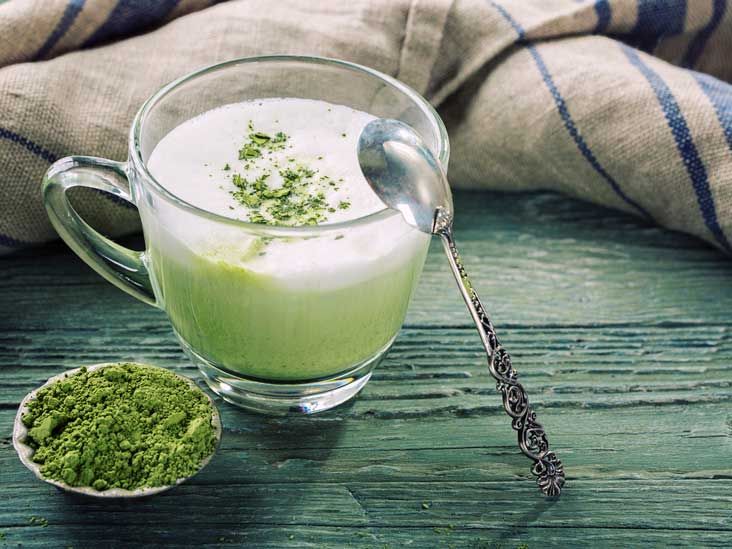
Matcha has escaped the tea ceremony, conquered the coffee shop, and somehow found its way into smoothies, oatmeal, cookies, and occasionally a dessert that is mostly frosting wearing a green disguise. Behind the trend, however, is a traditional form of green tea with a genuinely interesting nutritional profile.
Unlike ordinary green tea, which is steeped and removed, matcha is made by whisking finely ground tea leaves into water. You consume the suspended leaf powder itself, receiving a concentrated mixture of catechins, caffeine, chlorophyll, polyphenols, and the amino acid L-theanine.
Research suggests that these compounds may support attention, stress management, cardiovascular health, exercise performance, and other aspects of wellness. That does not make matcha a miracle drink. It cannot cancel a diet built around drive-through windows, and it has never successfully completed anyone’s workout. Still, when consumed sensibly, it can be a nutritious addition to a balanced lifestyle.
What Makes Matcha Different From Regular Green Tea?
Matcha and conventional green tea come from the same plant, Camellia sinensis. The difference lies mainly in how the plants are cultivated, processed, and prepared.
Tea plants intended for matcha are traditionally shaded before harvest. Reduced sunlight changes the leaves’ chemical composition, contributing to their intense green color, savory umami flavor, and relatively high concentration of L-theanine. After harvesting, the leaves are steamed, dried, stripped of stems and veins, and ground into an extremely fine powder.
With brewed green tea, water extracts some of the leaf’s compounds before the leaves are discarded. Matcha puts the powdered leaf directly into the cup. As a result, a serving can provide more caffeine and plant compounds than a lightly brewed green tea, although exact amounts vary considerably by product, serving size, cultivation method, and preparation.
This concentrated nature is both matcha’s advantage and the reason moderation matters. One teaspoon is a beverage ingredient, not permission to start shoveling green powder into every meal like an overenthusiastic garden gnome.
1. Matcha Provides a Concentrated Source of Antioxidants
One of the best-established matcha tea benefits is its concentration of polyphenols, particularly a family of antioxidants known as catechins. The most widely studied catechin in green tea is epigallocatechin gallate, commonly abbreviated as EGCG.
Normal metabolism, sunlight, pollution, smoking, and other factors can generate unstable molecules called free radicals. In excess, these molecules contribute to oxidative stress, which may damage cells, proteins, and DNA. Antioxidants help neutralize free radicals and form part of the body’s broader defense system.
Why EGCG gets so much attention
Laboratory studies show that EGCG has antioxidant and anti-inflammatory activity. Researchers are investigating how it may influence cell signaling, blood vessel function, metabolism, and inflammatory pathways. However, laboratory effects do not automatically translate into dramatic disease prevention in humans.
The practical takeaway is simpler: unsweetened matcha is a convenient way to add polyphenols to a diet already rich in fruits, vegetables, legumes, nuts, and whole grains. Think of antioxidants as a team sport. Matcha can join the roster, but it should not be expected to play every position.
2. It May Improve Alertness, Attention, and Mental Focus
Matcha contains two compounds with complementary effects on the brain: caffeine and L-theanine. Caffeine stimulates the central nervous system and can temporarily increase alertness, energy, reaction speed, and the ability to concentrate.
L-theanine is an amino acid naturally found in tea. Research indicates that it can influence brain activity associated with relaxed attention. When caffeine and L-theanine are consumed together, some controlled studies have found improvements in attention and performance during mentally demanding tasks.
Focused energy rather than magical energy
This combination helps explain why many people describe matcha as producing a smoother form of alertness than a strong cup of coffee. That experience is not universal, and matcha does not physically release caffeine over an exact number of hours as some marketing claims suggest. Individual responses depend on caffeine tolerance, genetics, sleep, food intake, and serving strength.
A small study of young adults found that regular matcha intake helped preserve attention after mild psychological stress. Other research has suggested possible cognitive benefits in older adults, although larger and longer trials are still needed.
For practical use, a modest serving before concentrated work may be useful. It will not write the report, answer the emails, or stop you from opening seventeen browser tabs, but it may make those tasks feel more manageable.
3. Matcha May Support a Calmer Response to Stress
Being alert is useful. Being alert while mentally vibrating like a phone on a metal table is less useful. Matcha’s L-theanine content may help balance some of caffeine’s stimulating effects and support a state often described as calm concentration.
Studies of L-theanine suggest that it may influence stress-related responses, including subjective tension and certain physiological measurements. Matcha-specific research has also reported improvements in attention and work performance under stressful conditions, although results may depend on the ratio of L-theanine to caffeine in the product.
Quality and composition matter
Not every matcha powder contains identical amounts of active compounds. Growing conditions, harvest timing, storage, and processing all affect the final composition. A product containing substantial caffeine but relatively little L-theanine may feel more stimulating than soothing.
Matcha should not be presented as a treatment for anxiety, chronic stress, depression, or sleep disorders. It is better understood as a potentially helpful beverage within a broader stress-management routine that includes sleep, movement, nutritious food, social connection, and professional care when needed.
There is also a behavioral benefit that does not require a laboratory to appreciate. Preparing matcha encourages a brief pause: measure, whisk, sip, breathe. A two-minute ritual will not solve a chaotic week, but it is more restorative than drinking an energy beverage while arguing with a spreadsheet.
4. It May Support Heart and Blood Vessel Health
Research on green tea suggests that regular consumption may produce small improvements in several cardiovascular risk markers. Reviews have associated green tea catechins with modest reductions in LDL cholesterol, total cholesterol, and blood pressure in some populations.
These effects may be related to antioxidant activity, reduced oxidation of LDL particles, improved function of the blood vessel lining, and changes in inflammatory signaling. Matcha contains many of the same compounds as green tea, often in a concentrated form, so researchers are interested in its cardiovascular potential.
Small improvements can still matter
The changes reported in studies are generally modest. Matcha is not a replacement for cholesterol medication, blood pressure treatment, exercise, or a heart-supportive eating pattern. Its greatest value may come when it replaces a less nutritious beverage.
For example, swapping a heavily sweetened specialty coffee or soda for plain matcha can reduce added sugar and excess calories. A café matcha latte containing multiple pumps of syrup is a different nutritional creature. It may still be delicious, but it should not be mistaken for a cup of leafy virtue.
People taking cardiovascular medications, blood thinners, or drugs affected by caffeine or green tea compounds should ask a healthcare professional about possible interactions before making concentrated matcha a daily habit.
5. Matcha Can Provide Modest Metabolic and Exercise Support
Green tea catechins and caffeine have been studied for their effects on energy expenditure and fat oxidation. Some research suggests that the combination may slightly increase the amount of energy the body uses and encourage fat utilization during exercise.
The key word is slightly. Matcha does not melt fat, target belly fat, or cause meaningful weight loss without changes in overall calorie intake, activity, sleep, and other behaviors. Any product promising otherwise has wandered away from nutritional science and into fairy-tale real estate.
Possible benefits for active people
A controlled study involving matcha beverages and exercise found that daily consumption may support certain aspects of training adaptation, fatigue response, and metabolism. These findings are promising, but they do not establish matcha as a necessary sports supplement.
Its caffeine content may also improve perceived energy and exercise performance in people who respond well to caffeine. A small matcha drink before a morning walk, strength session, or cycling workout may therefore be useful.
However, more is not better. Excess caffeine can cause nausea, shakiness, rapid heartbeat, digestive discomfort, or disrupted sleep. Poor sleep will undermine exercise recovery far more efficiently than matcha can improve it.
6. It May Encourage a Healthier Gut Microbiome
Because matcha contains the powdered tea leaf rather than only a water-based infusion, it provides plant material and compounds that can interact with intestinal bacteria. Catechins and other polyphenols may influence which microorganisms thrive in the digestive tract and how those organisms process nutrients.
In a randomized, double-blind study, daily matcha consumption produced measurable changes in the gut microbiota of participants. The results suggest that matcha could help create a more favorable intestinal environment, although scientists do not yet know how consistently these changes occur or whether they lead to meaningful long-term health outcomes.
A supporting actor, not a gut-health superhero
Matcha should not replace established microbiome-supporting foods. Dietary fiber from vegetables, fruits, beans, whole grains, seeds, and nuts remains essential. Fermented foods may also contribute beneficial microorganisms and fermentation products.
Some people find matcha irritating when consumed on an empty stomach, particularly in strong servings. Taking it with breakfast or a snack may reduce nausea or stomach discomfort. A matcha latte made with an unsweetened milk can also feel gentler, though large quantities of sweetener may work against the metabolic advantages of choosing tea.
7. Matcha May Help With Fatigue and Everyday Performance
Matcha’s combination of caffeine, L-theanine, catechins, and other plant compounds may help support perceived energy and performance during demanding days. In research involving psychological stress, participants consuming matcha demonstrated improvements in attention or work output compared with certain control conditions.
Exercise research has also identified possible benefits involving fatigue response and muscle adaptation. These findings fit with the broader evidence that low-to-moderate caffeine intake can improve alertness and reduce perceived effort.
Energy is not the same as health
A caffeinated beverage can temporarily reduce feelings of tiredness, but it cannot correct chronic sleep deprivation, anemia, thyroid disease, depression, sleep apnea, or another medical cause of fatigue. Persistent or unexplained exhaustion deserves proper evaluation.
The healthiest use of matcha is strategic rather than desperate. One thoughtfully prepared serving in the morning is very different from repeatedly using caffeine to drag an overtired body through the day. Eventually, the body submits an invoice, and it charges interest.
How to Drink Matcha Without Canceling Its Benefits
A traditional serving can be made by sifting approximately one-half to one teaspoon of matcha into a bowl, adding a small amount of hot water, and whisking until smooth. Water should be hot but not aggressively boiling, which can make the tea taste harsher.
Keep added sugar under control
Plain matcha has very few calories. The nutritional picture changes when it is mixed with sweetened milk, flavored syrup, whipped cream, or a heroic layer of cold foam. For a lighter latte, use unsweetened dairy or plant milk and add only a small amount of sweetener if needed.
Pay attention to caffeine
Caffeine levels vary widely among matcha powders and serving sizes. The FDA states that up to 400 milligrams of caffeine per day is not generally associated with negative effects for most healthy adults, but individual sensitivity varies significantly.
People who experience anxiety, heart palpitations, reflux, migraines, or insomnia may need much less. Drinking matcha earlier in the day can reduce the chance that its caffeine will interfere with sleep.
Choose a reputable product
Because the entire powdered leaf is consumed, product quality matters. Purchase matcha from a transparent manufacturer that provides sourcing information and, ideally, testing for contaminants such as lead, pesticides, or other heavy metals.
Bright green color and a fresh, grassy aroma often indicate better quality, while dull brownish powder may be old or poorly stored. Keep matcha tightly sealed away from heat, moisture, light, and strong odors. Refrigeration can help preserve freshness after opening, provided the container is airtight.
Who Should Be Careful With Matcha?
Moderate matcha consumption is generally well tolerated by healthy adults, but it is not appropriate for everyone in unlimited amounts.
Pregnant people are commonly advised to keep total caffeine intake below 200 milligrams per day. Children, adolescents, people with caffeine sensitivity, and those with certain heart rhythm conditions may also require stricter limits.
Tea compounds can interfere with the absorption of non-heme iron from plant foods and supplements. People with iron deficiency may benefit from drinking matcha between meals rather than alongside an iron-rich meal or iron tablet.
Green tea products may also interact with certain medicines. Anyone taking prescription medication, undergoing cancer treatment, managing liver disease, or using a blood thinner should discuss concentrated green tea products with a qualified healthcare professional.
It is important to distinguish ordinary matcha beverages from high-dose green tea extract supplements. Extracts can deliver much larger quantities of catechins and have been associated with rare liver injuries. A normal cup of matcha is not equivalent to swallowing a concentrated extract capsule.
A Practical Matcha Experience: What a Thoughtful Routine May Feel Like
The most useful way to evaluate matcha is not to expect fireworks on the first morning. A practical experience begins with a modest serving and attention to how the body responds over several weeks.
Imagine replacing a large, sugary morning coffee with a simple matcha latte made from one-half teaspoon of powder and unsweetened milk. During the first few days, the most noticeable difference may be flavor. Matcha is grassy, savory, slightly bitter, and not especially interested in pretending to be hot chocolate. A small amount of honey or maple syrup can make the transition easier without turning the drink into dessert.
By the end of the first week, some people notice that the caffeine feels gentler than their usual coffee. They may feel awake without the same sudden rush or afternoon slump. Others notice no difference at all, while caffeine-sensitive drinkers may still experience restlessness. This is useful information, not a failed experiment. The correct serving is the amount that supports the day without disturbing the night.
The preparation ritual can become part of the appeal. Sifting the powder prevents clumps, while whisking it with a little water creates a smooth layer of foam. The process takes only a few minutes, yet it creates a clear boundary between waking up and beginning work. It is a small pause before notifications, deadlines, and whatever mysterious emergency has appeared in the group chat.
During the second week, the biggest health improvement may come from substitution rather than matcha chemistry. Replacing a drink containing several tablespoons of added sugar can noticeably reduce daily sugar intake. Choosing matcha instead of a second afternoon energy drink may also lower total caffeine consumption.
Some people prefer using matcha before mentally demanding work. They may find it easier to settle into reading, planning, editing, or studying. That does not prove that matcha has transformed the brain. The effect may reflect caffeine, L-theanine, the expectation of improved focus, the quiet preparation ritual, or all four working together.
Matcha can also fit into an active routine. A small serving 30 to 60 minutes before a workout may increase alertness and make exercise feel more approachable. The goal is not to chase a dramatic fat-burning effect. A more realistic benefit is simply feeling ready to begin. Starting the workout remains the part that produces most of the results.
By weeks three and four, practical preferences become clearer. Drinking matcha after lunch may interfere with sleep. Taking it on an empty stomach may cause nausea. A full teaspoon may feel excellent for one person and excessive for another. These observations help turn a trend into a sustainable habit.
The experience also reveals what matcha cannot do. It does not compensate for five hours of sleep, cure digestive problems, erase stress, or create weight loss while the rest of the routine remains unchanged. Its benefits are subtle and cumulative: a lower-sugar beverage, a moderate source of caffeine, an additional source of polyphenols, and a moment of deliberate preparation.
That may sound less exciting than a detoxification miracle, but it is far more useful. Healthy habits rarely arrive with cinematic music. More often, they look like choosing a reasonable drink, enjoying it consistently, and then getting on with the rest of the day.
Conclusion: Is Matcha Tea Worth Drinking?
Matcha is not a cure-all, but it offers several credible health advantages. Its catechins provide antioxidant activity, while caffeine and L-theanine may support alertness, focused attention, and performance under stress. Green tea research also points to modest cardiovascular and metabolic benefits, and early matcha-specific trials suggest possible effects on the gut microbiome, exercise adaptation, and fatigue.
The benefits are most meaningful when matcha is consumed in moderation and replaces a beverage high in added sugar. Choose a reputable product, monitor caffeine intake, and keep expectations realistic. One cup can contribute to a healthy routine; it does not need to become a personality, a supplement cabinet, or a fluorescent-green religion.