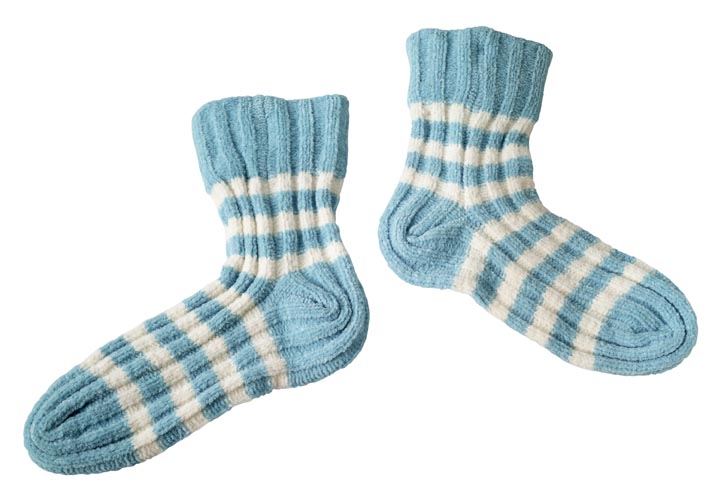
There are victories that arrive with fireworks, trophies, and dramatic music. Then there is the moment you pull a warm sock from the dryer and realizeafter three weeks, four laundry cycles, and several accusations against innocent family membersthat its missing partner has been waiting patiently in the Sock Orphanage Drawer.
You hold the two socks together. The stripes align. The heels match. The tiny worn patch near the toe confirms the relationship. Against all odds, the family is whole again.
The original 1000 Awesome Things entry captures this miniature household miracle in just a few playful lines: a lost friend has returned, nobody knows where it went, and the only reasonable response is celebration. That simplicity is the point. A sock reunion will not change world history, but for several glorious seconds, it can make laundry day feel like a movie with a happy ending.
Welcome to the Sock Orphanage Drawer
Most homes have one, although the official name varies. It may be called the lonely-sock basket, the unmatched-sock bin, the laundry lost-and-found, or “that pile on top of the dryer nobody is allowed to throw away.”
The Sock Orphanage Drawer is where single socks wait for justice. Some have been there since Tuesday. Others have survived multiple seasons, a bedroom renovation, and the replacement of the washing machine. Every resident carries the same hope: one day, its freshly washed brother or sister will tumble back into the household.
Keeping unmatched socks may look like harmless clutter, but it is actually a reasonable system. Laundry travels through several stages: hamper, sorting area, washer, dryer, clean basket, folding surface, bedroom, and drawer. A sock can become separated from its partner at any point. Immediately discarding a single sock assumes the disappearance is permanent when the other half may simply be hiding in a fitted sheet with the strategic skill of a secret agent.
Why a Sock Reunion Feels So Ridiculously Good
It closes an unfinished story
An unmatched sock creates a tiny unresolved problem. It sits in the drawer as a soft cotton question mark. Each time you see it, your brain remembers that something is missing.
When its partner returns, the open loop closes instantly. No shopping is required. No repair appointment is necessary. You simply recognize a familiar pattern, make the match, and enjoy the deeply satisfying click of domestic order being restored.
It turns an ordinary chore into a surprise
Laundry is predictable by design. Dirty clothes go in. Clean clothes come out. The process is useful, but it rarely produces suspense. A recovered sock changes that. Suddenly, the bottom of the laundry basket contains buried treasure.
The delight comes partly from surprise. Joy often appears when something good happens unexpectedly, even when the event is small. Research on savoring suggests that deliberately noticing and mentally celebrating positive moments can help extend the pleasant emotions they create. A sock reunion is therefore an excellent opportunity to pause, smile, announce the discovery to everyone in the house, and behave as though a missing explorer has returned from the Arctic.
It rewards your refusal to give up
The Sock Orphanage Drawer is built on optimism. You kept that faded blue ankle sock because you believed its partner might return. Friends may have mocked you. Minimalists may have suggested “letting go.” Still, you waited.
Then one afternoon, the missing sock falls out of a sweatshirt sleeve.
You were right.
This is not hoarding. This is patience receiving a tiny textile-based dividend.
Where Do Lost Socks Actually Go?
Although dryers receive most of the blame, laundry experts note that a sock can disappear anywhere along the route from the bedroom floor to the dresser. Dryers are generally closed systems, so many “dryer-eaten” socks were actually dropped, trapped, or misfiled before or after drying.
Inside larger clothes
Socks are lightweight and excellent at hiding. They can lodge inside pant legs, sweatshirt sleeves, pajama bottoms, and hoodies. Static may help a dry sock cling to a larger garment, allowing it to travel undetected into the wrong bedroom.
Before declaring a disappearance, shake out every item. Turn pants and shirts right-side out, inspect sleeves, and check the corners of blankets. A sock wrapped inside a T-shirt can remain invisible until somebody wears the shirt and receives an unexpected fabric lump near the shoulder.
Inside fitted sheets, pillowcases, and duvet covers
Bedding is the natural predator of small laundry. A fitted sheet can fold around socks during washing and carry them through the dryer in a damp pocket. Pillowcases and duvet covers can also collect small items, creating what appears to be a successful laundry cycle while secretly transporting three socks and a washcloth.
Common laundry guidance recommends checking inside bedding and larger garments before investigating the appliance itself.
Beside or behind the machines
The transfer from washer to dryer is dangerous territory. Wet laundry sticks together until the exact moment you lift it over the narrow gap between two appliances. Then one sock makes its escape.
Use a flashlight to inspect behind the washer, beneath the dryer, between the machines, and under nearby shelves. Also examine the path between the laundry room and the folding area. A damp sock can fall silently, get kicked beneath a cabinet, and begin a new life among dust bunnies.
Around the washer seal or agitator
In a front-loading washer, small items may become lodged around the rubber door gasket. In some top-loading designs, socks can hide beneath or near the agitator. Appliance specialists also recommend checking accessible filters and seals while following the manufacturer’s maintenance instructions. Do not dismantle a machine unless its manual permits it and you know how to do so safely.
In the wrong person’s drawer
This is especially common in households where several people own similar black, white, or gray socks. The missing partner may not be missing at all. It may have been promoted into somebody else’s wardrobe.
Search children’s drawers, gym bags, guest rooms, overnight luggage, and the clean-clothes basket that everyone pretends not to see. In shared laundry rooms, inspect the machine before leaving; another person’s sock can remain behind, and yours can easily join a stranger’s load.
The Five-Minute Lost-Sock Search
Before moving a single sock into permanent retirement, conduct a quick investigation:
- Shake out large garments. Check pant legs, sleeves, hoodies, and pajamas.
- Turn bedding completely inside out. Pay special attention to fitted-sheet corners and duvet covers.
- Inspect the laundry route. Look beneath baskets, behind doors, and between the washer and dryer.
- Check the machines safely. Examine the door gasket, drum, accessible filter areas, and floor underneath.
- Search the household. Look in other drawers, luggage, gym bags, pet bedding, and under furniture.
If the sock remains missing, place its partner in the orphanage and continue living your life. Interrogating the dryer will not help. It has already requested an attorney.
How to Run an Efficient Sock Orphanage
Give every orphan one clear home
Do not create multiple lonely-sock colonies around the house. Choose one small drawer, basket, or labeled bin near the folding area. When a single sock appears, it goes there immediately.
A clear or open container works well because you can see colors and patterns without emptying the entire collection. Drawer dividers can separate adult socks, children’s socks, athletic socks, and those mysterious tiny socks nobody remembers buying.
Hold regular reunification ceremonies
Once every few weeks, spread the orphans on a bed or table and compare them with newly washed singles. Match by color, length, fabric, cuff style, heel shape, logo, pattern, and wear.
Do not rely on color alone. Manufacturers apparently produce seventeen thousand varieties of “plain black sock,” each differing by one nearly invisible stitch around the ankle.
Set a sensible waiting period
Some people keep unmatched socks forever. Others discard them after one load. A balanced approach is to review the orphanage every two or three months.
Keep distinctive, high-quality, or recently separated socks longer. Retire worn-out singles sooner, especially when the remaining sock is stretched, thin, or beginning to resemble a small fishing net.
How to Prevent Future Sock Separations
Use a zippered mesh laundry bag
The most reliable preventive method is wonderfully unglamorous: place dirty socks in a mesh laundry bag, close it, and wash them together. Major appliance manufacturers and laundry-care publications recommend mesh bags for keeping small items contained and reducing the chance of loss or tangling.
Assign each household member a separate bag, or place one bag beside the hamper and train everyone to put socks directly inside. This removes several opportunities for escape before the washing machine even starts.
Do not overload the washer or dryer
An overstuffed machine makes it harder for clothes to move, rinse, and dry properly. It also creates more folds and pockets where small items can hide. Load laundry loosely and follow the appliance’s capacity guidance rather than testing whether the door can be closed using your knee.
Count distinctive pairs when practical
Nobody needs to perform a formal inventory of every basic white sock. However, counting small children’s socks, expensive wool pairs, compression socks, or specialty athletic socks can reveal a disappearance before the trail goes cold.
Check care labels
Socks made from cotton, wool, synthetics, compression fabric, or delicate fibers may require different temperatures and drying methods. U.S. clothing-care rules require manufacturers to provide appropriate cleaning guidance, so the small label is more useful than its itchy reputation suggests.
Turning everyday socks inside out can expose the areas that collect sweat and skin oils, but delicate or wool socks may need a gentler cycle and air drying. Follow the label rather than applying one heroic hot-water setting to everything you own.
Choose efficient washing and drying habits
Cold water is suitable for many ordinary loads and reduces the energy used for water heating. Air drying, when practical and permitted by the care label, can also save energy and reduce unnecessary heat exposure. ENERGY STAR advises washing in cold water when appropriate, running properly sized loads, and using drying racks or outdoor lines where possible.
These habits will not guarantee lifelong sock loyalty, but they can help clothing last longer while making laundry less wasteful.
Why Reuniting Socks Is Better Than Replacing Them
A sock reunion saves more than a trip to the store. It restores the usefulness of two items at once. One unmatched sock has limited value to a person who prefers matching pairs; finding its partner returns both socks to regular service.
That matters because prematurely replacing usable clothing creates avoidable expense and waste. The reunion costs nothing, requires no packaging, and produces the rare consumer experience in which satisfaction arrives because you did not buy something.
It also reminds us that organization does not always mean throwing things away immediately. Sometimes good organization means creating a sensible waiting place for an incomplete set and allowing enough time for the missing piece to return.
When the Missing Sock Never Comes Home
Not every orphanage story ends with a reunion. Eventually, some socks must accept that their partners have entered the great laundry basket in the sky.
A clean unmatched sock can still be useful. Wear intentionally mismatched socks. Use a sturdy cotton sock as a dusting mitt. Protect a delicate object during storage. Turn colorful children’s socks into simple craft puppets. Place a sock over a cold pack to create a soft barrier against the skin. Use one to hold small game pieces, cords, or travel accessories.
Repurposing should be practical, however. Keeping 47 lonely socks for a future craft project you have avoided since 2018 is no longer an orphanage. It is a textile metropolis.
Experiences From the Sock Orphanage: Three Everyday Reunions
The fitted-sheet ambush
Imagine a striped wool sock that disappears at the beginning of winter. Its partner is too good to discard, so it enters the orphanage drawer. Week after week, the lonely sock waits beside a collection of less distinguished residents: one neon running sock, two toddler socks of unknown origin, and a formal black sock that may have attended a wedding.
Nearly a month later, the striped sock returns during a bedsheet change. It had been wedged deep inside the elastic corner of a fitted sheet, surviving several wash-and-dry cycles without revealing itself. The reunion is immediate. There is no need to compare labels or count stitches. The pattern fits perfectly, and both socks are back on duty before the next cold morning.
The lesson is practical: bedding deserves a thorough shake before it is folded. The emotional lesson is better: sometimes a problem that appears permanent is merely tucked into a badly designed corner.
The tiny sock with an enormous search party
Now consider a household searching for one infant sock. Because infant socks are approximately the size of sandwich crackers, they can disappear almost anywhere. The family checks the washer seal, dryer drum, diaper bag, stroller, changing table, car seat, and every pair of adult pants washed in the same load.
The sock is eventually found inside the sleeve of a baby onesie. It falls onto the floor while the onesie is being dressed, producing a level of excitement normally reserved for championship-winning goals.
The family begins using a zippered mesh bag for baby socks. Dirty socks go directly into the bag, the bag goes through the wash, and the socks emerge as a group. The method is not technologically impressive, but neither is a spoon, and spoons continue to perform excellent work.
The traveler who returned from inside a suitcase
In another common scenario, a favorite athletic sock vanishes after a weekend trip. Its mate is placed in the Sock Orphanage Drawer, where it waits through multiple loads. The suitcase has already been unpacked, so nobody suspects it.
Months later, the suitcase is opened for another trip. The missing sock is discovered behind the fabric lining, apparently having slipped through a small gap near the zipper. It is clean, slightly flattened, and carrying no explanation for its long absence.
The reunited pair feels more valuable than it did before the separation. Nothing about the socks has materially changed, yet the recovery creates a story. They are no longer ordinary athletic socks. They are survivors.
The lesson hidden inside the laundry basket
These experiences are funny because the stakes are low, but their emotional pattern is familiar. We misplace something, assume it is gone, adjust to the loss, and then receive it back unexpectedly. The contrast turns an ordinary possession into a source of delight.
Practicing gratitude does not require pretending every day is perfect. It can mean recognizing moments when a minor irritation resolves itself, a familiar object returns, or a household system finally works. Research reviews have associated gratitude practices with greater positive emotion and life satisfaction, although a sock reunion remains a celebration rather than a substitute for professional mental-health care.
So when the lost sock reappears, do not toss it silently into the drawer. Hold the pair up. Call a witness. Tell the household that the search is over. Perform the reunification ceremony with the seriousness it deserves.
Because life provides plenty of unfinished stories, missing pieces, and disappointing laundry loads. When one small story ends well, we should enjoy it.
Conclusion: Two Socks, One Tiny Triumph
Reuniting a sock from the Sock Orphanage Drawer with its freshly washed partner is awesome because it combines surprise, relief, order, thrift, and comedy in one warm bundle. It proves that mundane chores can still contain discoveries and that saving one unmatched sock is occasionally an act of excellent judgment.
The next time a familiar pattern appears at the bottom of the clean-laundry basket, stop for a moment. Find the waiting partner. Place them together. Appreciate the restored pair.
Then check the fitted sheet. It is probably hiding something else.
Note: Laundry equipment and fabric requirements vary. Follow the care label and appliance manual, unplug machines before inspecting accessible components, and use a qualified technician for internal repairs.