Changing bad eating habits sounds simple until it is 9:47 p.m., you are “just checking the fridge,” and somehow a spoon, a jar of peanut butter, and your dignity are all involved. The truth is, eating habits are not just about food. They are about routines, stress, sleep, convenience, emotions, money, family traditions, marketing, and that one snack drawer that seems to whisper your name like a tiny carbohydrate ghost.
The good news? You do not need a dramatic diet makeover, a color-coded refrigerator, or a personal chef named Pierre. You need a realistic plan that helps you notice what is happening, replace unhelpful patterns, and repeat small wins until they feel normal. Healthy eating is not built from one perfect salad. It is built from the choices you make most often.
This guide breaks down 6 steps to changing bad eating habits in a practical, human way. You will learn how to identify triggers, make smarter swaps, plan meals without overcomplicating life, practice mindful eating, handle setbacks, and build a healthier relationship with food that can actually last.
What Are Bad Eating Habits?
Bad eating habits are repeated patterns that make it harder for your body to get the nutrients, energy, and balance it needs. They may include skipping meals and then overeating later, relying heavily on ultra-processed snacks, drinking sugary beverages often, eating too quickly, using food as the main response to stress, or keeping portions far larger than your body needs.
But here is an important point: “bad” does not mean you are bad. It means the habit is not serving your health, energy, mood, digestion, or long-term goals. A habit can be changed when you understand why it exists. That is much more useful than simply yelling at yourself in the pantry, which, historically, has not been a winning strategy.
Step 1: Reflect Before You Replace
The first step in changing unhealthy eating patterns is to observe them without judgment. Before you try to fix your food choices, study them like a friendly detective. What are you eating? When are you eating? Where are you eating? What are you feeling before you eat? Are you hungry, bored, tired, rushed, lonely, or just standing near chips with no adult supervision?
Keep a Simple Food and Mood Journal
For three to seven days, write down what you eat and drink, the time, your hunger level, and any emotions or situations around the meal. This does not need to be fancy. A phone note works. The goal is not perfection; it is awareness.
You may discover patterns such as:
- You skip breakfast and overeat at lunch.
- You snack heavily while watching TV.
- You drink sweetened coffee drinks when you are tired.
- You order takeout after stressful workdays.
- You eat quickly and miss fullness cues.
Once you see the pattern, you can create a strategy. Without reflection, you are just guessing. With reflection, you are solving the correct problem.
Step 2: Choose One Habit to Change First
One reason many healthy eating plans fail is that people try to change everything at once. Monday morning arrives and suddenly the plan is: no sugar, no fried food, no late snacks, meal prep forever, drink a gallon of water, become a morning person, and learn quinoa pronunciation. That is not a plan. That is a hostage situation.
Instead, choose one habit that gives you the biggest return with the least chaos. This creates momentum and reduces the chance of quitting after three heroic days.
Start With a Small, Specific Goal
Weak goal: “I will eat healthier.”
Stronger goal: “I will replace soda at lunch with water or unsweetened tea five days this week.”
Weak goal: “I will stop snacking.”
Stronger goal: “I will prepare a protein-and-fiber snack for the afternoon, such as Greek yogurt with berries or apple slices with peanut butter.”
Small goals work because they are measurable and realistic. They also help your brain build confidence. Each successful repetition says, “See? We can do this without turning life into a punishment documentary.”
Step 3: Replace, Do Not Just Remove
Removing a habit without replacing it leaves a gap. If your usual 3 p.m. routine is a candy bar and a sweet drink, simply saying “I will not do that anymore” may work for a day or two. Then stress, hunger, and habit will throw a tiny office rebellion.
Replacement is more effective. You keep the function of the habit but improve the choice. If the habit gives you energy, choose a snack that provides steady energy. If it gives comfort, build another comforting routine. If it saves time, prepare convenient healthier options.
Smart Food Swaps That Actually Feel Normal
- Swap sugary drinks for water, sparkling water, or unsweetened iced tea.
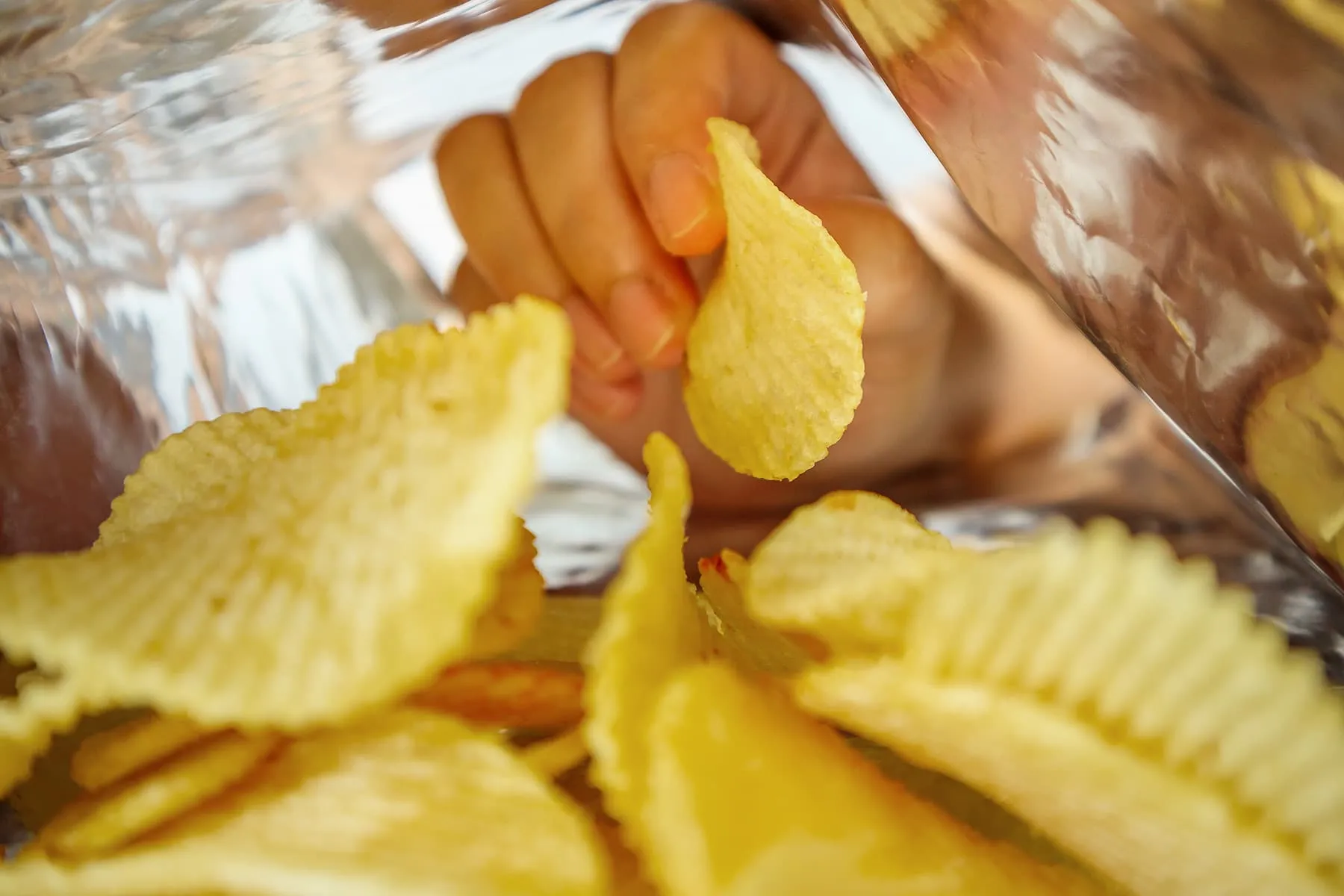
- Swap chips with lunch for roasted chickpeas, nuts, fruit, or crunchy vegetables with hummus.
- Swap refined grains for whole-grain bread, brown rice, oatmeal, or whole-wheat pasta.
- Swap processed meats often for beans, eggs, fish, chicken, turkey, tofu, or lentils.
- Swap sweet desserts every night for fruit with yogurt, a small portion of dark chocolate, or a planned treat a few times per week.
- Swap large restaurant portions for half now and half packed for later.
A healthier eating pattern usually emphasizes vegetables, fruits, whole grains, lean or plant-based proteins, healthy fats, and minimally processed foods. It also limits added sugars, excess sodium, saturated fat, and heavily processed choices. That does not mean your diet must be joyless. It means your everyday meals should do more of the heavy lifting, while treats remain treats instead of the main food group.
Step 4: Build a Better Food Environment
Willpower is overrated when your kitchen is set up like a convenience store at midnight. Your environment strongly influences your eating habits. If healthier foods are visible, easy, and ready, you are more likely to eat them. If cookies are sitting on the counter wearing a spotlight, they have a clear marketing advantage.
Make Healthy Choices the Easy Choices
Try these simple environment upgrades:
- Keep washed fruit where you can see it.
- Store cut vegetables at eye level in the refrigerator.
- Put tempting snacks in opaque containers or less convenient spots.
- Keep a water bottle nearby during work or errands.
- Stock quick meal basics like eggs, canned beans, frozen vegetables, oats, brown rice, tuna, yogurt, and prewashed greens.
- Create a “panic meal” list for busy nights, such as scrambled eggs with vegetables, bean tacos, turkey wraps, or soup with a side salad.
Meal planning does not have to mean cooking 21 perfect meals in matching containers. Start with planning three dinners and two breakfasts for the week. That alone can reduce last-minute takeout decisions, food waste, and the classic “we have nothing to eat” crisis that occurs in front of a refrigerator full of ingredients.
Step 5: Practice Mindful Eating
Mindful eating means paying attention to your food, hunger, fullness, and satisfaction. It is not about eating in slow motion while listening to flute music, unless that is your thing. It is about being present enough to notice whether you are actually hungry, whether the food tastes good, and when your body has had enough.
Simple Mindful Eating Techniques
- Sit down when you eat instead of grazing while standing.
- Pause before eating and ask, “How hungry am I?”
- Eat without scrolling for at least one meal per day.
- Chew slowly enough to taste the food.
- Stop halfway through and check your fullness level.
- Use smaller plates or bowls if large portions are a common issue.
Mindful eating can be especially helpful for emotional eating. If stress is driving the craving, food may not solve the real problem. A snack can satisfy hunger, but it cannot answer emails, resolve conflict, or magically make laundry fold itself. When emotions are the trigger, try a short walk, deep breathing, journaling, calling a friend, stretching, or taking a five-minute break before deciding what to eat.
Step 6: Reinforce Progress and Plan for Setbacks
Changing eating habits is not a straight line. It is more like a hiking trail: progress, rocks, views, mud, more progress, and occasionally wondering why you wore the wrong shoes. Setbacks are not proof that you failed. They are information.
If you overeat at dinner, skip vegetables for two days, or eat a doughnut because the doughnut looked directly into your soul, pause and learn. What happened? Were you too hungry? Too tired? Unprepared? Eating socially? Feeling restricted? The answer helps you adjust the plan.
Use the “Next Meal” Rule
One of the most powerful habits is returning to your routine at the next meal. Not next Monday. Not after the holiday. Not after you have finished all the snacks “so they won’t tempt you anymore,” which is a suspiciously convenient theory. The next meal is your reset button.
Reinforcement also means celebrating progress. Did you cook dinner twice this week? Excellent. Did you drink more water? Great. Did you add vegetables to lunch? That counts. Positive reinforcement helps your brain connect healthy choices with success instead of punishment.
Common Bad Eating Habits and How to Fix Them
Skipping Meals
Skipping meals can lead to intense hunger and overeating later. If mornings are busy, keep quick options ready: overnight oats, a boiled egg and fruit, Greek yogurt, a smoothie with protein, or whole-grain toast with nut butter.
Eating Too Fast
Fast eating can make it harder to notice fullness. Try putting your fork down between bites, taking a sip of water, or setting a goal to make meals last at least 15 minutes.
Too Many Sugary Drinks
Soda, sweet tea, energy drinks, sports drinks, and flavored coffee drinks can add a lot of sugar without making you feel full. Start by replacing one sugary drink per day with water, sparkling water, or unsweetened tea.
Late-Night Snacking
Late-night snacking is often caused by boredom, stress, habit, or not eating enough earlier. Create an evening routine: brush your teeth, make herbal tea, read, stretch, or prepare tomorrow’s breakfast. If you are truly hungry, choose a planned snack with protein or fiber.
All-or-Nothing Dieting
All-or-nothing thinking turns one cookie into “I ruined everything.” You did not. You ate a cookie. The planet continues to rotate. Flexible eating is more sustainable than perfection because real life includes birthdays, restaurants, travel, cravings, and days when the salad looks sad.
How Long Does It Take to Change Eating Habits?
There is no magic number that applies to everyone. Some habits improve within days because the change is simple. Others take weeks or months because they are tied to stress, family routines, sleep, social events, or years of repetition. The key is consistency, not speed.
Focus on making the habit easier to repeat. A healthy breakfast you can make in three minutes beats an elaborate breakfast you make once and then abandon. A 10-minute meal plan beats a perfect system that requires a spreadsheet, a laminator, and emotional support.
of Real-Life Experience: What Changing Bad Eating Habits Often Feels Like
In real life, changing bad eating habits rarely begins with a dramatic announcement. More often, it begins with a small moment of honesty. Maybe you notice you feel sluggish every afternoon. Maybe your jeans have become a little too motivational. Maybe your doctor mentions cholesterol, blood sugar, blood pressure, or weight in a tone that says, “We should talk.” Or maybe you are simply tired of feeling controlled by cravings and convenience.
One common experience is realizing that the problem is not a lack of knowledge. Most people already know that vegetables are helpful and soda is not exactly a wellness elixir. The challenge is execution. You know what to do, but life keeps interrupting. Work runs late. Kids need attention. Groceries disappear. Stress arrives. Suddenly dinner is whatever can be delivered fastest, and future-you is left negotiating with heartburn.
A practical turning point is learning to make healthy eating easier rather than trying to become a completely different person. For example, someone who always skipped breakfast may not succeed by planning a gourmet vegetable omelet every morning. But they might succeed by keeping yogurt, bananas, boiled eggs, or oatmeal available. Someone who snacks at night may not need a lecture about discipline. They may need a better dinner, an evening routine, and fewer trigger foods sitting in plain sight.
Another real experience is emotional resistance. Food is personal. It is comfort, culture, celebration, memory, and sometimes the easiest reward after a hard day. Changing eating habits can feel like losing something. That is why replacement matters. If Friday night pizza is family tradition, the goal may not be to cancel pizza forever. It may be to add a salad, enjoy two slices instead of four, choose a thinner crust, or cook at home the other nights. Sustainable change leaves room for joy.
People also learn that progress can be quiet. There may be no movie montage. You simply pack lunch three times in one week. You choose water at lunch. You stop eating when comfortably full. You buy fruit and actually eat it before it becomes a science experiment. These small wins may not feel exciting, but they are powerful because they prove you can trust yourself.
Setbacks are part of the experience, too. A vacation, stressful week, holiday, or family event can disrupt the routine. The difference between temporary and permanent change is how quickly you return. People who succeed long term do not avoid every slip. They recover faster. They stop turning one imperfect meal into a week of “might as well.” They learn to say, “That happened. Next meal, back to basics.”
The biggest lesson is that healthy eating is not about becoming perfect. It is about becoming more aware, prepared, and consistent. Over time, the new habits feel less like rules and more like self-respect. You start choosing foods not because you hate your body, but because you want to feel better living in it.
Conclusion
Changing bad eating habits is not about punishment, perfection, or deleting every fun food from your life. It is about building a better system. Start by reflecting on your current patterns. Choose one habit to change first. Replace old routines with healthier options. Design your kitchen and schedule to support better choices. Practice mindful eating. Then reinforce progress, learn from setbacks, and keep going.
The best healthy eating plan is not the strictest one. It is the one you can repeat on a normal Tuesday when work is busy, the dishes are waiting, and your snack drawer is trying to negotiate. Small steps, repeated often, can become powerful changes. Your future self does not need you to be perfect today. Your future self just needs you to begin.