Important: No home remedy can reliably or safely stop every atrial fibrillation episode. The steps below can help you stay safe, reduce strain on your heart, follow an established treatment plan, and recognize when professional treatment is needed.
Your heart normally runs on a carefully timed electrical system. During atrial fibrillation, commonly called AFib, the upper chambers of the heart receive disorganized electrical signals. Instead of squeezing in a coordinated rhythm, they quiver, leaving the lower chambers to beat irregularly and sometimes rapidly.
An episode may feel like fluttering, pounding, skipped beats, weakness, fatigue, dizziness, shortness of breath, or a strange fish-flopping-around sensation in the chest. Some people, however, feel nothing at all. AFib is the most common sustained heart arrhythmia, and it can increase the risk of blood clots, stroke, heart failure, and other complications.
When an episode begins, it is understandable to want an instant off switch. Unfortunately, the heart does not come with a convenient “restart router” button. Some episodes of paroxysmal AFib stop on their own, while others require medication or electrical cardioversion. The safest response depends on your symptoms, medical history, medications, episode duration, and the action plan created with your healthcare provider.
First, Know When AFib Is an Emergency
Do not spend valuable time trying breathing exercises, drinking water, or searching the internet when serious symptoms are present. Call 911 immediately if an irregular heartbeat occurs with any of the following:
- Chest pain, pressure, squeezing, or heaviness
- Severe or worsening shortness of breath
- Fainting, near-fainting, or inability to remain standing
- Sudden weakness or numbness, particularly on one side
- Facial drooping, difficulty speaking, or confusion
- Sudden vision problems, loss of balance, or a severe headache
- Cold sweats, pale skin, or signs of shock
- A very rapid heartbeat accompanied by severe dizziness or weakness
These symptoms may indicate a heart attack, stroke, dangerously low blood pressure, or another unstable arrhythmia. Emergency medical services can monitor the rhythm and begin treatment while transporting you. Driving yourself is not the moment to demonstrate independence.
A first-ever suspected AFib episode also deserves prompt medical evaluation. Palpitations can be caused by AFib, atrial flutter, supraventricular tachycardia, medication effects, thyroid disease, anemia, dehydration, low blood sugar, or other conditions. An electrocardiogram is generally needed to identify the rhythm accurately.
Way 1: Stop Exertion, Sit Down, and Slow Your Breathing
If you have previously been diagnosed with AFib, your symptoms are mild, and your clinician has told you that home observation is appropriate, begin by stopping whatever you are doing. Sit in a supported chair or lie down somewhere safe. Loosen tight clothing and avoid walking around to repeatedly check whether the rhythm has changed.
Use Calm, Natural Breathing
Breathe in gently through your nose for approximately four seconds, then breathe out slowly for about six seconds. Continue for several minutes without holding your breath or forcing it. The purpose is not to perform a dramatic maneuver. It is to reduce anxiety, avoid hyperventilation, and limit the adrenaline surge that can make palpitations feel more intense.
Stress and palpitations can create an unpleasant feedback loop. The irregular rhythm creates alarm, the alarm increases adrenaline, and the additional adrenaline makes the heartbeat feel even more noticeable. Calm breathing may interrupt that cycle and make symptoms easier to tolerate while you assess the situation. It may also help lower a stress-related increase in heart rate, but it cannot be counted on to convert AFib to a normal rhythm.
Check What Is Actually Happening
Note the time the episode started. If possible, check your pulse once rather than every 20 seconds. Record the approximate rate, whether it feels irregular, and any accompanying symptoms. A personal ECG device or smartwatch may provide useful information, but a wearable alert should not be treated as a complete medical diagnosis.
Save an ECG tracing when your device supports that feature. Your cardiologist may find the tracing useful, especially when episodes are brief and disappear before an office appointment. Do not let a normal-looking wearable result overrule serious symptoms, however. Consumer devices can miss arrhythmias or produce inconclusive readings.
Avoid Aggressive “Heart Reset” Tricks
Do not massage your neck, plunge your face into ice water, repeatedly bear down, or attempt “cough CPR” unless a qualified clinician has specifically taught you an appropriate maneuver for a diagnosed rhythm. Vagal maneuvers are more commonly used for certain forms of supraventricular tachycardia, not as a dependable home treatment for AFib. The American Heart Association has also warned that so-called cough CPR is not a substitute for emergency care.
Way 2: Follow Your Clinician-Approved AFib Action Plan
The most effective home response is often the least glamorous: follow the written plan provided by your cardiologist or electrophysiologist. That plan may explain which medication to take, when to call the office, how long to observe symptoms, and when to seek emergency care.
Take Only the Medication You Were Prescribed
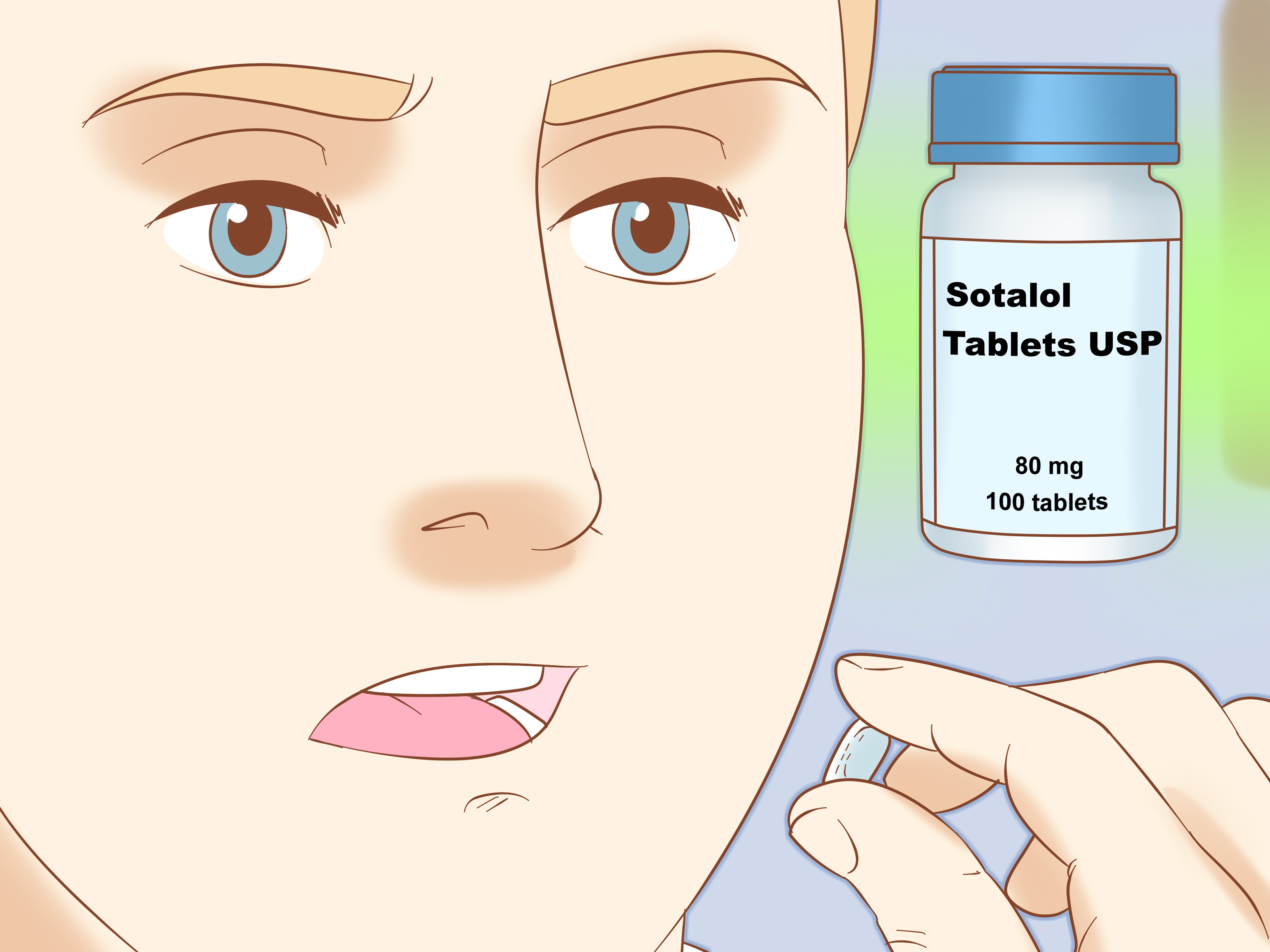
Some people use daily medications that slow the ventricular rate, such as a beta blocker or certain calcium channel blockers. Others take rhythm-control medication. A carefully selected group may be given a “pill-in-the-pocket” plan, in which a prescribed antiarrhythmic medication is taken shortly after an episode begins.
A pill-in-the-pocket strategy is not a do-it-yourself experiment. Drugs used for this purpose can occasionally produce dangerous rhythms, excessively slow the heartbeat, or interact with other medications. The approach should be prescribed after a clinician confirms that it is appropriate, and the first dose is often tested in a monitored setting. Current AFib guidelines recognize this strategy for selected patients, not for everyone with a fluttery chest and access to somebody else’s medicine cabinet.
Never double a dose because the first tablet did not work quickly enough. Do not take an extra beta blocker, calcium channel blocker, digoxin, or antiarrhythmic drug unless your action plan specifically instructs you to do so. An additional dose can cause low blood pressure, an overly slow heart rate, heart block, or other complications.
Do Not Stop Your Blood Thinner
Anticoagulants do not immediately stop AFib. Their job is different but critically important: they reduce the chance that a blood clot will form and cause a stroke. Continue taking your anticoagulant exactly as prescribed unless a healthcare professional tells you otherwise.
Do not substitute aspirin for a prescribed anticoagulant. Current guidelines do not recommend aspirin as an alternative for stroke prevention in AFib patients who qualify for anticoagulation. Stroke prevention decisions depend on individual risk factors and should be made with a clinician.
Know What Medical Treatment May Involve
When AFib does not stop or causes significant symptoms, professional treatment may include medication to control the heart rate, medication to restore normal rhythm, or synchronized electrical cardioversion. Cardioversion delivers controlled energy to reset the rhythm and is performed with monitoring and appropriate preparation.
The duration of AFib matters because blood clots can form in the atrium. Cardioversion could dislodge a clot and cause a stroke, so clinicians may need to consider anticoagulation, imaging, episode timing, and individual stroke risk before restoring the rhythm. Do not arrange an improvised “shock” at homeyes, this apparently needs to be said.
Way 3: Remove Immediate Triggers and Escalate Care Appropriately
Removing a possible trigger will not guarantee that an active episode stops, but it may prevent the heart rate from climbing further and can reduce the likelihood of another episode. Think of this step as taking away the matches after the electrical system has already become a little too enthusiastic.
Avoid Common Aggravators
During an episode, avoid alcohol, nicotine, energy drinks, recreational stimulants, and decongestants containing stimulating ingredients. Do not perform intense exercise in an attempt to “sweat out” AFib. Rest until your rhythm and symptoms have been evaluated according to your care plan.
Alcohol is a particularly well-recognized AFib trigger. Current guidelines encourage minimizing or eliminating alcohol to reduce AFib burden. Caffeine sensitivity varies; ordinary amounts do not trigger AFib in everyone, but consuming more caffeine during an active episode is unlikely to improve the afternoon.
Hydrate Sensibly, Not Heroically
If you have been sweating, vomiting, experiencing diarrhea, or spending time in hot weather, dehydration may contribute to palpitations. Drink water gradually if you are permitted normal fluid intake. Avoid chugging several large bottles at once.
People with heart failure, kidney disease, low sodium, or prescribed fluid restrictions should follow their clinician’s instructions rather than generic hydration advice. Sports drinks and electrolyte supplements are not automatically safer; some contain substantial sugar, sodium, potassium, caffeine, or other ingredients that may be inappropriate for certain patients.
Use a Clear Escalation Rule
Contact your cardiology team when an episode lasts longer than the limit in your personal plan, becomes more frequent, produces new symptoms, or no longer responds to the treatment that usually works. Seek urgent evaluation when you cannot reach your clinician and the episode is prolonged, your resting heart rate remains unusually high, or you feel progressively worse.
Paroxysmal AFib episodes end within seven days, either spontaneously or with treatment, but that definition is not permission to remain symptomatic at home for a week. Earlier rhythm management may improve the chance of maintaining normal rhythm and may help prevent progression in appropriate patients.
What Not to Do During an AFib Episode
- Do not ignore chest pain, fainting, stroke symptoms, or severe breathlessness.
- Do not take another person’s heart medication.
- Do not take extra doses unless your written plan permits them.
- Do not stop anticoagulants because the episode ended.
- Do not rely solely on a smartwatch to decide whether you are safe.
- Do not use alcohol as a sedative.
- Do not exercise intensely to force the rhythm back to normal.
- Do not attempt neck massage or internet-famous “heart hacks.”
Preventing the Next AFib Episode
Stopping an episode is only one part of AFib management. The long-term goals are to control symptoms, reduce stroke risk, prevent heart failure, and limit progression of the condition.
Evidence-based management may include maintaining a healthy weight, exercising regularly at a clinician-approved level, controlling blood pressure, stopping tobacco use, limiting alcohol, treating sleep apnea, managing diabetes, and taking medications consistently. The 2023 U.S. guideline treats lifestyle and risk-factor modification as a central pillar of AFib care rather than decorative advice attached to the bottom of a discharge sheet.
Keep an Episode Log
Record the date, start time, approximate duration, symptoms, pulse, medications taken, sleep quality, alcohol intake, illness, unusual stress, and physical activity. Patterns may eventually emerge. A log is more useful when it contains simple observations rather than a detective board covered in red string.
Bring the record and any saved ECG tracings to medical appointments. A clinician may recommend a Holter monitor, event monitor, medication adjustment, cardioversion, or catheter ablation based on the frequency and severity of episodes.
Experience-Based Scenarios: What These Steps Look Like in Real Life
The following scenarios are composites created for education. They do not describe specific patients and should not replace individualized medical advice.
Experience 1: The Stressful Workday Episode
Imagine someone with previously diagnosed paroxysmal AFib who notices familiar fluttering after rushing between meetings. The natural first reaction is panic: Is this dangerous? Is the heart getting faster? Should every family member receive an immediate group text?
Instead, the person stops walking, sits in a quiet room, and checks for emergency symptoms. There is no chest pain, fainting, severe shortness of breath, or one-sided weakness. The episode feels similar to previous episodes that the cardiologist has evaluated.
The person notes the start time, performs several minutes of slow breathing, and saves a wearable ECG. The rhythm does not instantly become normal, but the anxiety decreases and the heart rate becomes less uncomfortable. The episode ends spontaneously after following the observation instructions in the established action plan.
The lesson is not that breathing “cured” AFib. The useful experience is that stopping exertion, reducing panic, documenting the episode, and following a personalized plan prevented unsafe improvisation.
Experience 2: The Weekend Trigger Pattern
Another person notices that episodes tend to occur after late dinners involving several alcoholic drinks, little water, and poor sleep. Each individual factor may seem harmless, but together they form a rather effective recipe for an unhappy cardiovascular system.
When the familiar irregular rhythm appears, the person stops drinking alcohol, rests, hydrates gradually because no fluid restriction exists, and follows the clinician’s instructions. The episode still requires a call to the cardiology office because it lasts longer than usual.
Over the following months, the person reduces alcohol intake, improves sleep, and continues prescribed treatment. The episode log shows fewer attacks. The important experience is that trigger management works best as prevention. Avoiding another drink during an episode may remove an aggravating factor, but long-term habit changes are more likely to reduce AFib burden.
Experience 3: The Prescribed Rescue Plan
A third person has undergone a full cardiac evaluation and has a written pill-in-the-pocket plan. The cardiologist has explained the exact medicine, dose, maximum frequency, warning signs, and time limit for seeking care. The first dose was previously tested under medical supervision.
When a typical episode begins without emergency symptoms, the person records the onset, takes the prescribed medication exactly as directed, and rests. No extra tablet is added when the rhythm does not change within ten minutes. The person understands that antiarrhythmic medicine is not an antacid and should not be repeatedly sampled until something happens.
The rhythm returns to normal within the expected period. The person records the outcome and informs the clinic as instructed. During a later episode, however, chest pressure appears. This time the rescue plan is set aside and emergency services are called immediately.
The experience highlights the difference between responsible self-management and false confidence. A personalized plan can make selected AFib episodes easier to manage, but new or severe symptoms always change the equation.
Experience 4: The First Episode That Should Not Be Self-Diagnosed
Finally, consider someone with no AFib diagnosis who suddenly develops a rapid, irregular-feeling heartbeat. A smartwatch displays an AFib warning. Because the person recently read an article about hydration, the temptation is to drink water and wait.
Instead, the person obtains prompt medical evaluation. An ECG identifies the rhythm, and clinicians investigate possible contributing factors such as thyroid disease, blood pressure, medication use, sleep apnea, and structural heart problems. Stroke risk is assessed, and an appropriate treatment plan is created.
The key experience is simple: the first step in managing AFib is confirming that the rhythm actually is AFib. Similar sensations can come from several conditions, and treatment that is appropriate for one arrhythmia may be ineffective or unsafe for another.
Frequently Asked Questions
Can deep breathing stop AFib?
Deep or slow breathing may reduce anxiety and a stress-related increase in heart rate, making an episode feel less intense. It is not a reliable method for converting AFib to a normal rhythm.
Can drinking water stop an AFib episode?
Water may help when dehydration is contributing to palpitations, but it does not directly reset the heart’s electrical rhythm. People with fluid restrictions should follow their medical instructions.
Should I go to the emergency room every time?
Not necessarily, if you have a confirmed diagnosis, mild familiar symptoms, and a clinician-approved home plan. Emergency care is necessary for chest pain, fainting, serious breathing difficulty, stroke symptoms, severe weakness, or other signs of instability.
How is an episode medically stopped?
Depending on the situation, clinicians may use rhythm-control medication or synchronized electrical cardioversion. Some episodes end spontaneously. Rate-control treatment may reduce the heart rate without immediately restoring normal rhythm.
Why does the episode duration matter?
The longer AFib continues, the more treatment planning may be affected by stroke risk, anticoagulation status, and the possibility of an atrial blood clot. Contact a healthcare professional according to your individual action plan rather than choosing a universal time limit from the internet.
Conclusion
The three safest responses to an atrial fibrillation episode are to stop exertion and calmly assess your symptoms, follow only your clinician-approved medication plan, and remove immediate aggravators while escalating care when necessary. These actions may make an episode easier and safer to manage, but no breathing technique, beverage, supplement, or viral internet trick can guarantee that AFib will stop.
Work with a cardiologist or electrophysiologist to create a written action plan before the next episode occurs. Include emergency warning signs, medication instructions, a contact number, and a clear point at which home observation should end. When your heart goes off-script, a prepared plan is far more useful than improvisational medicine.