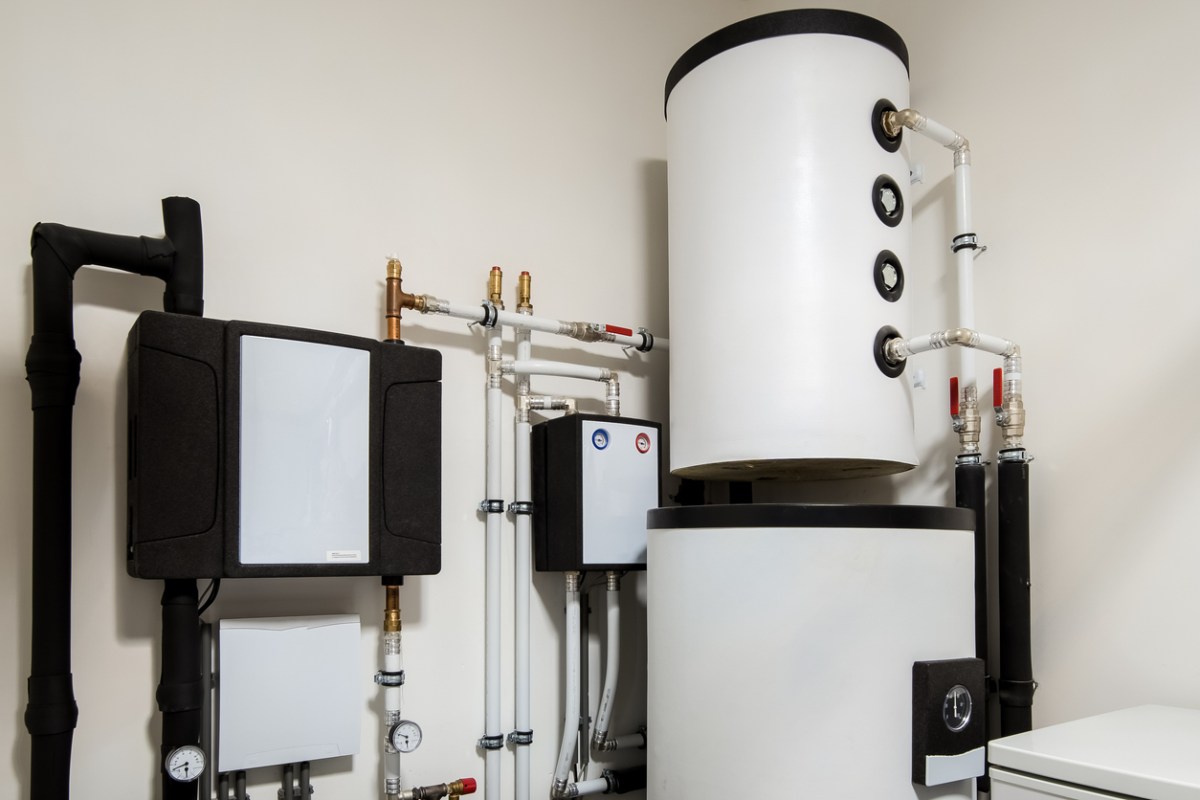
Hot water is one of those household comforts nobody appreciates until the shower suddenly becomes an Arctic character-building exercise. It is also expensive: water heating is commonly one of a home’s largest energy uses. A heat pump water heater offers a smarter solution by pulling warmth from the surrounding air and transferring it into the tank instead of creating all its heat with electric resistance elements.
ENERGY STAR estimates that a certified heat pump water heater can use about 70% less energy than a standard electric model. Actual savings vary with electricity rates, climate, household demand, operating mode, and installation quality, but the potential is substantial.
This guide compares six leading models sold in the United States, focusing on efficiency, first-hour hot-water delivery, noise, controls, leak protection, installation flexibility, warranty coverage, and one very practical concern: whether everyone can shower before 8 a.m. without starting a family feud.
Best Heat Pump Water Heaters at a Glance
| Model | Best For | Notable Efficiency | Key Strength |
|---|---|---|---|
| Rheem ProTerra | Best overall | Up to about 4.07 UEF | Efficiency, availability, and smart protection |
| A. O. Smith Voltex AL 50 | Best leak-protection package | About 3.88 UEF | Quiet operation and connected monitoring |
| GE Profile GEOSPRING FlexCapacity | Best advanced technology | About 4.3 UEF | Flexible power options and extra usable hot water |
| Bradford White AeroTherm G2 | Best professional installation | Up to about 4.20 UEF | High efficiency with dealer support |
| LG Inverter Heat Pump Water Heater | Best inverter design | About 3.75 UEF | Smooth operation and Turbo Mode |
| Stiebel Eltron Accelera 300 E | Best heat-pump-first design | Roughly 3–5 units of heat per unit of electricity in suitable conditions | Large tank with limited backup-element use |
How We Chose These Models
UEF, or Uniform Energy Factor, measures overall water-heating efficiency under a standardized federal test; higher is better. However, efficiency alone does not guarantee comfort. We also compared first-hour rating, tank capacity, recovery modes, sound, app controls, leak protection, warranty terms, voltage requirements, service access, and current U.S. availability. A laboratory superstar is less exciting when replacement parts require a treasure map and three carrier pigeons.
1. Rheem ProTerra Hybrid Electric Heat Pump Water Heater
Best Overall
Rheem’s ProTerra line is the most balanced choice for many households. It is widely available, comes in several capacities, and combines strong efficiency with familiar hybrid operating modes. Certain models reach roughly 4.07 UEF, while premium versions add Wi-Fi controls, energy-use tracking, leak detection, and automatic shutoff.
Selected models operate around 45 dBA, making them reasonable for a garage, basement, or enclosed utility area with adequate ventilation. They are not silenta fan and compressor live on topbut they sound more like a quiet refrigerator than a lawn mower reconsidering its life choices.
- Common 40-, 50-, 65-, and 80-gallon classes
- EcoNet app support on connected models
- Leak detection and shutoff on select versions
- Broad retail and contractor availability
Watch for: Tall dimensions, airflow needs, condensate drainage, and electrical requirements. Measure the room, doorway, and ceiling before ordering.
Best for: Buyers wanting a mainstream, efficient, feature-rich replacement for a standard electric tank.
2. A. O. Smith Voltex AL 50-Gallon Smart Hybrid
Best for Leak Protection
The Voltex AL 50-gallon model combines approximately 3.88 UEF with a 65-gallon first-hour rating and rated sound near 45 dBA. Its iCOMM connectivity supports temperature changes, mode selection, alerts, and diagnostics. It also carries a 10-year limited tank-and-parts warranty.
The leak-protection package is especially useful in finished basements or interior utility rooms. It includes leak detection and alerts, plus compatibility with an automatic shutoff valve. Tank-protection features include a smart anode and corrosion-resistant components, though local water chemistry and maintenance still affect lifespan.
- Strong hot-water delivery from a 50-gallon tank
- Quiet rated operation
- Connected diagnostics and leak alerts
- Professional-grade construction and warranty
Watch for: The professional Voltex line is often sold through contractors or wholesalers, so the installed quote may be higher than a retail-only comparison suggests.
Best for: Homeowners who prioritize water-damage protection and professional installation.
3. GE Profile GEOSPRING 50-Gallon FlexCapacity
Best Advanced Technology
The new-generation GE Profile GEOSPRING is one of the most interesting options on the market. The 50-gallon 240-volt FlexCapacity model is rated around 4.3 UEF and as low as 41 dBA. GE also offers 120-volt configurations, and convertible designs can simplify some gas-to-electric replacements where installing a new 240-volt circuit would be expensive.
FlexCapacity stores hotter water and mixes it down at delivery, increasing usable hot-water output without requiring an 80-gallon footprint. Wireless leak detection, a smart shutoff valve, connected controls, demand-response capability, and multiple operating modes complete the package.
- High efficiency and low rated sound
- 120-volt and 240-volt installation paths
- More usable hot water from a compact tank
- Modern leak protection and utility connectivity
Watch for: As a newer product generation, long-term field history and installer familiarity are less extensive than with older lines.
Best for: Tech-focused buyers, compact spaces, and selected gas-to-electric conversions.
4. Bradford White AeroTherm G2 65-Gallon
Best Contractor-Installed Choice
Bradford White traditionally sells through plumbing professionals, and that service-first approach is a major advantage. The AeroTherm G2 comes in 50-, 65-, and 80-gallon capacities, with the 65-gallon model reaching up to approximately 4.20 UEF.
Five modesHeat Pump, Hybrid, Hybrid Plus, Electric, and Vacationlet owners balance efficiency and recovery speed. Bradford White Wave connectivity supports remote temperature control, schedules, and energy tracking, while an optional ducting kit expands installation flexibility.
- Excellent efficiency in the 65-gallon size
- Three practical capacities and five modes
- Optional ducting
- Professional dealer and plumbing support
Watch for: Pricing and availability generally require local contractor quotes rather than a simple shelf-price comparison.
Best for: Homeowners who value professional sizing, installation, and long-term service relationships.
5. LG Inverter Heat Pump Water Heater
Best Inverter-Based Design
LG applies variable-speed inverter experience from the HVAC world to water heating. Its roughly 58-gallon unit is rated around 3.75 UEF, with first-hour delivery near 66 gallons in normal operation and up to approximately 80 gallons in Turbo Mode. Turbo combines heat-pump operation with backup electric resistance when demand spikes.
The inverter compressor adjusts output instead of operating only at full power or completely off, helping reduce abrupt cycling and supporting quiet operation. The ThinQ app provides remote monitoring, temperature changes, and mode control.
- Dual-inverter compressor technology
- Turbo Mode for temporary high demand
- ThinQ smart-home integration
- Simple digital controls
Watch for: Dealer coverage and technician familiarity vary. Confirm local service before buyingnot during a cold Monday morning.
Best for: Smart-home users who appreciate inverter technology and smooth operation.
6. Stiebel Eltron Accelera 300 E
Best Heat-Pump-First Choice for Large Households
The Accelera 300 E uses a large 80-gallon tank so the heat pump can do most of the work. Stiebel Eltron says the compressor and fan can generate the equivalent of roughly three to five watts of water-heating output for each watt consumed under suitable conditions.
A single backup element sits near the top of the tank, where it can quickly heat the water drawn first. Heavy insulation reduces standby losses, and a wraparound condenser keeps refrigerant separate from potable water. The unit includes a 10-year warranty.
- True 80-gallon capacity
- Low reliance on resistance heat
- Large reserve for family demand
- Strong insulation and thoughtful tank design
Watch for: It is physically large, premium priced, and less focused on app-heavy features. Check headroom and access carefully.
Best for: Efficiency-minded households with enough space and ambient air for a large heat-pump-first system.
How to Choose the Right Heat Pump Water Heater
Size for Peak Demand, Not Just Head Count
A 50-gallon model often suits two to four people with moderate demand. A 65-gallon unit offers more room for three to five people, while an 80-gallon tank is safer for large families, high-flow fixtures, or back-to-back showers. Lifestyle matters more than a simple occupant chart. Three people filling a soaking tub and running laundry at 7 a.m. may need more capacity than five people with staggered schedules.
Inspect the Installation Space
Heat pump water heaters need air and produce cool, dry exhaust. Garages, basements, and larger utility rooms are usually ideal. Small closets may require louvered doors or ducting. Plan for condensate drainage, service clearances, ceiling height, noise, and the path used to bring the tank indoors. Colder ambient air also reduces efficiency and can increase backup-element use.
Choose 120 Volts or 240 Volts Carefully
A 120-volt plug-in model can simplify a gas replacement by avoiding a new high-voltage circuit, but it may recover more slowly. A 240-volt hybrid provides stronger backup heating and is generally safer for high-demand households.
Compare Total Installed Cost
Budget for more than the tank. Electrical work, permits, a drain pan, condensate piping, plumbing changes, disposal, ducting, and expansion-tank work may affect the quote. State and utility rebates can help, but programs and eligibility change frequently.
Real-World Ownership Experiences: What Living With One Is Actually Like
The first thing many owners notice is not the lower electric bill. It is the breeze. A heat pump water heater pulls warmth from the room and releases cooler, drier air. In a humid basement, that can feel like receiving a small dehumidifier as a free side dish. In a cold utility room, the exhaust may make winter laundry duty more adventurous. Location determines whether the effect feels useful or annoying.
The second adjustment is learning that operating modes matter. Some new owners select High Demand or Electric mode and leave it there because recovery is fast. The showers remain glorious, but the expected energy savings quietly pack a suitcase and leave. Heat Pump or Hybrid mode is usually the better everyday setting. High-demand modes make more sense before guests arrive or during an unusually busy morning.
Sizing has a larger effect on satisfaction than many buyers expect. Imagine two homes. The first has four people who shower at different times, use low-flow fixtures, and run the dishwasher overnight. A 50-gallon hybrid may serve them comfortably. The second has three people who shower consecutively, fill a deep tub, and wash sports uniforms immediately afterward. That household may be happier with 65 or 80 gallons even though it has fewer occupants. Lifestyle beats head count.
Owners also learn to treat the air filter as a maintenance item rather than decorative mesh. Dust restricts airflow, makes the compressor work harder, and reduces efficiency. A quick filter check every few months is usually simple, especially compared with the ancient homeowner tradition of ignoring equipment until it makes a noise best described as “financially concerning.” Periodic tank flushing and anode inspection may also be appropriate depending on the model and local water quality.
Noise is subjective. A low-40-dBA unit may disappear into normal garage sounds, yet the same hum can be noticeable through a thin bedroom wall. Installation quality matters: the tank should be level, pipes should not transmit vibration into framing, and ducts should be properly sized. Listening to an operating model can be more useful than reading a decibel number alone.
Smart controls are most valuable for alerts and schedules, not constant thermostat fiddling. Leak notifications can prevent damage, vacation mode cuts waste, and time-of-use schedules may shift heating away from expensive utility periods. After the novelty wears off, most owners stop opening the app every daywhich is a compliment. The appliance becomes boring, and boring hot water is excellent hot water.
The happiest owners usually have a properly sized unit in a suitable location, installed by someone familiar with heat pump water heaters. The unhappiest force a small model into an air-starved closet, buy only because a rebate deadline is approaching, and assume every plumber services every brand. Confirm airflow, electrical needs, drainage, service access, and local support first. Those checks are not glamorous, but neither is explaining why the new “energy-saving miracle” needs hours to recover after Uncle Mike’s legendary shower.
Final Verdict
For most households, the Rheem ProTerra offers the best balance of efficiency, availability, controls, and installer familiarity. A. O. Smith is particularly strong for leak protection, GE Profile stands out for advanced features and flexible electrical options, Bradford White excels through professional support, LG offers refined inverter operation, and Stiebel Eltron rewards households with room for a large heat-pump-first system.
The best model is not automatically the one with the highest UEF. It is the unit that fits peak demand, installation space, electrical service, climate, local support, and budget. Get those pieces right, and lower bills can follow without turning morning showers into a negotiation.