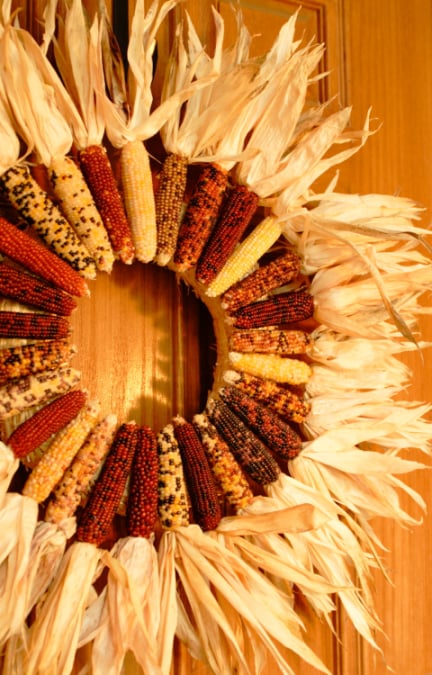
Fall decorating has a sneaky way of beginning with one innocent pumpkin and ending with a shopping cart full of velvet acorns, decorative ladders, and a ceramic squirrel wearing spectacles. Fortunately, a warm autumn home does not require a seasonal spending spree. The best frugal DIY fall decorating projects use what you already own, what nature is dropping for free, and a few inexpensive supplies that can return for an encore next year.
This collection includes more than 30 easy fall crafts for the porch, mantel, table, walls, and cozy corners. Most can be completed in an afternoon, many are beginner-friendly, and several cost almost nothing. Choose a restrained palette, repeat a few materials throughout the house, and let texture do the heavy lifting. Your home will feel autumnal without looking as though a pumpkin truck backed through the front door.
Before You Start: The Frugal Fall Decorating Formula
Begin with a quick inventory. Gather glass jars, baskets, trays, scrap fabric, old books, empty cans, leftover paint, twine, paper bags, and frames you already own. Then collect clean, dry natural materials such as branches, pinecones, acorns, seedpods, and colorful leaves. Add only the supplies needed to connect or finish those items: floral wire, removable hooks, craft paint, ribbon, and glue.
A simple color plan makes inexpensive materials look intentional. Try rust, cream, olive, and brown for a classic harvest mood; black, tan, and copper for modern fall decor; or burgundy, plum, and muted gold for a richer look. Repeating three or four colors is usually more polished than inviting every shade of orange to the party.
Easy DIY Fall Decorations Using Natural Materials
1. Foraged Branch Arrangement
Place a few sculptural branches in a tall vase, crock, or thrifted pitcher. Bare branches look minimalist, while leafy stems add color. Weight a lightweight container with pebbles so the arrangement does not attempt an escape every time the door opens.
2. Pressed-Leaf Gallery
Press dry leaves between heavy books, then mount them on cream cardstock inside frames you already own. A group of three or five frames creates an elegant seasonal gallery wall for very little money.
3. Pinecone Bowl Filler
Clean and thoroughly dry collected pinecones, then pile them into a wooden bowl or shallow basket. Mix in a few walnuts, faux berries, or cinnamon sticks for contrast. The result is simple, textural, and gloriously free of glitter fallout.
4. Acorn Napkin Rings
Wire or glue two clean acorns to a loop of jute twine, then tie the loop around a folded cloth napkin. These tiny details make an everyday dinner feel festive without requiring special seasonal tableware.
5. Twig Star or Leaf
Arrange small twigs into a star, leaf outline, or simple geometric shape. Secure the intersections with thin wire or hot glue and hang the finished piece with ribbon. Imperfect twigs are a feature, not a manufacturing defect.
6. Dried-Grass Bundles
Gather ornamental grass, wheat-like stems, or dried garden clippings and tie them into small bundles. Display them in bottles, tuck them into a wreath, or lay one at each place setting.
7. Leaf Garland
Attach pressed leaves to twine with tiny clothespins, paper clips, or small dots of glue. Drape the garland across a mantel, mirror, or open shelf. Faux leaves work better outdoors or in humid rooms.
8. Pinecone Place-Card Holders
Slide handwritten name cards between the scales of stable pinecones. Trim the base slightly only when necessary, and set each one on a small felt circle to protect the table.
Frugal Pumpkin Projects Without Fancy Supplies
9. Chalk-Painted Thrift-Store Pumpkins
Give dated ceramic or plastic pumpkins a coat of leftover matte paint. Cream, sage, charcoal, and terracotta create a coordinated collection even when the original pieces came from five different decades.
10. Sweater-Sleeve Pumpkins
Cut a section from an old sweater sleeve, gather one end, fill it with fabric scraps, and close the top around a twig stem. Use damaged sweaters that cannot be donated; no healthy cardigan should be harmed for seasonal decor.
11. Paper-Bag Pumpkins
Stuff a kraft lunch bag with crumpled paper, twist the top into a stem, and shape the body with twine. Lightly dry-brush the ridges with paint for depth. Make several in different sizes for a nearly free centerpiece.
12. Book-Page Pumpkins
Trace half a pumpkin on the edge of a damaged paperback, cut through the pages, fan the book open, and glue the covers together. Use books headed for recycling rather than slicing into a perfectly readable favorite.
13. Decoupage Leaf Pumpkins
Apply tissue-paper leaves or thin paper cutouts to a faux pumpkin with decoupage medium. Overlap the shapes slightly and seal the surface. This is a good way to coordinate bargain-bin pumpkins with your existing room colors.
14. Fabric-Wrapped Mini Pumpkins
Wrap small foam pumpkins in fabric remnants, securing the folds underneath and around the stem. Plaid shirts, linen scraps, and worn napkins all work well and add softness to a hard-surface display.
15. Painted Pumpkin House Numbers
Paint one large numeral on each pumpkin and line them up to display your house number. Use faux pumpkins for a reusable porch project, or real pumpkins when composting the decorations later matters more than storage.
16. Pumpkin Planter
Set a small potted mum, pansy, or ornamental kale inside a hollowed faux pumpkin. Keeping the plant in its nursery pot makes watering easier and allows the decorative shell to be reused.
Budget-Friendly Fall Wreaths and Door Decor
17. Half-Decorated Grapevine Wreath
Attach leaves, seedpods, ribbon, and mini pumpkins to only one side of a basic grapevine wreath. The asymmetrical design requires fewer materials and often looks more modern than covering every visible twig.
18. Clothespin Sunburst Wreath
Clip wooden clothespins around a wire ring and stain or paint them in alternating autumn shades. Add a simple ribbon, and the laundry room has officially contributed to curb appeal.
19. Paper-Leaf Wreath
Cut leaf shapes from grocery bags, old maps, sheet music copies, or cardstock. Fold each leaf down the center for dimension, then layer them around a cardboard ring.
20. Flannel Scrap Wreath
Tie short strips of flannel, cotton, or burlap around a wire form until it looks full. Mixing narrow and wide strips creates more texture. This project is excellent for using scraps too small for sewing.
21. Basket Door Arrangement
Hang a flat-backed basket on the door and fill it with faux branches, dried grasses, or lightweight leaves. Unlike a wreath, the basket can be refreshed for winter with evergreen clippings and a new ribbon.
22. Corn-Husk Door Swag
Bundle dried corn husks, grasses, and a few stems with floral wire, then cover the wire with ribbon. Keep natural materials under a covered entry and bring them inside during wet weather.
Simple Fall Table and Kitchen Decorating Projects
23. Tray-Based Harvest Centerpiece
Arrange mini pumpkins, a jar of branches, and battery-operated candles on a tray. The tray makes the entire centerpiece easy to move when dinner arrives and the table suddenly needs to perform its original job.
24. Mason Jar Leaf Lanterns
Decoupage translucent tissue leaves onto clean jars and place battery-operated tea lights inside. Group three jars of different heights for a warm glow without putting dry paper near an open flame.
25. Tin-Can Vases
Remove sharp edges from clean food cans, wrap them with kraft paper, twine, fabric, or paint, and fill them with dried flowers. Several matching cans make an inexpensive runner-style centerpiece.
26. Apple-and-Greenery Centerpiece
Fill a low bowl with apples and tuck in clipped greenery or faux leaves. Use fruit you plan to eat, rotating it into lunches before it becomes decorative applesauce.
27. Stamped Kraft-Paper Runner
Roll kraft paper down the center of the table and stamp it with simple leaf shapes cut from potatoes or craft foam. Guests can write messages of gratitude on it, and cleanup is delightfully uncomplicated.
28. Wood-Slice Place Mats
Use sealed wood rounds as chargers under plates or as bases for small centerpieces. Sand rough edges and add felt pads underneath. A few rounds can be reused for fall, winter, and rustic celebrations.
29. Cinnamon-Stick Candle Wrap
Wrap cinnamon sticks around the outside of a glass candle holder and secure them with twine. Use only battery-operated candles in this project; the cozy look is enough excitement without adding actual combustion.
30. Fall Recipe Art
Handwrite a favorite pie, soup, or cider recipe on kraft paper and frame it for the kitchen. A family recipe adds personality, nostalgia, and proof that wall decor can also remind everyone what they hope you will cook.
Cozy DIY Fall Decor for Living Rooms and Bedrooms
31. No-Sew Plaid Pillow Covers
Wrap existing pillows in plaid fabric and secure the back with fabric tape, safety pins, or neat knots. This temporary cover changes the room without requiring new pillow inserts or a tense conversation with a sewing machine.
32. Fringed Throw Upgrade
Add yarn tassels to the corners of a plain throw blanket. Choose washable yarn and stitch or tie the tassels securely. One small upgrade can make an everyday blanket feel intentionally seasonal.
33. Embroidery-Hoop Fabric Art
Stretch autumn-colored fabric scraps inside inexpensive embroidery hoops. Hang several sizes together for lightweight wall art that stores flat when the season ends.
34. Fall Book Stack
Turn thrifted books with attractive neutral spines into a riser for a small pumpkin or vase. Avoid painting valuable books; inexpensive decor should not begin with an expensive literary crime.
35. Painted Glass Bottle Collection
Coat clean bottles with leftover paint in graduated autumn shades. Display them empty for a modern silhouette or add one branch to each. Mixing matte and glossy finishes creates depth.
36. Seasonal Shadow Box
Fill a shadow box with a pressed leaf, handwritten label, seedpod, or small photograph from an autumn walk. Keep the design sparse so it reads as a curated memory rather than a drawer that accidentally learned to hang on the wall.
37. Removable Mantel Banner
Cut pennants from fabric scraps or heavy paper, add letters such as “gather” or “welcome,” and thread them onto twine. Use removable hooks so the project does not leave a permanent reminder of temporary enthusiasm.
38. Cozy Basket Station
Turn an existing basket into a fall comfort station with rolled blankets, slippers, books, or board games. Add a simple fabric tag to make the arrangement feel decorative while remaining genuinely useful.
How to Make Cheap Fall Decor Look More Expensive
Editing matters more than quantity. Choose one focal point per area: a wreath at the entry, a branch arrangement on the console, or a low centerpiece on the table. Leave breathing room around each display. When every shelf receives a pumpkin, the pumpkins stop feeling special and begin resembling management.
Vary height, shape, and texture. Pair a smooth painted pumpkin with rough wood, soft fabric, and airy branches. Place small objects on books, cake stands, or overturned bowls to create levels. Odd-numbered groupingsespecially three or five piecesoften feel relaxed and balanced.
Finally, hide the mechanics. Trim loose threads, conceal glue, remove store stickers, and use floral wire that disappears into the arrangement. These tiny finishing steps cost nothing but make a budget DIY project look deliberate.
What I Learned From Decorating for Fall on a Real-Life Budget
My most useful fall decorating lesson arrived during a year when the seasonal budget was approximately “whatever coins are under the couch cushions.” I had planned a dramatic porch filled with pumpkins, mums, lanterns, and enough corn stalks to suggest a very small agricultural operation. Then I priced everything. The porch plan quickly became one pumpkin and a positive attitude.
Instead of abandoning the idea, I shopped the house first. A summer picnic basket became a blanket holder. A chipped stoneware pitcher moved from the back of a cabinet to the entry table, where it held branches clipped from the yard. Brown grocery bags became paper leaves. Three old glass jars received battery tea lights and were grouped on a wooden cutting board. None of the pieces were impressive alone, but repeating the same warm brown, cream, and rust palette made them look related.
The biggest surprise was that guests noticed the handmade details more than the purchased ones. The pressed leaves prompted stories about childhood leaf collections. A framed handwritten apple-crisp recipe started a debate about oats in the topping. The fabric pumpkins made from an old plaid shirt were slightly lopsided, but that gave them charmor at least a believable alibi. Those conversations made the decorations feel like part of the home rather than temporary merchandise.
I also learned to test arrangements before attaching anything permanently. On one memorable occasion, I hot-glued an entire wreath while it lay flat on the table. It looked magnificent from directly above, a perspective enjoyed mainly by ceiling fixtures. Once hung, every heavy element slid toward the bottom and formed what can only be described as a botanical beard. Floral wire, smaller clusters, and frequent “hang checks” solved the problem.
Storage changed my approach too. Bulky, highly specific decorations quickly become expensive because they demand bins, shelves, and patience. Flat paper garlands, fabric pillow wraps, wreath bases, ribbon, and small faux pumpkins are easier to store and reinvent. A neutral grapevine wreath can carry copper leaves in September, paper bats in October, and dried grasses in November. That is three looks from one circle of sticks, which is excellent productivity for an object without a payroll.
Natural materials require realistic expectations. Fresh leaves curl, apples get eaten, and outdoor arrangements meet rain, wind, squirrels, or all three in one ambitious afternoon. I now use real materials where graceful aging adds character and faux materials where durability matters. Real branches indoors are wonderful; delicate dried leaves on an uncovered porch are a brief donation to the neighborhood.
Most importantly, I stopped trying to decorate every surface. A few concentrated moments create more atmosphere than dozens of scattered trinkets. The entry says welcome, the table says gather, and the sofa says bring the blanket. Once those areas feel warm, the house already tells the autumn story. The goal is not to prove how much fall decor you own. It is to make ordinary evenings feel a little cozier, using creativity before cash.
Conclusion: Make Fall Cozy, Not Costly
Frugal fall decorating works best when it combines useful objects, natural texture, a controlled color palette, and a little imagination. Start with one or two projects, repeat the materials elsewhere, and build a collection gradually. A handmade leaf garland, refreshed wreath, thrifted vase, or fabric pumpkin can provide more character than a cart full of disposable seasonal trends.
The smartest projects are easy to store, simple to update, and flexible enough to last from early September through Thanksgiving. Make what fits your home, skip what does not, and remember: there is no autumn decorating police force checking whether your pumpkins match.
Note: Use battery-operated candles near paper, fabric, dry leaves, pinecones, and other combustible decorations. Keep natural materials clean and fully dry, supervise children during cutting or hot-glue steps, and protect outdoor projects from rain and strong wind.