Every once in a while, TikTok stops trying to sell us a 14-step skincare routine, a new reason to dislike our pores, or a dance challenge that requires Olympic-grade knees. Instead, it surprises us with something gentler. Something warmer. Something that feels less like a performance and more like a collective exhale. That is exactly why the “perfect imperfections” trend hit such a nerve in the best possible way.
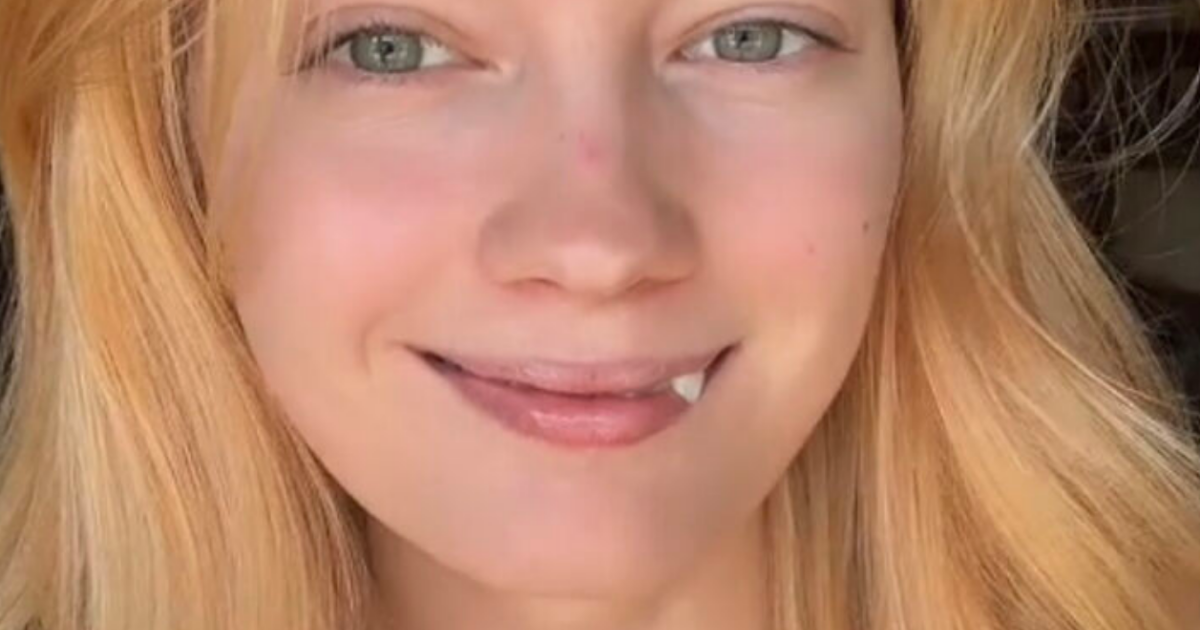
At first glance, the trend seems simple: people show the feature they used to dislike, then reframe it as part of what makes them beautiful, distinctive, or deeply human. A broad nose. Rosy cheeks. Dark circles. Curls that refuse to behave like a corporate dress code. Freckles. Scars. Gap teeth. Vitiligo. Smile lines. In other words, the very things modern beauty culture keeps trying to “correct.” But the emotional power of this wholesome TikTok trend is not in the reveal. It is in the reversal.
Instead of apologizing for how they look, creators are saying, “Actually, this is mine. And I’m keeping it.” That tiny shift is doing some heavy lifting. In a digital world obsessed with symmetry, polish, filters, and suspiciously poreless foreheads, watching people proudly share their perfect imperfections feels refreshingly rebellious.
What This TikTok Trend Is Really About
The heart of the trend is not makeover energy. It is redefinition energy. The videos often center on features that beauty culture has framed as flaws for years, then flip the script by connecting those features to ancestry, personality, memory, culture, or simple self-acceptance. That matters, because once a so-called flaw becomes part of your story, it stops functioning like a defect and starts acting like a signature.
That is why this trend feels so wholesome. It does not ask viewers to become more conventionally attractive. It asks them to become more honest. And honesty, as it turns out, is much more interesting than perfection. Perfection is sterile. Perfection is boring. Perfection also tends to require ring lights, editing apps, and a suspicious amount of denial.
The most memorable examples in this kind of TikTok self-love trend are usually the least glamorous by old-school standards. A creator points to a strong nose that once made them self-conscious. Another celebrates cheeks that flush easily. Someone else embraces naturally textured hair after years of trying to flatten it into submission. The emotional impact comes from recognition: viewers see a feature they have worried about on themselves, then watch someone else treat it like a badge rather than a burden.
Why “Perfect Imperfections” Resonates So Strongly Online
The obvious answer is that TikTok is enormous, so anything emotionally sticky can spread fast. But scale is only part of the story. This trend works because it collides directly with one of social media’s biggest contradictions: the same app that can make people feel seen can also make them feel not good enough.
That contradiction is now well documented. Social platforms can be places for creativity, identity, humor, and community. They can also become laboratories for comparison, self-monitoring, and invented insecurities. One minute you are watching a funny dog steal a sandwich. The next minute, a stranger with suspiciously filtered cheekbones has convinced the internet that your face has the wrong “harmony.” That is a rough transition for the nervous system.
The wholesome TikTok trend around perfect imperfections stands out because it disrupts that cycle. It tells viewers they do not need a new insecurity, a new treatment, or a new vocabulary word for a body part they had previously managed to ignore in peace. Instead, it suggests a radical alternative: maybe the feature does not need fixing at all.
And that message lands because people are tired. Tired of being marketed to through shame. Tired of “enhancement” being sold as empowerment. Tired of every natural detail getting dragged into the beauty economy. The trend feels less like a fleeting challenge and more like a mini mutiny against algorithmic perfectionism.
The Bigger Cultural Shift Behind the Trend
What these 48 people symbolize is bigger than one viral moment. They represent a broader cultural shift away from polished sameness and toward visible individuality. The internet spent years rewarding one very narrow face, one very narrow body, one very narrow beauty script. But audiences are increasingly drawn to creators who look like actual humans and talk like actual humans, not like walking advertisements for contour sticks and emotional exhaustion.
That does not mean beauty standards have vanished. Not even close. It means more users are pushing back. They are reclaiming texture, asymmetry, age, scars, softness, and traits that used to be cropped out, blurred, or hidden under strategic lighting. In that sense, the perfect imperfections TikTok trend is not anti-beauty. It is anti-uniformity.
It also overlaps with the rise of body neutrality, a mindset that can feel more realistic than constant body positivity. Body positivity says your body is beautiful. Body neutrality says your body does not need to be beautiful every second in order to deserve respect. Both ideas can be helpful, but body neutrality offers a particular relief for people who are exhausted by the pressure to feel amazing about their appearance all the time.
That may be one reason this trend feels more sustainable than some glossy self-love campaigns. It is not demanding nonstop confidence. It is simply widening the frame of what gets to count as normal, lovable, and worth showing.
When TikTok Helps, and When It Absolutely Does Not
To be fair, TikTok is not automatically a healing environment just because a few wholesome trends break through. The platform can still magnify unhealthy comparison, appearance anxiety, and what some observers now describe as “micro-insecurities” tiny, hyper-specific so-called flaws that suddenly become viral talking points. Once a niche insecurity gets a catchy label, it can spread faster than common sense.
That is why this trend matters so much: it moves in the opposite direction. Instead of inventing new reasons to scrutinize yourself, it invites people to loosen the grip of scrutiny altogether. Still, the tension remains. Even content about self-acceptance can become performative if the algorithm rewards only certain kinds of vulnerability or only certain kinds of “acceptable imperfection.”
There is also a practical side to this conversation. Appearance anxiety does not always stay in the realm of feelings. It can push people toward risky behaviors, obsessive checking, or unsafe beauty hacks. If a platform constantly tells users they are one tweak away from being acceptable, some of them will try anything. That is where the wholesome trend becomes more than feel-good content. It becomes a counter-message that might interrupt a harmful spiral.
The healthiest takeaway is not “all social media is bad” or “all self-love content is good.” It is that the content you consume shapes the emotional weather in your head. If your feed makes you feel defective, restless, or weirdly furious at your own face, that is not a neutral experience. That is input. And input matters.
Why These Videos Feel So Personal to Viewers
There is a reason people do not just watch these videos; they feel them. Many viewers have private histories with the features being celebrated onscreen. Maybe they were teased for their nose in middle school. Maybe a relative made a careless comment about their skin. Maybe they grew up believing beauty meant becoming less visible, less textured, less ethnic, less expressive, less themselves. Social media did not invent those wounds, but it often puts them on repeat.
So when someone confidently claims the very feature they once hid, it can feel unexpectedly emotional. A stranger’s 20-second video suddenly becomes permission. Not permission to look perfect, but permission to stop negotiating with your reflection like it is a difficult landlord.
That is part of what makes this TikTok trend wholesome instead of merely trendy. It offers collective reassurance. It says that a face does not need to be generic to be beautiful. A body does not need to be edited to be worthy. A person does not need to erase every trace of lived experience to belong online.
What Brands, Creators, and Viewers Should Learn From It
There is a lesson here for anyone who works in digital culture. Audiences are hungry for authenticity, but not the fake kind that is carefully lit and monetized into oblivion. They respond to honesty with texture. They respond to creators who do not treat normal human features like emergency situations.
For creators, that means the most compelling content is often the least airbrushed. For brands, it means people are becoming savvier about beauty messaging that pretends to empower while quietly profiting from insecurity. And for viewers, it means curating your feed is not vanity. It is self-preservation.
If a trend encourages you to appreciate your freckles, your smile lines, your birthmark, your scar, or your natural texture, great. If it encourages you to inspect your face like a forensics report, maybe keep scrolling. Your peace deserves better than a comment section trying to diagnose your cheekbones.
The Real-Life Experience of Embracing “Perfect Imperfections”
In real life, embracing your perfect imperfections rarely arrives as one dramatic movie moment where uplifting music swells and you suddenly adore every inch of yourself. It is usually messier than that. It starts in small, ordinary places: a bathroom mirror before work, a tagged photo you almost untagged, a video recorded from the front-facing camera that makes you pause before posting. The experience is often less about instant confidence and more about refusing to continue an old argument with yourself.
For many people, the first stage is recognition. They realize they have spent years noticing the same feature before anything else. Maybe it is a crooked smile, textured skin, under-eye circles, a stomach that does not flatten on command, or hair that behaves like it has its own union contract. That feature becomes the opening line in every mental conversation: “If only this looked different…” The exhausting part is that the feature itself is usually not the real problem. The problem is the story attached to it.
Then comes comparison, the stage social media is especially good at supercharging. A person scrolls through polished faces and begins to believe everyone else was issued better genes, better lighting, better proportions, and a private customer service line to the beauty gods. Rationally, they know filters, angles, editing, and selective posting exist. Emotionally, it can still sting. That is why wholesome trends like this one hit so hard. They interrupt the comparison loop with a new possibility: maybe the thing you keep grading is simply part of your face, your body, your history, your family, your life.
The next stage is often awkward bravery. Someone leaves a picture unedited. Someone posts a video without trying to disguise their skin texture. Someone says out loud that their strong nose reminds them of a parent or grandparent. Someone stops apologizing for a scar and starts treating it as evidence that they made it through something. None of this is flashy, but it is meaningful. Real self-acceptance often looks like tiny acts of noncompliance.
And then there is the social part, which matters more than people admit. When others respond with warmth instead of ridicule, something shifts. A comment saying “you look like my sister and she’s beautiful” or “I have the same cheeks” or “thank you for posting this” can land with surprising force. That is how shame begins to lose its authority. Not because everyone suddenly loves every detail all the time, but because the feature stops feeling isolating.
Eventually, the experience becomes less about appearance and more about relief. Relief from overthinking. Relief from self-editing. Relief from treating your body like a draft that never gets approved. That is the hidden gift inside the perfect imperfections trend. It is not teaching people to admire themselves every minute of the day. It is teaching them that they can exist, visibly and honestly, without launching a full-scale correction campaign. And in a culture that profits from dissatisfaction, that kind of peace is not small. It is revolutionary.
Conclusion
The beauty of this wholesome TikTok trend is that it does not depend on transformation. No before-and-after. No miracle serum. No “glow-up” measured by how closely someone approaches the same recycled standard. The win is much simpler and much rarer: people are choosing not to hide.
That is why “48 People Proudly Share Their Perfect Imperfections” works as more than a catchy headline. It captures a mood, a rebellion, and a quiet cultural correction. These creators are reminding the internet that individuality is not a flaw in the system. It is the point. And for viewers exhausted by the endless pressure to optimize every visible inch of themselves, that reminder feels less like content and more like oxygen.