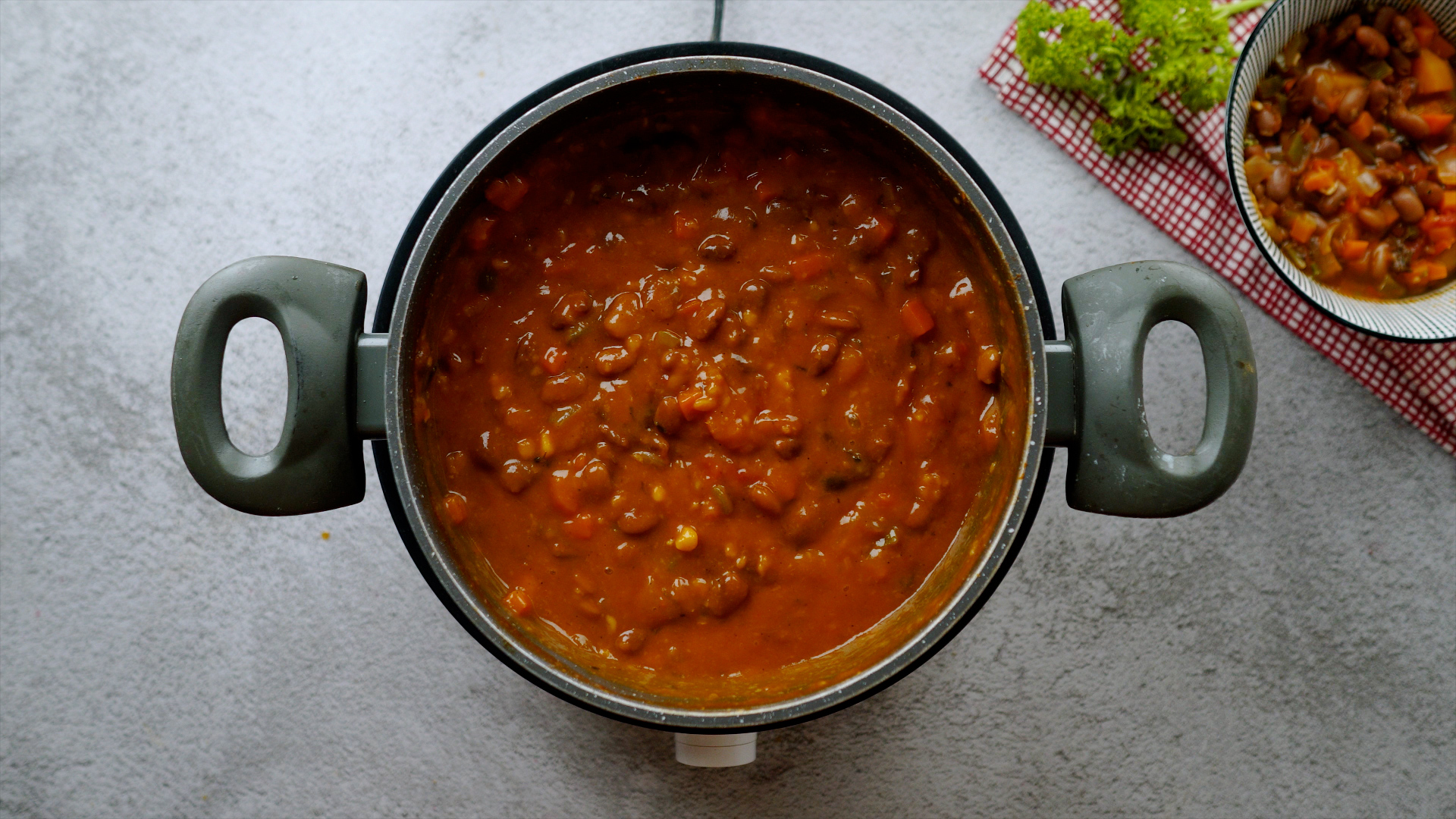
There are few kitchen moments more disappointing than lifting the lid on a pot of chili and discovering that your hearty dinner has decided to become spicy tomato soup. The flavor might be wonderful, the aroma may be doing cartwheels through the house, and the toppings may already be lined up like tiny edible cheerleaders. But if the chili is thin, watery, and sliding off the spoon like it has somewhere better to be, it needs help.
The good news is that learning how to thicken chili is easy. You do not need a culinary degree, a magic wand, or a stern lecture from someone wearing a chef coat. Most of the best chili thickening methods use ingredients you probably already have: beans, masa harina, cornmeal, tortilla chips, cornstarch, flour, or simply time. The trick is choosing the right method for your chili style.
This guide breaks down 4 ways to thicken chili without ruining the flavor. Whether you are making beef chili, turkey chili, vegetarian chili, white chicken chili, slow cooker chili, or leftover chili that somehow became thinner overnight, these techniques will help you turn a loose pot into a rich, scoopable, game-day-worthy meal.
Why Chili Turns Out Too Thin
Before we fix thin chili, it helps to understand why it happens. Chili usually becomes watery for one of five reasons: too much broth, canned tomatoes with extra liquid, vegetables releasing moisture, not enough simmering time, or a slow cooker lid trapping steam. Unlike a regular pot on the stove, a slow cooker does not allow much liquid to evaporate. That means even a recipe that looks perfect at the beginning can end up looser than expected after several hours.
Another common reason is impatience. Chili loves time. As it simmers, moisture evaporates, tomato solids concentrate, beans soften, spices bloom, and meat becomes more tender. A thin chili at minute 20 may be a thick, beautiful bowl by minute 60. That said, dinner does not always wait for perfect chemistry. Sometimes people are hungry, the cornbread is ready, and your chili needs to get its act together quickly.
1. Simmer Chili Uncovered to Reduce Liquid
The simplest way to thicken chili is to let it simmer uncovered. This method removes excess water without adding new ingredients, which means the flavor becomes deeper instead of diluted. It is the cleanest fix when your chili already tastes good but looks too soupy.
How to do it
Remove the lid from the pot and keep the chili at a gentle simmer over medium-low heat. Stir every few minutes, especially if your chili contains beans, ground meat, or tomato paste that can stick to the bottom. Let it cook for 15 to 30 minutes, or longer if needed, until it reaches your preferred thickness.
Do not crank the heat to high unless you enjoy the smell of scorched tomato sauce and regret. A gentle simmer is enough. You want steady bubbles, not a volcanic eruption. If the chili starts splattering, lower the heat slightly and stir more often.
Best for
This method works best for classic beef chili, turkey chili, vegetarian chili, and any chili that already has good flavor balance. It is also ideal when you want to avoid flour, cornstarch, or added carbs from chips or cornmeal.
Flavor tip
Because reducing chili concentrates everything, taste it again before serving. Salt, chili powder, cumin, and heat can become stronger as water evaporates. If the chili tastes too sharp after reducing, add a small splash of broth, a pinch of sugar, or a squeeze of lime to rebalance it.
2. Mash Beans or Add More Beans
If your chili contains beans, you are already sitting next to one of the best natural thickeners in the pot. Beans release starch when mashed, creating a creamy texture without changing the basic flavor of the chili. This is one of the smartest ways to thicken chili because it makes the dish heartier while keeping it wholesome and natural.
How to do it
Use a potato masher to gently mash some of the beans directly in the pot. You do not need to mash every bean into paste. Aim for about one-quarter to one-third of the beans. Stir well and simmer for 5 to 10 minutes so the starch can blend into the liquid.
For a smoother result, scoop out one cup of chili, mash or blend it in a bowl, then stir it back into the pot. If you are using an immersion blender, pulse carefully. A few quick pulses can create body; too much blending can turn dinner into chili baby food. Delicious, perhaps, but emotionally confusing.
Using extra beans
If your chili is very thin, add another can of drained beans. Pinto beans, kidney beans, black beans, cannellini beans, and Great Northern beans all work depending on the chili style. For white chicken chili, mashed cannellini or Great Northern beans are especially useful because they thicken the broth while keeping the color creamy and light.
Best for
This method is perfect for bean chili, turkey chili, vegetarian chili, white chicken chili, and meal-prep chili. It adds fiber, texture, and body without making the chili taste starchy. It is not the best choice for Texas-style chili con carne, where beans may not belong depending on who is holding the spoon and how passionately they feel about regional tradition.
3. Add Masa Harina, Cornmeal, or Crushed Tortilla Chips
Masa harina is one of the most flavorful ways to thicken chili. It is a finely ground corn flour traditionally used to make corn tortillas and tamales. When stirred into chili, it thickens the liquid and adds a warm, subtle corn flavor that pairs beautifully with tomatoes, chiles, cumin, beef, beans, and smoky spices.
If you do not have masa harina, finely ground cornmeal can help. Crushed tortilla chips or corn chips can also work in a pinch because they soften and dissolve into the chili. Think of this method as chili getting help from its favorite snack aisle cousin.
How to use masa harina
Do not dump dry masa harina straight into the pot unless you enjoy chasing lumps around with a spoon. Instead, make a slurry. Mix 1 tablespoon of masa harina with 1 tablespoon of warm water or broth until smooth. Stir the slurry into about 3 cups of chili, then simmer for 5 to 10 minutes. For a large pot, start with 2 tablespoons of masa harina and increase gradually.
Masa harina thickens quickly, so add it in small amounts. You can always add more, but once your chili reaches the texture of spiced cement, there is no graceful way to pretend that was the plan.
How to use cornmeal
Sprinkle in 1 tablespoon of fine cornmeal, stir thoroughly, and simmer for 10 minutes. If the texture still needs more body, add another teaspoon or two. Fine cornmeal works better than coarse cornmeal because it blends more smoothly. Coarse cornmeal can remain gritty if the chili does not cook long enough.
How to use tortilla chips
Crush a small handful of tortilla chips into fine crumbs and stir them into the chili. Simmer for 5 to 10 minutes until they soften and disappear into the sauce. Because chips contain salt, taste before adding more seasoning. This trick works especially well for casual weeknight chili, tailgate chili, and leftover chili that needs a quick rescue.
Best for
Masa harina, cornmeal, and tortilla chips are ideal for red chili, beef chili, pork chili, black bean chili, and smoky Southwestern-style chili. They are less ideal for delicate white chili unless you specifically want corn flavor.
4. Use a Cornstarch or Flour Slurry
When you need fast results, a slurry can save the pot. A slurry is simply a starch mixed with cold or room-temperature liquid before being added to hot food. This prevents clumps and helps the thickener spread evenly. Cornstarch creates a glossy, quick-thickening effect, while flour gives a slightly more traditional stew-like body.
How to make a cornstarch slurry
Mix 1 tablespoon of cornstarch with 1 tablespoon of cold water or broth. Stir until completely smooth, then pour it into the simmering chili while stirring. Let the chili bubble gently for 2 to 5 minutes so the cornstarch activates. If needed, repeat with another small slurry.
How to make a flour slurry
Mix 1 tablespoon of all-purpose flour with 2 tablespoons of water or broth until smooth. Stir it into the chili and simmer for at least 5 to 10 minutes to cook off the raw flour taste. Flour is a little less powerful than cornstarch, so it may take more time and careful stirring.
Important warning
Never add dry flour or cornstarch directly to hot chili. It will clump. Those little white lumps will float around like tiny dumplings of disappointment. Always mix the starch with liquid first.
Best for
Slurries are best when you are short on time and need a reliable thickening method. They work for beef chili, turkey chili, white chicken chili, and bean chili. Cornstarch is also useful when you want thickening power without adding a noticeable flavor.
Which Chili Thickening Method Should You Choose?
The best method depends on what your chili needs. If it tastes perfect but looks watery, simmer it uncovered. If it needs body and heartiness, mash some beans. If it would benefit from earthy corn flavor, use masa harina, cornmeal, or crushed tortilla chips. If dinner is five minutes away and the table is already set, use a slurry.
For the best result, combine methods carefully. For example, simmer uncovered for 15 minutes, then mash a few beans. Or add a small masa slurry after reducing the liquid. Avoid using too many thickeners at once, or the chili may become heavy and dull. Thick chili is wonderful; chili paste is a different emotional journey.
Common Mistakes When Thickening Chili
Adding too much thickener at once
Start small. Chili continues to thicken as it simmers and even more as it cools. A pot that looks slightly loose on the stove may be perfect after resting for 10 minutes.
Forgetting to stir
Thicker chili burns more easily. Stir from the bottom of the pot, especially after adding masa, cornmeal, flour, cornstarch, or crushed chips.
Ignoring seasoning after thickening
Beans, masa, flour, and extra vegetables can soften the flavor. After thickening, taste again and adjust salt, chili powder, cumin, paprika, cayenne, lime juice, or hot sauce as needed.
Using the lid at the wrong time
If your goal is thicker chili, leave the lid off. A lid traps steam, and trapped steam returns to the pot as water. That is helpful when preventing dryness, but not when your chili already looks like it joined a swimming team.
Extra Tips for Slow Cooker Chili
Slow cooker chili often turns out thinner because the lid prevents evaporation. To thicken it, remove the lid during the last 30 to 60 minutes and set the slow cooker to high. Stir occasionally. You can also mash beans, add masa harina slurry, or stir in crushed tortilla chips near the end of cooking.
If you know your slow cooker recipe tends to be watery, reduce the liquid at the beginning. Drain canned tomatoes slightly, use less broth, or keep one can of beans undrained for starch while draining the others. Small changes early can prevent a soupy finish later.
Extra Tips for White Chicken Chili
White chicken chili usually needs a different approach than red chili. Mashed white beans are the best first choice because they create a creamy texture without changing the flavor too much. Cornstarch slurry also works well, especially if the chili has broth and shredded chicken. Cream cheese, sour cream, or shredded Monterey Jack can add richness, but they should be added gently over low heat so the chili stays smooth.
For white chili, avoid heavy amounts of tomato paste, dark masa, or strongly flavored tortilla chips unless the recipe already leans Southwestern. The goal is creamy and hearty, not confused.
Experience Notes: What Actually Works Best in a Real Kitchen
After making many pots of chili in different moods, different weather, and different levels of weekday exhaustion, I have learned one important truth: thin chili is rarely a disaster. It is usually just unfinished. The first thing I do is not reach for flour or cornstarch. I take off the lid, lower the heat, and give the pot 15 minutes to calm down and become itself. Chili is dramatic at first. It bubbles, splashes, smells amazing, and pretends it will never thicken. Then, with a little patience, it often pulls together.
My favorite natural method is mashing beans. It feels almost too easy. A few presses with a potato masher can turn a loose chili into something rich and spoon-coating. This works especially well with pinto beans because they mash into a creamy texture without becoming chalky. Black beans add a deeper color and earthier flavor. White beans are magic in chicken chili because they make the broth taste creamy even before dairy enters the room.
Masa harina is my favorite method when the chili needs not only thickness but personality. It adds that subtle corn tortilla flavor that makes chili taste more complete. The key is restraint. The first time many home cooks use masa harina, they add too much because it does not look dramatic immediately. Then five minutes later, the chili is thick enough to hold up a spoon like a construction project. Start with one tablespoon, stir, simmer, and wait.
Cornstarch slurry is the emergency button. It is not romantic, but it works. I use it when guests are already arriving or when the chili is meant for chili dogs, nachos, baked potatoes, or fries and needs to stay where it is placed. For topping foods, a thicker chili is not optional. Nobody wants watery chili running through a bun like it is trying to escape the party.
Crushed tortilla chips are the most fun method. They are not elegant, but they are practical, flavorful, and usually available. This trick is perfect for casual chili nights when the toppings are already on the counter. I crush the chips finely so they melt into the pot instead of floating around like soggy confetti. Because chips are salty, I always taste afterward before adding more salt.
The biggest lesson is to match the thickener to the chili. A smoky beef chili loves masa. A bean-heavy chili loves mashing. A slow cooker chili needs uncovered time. A white chicken chili likes mashed beans, dairy, or a light slurry. Thickening chili is less about forcing a recipe into shape and more about helping it become the bowl it was trying to be all along.
Conclusion
Thick, hearty chili is not about luck. It is about knowing how liquid, starch, simmering, and texture work together. The four best ways to thicken chili are simmering it uncovered, mashing or adding beans, stirring in masa harina or corn-based ingredients, and using a cornstarch or flour slurry. Each method has its own personality, and each one solves a slightly different chili problem.
For the cleanest flavor, reduce the chili slowly. For natural body, mash beans. For Southwestern depth, use masa harina or tortilla chips. For a quick fix, make a slurry. Once the chili is thickened, taste and adjust the seasoning so the final bowl is balanced, bold, and ready for cheese, sour cream, onions, jalapeños, cornbread, or a very large spoon.
In short, watery chili does not mean dinner has failed. It just means dinner needs a little coaching. Give it heat, starch, time, or a smart thickener, and soon your pot will go from soupy to sturdy, from thin to spoonable, and from “uh-oh” to “please pass the toppings.”