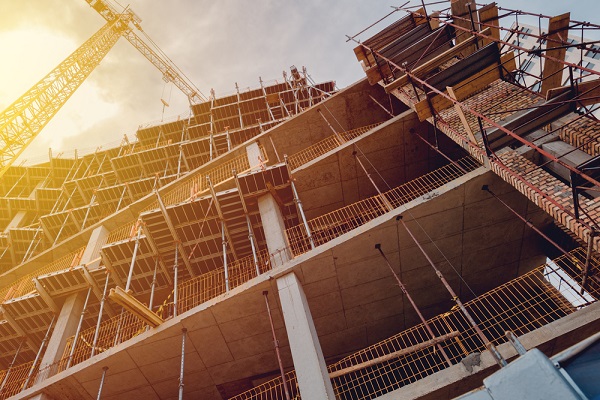
Builders risk insurance is not the flashiest corner of the insurance world. It does not arrive with a shiny slogan, a mascot, or a dramatic television commercial where a talking animal explains deductible options. But for independent agents who want a profitable niche with real client value, the builders risk market is quietly doing the cha-cha in a hard hat.
Every new home, apartment building, restaurant renovation, medical office expansion, school addition, warehouse upgrade, and mixed-use development creates a question: what happens if fire, theft, wind, water damage, vandalism, collapse, or another covered event strikes before the project is complete? A permanent property policy may not be designed for that moment. A homeowners policy may not stretch far enough. A commercial property policy may not understand that the building is still, technically, becoming a building.
That is where builders risk insurance steps in. Also known as course of construction insurance, it protects insurable interests in materials, fixtures, equipment, and structures during construction or renovation. For agents, this specialty can open doors to homeowners, contractors, developers, lenders, franchise owners, real estate investors, and business clients who are expanding faster than their current coverage can keep up.
The opportunity is real, but so is the complexity. Builders risk is not a “click, quote, forget” product. It requires technical knowledge, accurate project details, careful timing, and a willingness to ask questions that may sound boring until they prevent a six-figure coverage gap. The good news? Agents who master this niche can become more than policy sellers. They become construction risk advisors, and that role has a much better ring to it than “person who emails PDFs.”
Why Builders Risk Is a Specialty Worth Building
The U.S. construction economy remains enormous, with monthly construction spending measured in the trillions of dollars on a seasonally adjusted annual basis. Even when interest rates, labor shortages, material inflation, and supply chain headaches make builders grumble into their coffee, projects still move forward. Homes are remodeled. Warehouses are built. Restaurants expand. Schools modernize. Developers chase deadlines. Contractors chase subcontractors. Everybody chases the plumber.
For insurance agents, that constant motion creates a steady stream of conversations. Builders risk coverage may be needed for ground-up construction, major renovations, tenant improvements, additions, installation projects, and certain remodeling jobs. The client may be a property owner, general contractor, developer, lender, tenant, or another party with a financial interest in the project.
Specializing in builders risk can also improve agency retention. When an agent helps a commercial client insure a new location, that conversation can naturally lead to general liability, workers compensation, inland marine, commercial auto, business income, cyber coverage, and long-term property coverage after completion. In personal lines, a homeowner building a custom home or renovating a historic property may need broader advice than a standard policy review. Builders risk can be the doorway to a deeper relationship.
But the market rewards agents who know what they are doing. A project can change quickly. Values rise. Completion dates move. Materials sit off-site. Theft occurs after hours. A storm damages exposed work. A delayed opening triggers soft costs. If the agent has not asked the right questions, the claim may become a very expensive group project, and nobody enjoys those after high school.
1. Learn the Builders Risk Product Until the Fine Print Stops Looking Like Fog
The first way agents can specialize in the builders risk market is simple to say and harder to do: learn the product. Builders risk insurance is a property policy for a moving target. Unlike a completed building, a construction project changes every week. Yesterday there was a foundation. Today there are framed walls. Next month there may be copper wiring, custom windows, HVAC equipment, cabinets, and enough expensive material on-site to make a thief suddenly interested in “architecture.”
A builders risk policy generally covers physical loss or damage to covered property during construction from covered causes of loss. Covered property may include the structure, materials, fixtures, equipment, and sometimes materials in transit or stored temporarily off-site, depending on the form. Covered causes of loss may include fire, lightning, wind, hail, theft, vandalism, collapse, explosion, and other perils, again depending on the policy.
Agents should study what the policy covers, but they should spend just as much time on what it does not cover. Exclusions and limitations can vary widely. Common problem areas include faulty workmanship, design defects, wear and tear, mechanical breakdown, earth movement, flood, earthquake, testing, existing structures, temporary structures, scaffolding, debris removal, ordinance or law, and delay-related losses.
That does not mean every exclusion is fatal. Many gaps can be addressed with endorsements, sublimits, separate policies, or better project planning. The specialist’s job is to identify where the client’s exposure and the policy language do not shake hands.
Product Knowledge Questions Agents Should Ask
Before presenting coverage, agents should understand the project type, construction type, total completed value, estimated timeline, location, contractor experience, security measures, lender requirements, occupancy plans, and whether the project involves new construction, renovation, remodeling, installation, or an addition. They should also ask whether any portion of the existing structure needs coverage. This is especially important in renovation projects, where the shiny new work and the old building may not be treated the same way.
For example, imagine a boutique hotel renovating a historic property. The owner may assume that “builders risk” covers everything from the antique staircase to the imported tile waiting in storage. The policy may not agree. A skilled agent can separate existing property, new work, soft costs, business income exposure, ordinance or law issues, and flood or earthquake needs before the claim adjuster has to do it under less cheerful circumstances.
2. Understand the Nuances That Separate Builders Risk From Ordinary Property Insurance
The second path to specialization is understanding the differences between builders risk and permanent property insurance. This is where many clients get tripped up. A homeowner may think, “I already have homeowners insurance.” A business owner may think, “I already have a commercial property policy.” A contractor may think, “My general liability policy has me covered.” In each case, the agent may need to gently explain that insurance policies are not magic blankets you throw over every problem.
Permanent property policies are designed for completed, occupied, or operational buildings. Builders risk policies are designed for property while it is under construction. The difference matters because construction sites have unique exposures. Walls may be open. Fire protection may not be fully installed. Valuable materials may be delivered before they are secured. Weather can damage unfinished work. Water can enter through incomplete roofing or temporary openings. A delayed completion can trigger loan interest, extra professional fees, lost rents, or delayed revenue.
That last point is where soft costs become important. Soft costs are indirect expenses that may arise when a covered physical loss delays completion. They can include architectural fees, engineering fees, inspection fees, additional loan interest, legal and accounting costs, real estate taxes, advertising expenses, project management costs, and other time-related expenses. For income-producing properties, delayed opening or loss of rents coverage may be crucial.
Agents should never assume that soft costs are automatically included at the right limit. They should confirm what is covered, what waiting periods apply, how the scheduled completion date is stated, whether the delay must be caused by covered physical damage, and whether the named insured structure properly protects the party expecting reimbursement.
Why Completion Dates Are Not Just Calendar Decoration
The estimated completion date on a builders risk application can affect coverage. If a project runs long, the policy may need to be extended before expiration. If delay coverage is involved, the scheduled completion date can influence how a delay period is measured. Agents should treat dates like load-bearing walls: not glamorous, but dangerous when ignored.
Clients may casually say, “We should be done in six months.” An experienced agent hears, “Let’s verify the construction schedule, contingency time, permitting risks, weather season, financing requirements, and extension options.” That is not paranoia. That is professional survival.
3. Target Existing Clients Before Chasing Strangers With Blueprints
The third way agents can build a builders risk specialty is to start with the clients they already have. Many agencies sit on hidden builders risk opportunities without realizing it. Your current book may include homeowners planning renovations, contractors taking on larger jobs, restaurants opening second locations, medical practices expanding, property investors flipping buildings, manufacturers adding warehouse space, churches upgrading facilities, or franchise owners building out leased space.
The best prospecting message is not complicated. Ask clients whether they are building, renovating, remodeling, expanding, or moving into a new space. Then explain that a standard property policy may not adequately cover construction-related exposures. This works because it is timely, useful, and not painfully salesy. Nobody wants another “just checking in” email that sounds like it escaped from a sales automation robot.
Personal lines teams can also play a major role. A homeowner who calls to ask whether a kitchen renovation affects their homeowners policy may actually need a broader conversation. Is the project structural? Will the home be vacant? Is there a general contractor? How much are the materials worth? Will any property be stored off-site? Is the contractor providing coverage, and if so, who is protected?
Commercial lines teams should listen for expansion clues. A client mentioning a new location, tenant build-out, warehouse addition, or franchise opening is not just making small talk. That is a builders risk opportunity wearing casual shoes.
Cross-Selling Without Being Annoying
Builders risk specialization works best when it is consultative. Agents should not blast every client with a generic warning that “construction is risky.” Instead, segment the database. Send targeted messages to contractors, real estate clients, hospitality businesses, retailers, medical offices, manufacturers, nonprofits, and high-net-worth homeowners. Use renewal reviews to ask about planned improvements. Add construction questions to annual account checklists. Train customer service representatives to recognize trigger phrases such as “renovation,” “addition,” “new build,” “tenant improvement,” and “closing on land.”
A practical example: A local coffee shop owner tells the agency she is opening a second location. The agent can discuss builders risk for the build-out, general liability for the new premises, workers compensation changes, equipment coverage, business income, cyber coverage for point-of-sale systems, employment practices liability, and the transition to permanent property coverage after completion. One construction project becomes an account-rounding masterclass, with fewer awkward jazz hands.
4. Cast a Wide Net and Build Repeat-Business Referral Channels
The fourth way to specialize is to move beyond one-off projects and create repeat referral sources. Builders risk is especially attractive because certain professionals encounter construction projects constantly. Homebuilders, general contractors, remodelers, subcontractors, real estate developers, architects, engineers, lenders, title professionals, property managers, and local business attorneys can all become referral partners.
Agents should get involved in local chambers of commerce, builder associations, real estate investor groups, economic development meetings, and community planning discussions. Public meeting agendas, permit activity, zoning changes, and construction lead platforms can reveal upcoming projects before insurance becomes an emergency. The earlier the agent enters the conversation, the more value they can provide.
Repeat business also depends on speed and accuracy. Construction clients often need certificates, lender wording, additional insured or loss payee details, policy extensions, value changes, and proof of coverage quickly. A builders risk specialist should create a clean intake process: project description, address, owner information, contractor information, total values, start date, completion date, construction type, protection class, security, prior losses, lender requirements, and requested optional coverages.
That process helps agents avoid back-and-forth chaos. It also signals professionalism. Contractors and developers remember agents who make coverage easier without making it sloppy.
Use Risk Management as a Sales Advantage
Carriers and underwriting partners increasingly care about risk controls. Agents who can advise clients on jobsite security, water damage prevention, hot work controls, fire protection, material storage, fencing, lighting, surveillance, weather planning, and theft prevention may help clients present better submissions. This does not guarantee lower premiums, but it can improve underwriting conversations and reduce preventable losses.
Water damage, theft, and fire remain major builders risk loss concerns. An agent who discusses leak detection, secured materials, controlled site access, fire extinguishers, no-smoking rules, hot work permits, and weatherproofing is doing more than selling insurance. They are helping the client protect the project itself. That is the kind of value competitors cannot easily copy with a cheaper quote and a cheerful font.
Builders Risk Specialization Requires Better Submissions
If there is one habit that separates serious builders risk agents from dabblers, it is submission quality. Underwriters need clear, complete information. Vague descriptions like “building renovation” or “commercial project” are not enough. Is it a light interior renovation or a structural overhaul? Is the building occupied during construction? Is roofing involved? Are sprinklers operational? Are there combustible materials? Is the project in a wildfire, hail, flood, hurricane, or earthquake-prone area?
Agents should include construction budgets, site plans when available, contractor resumes for larger projects, security details, geotechnical reports if relevant, flood zone information, lender requirements, and requested coverage enhancements. For complex projects, a pre-submission call with the underwriter can save time and prevent surprises.
Accurate values are equally important. Material inflation, labor shortages, tariffs, and supply chain disruptions can push project costs higher after the policy is issued. Agents should encourage clients to review values during the project, especially when change orders pile up. A builders risk policy that was adequate at groundbreaking may look skinny by the time the custom windows, steel, mechanical systems, and “while we’re at it” upgrades arrive.
Common Coverage Enhancements Agents Should Discuss
No two projects are identical, but several coverage topics come up often. Agents should discuss soft costs, delay in completion, ordinance or law, debris removal, pollutant cleanup, temporary structures, scaffolding, construction forms, fire department service charges, valuable papers, testing, transit, off-site storage, flood, earthquake, windstorm, existing structures, and permission to occupy.
Permission to occupy can be especially important when a client wants to use part of a building before the entire project is finished. Without proper wording, partial occupancy may create coverage complications. Similarly, renovation projects need careful attention to existing property. If a client is renovating a building worth $2 million and adding $500,000 of improvements, the agent must clarify whether the existing structure is covered, excluded, or insured elsewhere.
Agents should also explain that builders risk is temporary. It usually begins when construction starts or materials become at risk and ends when the project is completed, accepted, occupied, sold, or the policy expires, depending on the wording. A smooth transition to permanent property insurance should be planned before the ribbon-cutting ceremony, not during it while someone is hunting for oversized scissors.
Marketing a Builders Risk Specialty Without Sounding Like Everyone Else
To market this niche, agencies should focus on education. Create blog posts, short videos, email checklists, and downloadable guides explaining when builders risk is needed, what it covers, what it does not cover, and why project owners should not rely blindly on a contractor’s policy. Use plain English. Construction clients are busy. They do not want a dissertation titled “An Exhaustive Treatise on Transitional Property Exposure.” They want to know what can go wrong and how to avoid paying for it out of pocket.
Good content topics include “Do I Need Builders Risk for a Renovation?”, “Who Should Buy Builders Risk: Owner or Contractor?”, “What Are Soft Costs in Construction Insurance?”, “Does Builders Risk Cover Theft of Materials?”, and “When Should Builders Risk Be Converted to Permanent Property Insurance?” These topics match real search behavior and real client confusion.
Agencies can also create industry-specific landing pages for custom homebuilders, remodelers, real estate investors, restaurant build-outs, medical office expansions, and commercial developers. The more specific the page, the more likely the visitor feels understood. A restaurant owner opening a second location does not want to read only about subdivision homebuilding. A custom homebuilder does not want advice written for a national warehouse developer. Specificity builds trust.
Experiences and Practical Lessons From the Builders Risk Market
One of the most useful lessons from builders risk work is that clients often underestimate how quickly a construction project becomes financially fragile. A project may look solid on paper, but one covered loss can trigger a chain reaction. A fire damages framing. Replacement materials take weeks. The completion date slips. Loan interest continues. The tenant cannot move in. Advertising has to be rescheduled. The owner still has bills, but no opening day. Suddenly, the “optional” soft cost conversation feels much less optional.
Experienced agents learn to slow clients down at the beginning. This does not mean creating friction. It means asking better questions before the policy is bound. Who owns the materials once delivered? Where are they stored? Is the contractor responsible for insuring them, or is the owner? Does the lender require specific wording? Will the building be occupied during renovation? Are there hazardous operations nearby? Are there seasonal weather issues? Is the project in a theft-heavy area? Are water lines being installed or tested? These questions may feel detailed, but details are where claims are won or lost.
Another practical experience is that contractors and owners sometimes assume the other party handled coverage. The owner believes the contractor bought builders risk. The contractor believes the owner handled it. The lender assumes everyone read the loan agreement. Nobody checks until a storm turns stored materials into modern art. Agents can prevent this by clearly identifying the named insureds, additional interests, loss payees, and contractual insurance requirements before work begins.
Agents also discover that small projects can create big problems. A kitchen addition, dental office renovation, church roof replacement, or boutique retail build-out may not look dramatic, but a water loss or theft event can still derail the budget. The dollar amount may be smaller than a high-rise project, yet the client’s tolerance for loss may be even lower. A family building its dream home or a small business opening its first location may not have the cash cushion to absorb a major uninsured setback.
Communication during the project is another major lesson. Builders risk should not disappear into a drawer after binding. Agents should check in before policy expiration, at major project milestones, and when clients mention change orders or delays. If the project value increases, update the policy. If the timeline stretches, request an extension early. If occupancy begins, discuss transition coverage. A five-minute check-in can prevent a five-month claim dispute.
The best builders risk agents also build relationships with underwriters. They know which markets prefer residential projects, which are comfortable with commercial renovations, which require stronger security controls, and which have appetite for larger or more complex risks. They do not submit every account everywhere like confetti. They match the risk to the market, explain the project clearly, and advocate for the client with facts.
Finally, successful agents treat builders risk as a long-term specialty, not a one-time product sale. They track construction trends in their region. They know which neighborhoods are redeveloping. They watch permit activity. They talk to lenders and contractors. They create checklists for internal staff. They review claim examples with producers. They learn from every project. Over time, the agency becomes known as the place to call before the first shovel hits the dirt. That reputation is hard to buy and very easy to lose if the agent wings it.
In short, specializing in builders risk is not about memorizing a brochure. It is about understanding how construction projects actually behave in the wild: deadlines shift, materials move, weather laughs at schedules, and costs rarely go down just because everyone would appreciate it. Agents who combine technical knowledge, strong submissions, proactive risk management, and smart referral networks can turn builders risk into a durable, profitable niche.
Conclusion
The builders risk market gives independent agents a strong opportunity to specialize, grow revenue, and deliver meaningful protection to clients during one of the most financially exposed phases of property ownership: construction. The four core strategies are straightforward: learn the product, understand the nuances, target existing customers, and cast a wide net for repeat business. The execution, however, requires discipline.
Agents who succeed in this niche ask better questions, review policy language carefully, understand soft costs and delay exposures, monitor project changes, and build relationships with contractors, developers, lenders, and underwriters. They also know that builders risk is not just about replacing damaged materials. It is about keeping a project alive when something goes wrong before the grand opening, move-in day, or final inspection.
For agencies willing to invest in expertise, builders risk can become more than a specialty line. It can become a reputation builder. And in insurance, as in construction, reputation is one structure you definitely want built on a solid foundation.