Outdoor woodworking is the perfect gateway into DIY because your backyard is surprisingly forgiving. A slightly imperfect garden bench still holds coffee. A planter box with one board cut a hair short still grows basil. And a birdhouse with “rustic character” is basically a boutique bird condo if you describe it with enough confidence.
If you are new to woodworking, outdoor projects help you practice the basics: measuring, cutting, drilling, sanding, fastening, finishing, and learning that lumber is rarely as straight as it promised to be at the store. The best beginner outdoor woodworking projects use simple shapes, common boards, basic tools, and weather-smart materials such as cedar, pine, pressure-treated lumber, exterior screws, waterproof glue, and outdoor-rated finishes.
This guide brings together practical, real-world project ideas inspired by trusted DIY, woodworking, home improvement, gardening, and extension-style guidance. You will find 39 outdoor woodworking projects for beginners, plus tool tips, material advice, safety notes, and hands-on experience to help you build with more confidence and fewer “why is this wobbling?” moments.
Why Outdoor Woodworking Is Great for Beginners
Outdoor woodworking projects are usually larger, simpler, and less fussy than indoor furniture. You do not need museum-grade joinery to build a raised garden bed or a hose holder. Most outdoor builds rely on straight cuts, butt joints, screws, glue, and basic finishing. That makes them ideal for beginners who want useful results without needing a professional workshop.
Another advantage is flexibility. If your first shelf is a little uneven, it may annoy you every time you walk past it in the hallway. If your first garden trellis leans slightly, you can call it “organic cottage style” and let the vines do the public relations work.
Basic Tools for Beginner Outdoor Woodworking
You do not need a garage full of expensive equipment to start. A beginner-friendly tool kit can handle most of the projects below.
Essential Tools
- Tape measure and pencil
- Speed square or combination square
- Circular saw, jigsaw, or miter saw
- Cordless drill and driver bits
- Clamps for holding boards steady
- Random orbital sander or sanding block
- Safety glasses, hearing protection, gloves, and dust mask
Helpful Materials
- Cedar for naturally weather-resistant planters, benches, and decorative projects
- Pressure-treated lumber for ground-contact structures and budget-friendly outdoor frames
- Exterior-rated screws or deck screws for corrosion resistance
- Waterproof wood glue for stronger joints
- Outdoor stain, paint, spar urethane, or penetrating oil for protection
How to Choose Wood for Outdoor Projects
Outdoor wood has to fight sun, rain, humidity, bugs, and temperature swings. For beginners, the best choices are easy to find and easy to work with.
Cedar
Cedar is lightweight, attractive, and naturally resistant to decay. It is excellent for planters, birdhouses, garden benches, trellises, and decorative backyard builds. It costs more than basic pine, but it often saves time because it looks good with a clear finish or light stain.
Pressure-Treated Lumber
Pressure-treated lumber is a practical choice for outdoor structures, especially where wood may touch the ground. It is commonly used for decks, posts, garden structures, and utility projects. When cutting or sanding treated lumber, work outdoors when possible, wear eye protection and a dust mask, and clean up sawdust carefully.
Pine and Fir
Untreated pine and fir are affordable and beginner-friendly. They work well for painted projects, small decorative pieces, and birdhouses when protected from constant moisture. For outdoor use, seal or paint all sides, including end grain, where water loves to sneak in like an uninvited raccoon.
39 Outdoor Woodworking Projects for Beginners
1. Simple Cedar Planter Box
A rectangular planter box is one of the best first outdoor woodworking projects. You can build it with cedar fence pickets or 1x boards, then add drainage holes and a plastic liner if desired. It teaches measuring, cutting, drilling, and assembly without complicated angles.
2. Raised Garden Bed
A raised bed is basically a big open box, which is wonderful news for beginners. Use cedar, redwood, or ground-contact-rated lumber. Keep the design simple: four sides, strong corner posts, and enough depth for healthy roots.
3. One-Board Birdhouse
A birdhouse is small, affordable, and satisfying. Use untreated wood, include drainage and ventilation holes, and make one panel removable for cleaning. Skip exterior perches because they can make life easier for predators.
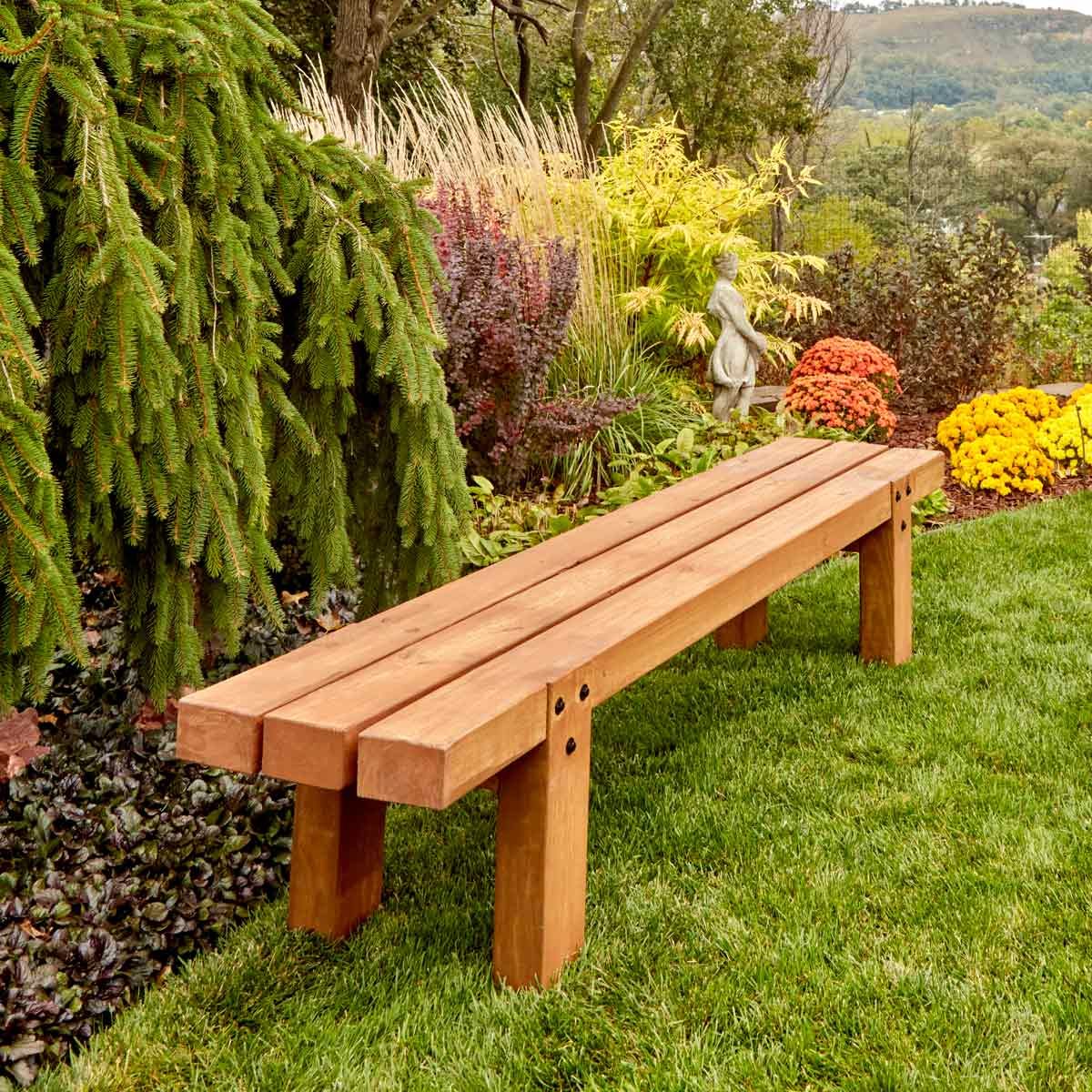
4. Outdoor Bench
A basic outdoor bench made from 2x4s or 2x6s is sturdy, useful, and beginner-friendly. Start with a simple backless design before trying armrests or curved seats. Sand the edges well unless you want your guests to remember the bench for medical reasons.
5. Garden Tool Rack
Turn scrap boards into a wall-mounted rack for rakes, shovels, and brooms. This project is perfect for organizing a shed or garage and requires only straight cuts, screws, and hooks.
6. Wooden Doormat
A slatted wooden doormat looks clean and modern. Use cedar strips, spacers, and exterior cord or rods. It is a great project for practicing repetitive cuts and consistent spacing.
7. Patio Side Table
A small side table gives you a place for lemonade, sunglasses, or the screw you were just holding and somehow lost forever. Use simple legs, a square top, and exterior screws.
8. Adirondack-Style Footrest
An Adirondack chair can be challenging, but a matching footrest is easier. It introduces angled cuts while staying manageable for a beginner.
9. Outdoor Serving Tray
A wooden serving tray is a fast weekend project. Add handles, sand everything smooth, and protect it with a food-safe or outdoor-appropriate finish depending on how you plan to use it.
10. Garden Trellis
A trellis can be made from thin cedar strips, lattice, or simple 1×2 boards. It supports climbing plants and gives beginners practice with layout and symmetry.
11. Tomato Cage Upgrade
Build a square wooden tomato tower from narrow strips. It looks better than wire cages and can be customized to the height of your plants.
12. Hose Holder with Post
A hose holder is practical and quick. Set a treated 4×4 post in the ground or attach it to a sturdy base, then mount a hose hanger. Add a small finial on top for style points.
13. Potting Bench
A potting bench is a larger project but still beginner-friendly if you use a simple frame. Include a lower shelf, a work surface, and hooks for hand tools.
14. Window Box Planter
Window boxes add curb appeal without requiring advanced joinery. Make sure they have drainage and are securely mounted with hardware appropriate for your siding or wall type.
15. Outdoor Lantern Stand
Use a post, base, and cross arm to make a simple stand for solar lanterns or hanging planters. It is a great small-space patio project.
16. Scrap Wood Plant Markers
Plant markers are excellent for using leftover wood. Cut small stakes, sand them smooth, and label them with outdoor paint or a wood-burning pen.
17. Kids’ Mud Kitchen
A mud kitchen turns scrap lumber into hours of outdoor play. Build a basic frame, add a basin, and include shelves for old pans. Warning: children will make soup from leaves, dirt, and pure chaos.
18. Firewood Rack
A simple firewood rack keeps logs off the ground and improves airflow. Use treated lumber or cedar and make sure the base is sturdy enough to handle weight.
19. Compost Bin
A wooden compost bin can be built with slats to allow airflow. Keep gaps between boards and consider a removable front panel for easier turning.
20. Outdoor Storage Box
A storage box is useful for cushions, toys, or garden supplies. Beginners should keep the lid simple and use exterior hinges. Add feet or a raised base to reduce moisture contact.
21. Picnic Table
A picnic table is a classic outdoor woodworking project. It requires more lumber and careful assembly, but the cuts are straightforward. Build from a proven plan and check for square often.
22. Small Deck Step
A single outdoor step can make a shed, patio, or deck more accessible. Use treated lumber and exterior fasteners. Keep the height comfortable and the base level.
23. Outdoor Plant Stand
A tiered plant stand is ideal for patios and balconies. Start with a three-tier design using 1x boards and simple supports.
24. Garden Kneeling Bench
A kneeling bench helps gardeners work more comfortably. Add sturdy side supports and a padded top if desired. Flip it over and it can double as a low seat.
25. Wooden Cooler Stand
Build a frame around a cooler to create a backyard drink station. Add a lower shelf for cups and supplies. It makes your patio feel like it has a tiny hospitality department.
26. Fence Shelf
A narrow shelf attached to a fence can hold small pots, candles, or decor. Use exterior screws and avoid overloading it.
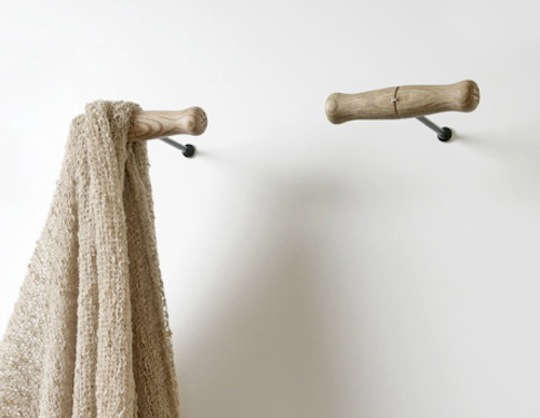
27. Outdoor Towel Rack
Perfect for pools, hot tubs, or sprinklers, a towel rack can be made with posts and dowels. Seal it well because wet towels are basically moisture delivery systems.
28. Sandbox with Cover
A basic sandbox uses box construction, while a hinged cover keeps out leaves and animals. Use smooth boards and round over sharp edges.
29. Wooden Swing Seat
A simple swing seat can be made from a thick board and strong rope. Use proper hanging hardware and inspect supports carefully. Safety matters more than style here.
30. Vertical Herb Garden
A vertical herb garden saves space and looks great against a fence or wall. Build a frame with shelves or pocket planters, then seal the wood for outdoor use.
31. Garden Arbor
A small arbor introduces posts, crosspieces, and decorative top rails. Keep the design simple and make sure the posts are anchored securely.
32. Outdoor Coffee Table
A low outdoor table pairs well with patio seating. Use 2x lumber for a chunky farmhouse look or cedar boards for a lighter design.
33. Yard Dice
Cut square blocks from a 4×4, sand the edges, and paint dots to make giant yard dice. This is a fun beginner project and a sneaky way to practice accurate cutting.
34. Cornhole Boards
Cornhole boards require plywood, framing, legs, and careful hole cutting. It is a step up from basic boxes but still achievable with patience.
35. Outdoor Privacy Screen
A slatted privacy screen can hide trash cans, define a patio, or block a not-so-scenic view. Keep boards evenly spaced for a clean design.
36. Trash Can Corral
A wooden trash can enclosure improves curb appeal and keeps bins organized. Use treated lumber or cedar and allow airflow so odors do not stage a rebellion.
37. Mailbox Planter
Build a small planter around the mailbox post for flowers or ornamental grasses. Make sure it does not block access or violate local mailbox placement rules.
38. Outdoor Shoe Rack
A porch shoe rack keeps muddy shoes outside where they belong. Slatted shelves allow water and dirt to fall through.
39. Simple Pergola-Style Planter
Combine a planter box with two posts and a small overhead trellis. It gives climbing plants a home and looks more advanced than it really is.
Beginner Tips for Better Outdoor Woodworking Results
Measure Twice, Cut Once, Then Still Keep the Offcut
Every woodworker has measured twice and still cut something wrong. Keep extra scraps nearby for testing stain, practicing drill holes, or replacing the one piece that mysteriously became too short.
Pre-Drill Near Board Ends
Outdoor lumber can split near the ends, especially cedar and dry pine. Pre-drilling pilot holes helps prevent cracks and makes screws drive more cleanly.
Use Exterior Fasteners
Indoor screws can rust outdoors. Choose deck screws, stainless steel screws, or coated exterior screws. For pressure-treated lumber, make sure the fasteners are rated for treated wood.
Protect End Grain
End grain absorbs moisture quickly. When staining or sealing, pay extra attention to board ends, feet, legs, and bottom edges. These areas often fail first because they sit closest to water.
Allow Drainage and Airflow
Outdoor wood lasts longer when it can dry. Add drainage holes to planters, raise storage boxes on feet, leave small gaps between slats, and avoid designs that trap water.
Finishing Outdoor Wood Projects
Finishing is not just about beauty. It helps protect wood from moisture, sunlight, dirt, and daily wear. Paint provides strong surface protection and color. Exterior stain enhances wood grain while adding weather resistance. Spar urethane creates a clear protective film and is often used on outdoor pieces exposed to changing temperatures and moisture. Penetrating oils can bring out natural grain and are easy to refresh.
Before applying finish, sand the project smooth, remove dust, and follow the product instructions for dry time, number of coats, and recoat windows. Do not rush finishing. Woodworking teaches patience, and outdoor finishing teaches extra patience with a side of checking the weather forecast every 12 minutes.
Safety Notes for Outdoor Woodworking
Outdoor woodworking is beginner-friendly, but tools still deserve respect. Wear eye protection when cutting or drilling. Use hearing protection with power saws. Clamp boards instead of holding them with your hand near a blade. When sanding or cutting treated lumber, wear a dust mask and clean up sawdust. Do not burn treated wood scraps, and keep your work area clear so you are not stepping over cords, boards, and that one clamp that always ends up underfoot.
of Real-World Experience: What Beginners Learn Fast
The first thing most beginners learn from outdoor woodworking is that lumber has a personality. Some boards are straight, polite, and cooperative. Others twist the moment you bring them home, as if they have accepted a secret mission to ruin your square corners. This is normal. When buying boards, sight down the length, avoid severe warping, and purchase one or two extra pieces if your budget allows. Extra lumber is not waste; it is emotional support.
The second lesson is that outdoor projects do not need to be perfect to be valuable. A planter box can have a tiny gap and still overflow with flowers. A bench can have a slightly uneven underside and still become the favorite seat in the yard. Beginners often spend too much time chasing perfection on hidden parts. Focus instead on strength, safety, comfort, and weather resistance. Sand the surfaces people touch, secure the joints well, and make sure water can drain away.
Another practical lesson is that finishing takes longer than building. Many beginner projects can be assembled in an afternoon, but sanding, staining, drying, recoating, and curing can stretch the project over several days. This is not a failure. It is part of the process. The smartest approach is to build with finishing in mind. Sand boards before assembly when possible, round over sharp edges, and keep the project off the ground while the finish dries.
Outdoor woodworking also teaches you to think like rain. Before calling a project done, imagine water landing on it. Where does the water go? Does it sit in a corner? Does it soak into a leg? Does the planter have enough drainage holes? Does the lid slope or stay flat? Small design choices can make a big difference. A tiny gap between slats, a raised base, or sealed end grain can help a beginner project last much longer.
Finally, outdoor projects are great confidence builders because they become part of daily life. You see the birdhouse from the kitchen window. You use the potting bench every spring. You set drinks on the patio table and think, “I made that,” which is a dangerous thought because it leads directly to buying more clamps. That is the cheerful trap of woodworking: one successful project becomes two, then five, then suddenly you are explaining to your family why the garage needs a lumber rack.
The best beginner advice is simple: start small, build useful things, and choose projects that solve real problems in your outdoor space. Need herbs near the kitchen? Build a planter. Need a place to sit? Build a bench. Need to hide trash cans? Build a screen. Each project teaches a skill that transfers to the next one. Before long, you will understand wood movement, screw placement, sanding grits, finish choices, and why every DIY article quietly assumes you know where your pencil went. You will not. Buy several.
Conclusion
Outdoor woodworking projects for beginners are practical, affordable, and surprisingly fun. From cedar planter boxes and birdhouses to benches, trellises, storage boxes, and privacy screens, these builds help you learn core woodworking skills while improving your yard, patio, porch, or garden. Start with simple cuts, use outdoor-rated materials, protect your wood from moisture, and remember that every project teaches something useful. Your first build does not need to be flawless. It just needs to be safe, sturdy, and finished well enough to survive sunshine, rain, and your neighbor asking, “Hey, could you build one for me?”
Note: This article is original content synthesized from reputable U.S. DIY, woodworking, home improvement, gardening, safety, and extension-style guidance. It is written for web publishing and does not include source links or citation placeholders.