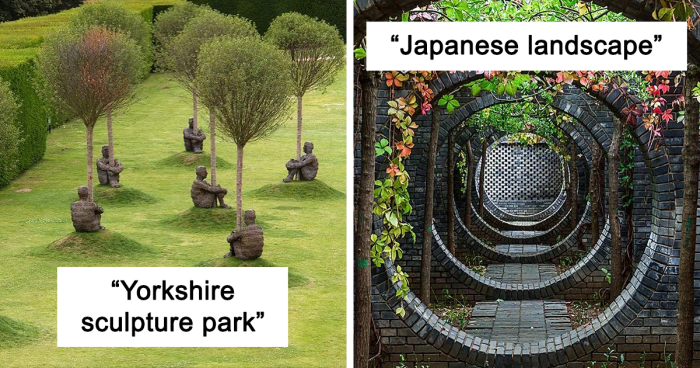
Great landscaping is not just about planting a few shrubs and hoping the mulch hides the evidence. Done right, landscaping turns a yard into a living, breathing extension of the home: beautiful from the curb, useful on weekends, kinder to pollinators, easier to maintain, and far less dramatic every time it rains. In other words, the best landscape design makes your house look polished without making you spend every Saturday wrestling weeds like it is an Olympic event.
The most successful landscaping ideas usually share a few traits. They fit the local climate, use plants that actually want to live there, manage water wisely, create clear movement through the yard, and balance soft greenery with hardscape features like paths, patios, stone borders, decks, walls, and seating areas. Whether the space is a tiny front yard, a sloped backyard, a suburban lawn, or a city courtyard, good landscaping feels intentional.
Below are 30 awesome examples of landscaping done right, with practical ideas you can adapt for your own outdoor space. Some are elegant. Some are low-maintenance. Some are wild in the best possible way. And yes, a few may make your current patch of lawn look like it needs a motivational speech.
What Makes Landscaping “Done Right”?
Landscaping done right is a mix of beauty, function, sustainability, and common sense. A gorgeous yard that requires constant watering in a dry region is not truly successful. A low-maintenance garden that looks like it gave up in 2017 is not exactly a triumph either. The sweet spot is a landscape that looks good, works hard, and does not demand a full-time staff named Nigel.
Modern landscape design increasingly focuses on native plants, water-wise gardening, pollinator support, outdoor living, drainage solutions, and layered planting. Instead of treating the yard as decoration, homeowners are using it as a place to relax, entertain, grow food, cool the house, support wildlife, and reduce stormwater runoff.
30 Awesome Examples Of Landscaping Done Right
1. A Welcoming Front Yard With Layered Planting
A front yard looks instantly more professional when plants are arranged in layers: low groundcovers in front, medium shrubs in the middle, and taller ornamental grasses or small trees in back. This creates depth, frames the home, and avoids the dreaded “lonely shrub lineup” along the foundation. Use repeating plant groups for a calm, cohesive look.
2. A Native Plant Garden That Supports Pollinators
Native plant landscaping is one of the smartest ways to create a yard that looks beautiful and behaves responsibly. Native flowers, grasses, shrubs, and trees are adapted to local soil and weather, which often means less watering and fewer chemical inputs once established. Coneflowers, milkweed, black-eyed Susans, bee balm, asters, and native grasses can turn a plain bed into a pollinator buffet. Butterflies approve. Bees approve. Your yard gets five stars from the tiny-winged community.
3. A Rain Garden That Solves a Wet-Yard Problem
If water collects after storms, a rain garden can be both practical and attractive. Built in a shallow depression, it captures runoff from roofs, driveways, or patios and lets water soak slowly into the soil. Moisture-loving native plants such as swamp milkweed, cardinal flower, blue flag iris, sedges, and buttonbush can help create a lush, colorful planting area while reducing puddles.
4. A Curved Walkway That Makes the Yard Feel Larger
A straight path is useful, but a gently curved walkway adds charm and movement. Curves slow the eye, create mystery, and make small yards feel more spacious. Flagstone, brick, gravel, or permeable pavers can all work beautifully. Line the edges with creeping thyme, mondo grass, lavender, or low-growing sedum to soften the hardscape.
5. A Low-Maintenance Gravel Garden
Gravel gardens are perfect for homeowners who want texture, structure, and fewer mowing sessions. The best versions combine gravel with drought-tolerant plants, boulders, ornamental grasses, and sculptural shrubs. This approach is especially effective in dry regions, but it can also work in modern front yards where a clean, architectural look is desired.
6. A Backyard Patio Framed by Greenery
A patio feels finished when it is surrounded by plants rather than dropped into the yard like a confused pizza pan. Frame seating areas with shrubs, container plants, vines, small trees, or tall grasses. This creates privacy, shade, and a sense of enclosure. Add lighting, and the space becomes an outdoor room instead of just “the place where chairs live.”
7. A Privacy Screen Made With Plants
Fences are useful, but living privacy screens add softness and seasonal interest. Arborvitae, holly, wax myrtle, viburnum, bamboo alternatives, ornamental grasses, or mixed hedges can block views while making the yard feel lush. A mixed screen is often more resilient than a single-species hedge because pests, diseases, or weather stress are less likely to ruin the entire row.
8. A Small Courtyard With Big Personality
Small spaces need strong choices. A courtyard can shine with one statement tree, a simple seating area, vertical planters, climbing vines, and a compact water feature. The trick is to avoid clutter. Choose fewer materials, repeat them, and use plants with interesting shapes or fragrance. In a tiny garden, every leaf has a job interview.
9. A Cottage Garden With Controlled Abundance
Cottage gardens look casual, but the best ones are carefully planned. They mix perennials, herbs, roses, flowering shrubs, and winding paths to create a romantic, full look. The secret is repetition. Repeat colors, textures, or plant varieties throughout the space so the garden feels abundant rather than chaotic. Think “storybook charm,” not “botanical yard sale.”
10. A Modern Landscape With Clean Lines
Modern landscaping often uses geometric beds, simple plant palettes, concrete pavers, steel edging, gravel, and architectural plants. Boxwood, agave, yucca, ornamental grasses, Japanese forest grass, and clipped hedges can create a sleek look. The key is restraint. Let shape, texture, and negative space do the heavy lifting.
11. A Sloped Yard With Terraced Beds
A slope can be frustrating, but terraces turn it into an asset. Retaining walls, stone steps, and layered planting beds control erosion and create usable space. Each level can serve a different purpose: herbs near the kitchen, flowers along the steps, seating on a flat landing, and shrubs for structure. Suddenly the hill stops being a problem and starts looking expensive.
12. A Fire Pit Area That Feels Built-In
A fire pit becomes more inviting when it is integrated into the landscape. Use gravel or pavers underfoot, add low seat walls or Adirondack chairs, plant grasses around the perimeter, and include subtle lighting for evening use. Keep plantings far enough from the fire area for safety, but close enough to create atmosphere.
13. A Water-Wise Yard With Hydrozoning
Hydrozoning means grouping plants by water needs. Thirsty plants go together, drought-tolerant plants go together, and nobody is forced into a sprinkler schedule that makes no sense. This is one of the smartest landscaping ideas for reducing water waste while keeping plants healthy. It works especially well with drip irrigation and mulch.
14. A Lawn Replacement With Groundcovers
Traditional turf has its place, especially for kids, pets, and recreation. But in areas where lawn is rarely used, groundcovers can be more attractive and easier to maintain. Clover, creeping thyme, sedum, native violets, Pennsylvania sedge, and dwarf mondo grass can create soft, green coverage with less mowing. Your lawn mower may feel abandoned, but it will learn to cope.
15. A Front Entry With Symmetry
Symmetry is a classic curb appeal trick because it makes an entrance feel polished. Matching planters, balanced shrubs, paired lights, or mirrored flower beds can frame a doorway beautifully. This works especially well for traditional, colonial, craftsman, and farmhouse-style homes.
16. A Backyard Garden With Edible Landscaping
Edible landscaping blends beauty and productivity. Blueberry bushes, rosemary, lavender, espaliered fruit trees, artichokes, strawberries, herbs, and colorful lettuces can be woven into ornamental beds. The result is a yard that looks good and occasionally hands you snacks. That is what experts call “excellent customer service.”
17. A Shady Garden That Embraces Texture
Shade gardens do not need to be dull. Hostas, ferns, heuchera, astilbe, oakleaf hydrangea, foamflower, Solomon’s seal, and Japanese forest grass create layers of texture and color. Since flowers can be more limited in deep shade, focus on foliage shape, leaf size, and contrast. A well-designed shade garden feels cool, calm, and quietly fancy.
18. A Driveway Border That Looks Intentional
Driveways often dominate the front yard, but landscaping can soften the edges. Use low shrubs, grasses, flowering perennials, or a narrow rain garden strip to reduce the visual impact of concrete or asphalt. Choose tough plants that can handle reflected heat, road salt where relevant, and the occasional delivery driver who thinks tires are landscaping tools.
19. A Backyard With Outdoor Rooms
Large yards become more useful when divided into zones. Create separate areas for dining, lounging, gardening, play, and quiet retreat. Use hedges, pergolas, paths, planters, screens, or changes in paving material to define each space. Outdoor rooms make a yard feel designed instead of simply large.
20. A Xeriscape That Still Feels Lush
Xeriscaping is not just rocks and one brave cactus holding on emotionally. Done right, it combines water-efficient plants, mulch, soil improvement, efficient irrigation, and smart design. In dry climates, plants such as salvia, agave, yarrow, penstemon, desert marigold, yucca, and ornamental grasses can create color and movement with much less water.
21. A Garden Path With Soft Edges
Paths look more natural when plants spill gently over the edges. Creeping thyme, lamb’s ear, sedum, ajuga, catmint, or low grasses can soften stone, brick, or gravel. This creates the feeling that the path belongs in the garden rather than being imposed on it.
22. A Minimalist Yard With One Strong Focal Point
Sometimes the best landscaping is not more; it is better. A small ornamental tree, sculptural boulder, water bowl, specimen shrub, or dramatic planter can anchor a minimalist landscape. Surround it with simple groundcover, gravel, or clean planting beds. The result feels calm, modern, and surprisingly luxurious.
23. A Wildlife-Friendly Backyard Habitat
A wildlife-friendly yard provides food, water, cover, and places for birds, butterflies, bees, and beneficial insects to raise young. Native plants are especially valuable because local wildlife has evolved with them. Add seed-producing flowers, berrying shrubs, a birdbath, brush piles, and pesticide-free planting beds. The yard becomes more alive, and the entertainment is free.
24. A Mulched Bed That Looks Crisp and Healthy
Mulch is not glamorous, but it is one of landscaping’s hardest workers. It helps conserve soil moisture, suppress weeds, regulate soil temperature, and give planting beds a neat finish. Organic mulches like shredded bark, wood chips, pine straw, and leaf mold also improve soil as they break down. Just avoid piling mulch against tree trunks like tiny volcanoes. Trees did not ask for turtlenecks.
25. A Pergola Wrapped in Vines
A pergola adds structure, shade, and vertical interest. Train vines such as native honeysuckle, clematis, climbing roses, jasmine, or grapevines over the top for romance and filtered light. A pergola can define a dining area, shade a patio, or create a transition between garden zones.
26. A Front Yard With Year-Round Interest
Great landscaping does not look good for only three heroic weeks in spring. Plan for all seasons with evergreen shrubs, ornamental grasses, spring bulbs, summer perennials, fall foliage, berries, bark texture, and winter structure. A four-season landscape gives the home curb appeal even when flowers are taking their annual vacation.
27. A Sustainable Landscape With Permeable Paving
Permeable paving allows water to soak into the ground instead of rushing into storm drains. Gravel, permeable pavers, spaced flagstone, and porous surfaces can work for paths, patios, and driveways. Pair them with rain gardens and planted swales for a landscape that manages stormwater while still looking polished.
28. A Container Garden That Saves a Plain Patio
Containers are the landscaping equivalent of instant accessories. Use large pots near doors, patios, decks, and seating areas to add color and structure. Choose a mix of thrillers, fillers, and spillers: one upright focal plant, medium plants for fullness, and trailing plants for softness. Bigger containers usually perform better because they hold more soil and dry out more slowly.
29. A Backyard Border With Repeated Plant Groups
Repeating plants is one of the easiest ways to make a garden look professionally designed. Instead of buying one of everything at the nursery, choose a limited palette and repeat it in drifts. For example, combine ornamental grass, coneflower, salvia, and sedum in several areas. Repetition creates rhythm and keeps the garden from looking like a plant collector had a coupon emergency.
30. A Landscape That Reuses Existing Materials
Landscaping done right does not always mean buying everything new. Old bricks can become path edging, leftover stone can form a border, reclaimed wood can become raised beds, and divided perennials can fill new planting areas. Reusing materials saves money, reduces waste, and adds character that brand-new materials often lack.
Key Design Lessons From Landscapes That Work
Start With Function Before Flowers
Before choosing plants, decide how the space needs to work. Do you need privacy? A play area? Better drainage? A path to the front door? A place to eat outside? A dog-friendly zone? The most beautiful landscaping ideas start with practical questions. Once the function is clear, the design choices become easier and more successful.
Respect the Climate
A landscape should match its region. A lush English-style garden may thrive in a cool, moist climate but struggle in a hot, dry area. A desert-inspired xeriscape may look perfect in Arizona but feel out of place in a shady New England yard. Choose plants suited to local rainfall, soil, sun exposure, and temperature swings. The right plant in the right place is the closest thing gardening has to magic.
Mix Hardscape and Softscape
Plants provide life, color, texture, and seasonal change. Hardscape provides structure, movement, and usability. The best landscapes use both. A patio without plants can feel sterile. A garden without paths or edges can feel messy. Together, they create balance.
Design for Maintenance Reality
Be honest about how much yard work you actually want to do. If you enjoy pruning, planting, dividing, deadheading, and fussing, a detailed cottage garden may be your dream. If your preferred gardening tool is “looking at it from the window,” choose low-maintenance shrubs, native perennials, mulch, drip irrigation, and simple bed shapes.
Common Landscaping Mistakes to Avoid
Planting Too Close to the House
Small nursery plants grow. This shocking development has surprised many homeowners. Always check mature plant size before planting near foundations, walkways, windows, and utility areas. A cute shrub today can become a window-eating monster in five years.
Ignoring Drainage
Drainage problems rarely fix themselves. If water pools near the foundation, collects in low spots, or runs across walkways, address it early with grading, downspout extensions, rain gardens, French drains, swales, or permeable surfaces. A beautiful landscape should not become a swamp with decorative intentions.
Using Too Many Different Materials
Too many paving stones, edging types, mulch colors, and decorative rocks can make a yard feel busy. Choose a small material palette and repeat it. Consistency creates a professional look.
Forgetting About Scale
Tiny plants in a large yard can look timid. Huge shrubs in a small yard can feel overwhelming. Match plant size, bed depth, tree placement, and hardscape features to the scale of the home and property.
of Experience: What Landscaping Done Right Really Feels Like
The best landscaping projects often begin with a small frustration. Maybe the front yard looks flat. Maybe the backyard is technically “usable,” but nobody uses it except squirrels with suspicious confidence. Maybe water collects beside the garage every time it rains. Or maybe the house looks fine, but the landscape feels like an unfinished sentence.
One of the most useful lessons from real-world landscaping is that small improvements can completely change how a space feels. A fresh edge along a garden bed, a few well-placed shrubs, a curved path, or two large planters by the front door can make a home look cared for almost instantly. You do not always need a dramatic makeover. Sometimes the yard is not asking for a revolution; it is asking for a haircut, a plan, and maybe better shoes.
Another important experience is that plants need time. New landscapes can look sparse at first, especially when plants are spaced correctly for mature size. This is the awkward teenage phase of gardening. Resist the urge to cram every gap with extra plants. In a year or two, those empty spaces often fill in beautifully. Overplanting may look lush on day one, but it can create crowding, disease pressure, and constant pruning later.
Water is another reality check. Landscapes that ignore water eventually get taught a lesson by gravity. A patio that slopes the wrong way, a bed that stays soggy, or a downspout that dumps water into the wrong spot can undo a lot of pretty design. Smart landscaping pays attention to where water comes from, where it goes, and how it can be slowed, absorbed, or redirected. Rain gardens, mulch, healthy soil, deep-rooted plants, and permeable paving are not just eco-friendly buzzwords; they are practical tools.
Good landscaping also changes how people use a home. A shaded bench can turn an ignored corner into a morning coffee spot. A path can invite people into a garden. A fire pit can make the backyard useful after sunset. A privacy hedge can make a patio feel cozy instead of exposed. These changes matter because landscaping is not only for looking at; it is for living with.
The most satisfying yards usually feel personal. They reflect the homeowner’s habits, climate, architecture, and tolerance for maintenance. A perfect landscape for one person might be a highly structured modern garden with clipped hedges and gravel. For another, it might be a relaxed native meadow buzzing with bees. For someone else, it might be a vegetable garden, a play lawn, and a patio big enough for family dinners. Landscaping done right is not about copying a magazine photo exactly. It is about understanding why that photo works and adapting the idea to your own space.
Finally, the best landscaping rewards patience. Trees grow into shade. Perennials multiply. Soil improves. Birds discover the shrubs. The patio becomes the place where people linger. Over time, a well-planned landscape becomes more than curb appeal. It becomes part of the home’s daily rhythm, quietly making life better one season at a time.
Conclusion
Landscaping done right is beautiful, practical, and deeply connected to place. The best examples use smart plant choices, clear pathways, good drainage, layered texture, outdoor living zones, and sustainable features that support wildlife and conserve resources. Whether you love native plants, modern hardscaping, cottage gardens, gravel paths, rain gardens, or cozy patios, the goal is the same: create an outdoor space that looks intentional and works for real life.
You do not need a mansion, a massive budget, or a personal landscape architect named Sebastian to create a better yard. Start with one problem, one area, or one idea. Improve the entrance. Replace an unused strip of lawn. Add a rain garden. Frame the patio. Plant for pollinators. Reuse materials. Over time, those smart choices add up to a landscape that feels polished, personal, and wonderfully alive.
Note: This article was created as original, publish-ready content based on widely accepted U.S. landscaping, garden design, sustainability, curb appeal, native planting, and stormwater management guidance.