A lungi may look like a simple piece of cloth, but do not let the rectangle fool you. This humble wrap has survived heat, humidity, housework, market runs, naps, festivals, family jokes, and the occasional dramatic dance entrance. It is comfortable, practical, breathable, and surprisingly stylish when worn with confidence. In many parts of South Asia, especially India and Bangladesh, the lungi is everyday clothing at its finest: easy to wash, easy to fold, and easy to wear once you understand the basics.
If you are new to this garment, learning how to wear a lungi can feel like trying to negotiate with fabric that has its own personality. One minute it looks neat; the next minute it is sliding down like it has somewhere more important to be. The good news is that a lungi is not complicated. It just needs the right wrap, the right fold, and a little practice. Think of it as a handshake between comfort and culture.
This guide explains three practical ways to wear a lungi: the classic everyday wrap, the shorter work-ready fold, and the relaxed modern style. Each method has its own purpose, from lounging at home to staying mobile outdoors. Along the way, you will also learn what to wear with a lungi, how to keep it secure, and how to avoid common beginner mistakes.
What Is a Lungi?
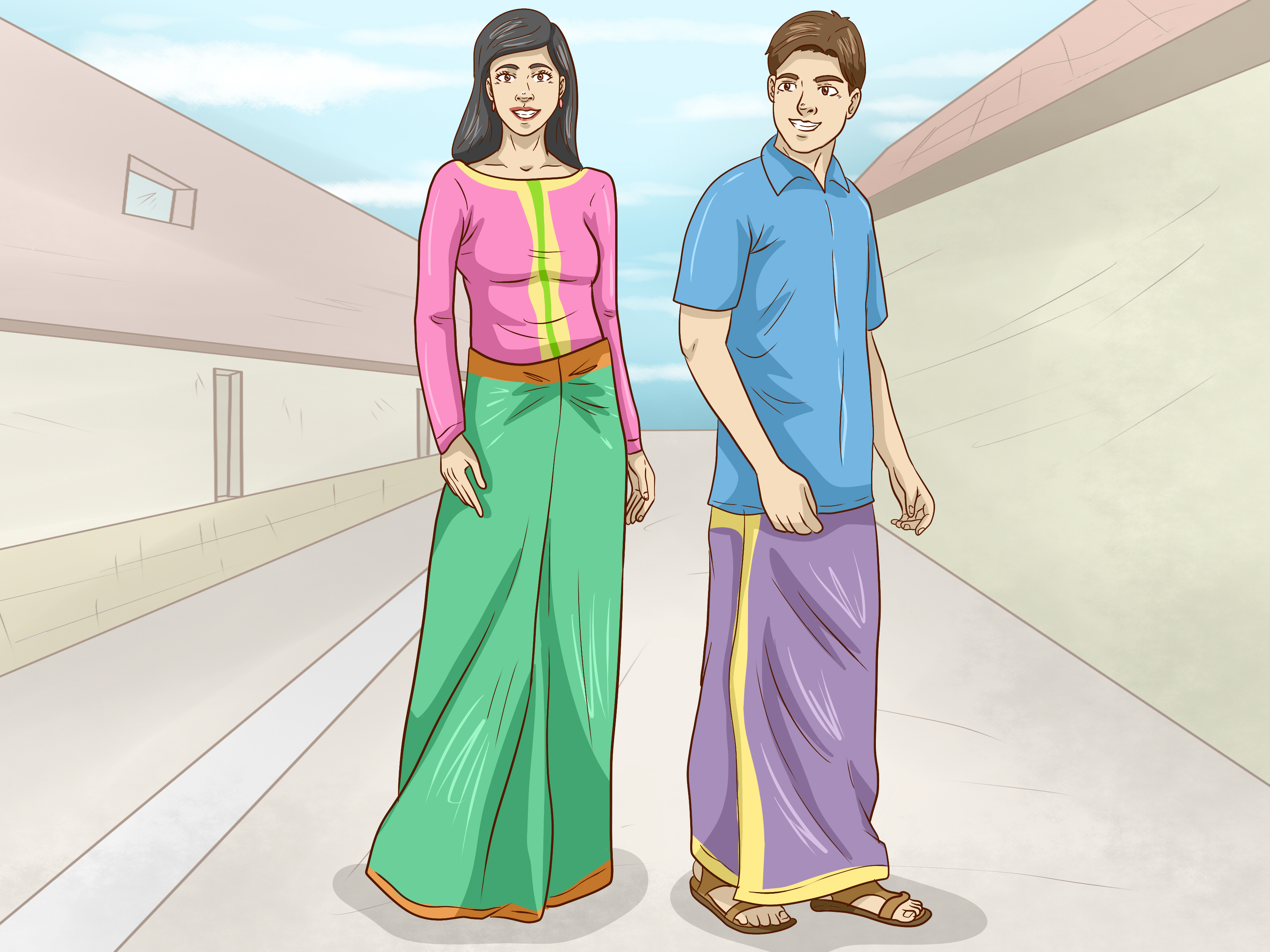
A lungi is a traditional lower-body garment usually made from cotton and wrapped around the waist. It is often compared to a sarong, but the lungi has its own regional identity, styling habits, and cultural meaning. Some lungis are stitched into a tube shape, while others are open pieces of cloth. Designs vary widely, but checks, stripes, plaids, and solid colors are especially common.
The lungi is loved because it makes sense. In hot weather, fitted trousers can feel like a personal argument with the climate. A cotton lungi allows airflow, moves easily with the body, and can be adjusted for sitting, walking, working, or relaxing. It is casual, but that does not mean careless. A well-wrapped lungi can look clean, confident, and intentionally styled.
Before You Start: Choose the Right Lungi
Pick a Comfortable Fabric
Cotton is the most beginner-friendly choice. It grips better than slippery fabric, breathes well, and feels soft after a few washes. Silk or glossy synthetic fabrics may look elegant, but they can be harder to keep in place if you are still learning how to tie a lungi. Start with cotton, then graduate to fancier fabrics when your wrapping skills stop causing suspense.
Check the Length and Width
A good lungi should wrap around your waist with enough overlap to secure it. If it barely meets at the front, it is too small. If it wraps around you three times and begins applying for permanent residency, it may be too large. Most adult lungis are roomy enough for daily wear, but body size and preferred fit matter. When in doubt, choose one with generous width.
Understand Tube vs. Open Lungi
A tube lungi is sewn into a cylinder, so you step into it and adjust it around your waist. An open lungi is a flat cloth that you wrap around yourself. Tube lungis are easier for beginners because they already form the basic shape. Open lungis offer more styling flexibility but require a more secure tuck or knot.
Way 1: The Classic Everyday Lungi Wrap
The classic lungi wrap is the style most beginners should learn first. It is comfortable, secure enough for daily movement, and perfect for home wear, casual errands, or relaxed gatherings. This is the lungi at its most natural: simple, breathable, and quietly practical.
How to Wear It
Step into the lungi if it is a tube style, or wrap the open cloth around your waist if it is unstitched. Hold the top edge at waist level. Pull the fabric evenly around your body so the lower hem falls near your ankles or lower calves. Make sure the front panel hangs straight and the sides have enough overlap.
Next, gather two points from the top edge at the front of your waist. Pull them snugly, twist them together once or twice, and tuck the twisted section into the waistband. You can also create a small knot if you prefer extra security. The goal is not to create a wrestling move with the cloth. The goal is firm, comfortable tension.
After securing the waist, adjust the front and back panels so the lungi hangs evenly. Walk a few steps. Sit down. Stand up. If the lungi stays put, congratulations: you and the fabric are now on speaking terms.
When to Wear This Style
The classic wrap is best for lounging, cooking, reading, relaxing after a shower, or staying cool during hot weather. Pair it with a plain T-shirt, kurta, loose cotton shirt, or sleeveless vest. For a cleaner look, choose a top that is not too long, so the waistband remains neat instead of bulky.
Style Tip
If your lungi has a checkered or striped pattern, align the pattern vertically before tying. A slightly crooked lungi still works, but a straight pattern looks more intentional. Small detail, big difference.
Way 2: The Short Fold for Work, Walking, and Movement
The short fold is one of the most practical ways to wear a lungi. It shortens the garment to around knee length, making it easier to walk, climb stairs, work outdoors, or move quickly. In hot climates, this style is especially useful because it keeps fabric away from the feet and improves airflow even more.
How to Wear It
Start with the classic lungi wrap. Make sure the waist is secure before shortening the fabric. Then take the bottom hem at the front and lift it upward toward your waist. Bring the back hem up as well if needed, depending on how short you want the final length to be.
Tuck the lifted fabric into the waistband evenly. Some people fold the entire lower edge upward in one broad motion, while others gather the front and back separately. The result should look like a shorter wrap that sits above or around the knees. It should feel secure but not so tight that walking becomes a comedy routine.
Once folded, test your range of motion. Take a few larger steps. Bend your knees. If the fold loosens, tuck it deeper or tighten the waistband slightly. This style is all about movement, so comfort matters more than perfect symmetry.
When to Wear This Style
The short lungi fold is ideal for household chores, gardening, washing, casual outdoor work, beach walks, or any situation where a full-length lungi might get in the way. It is the “let’s get things done” version of the garment. It says, “I am comfortable, but I may also fix a leaking tap.”
Style Tip
Wear this style with a fitted or semi-fitted T-shirt if you want a clean casual look. For a more traditional appearance, pair it with a simple cotton shirt. Avoid heavy jackets or stiff tops, because the charm of a lungi comes from ease and movement.
Way 3: The Relaxed Modern Lungi Style
The modern lungi style keeps the traditional wrap but gives it a cleaner, more styled appearance. This version works well if you want to wear a lungi at a casual event, a cultural gathering, a themed dinner, or even as comfortable resort wear. The trick is to treat the lungi as part of an outfit, not just something you grabbed because pants were being annoying.
How to Wear It
Choose a lungi with a strong pattern or rich color. Wrap it at the waist using the classic method, but take extra time to smooth the front panel. Instead of leaving the knot bulky at the center, tuck it slightly to one side or flatten it under the top fold. Roll the waistband once or twice to create a neat band.
Make sure the length is consistent all the way around. A full-length lungi should not drag on the floor. Ideally, it should fall around the ankles or slightly above them. If it is too long, roll the waistband down one more time. If it is too short, wear it confidently anyway. Confidence is the emergency tailoring kit of fashion.
What to Pair With It
For a polished casual outfit, pair a patterned lungi with a plain linen shirt, a crisp cotton kurta, or a simple black or white T-shirt. Sandals work better than bulky sneakers, especially if you want a relaxed, warm-weather look. A watch, simple bracelet, or neat beard trim can make the whole outfit feel intentional.
When to Wear This Style
This style is great for relaxed social occasions, cultural events, vacation evenings, creative photo shoots, or comfortable hosting at home. It is not formal business wear, but it can absolutely look stylish in the right setting.
How to Keep a Lungi From Falling Down
The most common beginner fear is simple: “What if it falls?” This fear is understandable. Nobody wants their outfit to make a sudden career change into a floor mat. Fortunately, a lungi stays secure when wrapped correctly.
Use Enough Overlap
A lungi needs overlap to hold. If the fabric only barely closes around your waist, it will not feel stable. Pull one side across the body and let the other side overlap generously before tying or tucking.
Tighten at the Waist, Not the Hips
The waistband should sit comfortably at the natural waist or just below it. If it sits too low on the hips, it may slide when you walk. A slightly higher wrap usually feels more secure.
Roll the Waistband
Rolling the top edge once or twice creates friction and helps lock the fabric in place. This is especially useful for tube lungis and sarong-style wraps.
Practice the Sit Test
After tying your lungi, sit down and stand up a few times. If the wrap loosens immediately, retie it. A secure lungi should allow normal movement without constant emergency adjustments.
Common Mistakes to Avoid
Tying It Too Loose
A loose lungi feels comfortable for about thirty seconds. Then gravity joins the conversation. Keep the waist snug enough to stay in place, but not so tight that you feel squeezed.
Choosing Slippery Fabric Too Soon
Beginners should avoid very silky fabrics until they understand the wrapping technique. Smooth fabric may slide more easily, especially without a good tuck.
Ignoring the Occasion
A lungi is usually casual. That does not mean it is sloppy, but it does mean you should style it appropriately. For public wear, choose a clean, well-pressed lungi and pair it with a neat top.
Forgetting Footwear
Footwear can change the entire outfit. Sandals, slides, or simple leather slippers usually suit a lungi better than heavy shoes. The goal is relaxed balance, not “traditional wrap meets hiking boot chaos.”
Best Tops to Wear With a Lungi
A lungi works best with tops that respect its relaxed shape. A plain T-shirt is the easiest choice for casual wear. A kurta adds traditional style and works well for family gatherings or cultural events. A linen shirt gives the outfit a resort-ready look. A sleeveless vest is common for home wear in hot weather, though it is usually too casual for public settings.
If your lungi has a bold pattern, keep the top simple. If your lungi is plain, you can choose a shirt with texture, embroidery, or subtle stripes. The safest formula is simple: one statement piece at a time. Let the lungi be the star, unless your shirt is auditioning for a festival.
Can Anyone Wear a Lungi?
Yes, anyone can wear a lungi respectfully, especially if the goal is comfort, cultural appreciation, or practical warm-weather dressing. The key is to understand that the lungi is not a costume. It is a real garment with deep everyday use across communities. Wear it with respect, keep it clean, and avoid treating it like a joke. Humor about your own learning curve is fine; mocking the culture is not.
If you are wearing a lungi for the first time at a cultural event, choose a modest length, pair it with a respectful top, and ask someone familiar with the garment for advice if possible. Most people appreciate genuine interest when it is paired with humility.
Extra Experiences: What Wearing a Lungi Teaches You
The first experience most people have with a lungi is surprise. It looks almost too simple. You hold the cloth, turn it around, step into it, and wonder whether there is a secret instruction manual hidden in the hem. Then you tie it once, it loosens, you tie it again, and suddenly you understand why experienced wearers can wrap one in seconds without even looking down. It is not magic. It is muscle memory.
Wearing a lungi teaches you that comfort does not have to be complicated. Many modern clothes are designed with zippers, buttons, elastic panels, drawstrings, and mysterious pockets that can barely hold a mint. A lungi takes the opposite approach. It says, “Here is cloth. Use your common sense.” At first, that simplicity can feel intimidating. After a little practice, it feels freeing.
One of the best moments comes when you realize how adjustable it is. Feeling too warm? Loosen the fold slightly. Need to walk faster? Pull it up into a short fold. Sitting cross-legged? Adjust the front panel. Taking a quick nap? Let it fall full length. The lungi adapts without drama. It is basically the human-friendly version of climate control.
Another memorable experience is discovering how social the garment can be. In many households, the lungi is associated with ease, home life, jokes, tea, family conversations, and weekend mornings. It is the kind of clothing that does not ask you to perform. It lets you exist comfortably. That is part of its charm. A lungi is not trying to impress anyone, which somehow makes it more impressive.
For beginners, the most important lesson is patience. Your first wrap may not look perfect. The knot may sit too high. The hem may tilt like it is trying to escape. You may walk carefully for the first few minutes, suspicious of every breeze. That is normal. After wearing it a few times, you will learn how tight the waist should feel, how much fabric to overlap, and where to tuck the edge so it stays put.
There is also a confidence shift. The first time you wear a lungi outside your room, you may feel extremely aware of it. By the tenth time, you may wonder why everyone is not wearing one in hot weather. The answer, of course, is habit. People wear what they know. Once you know the lungi, it becomes less like a novelty and more like a practical wardrobe option.
A lungi also changes how you think about style. It proves that elegance is not always about structure. Sometimes it is about movement, fabric, and ease. A neatly tied checked lungi with a plain white shirt can look timeless. A solid dark lungi with a linen shirt can look modern. A colorful lungi at home can make even a lazy Sunday feel slightly more festive.
The most useful personal rule is this: tie it, test it, then trust it. Tie the lungi securely. Test it by walking, sitting, and standing. Then stop fussing with it. Constantly adjusting the wrap makes it look less secure than it really is. Once it is properly tied, wear it naturally. Good lungi style is half technique and half attitude.
In the end, wearing a lungi is less about mastering fabric and more about appreciating practical design. It is cool in summer, forgiving after dinner, easy to wash, and flexible enough for rest or movement. Few garments can claim that range without bragging. The lungi does it quietly, usually in checks.
Conclusion
Learning how to wear a lungi is easier than it looks. Start with the classic everyday wrap, practice the short fold for movement, and try the relaxed modern style when you want a cleaner outfit. Choose breathable cotton, secure the waist properly, and pair the lungi with simple tops that match the occasion. With a little practice, this traditional wrap becomes more than comfortable clothing. It becomes a reminder that great style does not always need buttons, belts, or complicated tailoring. Sometimes, the smartest outfit is just a well-wrapped piece of cloth with centuries of common sense behind it.